
Cuenca, Spain: Where Medieval Houses Defy Gravity Above a River Gorge
By Yuki Tanaka, Architecture & Photography Specialist
There are places that make you question the physics of their existence. Cuenca is one of them.
I came to this city armed with my camera and a healthy skepticism about anything described as "gravity-defying." Three days later, I left with 400 photographs, a stiff neck from looking up constantly, and a newfound obsession with medieval engineering. This isn't a city that politely asks for your attention—it arrests it the moment you round the bend and see stone houses suspended over a 100-meter gorge as casually as if they were built on solid ground.
Cuenca doesn't do subtle. Perched on a limestone promontory where the Júcar and Huécar rivers have carved dramatic canyons through millennia of patient erosion, this UNESCO World Heritage city is a masterclass in how humans adapt to impossible terrain. The Moors saw the strategic value first, fortifying the site in the 8th century. The Christians reclaimed it in 1177 and spent the next several centuries building a city that seems to grow directly from the rock itself. What emerged is one of Spain's most visually arresting destinations—a place where architecture, geology, and sheer audacity collide.
The Architecture of Impossibility
The Hanging Houses (Casas Colgadas)
Let's address the obvious first: the Casas Colgadas are the reason most people come to Cuenca, and they are every bit as spectacular as the postcards promise. These medieval houses jut out over the Huécar River gorge on wooden balconies called tornapuntas, their stone facades appearing to hover in space. Originally built between the 14th and 16th centuries as noble residences, they represent one of Europe's most daring residential architectural experiments.
Only three of the original structures survive in their hanging form, but what they lack in quantity they make up for in sheer visual drama. The most accessible is the one housing the Museo de Arte Abstracto Español (Casas Colgadas, s/n; free admission; Tue–Fri and holidays 10:00–14:00 and 16:00–18:00, Sat 10:00–14:00 and 16:00–20:00, Sun 10:00–14:30; closed Mon, Dec 24–25, 31, Jan 1 & 6, and Sep 18–21). Even if abstract art isn't your usual thing, pay this museum a visit. Not for the Chillida or Tàpies on the walls—though the collection is exceptional—but for the architecture itself. Walking through rooms where the floor drops away beneath balconies cantilevered over a canyon is an experience no photograph can replicate. The museum was founded in 1966 by painter Fernando Zóbel and sculptor Gustavo Torner, who recognized that the houses themselves were the real artwork. Entry is free, which feels almost criminal given the setting.
For the best photographs, walk the San Pablo Bridge (Puente de San Pablo) at golden hour. The 16th-century stone bridge (rebuilt in the early 20th century after the original collapsed) frames the Hanging Houses perfectly against the golden limestone walls. Come at sunrise if you want the scene to yourself; by 10:00 AM, tour buses arrive and the magic dissipates into selfie sticks and guided groups.
Cuenca Cathedral
Dominating the old town's highest point, the Cuenca Cathedral (Plaza Mayor; free entry to the church, €3.50 for the cloister and museum; church open daily 9:00–14:00 and 16:30–19:00) is one of Spain's earliest Gothic cathedrals, begun in 1196 shortly after the Christian reconquest. Its Anglo-Norman Gothic style reflects the influence of French cathedral builders who came to Spain during this period. The interior is surprisingly austere—this isn't the gilt-and-marble excess of Seville or Toledo. Instead, you get soaring stone vaults, pointed arches, and a sense of verticality that draws the eye upward, echoing the city's dramatic topography.
The cloister houses an interesting diocesan museum with medieval religious art, but the real architectural draw is the cathedral's exterior. The limestone facade changes color throughout the day—from warm honey at sunrise to cool gray in overcast weather. I spent an hour photographing the portal carvings alone, each saint and grotesque rendered with the obsessive detail typical of 13th-century stonemasons who clearly had no deadline pressure.
The Historic Old Town
Cuenca's Casco Antiguo isn't a single street or square—it's an entire district of narrow lanes, sudden viewpoints, and architectural layers spanning eight centuries. The old town earned its UNESCO World Heritage status in 1996, and wandering its streets explains why. Start at Plaza Mayor, the irregular main square where the cathedral, town hall, and the ornate Torre de Mangana (a 20th-century reconstruction of a medieval clock tower) create one of Spain's most picturesque public spaces.
From there, follow Calle de Alfonso VIII and its tributary lanes. The street plan hasn't changed meaningfully since the Middle Ages, and the buildings tell the story of Cuenca's evolution: Mudéjar arches from the Moorish period, Renaissance doorways from the 16th-century prosperity, Baroque balconies added by wealthy merchants, and modernist details from the early 20th century. Look for the Casa de la Mora on Calle del Obispo Valero, a 14th-century noble house with a distinctive Gothic window. The Convento de las Esclavas and the Convento de San Pablo (the latter now the stunning Parador de Cuenca, a luxury hotel in a 16th-century convent with doubles from €150) demonstrate the religious architecture that once dominated the hilltop.
Ciudad Encantada
If Cuenca's built environment tests your belief in structural engineering, the Ciudad Encantada (Enchanted City) challenges your trust in geology. Located 28 kilometers northeast of the city (access by car or organized tour; €8 adult entry, €5 children; open daily 10:00–20:00 in summer, 10:00–18:00 in winter), this natural park contains limestone formations eroded by wind, water, and ice into shapes that defy easy categorization. Rock pillars, mushroom formations, natural bridges, and stone figures that locals have named for animals and objects cover the landscape.
The most famous formation is the Mushroom Rock (Hongo), where a harder dolomite cap protects the softer limestone beneath, creating a precarious table-like structure. The Sea of Stones (Mar de Piedras) resembles a petrified ocean. Walking the 3-kilometer marked trail takes about 90 minutes and requires sturdy shoes—the path is uneven and can be slippery after rain. The formations are most photogenic in the raking light of early morning or late afternoon; midday sun flattens the textures that make the place extraordinary.
Where to Eat: From Cliffside Dining to Hidden Courtyards
Mesón Casas Colgadas
The restaurant occupying one of the actual Hanging Houses has every right to be a tourist trap. Miraculously, it isn't. Mesón Casas Colgadas (Calle Obispo Valero, 3; +34 969 22 35 09; mains €18–28; open 13:00–16:00 and 20:30–23:00, closed Mon evening and Tue) serves elevated Castilian cuisine in a dining room with views that justify every euro. The morteruelo (a rich game meat pâté typical of the region) is excellent, and the ternasco asado (roast lamb) rivals anything in nearby La Rioja. Request a table by the window, and order a bottle of Ribera del Júcar wine—the local designation is young but producing impressive reds.
Casa de La Sirena
For a meal that isn't trying to impress you with its location, head to Casa de La Sirena (Calle San Pedro, 40; +34 969 21 33 73; tasting menu €45, à la carte mains €16–24; open 13:30–15:30 and 20:30–22:30, closed Sun evening and Mon). This family-run restaurant in the lower town occupies a 16th-century building with a quiet interior courtyard. The menu changes seasonally, but the ajo arriero (salt cod with garlic and olive oil) and migas (fried breadcrumbs with chorizo and grapes) are constants for good reason. The owner, Pepe, sources mushrooms from the nearby mountains when in season—ask about the setas preparations if you're visiting in autumn.
Mesón Nelia
Mesón Nelia (Calle del Trabuco, 13; +34 969 22 30 65; raciones €8–15; open 12:30–16:00 and 20:00–23:00 daily) is where locals eat, which tells you everything. Located in a modest space near the Plaza Mayor, it specializes in hearty Castilian portions meant for sharing. The tabla de embutidos (cured meat board) is a meal in itself, and the patatas meneás (mashed potatoes with paprika and olive oil) are comfort food at its most authentic. Prices are reasonable, portions are generous, and nobody is trying to sell you a souvenir on the way out.
Olea Comedor
For something more contemporary, Olea Comedor (Calle de las Heras, 4; +34 969 92 09 01; mains €14–22; open 13:00–16:00 and 20:30–23:00, closed Wed) applies modern techniques to regional ingredients without the pretension that usually accompanies such endeavors. The carrillera de ternera (veal cheek) braised in local wine is outstanding, and the wine list focuses on small producers from Castilla-La Mancha that you'll rarely find outside the region.
Raff San Pedro
If you're staying more than a couple of days, book a table at Raff San Pedro (Calle de San Pedro, 50; +34 969 21 20 91; tasting menu €55; open Thu–Sat 13:30–15:30 and 20:30–22:30, Sun 13:30–15:30 only). Chef Rafa puts a creative spin on Cuenca's traditional ingredients in an intimate 20-seat dining room. Reservations are essential, especially for dinner.
Practical Food Notes
Breakfast in Cuenca follows the Spanish pattern: coffee and a tostada (toasted bread with tomato, olive oil, and sometimes jamón) at any of the bars around Plaza Mayor. The Café del Cuento (Plaza Mayor, 6; open 8:00–14:00 and 17:00–21:00) makes excellent coffee and has outdoor seating with cathedral views. For a quick lunch, the mercado municipal (Calle de Cruz Verde; open Mon–Sat 8:00–14:00) has stalls selling fresh produce, cheese, and prepared foods—the queso de oveja (sheep's milk cheese) from the region is particularly good.
Where to Stay
Parador de Cuenca
The Parador de Cuenca (Subida a San Pablo, s/n; +34 969 23 23 20; doubles from €150, suites from €220) occupies the 16th-century Convento de San Pablo on the opposite side of the Huécar gorge from the Hanging Houses. The views from the rooms and terraces are arguably better than the view OF the Hanging Houses, giving you a perspective most visitors never see. The building itself—a Renaissance convent with cloisters, chapter houses, and religious art integrated into the decor—is worth exploring even if you're not staying here. Breakfast on the terrace watching the morning light move across the gorge is worth the premium rate alone.
Posada San José
For something more intimate, Posada San José (Calle de los Canónigos, s/n; +34 969 21 23 00; doubles €59–106, depending on season; breakfast included) occupies a restored 17th-century monastery in the historic center, literally around the corner from the Hanging Houses. The rooms are simple but comfortable, and the real draw is the location—you can step out the door and be photographing the gorge at dawn before the tour buses arrive. The on-site restaurant serves honest local food, and the terrace garden offers a quiet escape from the narrow streets above.
Budget Option: Hostal Buelta
Hostal Buelta (Calle de Fray Luis de León, 24; +34 969 22 17 05; doubles from €45) is a clean, family-run option in the lower, more modern part of Cuenca. It's a 15-minute uphill walk to the old town, but the savings are significant if you're traveling on a tight budget.
Art Beyond the Hanging Houses
Fundación Antonio Pérez
Cuenca's art credentials extend well beyond the Abstract Art Museum. The Fundación Antonio Pérez (Ronda de Julián Romero, 18; free entry; Tue–Sat 11:00–14:00 and 17:00–20:00, Sun 11:00–14:00) occupies a 17th-century Carmelite convent and houses one of Spain's most intriguing contemporary art collections. Antonio Pérez was a collector with catholic tastes—Warhol prints hang near works by Antonio Saura, and the permanent collection includes pieces by Chillida, Zóbel, and Tapies. The building itself, with its cloistered courtyard and austere chapel converted to gallery space, creates a fascinating dialogue between historical architecture and modern art.
Museo de Cuenca
For context on the region's deeper history, the Museo de Cuenca (Calle del Obispo Valero, 4; €1.20; Tue–Sat 10:00–14:00 and 16:00–18:00, Sun 10:00–14:00) traces human presence in the area from Paleolithic times through the Roman period and into the Middle Ages. The Roman collections are particularly strong, with finds from nearby archaeological sites like Segóbriga and Ercávica. It's a small museum—an hour is sufficient—but the numismatic collection and the Roman sculpture room justify the modest entry fee.
Practical Logistics
Getting There
Cuenca is remarkably accessible given its remote appearance. The AVE high-speed train connects Madrid's Atocha station to Cuenca-Fernando Zóbel station in just 50 minutes (tickets €15–35 depending on time and booking window). Note that the AVE station is 5 kilometers from the old town—local bus Line 1 connects it to the center (€1.20, every 30 minutes), or a taxi costs around €10.
The older Cuenca station (near the city center) receives slower regional trains from Madrid (2.5 hours, €15–20) and Valencia (3.5 hours). This station is walking distance from most hotels.
By car, Cuenca is reached via the A-3 motorway from Madrid (2 hours). Parking in the old town is nearly impossible—use the public parking at Plaza de España (€1.50/hour) and walk up, or stay in accommodations with parking included.
Getting Around
The old town is entirely walkable, though the steep streets and stairs demand reasonable fitness. Wear comfortable shoes with grip—the cobblestones are centuries old and uneven. The public elevator (Ascensor de la Diputación) connects the lower modern city with the old town near Plaza Mayor, saving your knees on the steepest section.
Best Time to Visit
Spring (April–June) and autumn (September–November) offer the best combination of mild weather and manageable crowds. Summer (July–August) brings temperatures above 30°C and tour groups; winter can be cold and windy on the exposed hilltop, though the Christmas market in Plaza Mayor is charming and you'll have the streets largely to yourself.
Photography Notes
As a photography specialist, I need to flag the practical realities. The Hanging Houses face northeast, meaning they're in shadow for much of the morning and lit by harsh midday sun. The best light hits them from late afternoon through sunset. Bring a polarizing filter to cut atmospheric haze in the gorge. For the San Pablo Bridge shot, a tripod is essential at blue hour (the bridge is lit at night). The old town's narrow streets create dramatic chiaroscuro effects at midday that work surprisingly well in black and white.
Drone photography is technically possible but requires permits from the city council and Spanish aviation authorities—the old town is a controlled airspace zone. Don't risk it without authorization.
What to Skip
The tourist restaurants on Calle de San Pedro facing the gorge. The ones with the plastic-coated English menus and photos of paella. The views are spectacular; the food is overpriced and forgettable. Walk three minutes into the interior streets and eat where the locals do.
The so-called "nightlife" in the old town. Cuenca is not a party destination. Most of the historic center shuts down by 22:00, and the few bars that stay open cater primarily to weekend visitors from Madrid. If you want nightlife, stay in the lower town or visit on a Friday/Saturday when there's marginally more activity.
The guided tour buses from Madrid. They allow 3–4 hours in Cuenca, which is enough to photograph the Hanging Houses and grab a rushed lunch. You need at least one full day, ideally two, to understand what makes this place special. Stay overnight. Watch the light change on the gorge. Walk the empty streets at dawn.
Attempting to drive and park in the old town. The streets are medieval—narrow, one-way, and designed for donkeys, not SUVs. Several streets are pedestrian-only. Even residents struggle with parking. Leave the car at the lot below and walk.
Cuenca is not a city that reveals itself quickly. It took me two full days of wandering before I started seeing past the postcard views and into the layers—the Moorish foundations beneath Gothic churches, the Renaissance details hidden in medieval doorways, the way the light moves through the gorge and transforms the same limestone walls from gold to silver to violet over the course of a day.
This is a place built on impossibility, and that impossibility teaches you something about ambition. The people who built those hanging houses weren't asking whether it could be done—they were asking how. That spirit persists in the city today: in the art museums pushing boundaries, in the chefs reimagining ancient recipes, in the stubbornness of a city that refused to be abandoned when modernity made its terrain inconvenient.
Come for the photographs. Stay for the revelation that architecture, at its best, isn't just about shelter—it's about audacity.
Yuki Tanaka is an architecture and photography specialist who documents how built environments shape human experience. She believes the best photographs are taken at the edge of what's structurally possible.
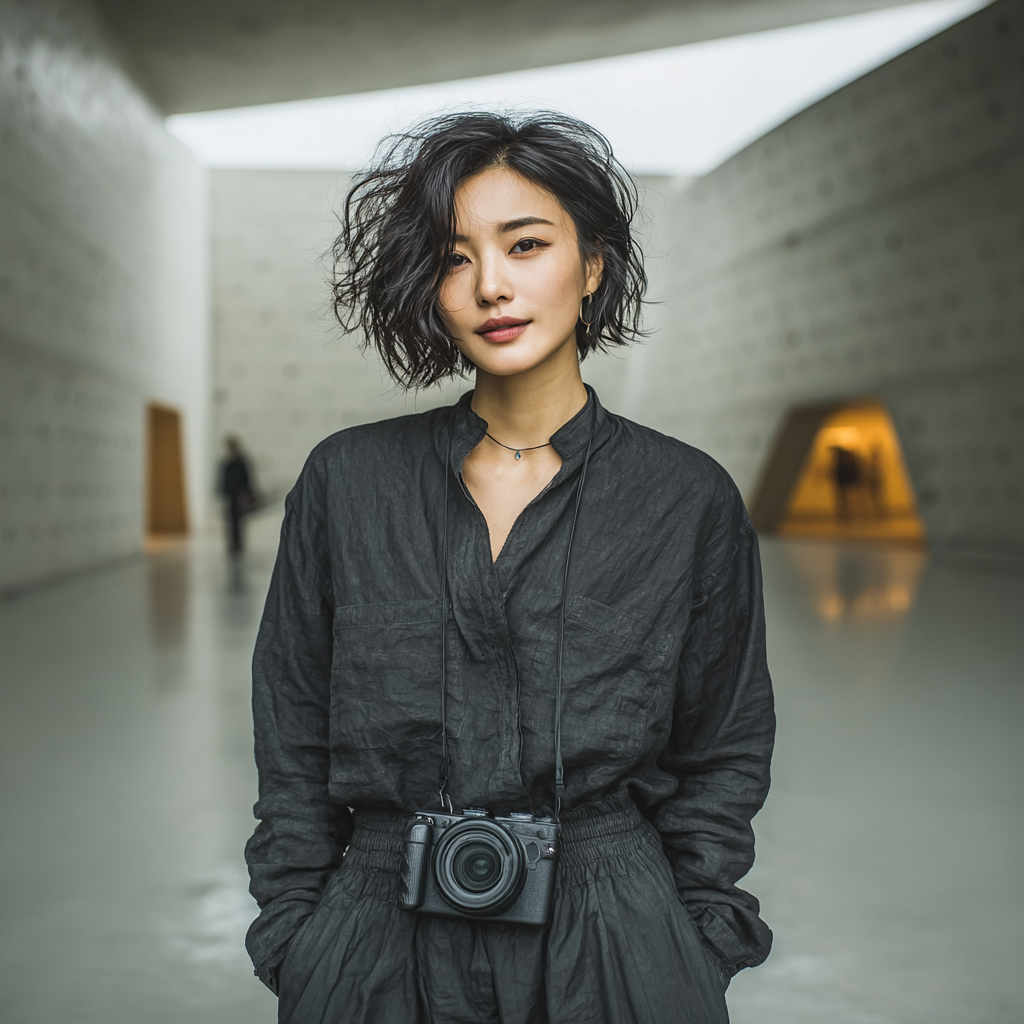
By Yuki Tanaka
Architectural photographer based in Tokyo. Yuki captures the dialogue between ancient structures and modern design across Asia and Europe. Her work has been featured in Monocle, Dezeen, and Wallpaper. She sees buildings as frozen stories waiting to be told.