
Cáceres, Spain: Where Thirty Medieval Towers Still Watch Over the Best Cheese in the Country
About This Guide
I'm Sophie Brennan, and I came to Cáceres the first time because I got lost. I was driving from Madrid to Lisbon, took a wrong turn somewhere past Plasencia, and found myself staring up at a wall of granite towers that looked like someone had forgotten to tell them the Middle Ages were over. I stayed for three days. I came back six months later for a week. Now I schedule my Extremadura trips around this city, because Cáceres does something to you that better-known places don't: it lets you in.
This guide is for travelers who have already seen Toledo, who found Carcassonne beautiful but hollow, who want a medieval city that still functions as a city. I write about food because I believe you cannot understand a place without eating what it eats. And Cáceres eats extraordinarily well.
The City That Time Forgot to Update
Most travelers bound for Extremadura pass through Cáceres on their way to somewhere else. They stop for lunch, photograph the towers from Plaza Mayor, and drive on to Trujillo or Mérida. This is the wrong move. Cáceres has the most intact medieval old town in Spain, and unlike better-known walled cities, it is still lived in. The Ciudad Monumental is not a museum piece. It is a working quarter where locals buy bread, walk dogs, and argue about football beneath 12th-century battlements.
The old town sits on a limestone hill that Romans, Visigoths, Muslims, and Christians all recognized as strategically valuable. The Almohads built the defensive walls and towers in the 12th century, and the Christian reconquest in 1229 added churches and palaces rather than tearing the existing city down. The result is a dense layering: Roman foundations, Islamic cisterns, Gothic cathedrals, and Renaissance palaces stacked on top of one another, all within a walkable perimeter. UNESCO made it a World Heritage Site in 1986, but the designation has not turned it into a theme park.
Walking the Walls: What to See
Start at Plaza Mayor, the rectangular main square that functions as Cáceres's living room. The ayuntamiento (town hall) dominates one side with its 19th-century clock tower, but the real interest is the transition into the walled city through Arco de la Estrella. This gate was carved through the Almohad wall in the 15th century to allow processions to enter more easily. Before you walk through, look up at the Torre de Bujaco, a 12th-century Almohad tower built on Roman ashlar foundations. The stone is local granite, rough and unpolished. You can climb the tower for €2.50 (open daily 10:00 AM–2:00 PM and 4:30 PM–7:30 PM; shorter hours in winter). The view is worth it: a full panorama of the old town's rooftops, chimneys, and the thirty defensive towers that still stand from an original circuit of nearly seventy.
Inside the walls, the streets are narrow, cobbled, and designed to confuse invaders. They will confuse you too. This is intentional. The layout follows no grid. A left turn brings you to a dead end; a right turn opens into a small plaza with a well and a stone cross. The best approach is to abandon any plan and let the city pull you through its own logic.
Concatedral de Santa María is the old town's anchor. Built between the 13th and 15th centuries on the site of a former mosque, the cathedral is Gothic with a fortress-like quality. The west front has a rose window and two robust towers. Inside, the retablo is Plateresque, heavily gilded, and from the 16th century. Entry is €4 (includes bell tower; open Monday–Saturday 10:00 AM–2:00 PM and 4:00 PM–7:00 PM, Sunday 10:00 AM–2:00 PM). Morning mass is free if you want to attend, but the tower climb — another €2 if purchased separately — gives you the best view in the city, especially at late afternoon when the limestone walls turn golden.
The palaces are what distinguish Cáceres from other Spanish medieval towns. The nobility built extensively here during the 15th and 16th centuries, and many of these buildings remain intact. Palacio de los Golfines de Abajo, on Plaza de los Golfines, is a prime example. The façade mixes Gothic and Renaissance elements, with the Golfine family coat of arms carved above the door. The interior is not fully open to the public, but the courtyard is accessible during working hours and the stone staircase is original. Palacio de Carvajal, further east, has a more dramatic profile: a corner tower, a crenellated roofline, and a small courtyard with a palm tree. Entry is free. The building now houses tourism offices, which means you can examine the stonework without paying a fee.
Palacio de las Veletas, on Plaza de las Veletas, contains the Museo de Cáceres. The building itself is the main attraction: a 16th-century palace with a distinctive tower topped by weather vanes (veletas). The museum's most important feature is underground. The Almohad aljibe, or cistern, survives intact beneath the palace. It is a vaulted stone chamber built in the 12th century to collect rainwater, with a capacity of 770 cubic meters. The space is cool, echoing, and lit only by reflected light from the entrance. The museum's upstairs galleries cover archaeology and ethnography. Entry is €1.20, free on Sundays. Hours: Tuesday–Saturday 9:00 AM–2:30 PM and 4:00 PM–7:00 PM, Sunday 10:00 AM–2:00 PM.
One of the stranger buildings is Casa de los Toledo-Montezuma. The façade carries the Montezuma family coat of arms because a daughter of the Aztec emperor married a Spanish conquistador from Cáceres, and their descendants built this house in the 16th century. It is a private residence and not open inside, but the exterior is visible from Calle de los Condes. The historical irony — an Aztec imperial emblem on a street in rural Spain — is worth the detour.
Casa del Sol, on Calle del Sol, is named for a sun carved into the corner stone. It is a 16th-century manor house with Gothic windows and a small garden courtyard. Also private, but the exterior is accessible and the carving is genuine. Nearby, Torre de Sande is one of the more imposing of the surviving towers, built by the Sande family in the 15th century. It now houses a restaurant with a rooftop terrace. The food is decent but overpriced. Go for a drink at sunset when the tower is lit from below and the old town walls glow.
The Museo de Arte Contemporáneo Helga de Alvear is the city's cultural surprise. Housed in a restored 15th-century hospital complex near the walls, the museum holds one of Spain's most significant private collections of contemporary art, including works by Ai Weiwei, Anish Kapoor, and Louise Bourgeois. Entry is €5. The contrast between the medieval stone vaults and the contemporary installations is deliberate and effective. Open Tuesday to Sunday, 11:00 AM to 2:00 PM and 5:00 PM to 8:00 PM. Closed Mondays.
For another perspective entirely, climb the twin towers of the Iglesia de San Francisco Javier (also called the Iglesia de la Preciosa Sangre), an 18th-century Jesuit church considered one of the most important Baroque buildings in Extremadura. Entry is €1 and includes both towers. Choose the left tower after the entrance for the more unobstructed views. Open Tuesday–Saturday 10:00 AM–2:00 PM and 4:00 PM–7:00 PM, Sunday 10:00 AM–2:00 PM.
What to Eat in Cáceres: A Food Lover's Pilgrimage
Cáceres operates on Extremaduran principles: pork, lamb, peppers, and sheep cheese. But to reduce it to ingredients is to miss the point. This is a city that was named Spain's Culinary Capital in 2015, not because it has one great restaurant, but because the entire food culture operates at a level of intensity that makes other regions look lazy.
Torta del Casar is the regional cheese, and it is not like other cheeses. Made from raw sheep's milk and thistle rennet, it has a creamy, almost liquid center and a bark-like rind. A full wheel costs €18–22 at Quesería La Antigua on Calle Pintores, but you can buy a quarter wheel for €5–6. Eat it by cutting the top off and spooning the interior out onto bread. Do not refrigerate it — the cold kills the flavor. Do not eat the rind. Do not ask for a knife. This is spoon cheese, and it demands submission.
Ibores is the other cheese you need to know: a PDO-protected goat cheese from the nearby Sierra de Ibores, rubbed with olive oil and paprika so the rind turns a deep rust color. It is firmer than Torta del Casar, with a clean, slightly sharp taste that gets more complex as it ages. Find it at the same cheese shops, or order it as a tapa anywhere serious about local products.
Mesón El Corcho, on Calle de la Cruz, is a local tavern that has been open since 1985. The menu is short: migas extremeñas (fried breadcrumbs with garlic and peppers), zorongollo (a cold salad of tomatoes, peppers, and onions), and revolcona (mashed potatoes with paprika and crispy pork). Prices run €8–14 per plate. The wine list focuses on Ribera del Guadiana, the regional DOP. A bottle of local red costs €12–16. The owner, Paco, is usually behind the bar and will tell you which ham is best that week. Hours: Monday–Saturday 1:00 PM–4:00 PM and 8:00 PM–11:00 PM. Closed Sunday.
For a more formal meal, Restaurante La Tahona, just outside the old town on Calle General Ezponda 6, serves traditional Extremaduran dishes without tourist markup. The caldereta de cordero (lamb stew) is €16. The solomillo al whisky (pork tenderloin with a whisky sauce) is €14. Both are large portions. Book ahead on weekends — locals fill the tables by 2:30 PM. Phone: +34 927 24 71 11. Hours: Tuesday–Saturday 1:30 PM–4:00 PM and 8:30 PM–11:30 PM, Sunday 1:30 PM–4:00 PM.
Atrio, on Plaza de San Mateo 1, is the city's two-Michelin-star restaurant, run by chefs José Polo and Toño Pérez. The tasting menu is €185. This is not where you go for traditional cooking — the cuisine is modern, technical, and ingredient-focused. The building incorporates a 14th-century stone house and a 21st-century concrete extension by architect Mansilla + Tuñón. Even if you do not eat there, the architectural contrast is visible from the plaza. Reservations essential. Phone: +34 927 24 29 28.
For something between tavern and tasting menu, Restaurante Torre de Sande (Plaza de San Mateo 1, same building as Atrio but separate entrance) offers high-concept Extremaduran cuisine in a more casual — though still elegant — setting. Mains run €18–28. The rooftop terrace is worth the reservation alone. Phone: +34 927 21 14 73.
Do not leave without trying torreznos: thick strips of cured pork belly, fried until the skin blisters and the fat renders into something you will dream about for weeks. The best version in Cáceres is at Bar El Corcho, where they serve them as a tapa with a glass of local red for under €5. If you see morcilla patatera on a menu — blood sausage mixed with potato and smoked paprika — order it. It looks like chorizo, tastes better, and will ruin supermarket sausages for you permanently.
For the sweet side, seek out perrunillas (thick, anise-scented cookies), técula mécula (almond and egg yolk confections on puff pastry), and the famous bombones de higo (chocolate-coated figs) at any serious confectionery. The cloistered nuns at Monasterio de Santa María de Jesús still sell sweets through a rotating window — ring the buzzer, put your money on the tray, and the unseen nuns spin it around with your order. It is eccentric, slightly surreal, and very Cáceres.
Where to Drink
Extremadura is not Rioja or Ribera del Duero, and that is precisely why you should drink here. Ribera del Guadiana is the regional DOP, and the tempranillos are bold, warm, and underpriced. A good bottle at a restaurant runs €12–18. At a supermarket, €4–7.
Bar La Minerva, on Plaza Mayor, is a reliable spot for a mid-afternoon vermouth and tapas. Sit outside under the arcades, order a caña (small beer, €1.50) or a glass of local white (€2.50), and watch the city move through its rhythms. The terrace fills with locals around 7:00 PM for the pre-dinner crowd.
For a more serious wine experience, Casa del Vino de Extremadura on Calle de la Cruz offers tastings of regional wines by the glass (€3–6) and sells bottles to take away. The staff know their producers and will steer you toward small bodegas you will not find in Madrid.
What to Skip
The Parador de Cáceres occupies a 15th-century palace inside the walls and should be magnificent. It is not. The service is indifferent, the restaurant is overpriced for what it serves, and you are paying for location rather than quality. Stay at Soho Boutique Casa Don Fernando on Plaza Mayor (€70–110/night) or NH Collection Palacio de Oquendo (€60–90/night) instead — both are well-located, comfortable, and staffed by people who seem to like their jobs.
The rooftop bar at Torre de Sande charges €14 for a gin and tonic. The view is excellent; the pricing is extortionate. Have one drink for the photo, then leave.
The gift shops on Calle Ancha sell the same Castilian ceramics you find in Toledo and Segovia, marked up for the UNESCO cachet. If you want souvenirs, buy cheese and paprika from the covered market on Plaza de la Hispanidad (open Monday–Saturday 8:00 AM–2:00 PM) or Quesería La Antigua on Calle Pintores.
Day-trip bus tours from Madrid that promise "Cáceres and Trujillo in one day" are a mistake. You will spend six hours on a bus and ninety minutes in the old town, which is exactly enough time to get disoriented and buy a bad coffee. Cáceres deserves at least one full day, preferably two.
The Tuk & Go tours that buzz through the narrow streets are unnecessary. The old town is small enough to walk, and the cobblestones are part of the experience. Save the €15 and your dignity.
Practical Logistics
Getting there: Cáceres has no commercial airport. The nearest is Badajoz Airport (BJZ), 90 kilometers west, with limited flights from Madrid and Barcelona. Most travelers arrive by train from Madrid Atocha. The journey on the Renfe Media Distancia or Alvia service takes 3 to 3.5 hours and costs €25–40 each way, depending on how far ahead you book. The train station is 1.5 kilometers from the old town. A taxi costs €6–8. Walking takes 20 minutes along Avenida de España.
If you are driving, take the A-66 motorway from Salamanca or Seville. Parking inside the old town is restricted to residents. Use the underground car park at Plaza de las Correderas, just outside the walls. It costs €1.20 per hour or €12 for 24 hours.
Getting around: The old town is small enough to cover on foot in a single day, but the cobblestones are uneven and steep in places. Wear solid shoes. The modern city outside the walls is walkable too; the main shopping and dining strip runs along Avenida de España and Calle Pintores.
When to visit: Summer temperatures regularly exceed 38°C, and the stone streets radiate heat. May and October are the best months: warm, dry, and uncrowded. In July and August, the city empties of locals who flee to the coast. Some restaurants close for the month. Check ahead. Spring (April–May) brings wildflowers to the surrounding countryside. Autumn (September–October) is ideal for food festivals.
Budget: Cáceres is cheap by Spanish standards. A comfortable day runs €50–70 per person: €15–20 for lunch, €20–30 for dinner, €10 for museum entries, and the rest for coffee and cheese. You can eat well for under €40 a day if you stick to tapas bars and the market. Mid-range dining with wine runs €35–50 per person.
Language: Spanish is the language of daily life. English is spoken at the tourist office and most restaurants, but not universally. Learn "una caña, por favor" (a small beer, please) and "la cuenta" (the check).
Money: Spain uses the euro. Cards are accepted at most restaurants and shops, but small tapas bars and the convent sweet sellers prefer cash. There are ATMs on Plaza Mayor and Avenida de España.
Safety: Cáceres is very safe. The usual precautions apply in the Plaza Mayor at night (pickpockets target distracted tourists), but violent crime is virtually nonexistent. The old town is well-lit and patrolled.
Tipping: Not obligatory. Round up at cafés, leave 5–10% at restaurants if service was good. Spaniards do not tip heavily, and you should not either.
Museums and shops observe the siesta. Most close from 2:00 PM to 4:30 or 5:00 PM. Plan accordingly. The tourist office at Plaza Mayor offers free guided walking tours in Spanish and English at 11:00 AM and 5:00 PM daily. No booking required. The guides are knowledgeable municipal employees, not tip-chasers.
The Last Word
Cáceres does not have the dramatic profile of Avila or the international fame of Carcassonne. What it has is authenticity. The walls are intact not because they were restored for tourists, but because they were never torn down. The palaces are still owned by the descendants of the families who built them. The cathedral still functions as a church. The cheese is still made by shepherds using thistle rennet because that is how it has always been done.
This is a medieval city that kept living instead of becoming a monument. That is why you should come. And that is why you should stay for more than lunch.
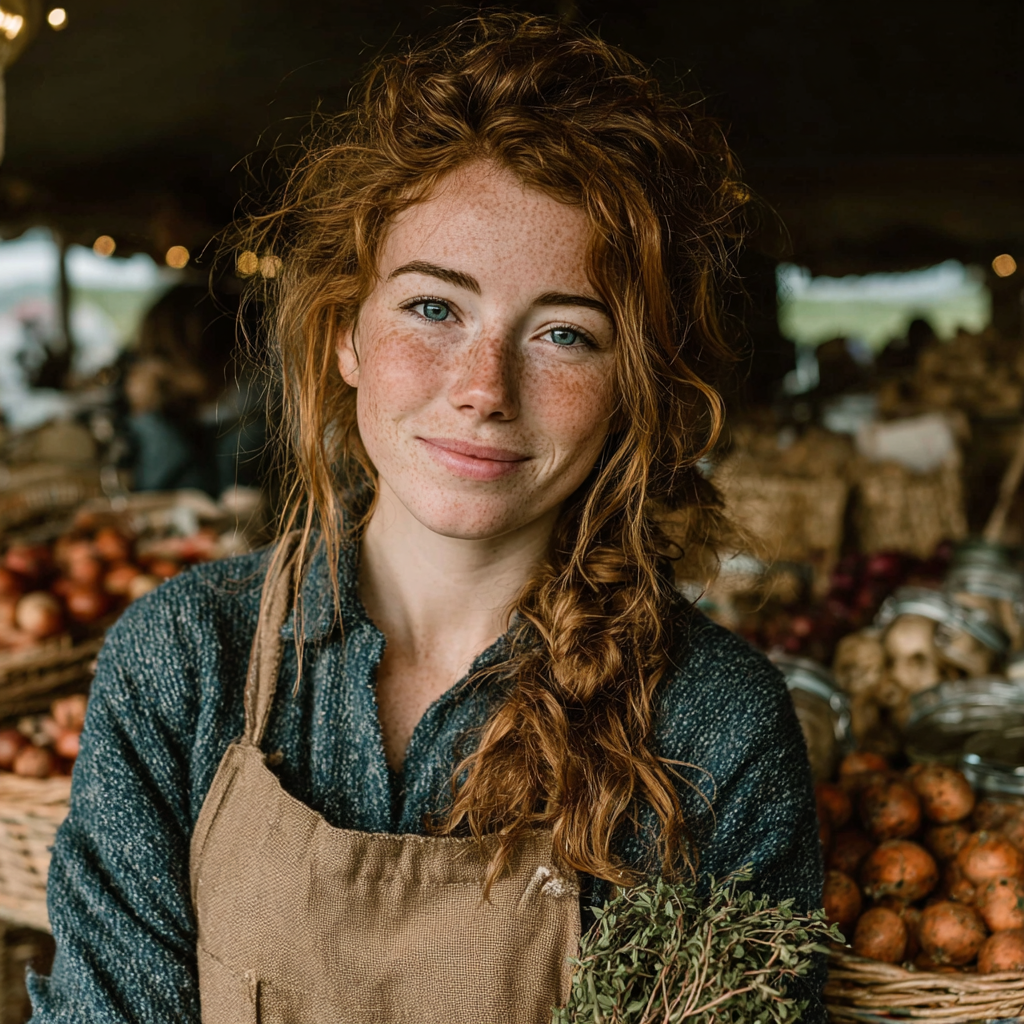
By Sophie Brennan
Irish food writer and historian based in Lisbon. Sophie combines her background in medieval history with a passion for contemporary gastronomy. She has written for Condé Nast Traveller and authored two cookbooks exploring Celtic and Iberian culinary traditions.