
Seville: Where the Conqueror Refuses to Leave, the Minaret Still Calls, and the Tapas Never Stop Coming
I first came to Seville in November 2019, on a rainy Tuesday afternoon, intending to stay three days. I left three weeks later, having developed what my editor calls "an unhealthy attachment to a city that doesn't know I exist." I've returned six times since. Seville does that to people. It's not the monuments—though the monuments are extraordinary. It's the way the city treats its past not as heritage but as roommate. Columbus is still here. The mosque is still here. The Inquisition is still here. They're not memories. They're neighbors. And then there's the food. The first time I ate montadito de pringá at 1:00 AM in Triana, I understood something the guidebooks don't tell you: in Seville, history is eaten as much as it's visited.
I'm Finn O'Sullivan. I write about places where history refuses to behave politely. Seville is my longest-running case study—and my most gluttonous.
The City That Won't Stop Being Four Cities at Once
Seville is the only city I know that simultaneously occupies four distinct historical periods without apology. The Roman street grid still determines where you walk. The Islamic minaret still dominates the skyline. The Gothic cathedral still claims to be the world's largest. And the Baroque churches still compete for who can gild the most square meters of cedarwood. None of these eras has conceded defeat. They coexist in a permanent, beautiful argument.
This isn't academic abstraction. Walk from the Alcázar to the Cathedral on a Tuesday morning and you'll pass through it: Mudéjar brickwork giving way to Renaissance facades giving way to 18th-century mansions, all on streets that follow the Roman cardo and decumanus. The city doesn't display its history in museums. It wears it like layers of clothing that never quite come off.
Roman Hispalis: The Grid That Outlasted the Empire
Seville began as Hispalis, a port city the Romans founded in 206 BCE because the Guadalquivir River was navigable to the Atlantic and the surrounding valley was absurdly fertile. They built a standard Roman grid—cardo maximus running north-south, decumanus maximus running east-west—and that grid is still the skeleton of the old town. Walk down Calle Sierpes or Calle Tetuán and you're walking Roman streets. The names have changed. The curve hasn't.
Itálica (9 km northwest, 37.4439° N, 6.0453° W) is where Seville's Roman story becomes tangible. Founded in 206 BCE and birthplace of emperors Trajan and Hadrian, it features an amphitheater that held 25,000 spectators, mosaic floors depicting Neptune and Medusa, and the Hadrianic Quarter—elegant houses built during the emperor's reign. The mosaics are the best preserved in Spain. The amphitheater's scale is genuinely startling; you stand in the center and realize this was a provincial city, not Rome, and they still built this.
- Hours: Tue–Sat 9:00 AM – 8:00 PM (summer), 9:00 AM – 6:00 PM (winter); Sun 9:00 AM – 3:00 PM
- Admission: Free for EU citizens; €1.50 for non-EU
- Getting there: Bus M-170 from Plaza de Armas (€1.40, 20 min) or taxi (€12–15)
What most guides miss: The amphitheater's underground service corridors (hypogeum) are accessible on guided tours only, and they're where gladiators waited before combat. The graffiti they scratched into the walls—names, prayers, crude drawings—is still visible. Book the hypogeum tour at the entrance. It costs €3 and runs twice daily at 11:00 AM and 1:00 PM.
Islamic Ishbiliya: The Golden Age That Built the Skyline
The Muslim conquest of 711 transformed Hispalis into Ishbiliya, and under the Almohad dynasty (12th–13th centuries), the city became one of the most sophisticated in the medieval Mediterranean. They didn't just conquer Seville. They reimagined it.
La Giralda (Avenida de la Constitución, s/n, 37.3858° N, 5.9930° W) is the surviving minaret of the Great Mosque, completed in 1198. At 104 meters, it was the world's tallest building at completion. The crucial detail: it has no stairs. Thirty-five ramps spiral to the top, wide enough for a mounted rider. The muezzin rode up five times daily. This wasn't merely practical—it was a statement about power, technology, and faith combined in a single gesture.
The Christians conquered Seville in 1248 and did something unusual: they kept the minaret. In the 16th century they added the Renaissance belfry and the bronze weather vane (giralda, 4 meters tall, 1,288 kg) that gives the tower its name. The result is a visual argument in stone—a Muslim call to prayer transformed into a Christian bell tower, but never fully transformed. The Islamic body remains. The Catholic head was added later. Both are essential.
- Access: Included with Cathedral admission
- Climb: 35 ramps, no steps, physically manageable but pace yourself
- View: 70-meter observation deck, 360° city views
- Phone: +34 954 214 971
The Alcázar (Patio de Banderas, s/n, 37.3839° N, 5.9910° W) is the oldest royal palace still in use in Europe. Unlike Granada's Alhambra, which fell to ruin after 1492, the Alcázar has been a functioning royal residence for 700 years. Charles V and Philip II walked these halls. Elizabeth II was hosted here in 1988. The Spanish royal family still uses the upper floors when in Seville.
The Patio del Yeso (Plaster Court) survives from the original Almohad fortress, with stucco work so intricate it seems to dissolve into geometry. The Arabic inscription reads: "The highest grace is that of God, the highest authority is that of God, the highest power is that of God." The Patio de las Doncellas (Courtyard of the Maidens) shows the visual dialogue between cultures—Mudéjar lower level from the 14th century, Renaissance upper gallery from the 16th, both maintaining Islamic decorative logic.
- Hours: Apr–Sep: daily 9:30 AM – 7:00 PM; Oct–Mar: daily 9:30 AM – 5:00 PM
- Admission: €14.50 general; €6 students (14–30) and 65+; €1.70 under 14
- Evening visits: Apr–Oct, four sessions nightly, €14 (book at register)
- Closed: Jan 1, Jan 6, Good Friday, Dec 25
- Booking: alcazarsevilla.org (essential—capacity limited to 750 visitors)
- Audio guide: €5
What most guides miss: The Patio de los Naranjos is the oldest part of the complex—the courtyard of the original Islamic palace. The geometric arrangement of orange trees and irrigation channels follows Islamic garden design exactly. Visit at 8:00 AM when the Alcázar opens; the light through the orange trees and the absence of crowds creates a sensory experience no afternoon visit can match.
The Cathedral: Gothic Ambition on Islamic Bones
In 1401, the cathedral chapter declared: "Let us build a church so beautiful and so great that those who see it completed will think we were mad." They were not mad. They were merely ambitious beyond measure.
The Catedral de Sevilla (Avenida de la Constitución, s/n, 37.3858° N, 5.9930° W) is the largest Gothic cathedral in the world: 11,520 square meters, 42 meters to the vaults, 80 chapels. Construction lasted over a century (1402–1506). The main altarpiece alone is 20 meters high, carved from cedarwood and gilded with gold from the Americas.
What you'll see:
Main Altarpiece: 45 scenes from Christ's life, the work of multiple generations of craftsmen
Capilla Real: Tombs of Fernando III (who conquered Seville in 1248) and Alfonso X the Wise
Tomb of Christopher Columbus: Four pallbearers representing Castile, León, Aragon, and Navarre. The body was moved here from the Caribbean in 1898. DNA testing in 2006 confirmed the remains are genuinely his.
Giralda tower: Included in admission
Hours: Mon 11:00 AM – 3:30 PM; Tue–Sat 11:00 AM – 5:00 PM; Sun 2:30 PM – 6:00 PM
Admission: €13 online / €14 at ticket office; €7/€8 reduced (65+, students to 25, large families); free under 13, unemployed Spanish nationals
Free entry: Sun 4:30 PM – 6:00 PM (online reservation required, limited capacity)
Audio guide: €5 (physical) / €4 (app)
Official: catedraldesevilla.es
What most guides miss: The Cathedral at 5:00 PM on a weekday is a different building than at 10:00 AM. The light enters through the rose window and turns the nave amber. The cleaning staff works silently in side chapels. The tourists have thinned. This is when the cathedral reveals itself not as a monument but as a living church. Also: the Puerta del Perdón (Door of Forgiveness) on the north facade is the original mosque entrance, preserved with its Islamic horseshoe arch. Most visitors enter through the modern south door and miss it entirely.
The House of Trade: When Seville Was the Center of the World
For two centuries (1503–1717), Seville was the economic center of the Western world. The Casa de Contratación (House of Trade), established within the Alcázar complex, held a monopoly on all commerce with Spain's American colonies. Every gram of gold, every ounce of silver, every ship's manifest passed through this city.
The Archivo General de Indias (Avenida de la Constitución, 3, 37.3845° N, 5.9925° W) houses 43,000 documents from this era. The building itself, designed by Juan de Herrera in the sober Spanish Renaissance style, is a masterpiece of 16th-century architecture. But the contents are what matter: Columbus's diary, the Treaty of Tordesillas (1494), the administrative records of three centuries of empire.
- Hours: Mon–Sat 9:30 AM – 5:00 PM; Sun 10:00 AM – 2:00 PM
- Admission: Free
- UNESCO Status: World Heritage Site (1987)
Magellan departed from Seville in 1519. The Guadalquivir River, navigable to ocean-going vessels, made such voyages possible. When the river silted and Cádiz stole the trade monopoly in 1717, Seville's population dropped from 150,000 to 80,000 within a generation. The city never regained its global position. But it kept the architecture, the archives, and the memory of being the world's gateway.
Mudéjar Seville: The Art of Refusal
Mudéjar refers to Muslims who stayed in Christian Spain after 1248, and to the architectural style they created—Islamic techniques applied to Christian buildings. Seville contains the finest Mudéjar work in Iberia.
The Alcázar as Living Argument
The Alcázar isn't a museum piece. It's a royal residence where 14th-century Mudéjar stucco coexists with 16th-century Renaissance frescoes and 21st-century security systems. The Spanish royal family still stays in the Palacio Gótico upper floors. This continuity is historically rare and culturally significant—most palaces of this age are either ruins or purely ceremonial. The Alcázar is still a home.
Torre del Oro: The Watchtower That Watched the Empire
Torre del Oro (Paseo de Cristóbal Colón, s/n, 37.3824° N, 5.9965° W) is a 13th-century dodecagonal military watchtower that guarded the entrance to Seville's port. Its name may come from the golden reflection of its tiles on the river, or from its role storing American treasure. It was part of a defensive chain that stretched across the Guadalquivir—a chain of which this is the only surviving link.
- Hours: Mon–Fri 9:30 AM – 6:45 PM; Sat–Sun 10:30 AM – 6:45 PM
- Admission: €3
- Inside: Small maritime museum; the real value is the riverside view
Iglesia de San Isidoro: Where Arabic Fortifications Became a Church
Iglesia de San Isidoro (Calle San Isidoro, 14, 37.3936° N, 5.9892° W) was built in the 14th century directly over Arabic fortifications. The result is a church with Gothic structure and Mudéjar decorative elements—horseshoe arches, intricate brickwork, carved wooden ceilings. It's not a famous church. That's exactly why you should visit. The fusion is more visible here than in the grand monuments because there's no restoration budget to smooth the contradictions away.
- Hours: Mon–Sat 9:00 AM – 1:00 PM / 5:30 PM – 8:00 PM; Sun 9:00 AM – 1:30 PM / 6:00 PM – 8:30 PM
- Admission: Free
The Jewish Quarter: Memory Without a Synagogue
Santa Cruz: A Lost World in Plain Sight
The Barrio de Santa Cruz was Seville's Jewish quarter until the pogroms of 1391 killed approximately 4,000 Jews and the expulsion of 1492 eliminated the rest. Today, its narrow streets, whitewashed houses, and hidden patios preserve the physical layout of medieval Jewish Seville. The community itself was erased. The streets remember.
Callejón de la Judería (Jews' Alley) and Plaza de Santa Cruz (where the main synagogue stood, now occupied by Santa María la Blanca church) are the surviving markers. The 17th-century cross in the plaza's center stands on what was the synagogue's Torah ark.
I don't have a neat conclusion about this. Neither does Seville. The neighborhood is beautiful now—tourist restaurants, flamenco bars, ceramic shops. The beauty and the erasure coexist. That's the point. Seville doesn't resolve its contradictions. It displays them.
What most guides miss: The Plaza de Santa Cruz at 7:00 AM is empty. The cross stands alone. The orange trees are in shadow. For ten minutes, before the café chairs arrive, you can stand where the synagogue stood and feel the scale of what was taken. Then the city wakes up and the moment passes. But it exists.
Baroque Splendor: The 17th Century's Beautiful Decline
Seville lost its American trade monopoly to Cádiz in 1717. But in the century before that loss, the city produced some of Spain's greatest art. The Spanish Baroque found its most powerful expression here, partly because the city was already in economic decline and art became a form of compensation.
Iglesia del Divino Salvador: Gilded Excess as Theology
Iglesia del Divino Salvador (Plaza del Salvador, 37.3903° N, 5.9928° W) was built between 1674 and 1712 over the remains of the city's main mosque. The interior is one of the most important Baroque spaces in Spain—gilded altarpieces, elaborate stucco work, paintings by Juan de Valdés Leal and Francisco de Herrera.
- Hours: Mon–Sat 11:00 AM – 5:30 PM; Sun 3:00 PM – 6:00 PM
- Admission: €4 (joint ticket with Cathedral available)
Hospital de la Caridad: The Art of Mortality
Hospital de la Caridad (Calle Temprado, 3, 37.3828° N, 5.9969° W) was founded by Miguel de Mañara, a reformed rake who became a saintly philanthropist and possible inspiration for the Don Juan legend. The hospital contains two of the most powerful memento mori paintings in Western art.
Valdés Leal's "Finis Gloriae Mundi" and "In Ictu Oculi" depict the vanity of earthly achievements in the face of death. In the first, a bishop and a knight decompose while their worldly honors—papal tiara, military decorations—lie useless. In the second, Time extinguishes a candle while a skull, an hourglass, and funeral drapery surround the scene. These aren't decorative. They're theological arguments rendered in paint, and they were painted specifically for this hospital, for these walls, for patients who were literally dying in the next room.
- Hours: Mon–Sat 9:00 AM – 1:30 PM / 3:30 PM – 7:00 PM; Sun 9:00 AM – 1:00 PM
- Admission: €6
Eating Seville: Tapas as Civilization
If you leave Seville without eating espinacas con garbanzos in a bar older than your country, you've done something wrong. Seville's food isn't an add-on to its history—it is its history, plated and served with a glass of manzanilla.
The city's culinary identity was forged in the same crucible as its architecture: Roman agricultural abundance, Islamic irrigation and spice routes, Jewish dietary traditions, and New World ingredients arriving at the House of Trade. Gazpacho came from Roman bread-and-vinegar soups. Espinacas con garbanzos is a Mudéjar dish—spinach and chickpeas stewed with cumin, a recipe that predates the Reconquista. Jamón ibérico became Seville's religion after 1492. The city's food is a palimpsest, just like its streets.
Where to Eat Like a Sevillano
Bodega Santa Cruz (Calle Rodrigo Caro, 1, Santa Cruz, 37.3864° N, 5.9914° W): This is the bar where I understood Seville. Stand at the zinc bar, order a montadito de pringá (slow-cooked pork debris on bread, €2.50), and watch the bartender remember everyone's order without writing anything down. The walls are covered in bullfighting posters and faded photos of regulars. The carrillada ibérica (braised Iberian pork cheek, €4) dissolves on contact. This is not refined dining. This is Seville's living room.
- Hours: Daily 8:00 AM – midnight
- Price: €12–18 per person with drinks
- Order: Montadito de pringá, carrillada, espinacas con garbanzos, manzanilla
Casa Morales (Calle García de Vinuesa, 11, 37.3897° N, 5.9944° W): Established in 1850, this is Seville's most beautiful traditional tavern. The ceramic walls, marble bar, and sherry barrels behind the counter haven't changed in generations. The bacalao con tomate (salt cod in tomato, €5) is textbook perfect. But the real reason to come is the atmosphere—locals arguing football, the bartender pouring fino from barrels with a practiced wrist flick, the sense that this room has witnessed every political upheaval in Spain and responded by pouring another round.
- Hours: Mon–Sat 9:00 AM – 4:00 PM / 8:00 PM – 11:30 PM; closed Sun
- Price: €15–22 per person
- Order: Bacalao con tomate, carne con tomate, fino or manzanilla
El Rinconcillo (Calle Gerona, 40, 37.3922° N, 5.9958° W): Founded in 1670, making it Seville's oldest bar. The menu hasn't changed much since then. The espinacas con garbanzos (€4.50) is the benchmark against which all others are measured. The jamón ibérico de bellota (€18 for a plate) is sliced to order by a man who has been doing this for thirty years. The ceiling is black with age and smoke. This is where I bring people who think they've "done" Spanish food.
- Hours: Daily 1:00 PM – 4:30 PM / 8:00 PM – 11:30 PM
- Price: €20–30 per person
- Order: Espinacas con garbanzos, jamón ibérico, solomillo al whiskey
Mercado de Triana (Calle San Jorge, 6, Triana, 37.3847° N, 6.0036° W): This market, built on the site of the 16th-century Castle of St. George (the Inquisition's headquarters), is where Triana's residents actually shop. The building itself is 19th-century iron and glass, but the produce is Andalusian agriculture at its finest. Upstairs, small bars serve freiduría (fried fish) so fresh it was swimming that morning. The boquerones fritos (fried anchovies, €6) and pescaíto frito (mixed fried fish, €9) are eaten standing at the bar with a caña (small beer, €1.50).
- Hours: Mon–Sat 9:00 AM – 3:00 PM (market); bars open until 4:00 PM
- Price: €8–15 per person
- Best time: 11:00 AM for the freshest fish
La Brunilda (Calle Galera, 5, 37.3914° N, 5.9953° W): For when you want Seville's traditional ingredients treated with modern technique. The carrillera de ibérico al vino tinto (Iberian pork cheek in red wine, €14) is slow-cooked for 48 hours. The tarta de queso (basque cheesecake, €7) has achieved cult status. Book ahead—this place is known, and small.
- Hours: Tue–Sun 1:30 PM – 4:00 PM / 8:30 PM – 11:00 PM; closed Mon
- Price: €25–35 per person
- Booking: Essential for dinner; call +34 955 12 87 33
Eslava (Calle Eslava, 3–5, 37.3933° N, 5.9956° W): A local institution that draws crowds for good reason. The huevo sobre bizcocho de boletus (egg on boletus mushroom cake, €3.50) is their signature—a perfectly cooked quail egg on a savory mushroom base that shouldn't work but absolutely does. The secreto ibérico (Iberian pork secret cut, €4) is grilled with just salt and smoke. Arrive at 8:00 PM sharp or queue for an hour.
- Hours: Tue–Sun 12:00 PM – 4:30 PM / 8:00 PM – midnight; closed Mon
- Price: €18–25 per person (standing at bar; tables are pricier)
What to Drink in Seville
Manzanilla is Seville's defining drink—a bone-dry fino sherry from Sanlúcar de Barrameda, lighter and saltier than standard fino. It's served chilled, in small glasses, with tapas. The first sip is shocking. The third is necessary. Every serious bar in Seville pours it from barrels.
Rebujito is Seville's summer drink—manzanilla mixed with Sprite or lemonade, served in pitchers during the Feria de Abril. Tourists sneer. Locals drink it by the gallon. During the fair, it's the only thing that keeps you vertical at 3:00 AM.
Tinto de verano is what Sevillanos drink when they want a cold red wine drink but don't want to pay sangria prices. Red wine, lemon soda, ice. Simple, cheap (€2), everywhere. The canonical version is at any neighborhood bar at 2:00 PM in July.
Flamenco: The Sound of Marginalized Seville
Flamenco emerged in the 18th century from the fusion of Andalusian folk traditions, Islamic musical influences, Jewish melodic patterns, and Roma cultural expression. Triana, across the river, was its principal cradle—a working-class district of potters, sailors, and marginalized communities where flamenco developed as an authentic working-class art, not a tourist product.
Where to Experience It
Museo del Baile Flamenco (Calle Manuel Rojas Marcos, 3, 37.3897° N, 5.9914° W): Created by dancer Cristina Hoyos, this museum offers historical context and intimate performances in an 18th-century courtyard. The museum is informative; the performances are genuine.
- Museum: €10
- Shows: €25–€30
- Booking: museoflamenco.com
Casa Anselma (Calle Pagés del Corro, 49, Triana, 37.3821° N, 6.0027° W): No sign, no schedule, no guarantee. This legendary bar hosts spontaneous flamenco sessions that start late and run later. The quality varies. When it's good, it's the most authentic flamenco you'll find in Seville. Buy drinks. Don't ask for a menu. Don't take photos without permission. Arrive after 11:00 PM on a Friday or Saturday.
Lo Nuestro (Calle Betis, 31A, Triana, 37.3831° N, 6.0058° W): Another Triana institution where locals gather for informal flamenco. Arrive after midnight. The musicians are unpaid; your drink purchases support them. This is not a show. It's a gathering.
What most guides miss: The Feria de Abril (April Fair) is when Seville's flamenco culture becomes public and spectacular. But the real flamenco happens in winter, in unheated bars, at 1:00 AM, with four guitarists and a singer who works in a warehouse. If you want flamenco as living culture rather than performance, come in January, not April.
Modern Seville: Two Monuments, Two Arguments
Plaza de España: The Monument That Became Beloved
Built for the 1929 Ibero-American Exposition, Plaza de España (37.3772° N, 5.9869° W) was initially criticized as excessive. Architect Aníbal González combined Baroque, Renaissance, and Mudéjar Revival styles into a semi-circular masterpiece with 48 tiled alcoves representing Spain's provinces, a canal crossed by four bridges, and towers visible across the city.
The plaza has become Seville's most beloved public space—a backdrop for films (Star Wars Episodes I and II, Lawrence of Arabia) and daily life. Locals walk here in the evening. Children feed the pigeons. The alcoves are where couples have their wedding photos taken. The space is free, open, and genuinely public in a way that many European squares are not.
- Admission: Free
- Best time: 6:00 PM for golden light; 8:00 PM in summer for sunset
- Rowboats: €6 for 20 minutes on the canal (pure tourist pleasure, no historical justification)
Metropol Parasol: The Monument That Refused to Die
Las Setas de Sevilla (Plaza de la Encarnación, s/n, 37.3933° N, 5.9917° W), officially Metropol Parasol, opened in 2011 after years of controversy, construction delays, and a €100 million price tag that locals initially resented. Architect Jürgen Mayer's wooden lattice structure claims to be the world's largest wooden building.
Locals hated it. Then they accepted it. Now they use it. The panoramic walkway offers the best city views, and the Antiquarium museum beneath preserves Roman and Moorish remains discovered during construction. The structure is still debated, but it's no longer rejected. Seville doesn't fully embrace its modern architecture, but it doesn't destroy it either.
- Admission: €10 viewpoint; €15 sunset ticket with drink
- Hours: Daily 9:30 AM – 12:00 AM (last entry 11:15 PM)
- Antiquarium: Included in viewpoint ticket
Museums That Reward the Curious
Museo de Bellas Artes: The Second Prado
Museo de Bellas Artes (Plaza del Museo, 9, 37.3925° N, 5.9997° W) is housed in a 17th-century convent and is Spain's second-most important art museum. The collection emphasizes Sevillian painters, particularly Murillo and Zurbarán.
Zurbarán's monks are painted with such physical presence that you can almost smell the wool. Murillo's Madonnas are technically perfect and emotionally distant. The contrast between these two Seville-born painters—one ascetic, one idealized—says something about the city's divided soul.
- Hours: Tue–Sat 9:00 AM – 9:00 PM; Sun 9:00 AM – 3:00 PM
- Admission: Free for EU citizens; €1.50 for non-EU
Centro Andaluz de Arte Contemporáneo: Columbus's Monastery
CAAC (Avenida de Américas, 2, 37.3708° N, 6.0083° W) occupies the former Cartuja monastery where Columbus planned his voyages and where his remains rested before being moved to the Cathedral. The building is 15th-century; the art is 21st-century. The combination is either jarring or perfect, depending on your temperament.
- Hours: Tue–Sat 11:00 AM – 9:00 PM; Sun 10:00 AM – 3:00 PM
- Admission: €3.01; free Tue–Fri 7:00–9:00 PM and all day Saturday
What to Skip
The Cathedral at 10:00 AM on a Saturday in April: The queues start at 9:30 AM. The interior is packed by 10:30. The Giralda climb becomes a conga line. Come at 4:00 PM on a Tuesday instead. The light is better and the crowds are thinner.
Flamenco tablaos on the Cathedral perimeter: Shows marketed with pictures of dancers in ruffled dresses are tourist performances, not flamenco. The musicians are skilled but the emotion is rehearsed. Go to Triana. Go late. Go without a reservation.
The Torre del Oro interior: The small maritime museum inside is underwhelming. The tower's value is as a riverside landmark and a photo opportunity. Pay €3 to climb it if you want the view. Skip it if you've already seen the view from the Giralda.
Plaza de España at 11:00 AM in July: The sun is vertical, the temperature is 38°C, and the tiles reflect heat upward. Come at 6:00 PM when the light turns golden and the temperature drops to merely uncomfortable.
Santa Cruz at 1:00 PM: The narrow streets become a river of tour groups following umbrellas. The restaurants are at peak capacity and minimum quality. Come at 8:00 AM or 8:00 PM. The neighborhood belongs to residents at those hours, and you can see what it actually is.
Metropol Parasol without booking sunset: The standard €10 daytime ticket gets you the same view for less money, but the €15 sunset ticket includes a drink and the best light. If you're going to do it, do it at sunset.
Tapas bars near the Cathedral before 8:00 PM: The ones within two blocks of the Giralda are priced for tourists and staffed by people who've never eaten there. Walk five minutes in any direction. The food gets better and the prices drop by 40%.
Practical Logistics
Getting There and Around
Airport: Seville Airport (SVQ) is 10 km east of the center. The EA bus runs every 15–20 minutes, €4 one-way, 35 minutes to Plaza de Armas. Taxi is €22–€30 fixed rate.
Train: Santa Justa station connects to Madrid (2.5 hours, €35–€70), Barcelona (5.5 hours, €50–€100), Córdoba (45 minutes, €15–€25), and Granada (2.5 hours, €25–€40).
Within the city: The historic center is entirely walkable. The metro has one useful line (from Santa Justa to the center). Buses are frequent and cheap (€1.40 single, €0.76 with rechargeable Tarjeta Transporte). Taxis are metered and inexpensive (€5–€10 for most central journeys).
Budget Framework
- Tight (€50–70/day): Hostel dorm (€20–€30), market meals and tapas (€15–€20), one paid attraction, walking, free museums
- Mid-range (€90–130/day): Private room/B&B (€50–€80), sit-down lunch and tapas dinner (€25–€35), two attractions, occasional taxi
- Comfortable (€160–240/day): Boutique hotel (€100–€150), full restaurant meals (€40–€60), all attractions, flamenco show, taxis
Best Times to Visit
Spring (March–May): Ideal weather, orange blossom scent, Feria de Abril (April, book accommodation months ahead). The Semana Santa (Holy Week, dates vary) is spectacular but overwhelming—book a year ahead or avoid entirely.
Autumn (September–November): Pleasant temperatures, fewer crowds, Bienal de Flamenco in September (every two years).
Avoid July–August: Temperatures regularly exceed 40°C. Walking becomes genuinely dangerous after 11:00 AM. If you must come in summer, plan indoor activities (museums, churches) between 1:00 PM and 6:00 PM.
Winter (December–February): Cool but rarely freezing. The city is quiet, hotels are cheap, and the light is sharp and clear. This is when I prefer to visit. The flamenco bars are warm.
Essential Spanish for Seville
- "Una cerveza, por favor" (oo-nah thair-VAY-sah) — A beer, please. Essential.
- "¿Qué recomienda?" (kay ray-ko-mee-EN-dah) — What do you recommend? Use this at every tapas bar.
- "La cuenta, por favor" (lah KWEN-tah) — The bill, please. They won't bring it until you ask.
- "Sin prisa" (seen PREE-sah) — No rush. The most Seville phrase in existence.
- "¿A qué hora abre?" (ah kay OR-ah AH-bray) — What time does it open? Because Spanish hours are suggestions, not promises.
What to Bring
- Comfortable shoes with grip: Cobblestones are relentless and become slippery when the streets are washed at dawn.
- Sun protection: The Andalusian sun is not negotiable, even in October.
- Modest clothing for churches: Shoulders and knees covered. They enforce this at the Cathedral and major churches.
- A water bottle: Refill at fountains. The tap water in Seville is excellent (it comes from Sierra de Gador, mountain spring water).
- Patience: The siesta is real. Many shops close 2:00–5:00 PM. Restaurants don't serve dinner before 8:30 PM. The city will not accelerate for you.
Cultural Etiquette
In churches: Dress modestly, speak quietly, and remember that services take precedence. If a Mass is in progress, wait or come back.
At flamenco: Absolute silence during performances. "¡Olé!" is appropriate at moments of peak intensity, not continuously. Photography policies vary—ask before you shoot.
Dining: Lunch at 2:00 PM, dinner at 9:00 PM or later. The menú del día (weekday lunch set menu, €12–€18) is the best value in the city. Tipping is modest—round up or add 5–10% at most.
At the bar: In traditional tabernas, don't sit at a table unless you're ordering a full meal. Standing at the bar is expected for tapas. Throw your napkins on the floor—it's traditional and the staff sweeps them up. Don't ask for ketchup.
Final Word
Seville doesn't want to be understood. It wants to be inhabited. I've spent a cumulative four months in this city and I still get lost in Santa Cruz. I still discover chapels I didn't know existed. I still hear flamenco guitar drifting from a bar I've never noticed before.
The city's history isn't behind glass. It's in the Roman street you walked this morning, the Mudéjar arch you passed without looking up, the Gothic cathedral that still dominates the skyline, the Baroque church where someone is lighting a candle right now, and the tapas bar where the bartender just set down your montadito without you asking because he remembers from last time.
Seville doesn't preserve its past. It continues it. And then it feeds you.
Come. Stay longer than you planned. Get lost. The city will still be here when you find your way back. It has been for 2,200 years.
— Finn O'Sullivan, September 2026 @finnosullivan.travel
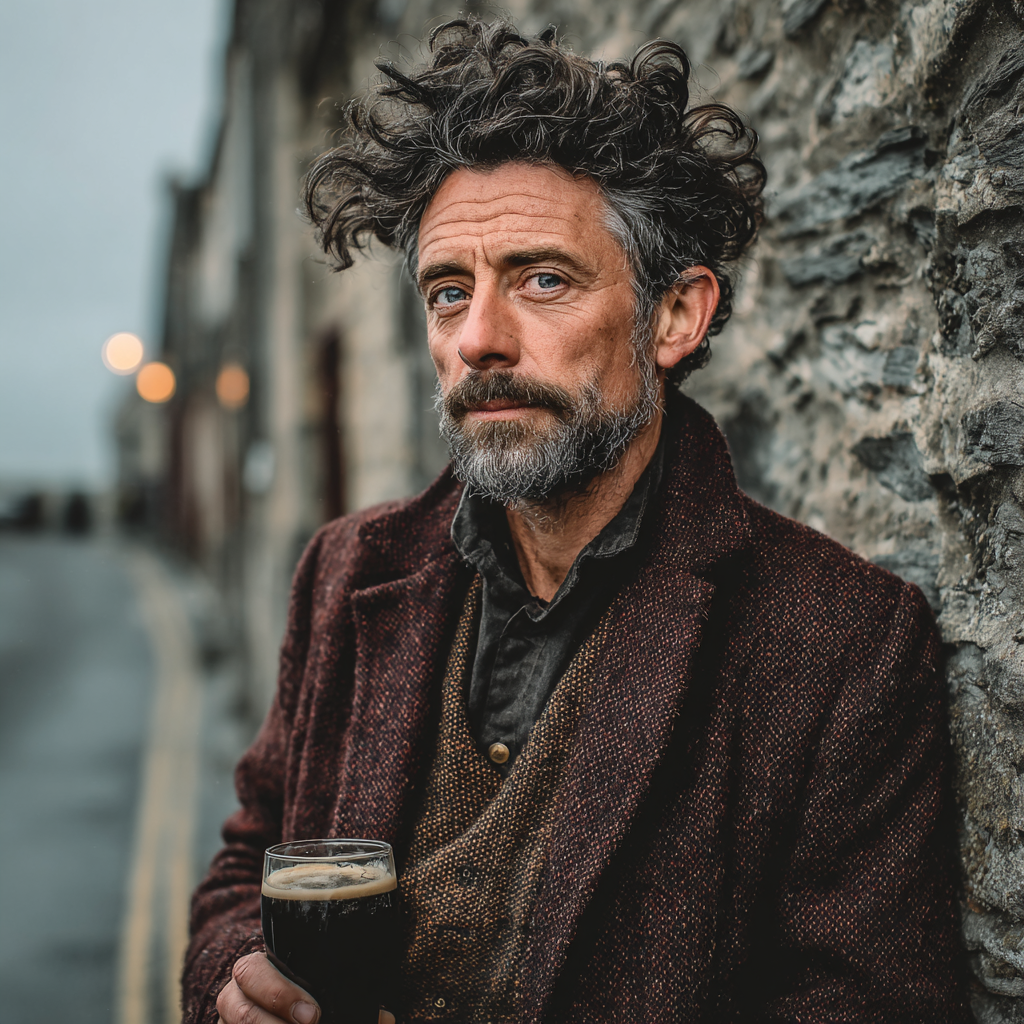
By Finn O'Sullivan
Irish storyteller and folklorist. Finn hunts for the narratives that do not make guidebooks—the pub legends, the family feuds, the neighborhood heroes. He believes every street corner has a story if you know who to ask.