
San Sebastián Food Guide: Where €3 Bites Outperform €300 Tasting Menus
By Sophie Brennan | Last updated: September 10, 2026
The first time I walked into a pintxos bar in San Sebastián's Parte Vieja, I made a rookie mistake. I sat down.
A bartender looked at me like I'd suggested we eat soup with a fork. "Standing only," he said, not unkindly, gesturing to the packed bar where locals balanced wine glasses and small plates with the practiced grace of people who'd been doing this since childhood. I stood. I ordered a txakoli. And within twenty minutes, I understood: this isn't just eating. This is a sport, a language, a social contract written in garlic and anchovies.
San Sebastián—Donostia to locals—doesn't have good food. It has the highest concentration of Michelin stars per capita on Earth, yes, but the real magic happens at chest height, on bar counters, where €3 bites achieve the kind of technical precision most restaurants charge €30 for. The city has turned snacking into an art form, and drinking into a pilgrimage.
I've eaten my way through this Basque city four times now. Here's everything I know about doing it right—and what to avoid.
Understanding the Pintxos Contract
Pintxos (pronounced "peen-chos") are not tapas. Repeat: not tapas. Where Spanish tapas are often simple—olives, patatas bravas, fried calamari—pintxos are miniature compositions that showcase Basque technique, seasonality, and obsession with ingredients.
The word comes from the Basque "pincho," meaning spike or thorn, referring to the toothpick that traditionally skewers each bite to a slice of bread. These days, many pintxos have evolved beyond the stick entirely, becoming small plates requiring multiple prep steps, precise temperatures, and plating that wouldn't look out of place in a fine-dining kitchen.
The Txikiteo Ritual (and Why It Matters):
Txikiteo is the Basque tradition of bar-hopping, and it's the only correct way to experience San Sebastián. One or two pintxos per bar. One drink. Pay. Move on. Repeat. The goal isn't to settle in—it's to graze across a neighborhood, comparing croquetas, debating which bar has the superior gilda, and building an appetite through movement rather than endurance.
The Unwritten Rules:
- Enter. Order a drink first. Never ask for food before ordering txakoli, zurito, or sidra.
- Select cold pintxos from the bar display yourself. For hot ones, ask the bartender—most are cooked to order.
- Eat standing. Seating is for full meals, and many bars don't have chairs at all.
- Tell the bartender what you had when paying. The honor system works because everyone watches.
- Never, ever order more than two pintxos at one bar. Locals will know you're a tourist.
What It Costs:
- Cold pintxos on the bar: €2.50–€4 each
- Hot pintxos (cooked to order): €4–€9 each
- Txakoli/zurito/sidra: €2–€3.50 per glass
- A full evening of txikiteo (4–5 bars): €25–€45 per person
Peak Hours:
- Lunch pintxos: 1:00 PM – 3:00 PM (weekends are packed; weekdays are blessedly local)
- Dinner txikiteo: 8:00 PM – 10:30 PM (the main event)
- Sunday evenings: The most atmospheric session—locals out in force, bars humming
Parte Vieja: The Essential Crawl
The old town's grid of narrow streets contains over 200 bars. You could spend months and not exhaust them. These are the stops that matter—the classics, the innovators, and the locals' secrets.
Bar Nestor
- Address: Calle Pescadería, 11
- Hours: 11:00 AM – 3:30 PM, 7:30 PM – 11:00 PM (closed Sundays)
- Phone: +34 943 42 49 48
- Specialty: Tortilla de patatas, grilled txuleta steak
Nestor is barely a bar—it's a narrow corridor with a grill and four tables. And it serves what many consider the best tortilla de patatas in Spain. The secret? They make it fresh twice daily, in limited batches, and it sells out. Arrive before 1:00 PM for lunch or before 8:00 PM for dinner if you want a slice. It's properly runny in the center, barely set, with caramelized onions and potatoes cooked in olive oil until they nearly dissolve. €3.50 a portion.
The txuleta (Basque ribeye steak) is equally essential: massive, cooked over charcoal, served rare with tomato salad and padrón peppers. It runs €18–€24 per person if you split one between two or three. There's no reservation system. Put your name down, go have a pintxo nearby, come back when they shout for you.
La Cuchara de San Telmo
- Address: Calle 31 de Agosto, 28
- Hours: 12:00 PM – 3:30 PM, 7:30 PM – 11:00 PM (closed Mondays)
- Phone: +34 943 435 446
- Specialty: Creative modern pintxos, seasonal menu
This tiny bar pioneered San Sebastián's modern pintxos movement, and it still leads it. Everything is cooked to order in the open kitchen behind the bar. The menu changes seasonally, but expect dishes like slow-cooked pork cheeks with Pedro Ximénez reduction (€6), duck foie gras with apple compote (€8), and octopus with potato foam. The pig's ear with chimichurri is a signature—crispy, gelatinous, impossible to stop eating.
The space is cramped. Arrive at opening (12:00 PM or 7:30 PM sharp) or prepare to wait on the street. This is where younger chefs eat on their nights off. That tells you everything.
Borda Berri
- Address: Calle Fermín Calbetón, 12
- Hours: 11:00 AM – 3:30 PM, 6:30 PM – 11:00 PM (closed Sundays)
- Specialty: Slow-cooked meats, jamón croquetas
If La Cuchara is where the chefs eat, Borda Berri is where the locals refuel. The veal cheeks (carrillera de ternera) achieve that perfect texture—tender enough to cut with a plastic fork, deeply flavored from hours of braising in red wine. €5–€6 depending on the season.
The jamón ibérico croquetas set the gold standard: a crisp, delicate shell giving way to a creamy béchamel center studded with ham. €2.50 each. Order two. The kokotxas (hake throat) in pil-pil sauce showcase Basque seafood mastery—the gelatinous, fatty meat transforms into something rich and silky when cooked slowly with garlic and olive oil.
Txepetxa
- Address: Calle Pescadería, 5
- Hours: 11:00 AM – 3:30 PM, 6:30 PM – 10:30 PM (closed Sundays)
- Specialty: Anchovies (boquerones) in every form imaginable
Txepetxa is a temple to the anchovy. Don't let the humble fish fool you—this bar has elevated it to an art form. The boquerones come dressed with spider crab, smoked salmon, or simply with green peppers and olive oil on bread. Each combination is precise, balanced, and costs €3–€5. The bar looks unassuming, but the product is pristine. This is where you learn that "simple" and "basic" are not the same thing.
Gandarias
- Address: Calle 31 de Agosto, 23
- Hours: 11:00 AM – 11:00 PM (closed Mondays)
- Specialty: Grilled mushrooms, solomillo, traditional pintxos
A classic that balances tradition with consistency. Gandarias is famous for its grilled mushrooms (champiñones a la plancha)—simple, perfect, drenched in garlic and parsley. €6–€8 depending on variety and season. The solomillo (beef tenderloin) pintxo is equally essential: rare steak on bread with caramelized onions and a peppercorn sauce. The foie gras pintxo (€8) showcases Basque hunting culture. Come early (12:30 PM for lunch, 7:30 PM for dinner) to secure bar space.
Zeruko
- Address: Calle Pescadería, 10
- Hours: 11:00 AM – 3:30 PM, 6:30 PM – 11:00 PM
- Specialty: Avant-garde pintxos, theatrical presentation
Zeruko pushes pintxos into performance art. The "la hoguera" (bonfire) arrives smoking, with a miniature grill for finishing your own bite. Other creations involve liquid nitrogen, edible containers, and unexpected flavor combinations. It's playful, occasionally silly, but technically impressive and genuinely delicious. Prices run €5–€9, and it's worth it at least once—if only to see what happens when Basque tradition meets mad science.
Goiz-Argi
- Address: Calle Fermín Calbetón, 4
- Hours: 9:00 AM – 3:30 PM, 6:30 PM – 11:00 PM (closed Sundays)
- Specialty: Grilled prawns, gilda
Famous for its grilled prawns (gambas a la plancha)—heads-on, sizzling, served with nothing but salt and lemon. The gilda, the canonical Basque pintxo (anchovy, olive, and guindilla pepper on a skewer), is perfectly executed here. Simple ingredients, flawless technique. This is what €3.50 tastes like when the kitchen cares.
Ganbara
- Address: Calle San Jerónimo, 21
- Hours: 11:00 AM – 3:30 PM, 6:30 PM – 11:00 PM (closed Sundays)
- Specialty: Seasonal ingredients, wild mushrooms, spider crab
Ganbara's bar display is a work of art—piles of seasonal vegetables, whole crabs, artfully arranged seafood. In autumn, the wild mushroom pintxos are unmissable. The txangurro (spider crab) is baked in its shell with a rich béchamel. Prices run higher than average (seasonal specials can hit €18–€21), but so does quality. Watch what the locals point at—that's your order.
La Viña and the Basque Cheesecake Revolution
La Viña
- Address: Calle 31 de Agosto, 3
- Hours: 11:30 AM – 11:00 PM (closed Tuesdays)
- Specialty: Burnt Basque cheesecake (tarta de queso)
La Viña looks like any other old-town bar—wood paneling, bullfighting memorabilia, regulars drinking wine at 11:00 AM. But this unassuming spot created one of the most influential desserts of the past decade: the burnt Basque cheesecake. Their version is a round, caramelized-top, custardy-centered cheesecake with no crust, cooked at high heat until the top is nearly black and the center is still liquid.
It's €5.50 a slice, and it's non-negotiable. You must try it here, at the source, where the recipe was perfected in 1990 by chef Santiago Rivera. Other bars now serve their own versions, but La Viña's is the standard all others are judged against.
Gros: The Neighborhood That Refuses to Perform
Cross the Urumea River to Gros for a younger, less touristy energy. The bars here feel more neighborhood, less pilgrimage site. This is where surfers wander in straight from Zurriola Beach, where students argue football results over zuritos, and where the bartenders actually have time to talk to you.
Bergara
- Address: Calle General Artetxe, 8
- Hours: 11:00 AM – 3:30 PM, 6:30 PM – 11:00 PM (closed Mondays)
- Specialty: Croquetas, traditional with excellent execution
Locals' favorite for a reason. The croquetas—especially the jamón ibérico and the seasonal mushroom versions—are textbook examples of the form. The atmosphere is convivial, the prices fair (€2.50–€4 per pintxo), and the crowd predominantly Basque. If you want to see where San Sebastián eats when it's not performing for visitors, come here.
A Fuego Negro
- Address: Calle 31 de Agosto, 31
- Hours: 12:00 PM – 3:30 PM, 7:30 PM – 11:00 PM (closed Tuesdays)
- Specialty: Modern reinterpretations, playful atmosphere
Black walls, loud music, and pintxos that reference global street food while maintaining Basque foundations. The "kobe" beef slider and deconstructed cheesecake are signatures. It's where younger locals go when they want something less traditional. Prices run €4–€8.
Casa Da Silva
- Address: Calle Zabaleta, 28
- Hours: 11:00 AM – 3:30 PM, 6:30 PM – 11:00 PM (closed Sundays)
- Specialty: Galician-style octopus, pulpo a la gallega
A Galician-owned bar that feels like a secret handshake. The pulpo here is cooked the traditional way—boiled, cut with scissors, dressed with olive oil, paprika, and coarse salt. It's not Basque, technically, but it's done with such care that nobody complains. The Galician empanadas (filled with tuna or beef) are flaky, substantial, and cost €4.50. Locals come for the octopus and stay for the conversation.
Taberna Dakara Bi
- Address: Calle Zabaleta, 55
- Hours: 12:00 PM – 3:30 PM, 7:00 PM – 11:00 PM (closed Mondays)
- Specialty: Modern Basque, craft beer selection
Gros's craft beer hub. They pour local Basque brews alongside a short menu of inventive pintxos that pair with the hoppy, bitter profiles. The morcilla (blood sausage) with caramelized apple is a standout—sweet, earthy, rich. The beer list rotates weekly, and the bartenders know their pairings. If you're txikiteo-ed out and want to sit down with a proper pint, this is your spot.
Morning Rituals: Coffee, Pastries, and the 10:00 AM Txakoli
San Sebastián doesn't wait for evening to start eating well. The morning culture here is as serious as the night.
Pastelería Otaegui
- Address: Calle Narrica, 9
- Hours: 8:00 AM – 2:00 PM, 4:30 PM – 8:00 PM
- Specialty: Basque butter pastries, carolinas
This 1927 bakery is where grandmothers queue for Sunday pastries. The carolinas—delicate puff pastry filled with vanilla custard and topped with a spiral of meringue—are the signature. They're €2.20 each and best eaten at the small counter with a cortado. The butter-based masa danesa (Danish-style pastries) are equally excellent. Arrive before 10:00 AM on weekends or face disappointment.
Café de la Concha
- Address: Paseo de la Concha, 6
- Hours: 8:00 AM – 11:00 PM
- Specialty: Terrace breakfast, people-watching
The terrace overlooking La Concha beach is the draw. Order a café con leche (€2.20) and a tostada con tomate (€3.50)—rubbed tomato on grilled bread, drizzled with olive oil. It's simple, perfect, and the view isn't bad either. This is where locals start their Sunday before heading to the pintxos bars.
Bar Atari
- Address: Calle 31 de Agosto, 16
- Hours: 9:00 AM – 11:00 PM
- Specialty: Morning gildas, early txikiteo
Yes, people eat pintxos at 10:00 AM here. Atari opens early and serves gildas to locals who believe the best time to eat anchovies is before the tourists wake up. It's quieter, the bar staff have time to talk, and the txakoli tastes just as good in morning light. A local fisherman once told me, "The sea doesn't know what time it is." Neither do the best bars.
The Michelin Galaxy (and How to Navigate It)
San Sebastián's three three-star restaurants and numerous one and two-star establishments make it a pilgrimage site for serious gastronomes. These experiences require advance planning and significant budgets, but they represent the pinnacle of Basque culinary innovation.
Arzak
- Address: Av. del Alcalde José Elosegi, 273
- Phone: +34 943 285 593
- Price: €315 tasting menu (drinks apart); €365 with wine pairing; €285 à la carte
- Hours: Lunch 1:15 PM – 3:00 PM; Dinner 8:45 PM – 10:30 PM
- Closed: Sundays, Mondays; vacations June 21–July 8 and November 1–25, 2026
- Reservation: Required 2–3 months ahead via arzak.es (credit card required)
Juan Mari Arzak and his daughter Elena have held three Michelin stars since 1989. The cuisine combines Basque traditions with global ingredients and avant-garde techniques. The wine cellar contains over 100,000 bottles. This is not dinner—it's a masterclass in what happens when a family spends forty years perfecting an obsession.
Akelarre
- Address: Igeldo Bidea, 165 (Mount Igeldo)
- Phone: +34 943 311 209
- Price: €230+ (tasting menu with wine pairing)
- Reservation: Required 1–2 months ahead via akelarre.net
- Closed: Variable by season; check website
Pedro Subijana's restaurant occupies a stunning position overlooking the Bay of Biscay. The three tasting menus showcase different aspects of his cuisine, from deeply traditional to experimental. The restaurant also operates a small boutique hotel for the complete experience.
Martín Berasategui
- Address: Loidi Kalea, 4 (Lasarte, 10 minutes from San Sebastián)
- Phone: +34 943 366 471
- Price: €220+ (tasting menu with wine pairing)
- Reservation: Required 1–2 months ahead
- Closed: Sunday evenings, all day Mondays and Tuesdays
Berasategui holds more Michelin stars than any other Spanish chef (twelve across his empire). His eponymous flagship represents technical perfection and intense flavor concentration. The "mille-feuille of smoked eel, foie gras, spring onions, and green apple" has been on the menu for decades because it achieves something close to perfection.
Mugaritz
- Address: Aldura Aldea, 20 (Errenteria, 15 minutes from San Sebastián)
- Phone: +34 943 522 455
- Price: €210+ (tasting menu)
- Reservation: Required 2+ months ahead
- Closed: Sunday evenings, Mondays; closed end of October to end of April
Andoni Luis Aduriz's Mugaritz is less a restaurant than a culinary research laboratory. The twenty-course tasting menu challenges preconceptions about what food should be. It's not always comfortable, but it's never boring. The "edible stones" (potatoes covered in kaolin to resemble river rocks) are famous examples of Mugaritz's playful philosophy.
More Accessible Fine Dining
Kokotxa
- Address: Campanario, 11
- Phone: +34 943 421 904
- Price: €120+ (tasting menu)
- Closed: Sundays and Mondays
One Michelin star, reasonable prices by San Sebastián standards, and a focus on local seafood. The kokotxas (hake throats) that give the restaurant its name are prepared multiple ways.
Amelia by Paulo Airaudo
- Address: Zubieta, 26
- Phone: +34 943 845 647
- Closed: Sundays, Mondays, Tuesdays; Wednesday lunch
Two Michelin stars, modern and inventive. A newer entry that has quickly become essential for serious food travelers.
Bodegón Alejandro
- Address: Fermín Calbetón, 4
- Price: €70+ (tasting menu); €35–€45 menú del día at lunch
The "people's Michelin star"—excellent food at prices that don't require a special occasion. Traditional Basque cooking executed with precision.
Basque Specialties: What to Seek and Why
Kokotxas: Hake throat, a delicacy unique to Basque cooking. The gelatinous, fatty meat transforms when cooked into something rich and silky. Pil-pil sauce (emulsified garlic and olive oil) is the classic preparation.
Txangurro: Spider crab, typically baked in its shell with onion, tomato, and brandy. The work of extracting the meat is part of the pleasure.
Bacalao al Pil-Pil: Salt cod cooked slowly with garlic and olive oil until the natural gelatin creates a creamy sauce. Requires technique and patience.
Piquillo Peppers: Small, sweet red peppers from Navarre, often stuffed with salt cod or tuna. The roasted, peeled peppers have a distinctive smoky sweetness.
Idiazábal Cheese: Smoked sheep's milk cheese from the Basque Country and Navarre. Nutty, slightly sharp, perfect with quince paste or walnuts.
Txakoli: The Basque Country's slightly effervescent white wine, poured from height to aerate. Crisp, low alcohol (around 11%), ideal with seafood. A glass costs €2–€3.
Sidra: Basque cider, naturally fermented and poured from height to create a brief effervescence. Tart, funky, completely different from sweet commercial ciders. The cider houses (sagardotegis) in the hills above San Sebastián offer the full experience—cider poured from barrels, massive steaks, and communal tables.
Markets, Classes, and Cider Houses
La Bretxa Market
- Address: Boulevard Zumardia, s/n
- Hours: 8:00 AM – 2:00 PM (Monday–Saturday)
San Sebastián's main market is a temple to Basque ingredients. The fish section displays the morning's catch—anchovies, hake, squid, and seasonal specialties like baby eels (angulas) in winter. Even if you're not cooking, wandering the aisles provides insight into what makes Basque cuisine special.
Sagardotegis (Cider Houses):
- Season: January–April (cider season)
- Price: €35–€45 per person (cod omelet, steak, walnuts, cheese, unlimited cider)
- Locations: Astigarraga, Hernani, and villages surrounding San Sebastián
The cider house experience is non-negotiable if you're visiting during season. You eat a set menu—salt cod, txuleta steak, walnuts, and cheese—while the owner walks to the barrel, opens the tap, and shoots cider across the room into your glass from three meters away. It's called txotx. You'll miss the glass the first time. Everyone does.
Recommended Sagardotegis:
- Petritegi (Astigarraga): The most accessible from San Sebastián, with English-speaking staff and a beautiful stone farmhouse setting. Book via petritegi.eus.
- Zelaia (Astigarraga): Smaller, more traditional. The owner still makes his own cider from orchards behind the house. Call +34 943 55 70 67.
Cooking Classes:
- San Sebastián Food: Market tour + pintxos cooking, €150 per person
- Mimo Bite the Experience: Okendo, 1 bajo; +34 943 062 018
What to Skip
The "Pintxos Tour" Touts in Plaza de la Constitución: Men with clipboards offering "authentic food tours" for €120 per person. The real tours cost €85–€125 and are booked online through established operators like San Sebastián Food or Devour. The clipboard guys are reselling the same bars you can walk into yourself.
Restaurants with Multilingual Photo Menus on the Main Streets: If the menu has pictures and translations in six languages, you're not eating Basque food—you're eating a simulation of it. Walk one street deeper into the Parte Vieja. The good bars don't need pictures.
The Tourist Train (Tren Turístico): A novelty ride through the old town that costs €8 and moves slower than walking. San Sebastián is compact. Your feet are free and more reliable.
Hammam Al Ándalus (if you're here for food): It's a beautiful space, but at €28–€42 for a 90-minute thermal bath, you're paying a premium for ambience that doesn't include a meal. Spend that money on an extra pintxo crawl.
Ordering Paella: This is Basque Country, not Valencia. Paella here is for tourists who don't know better. Order the arroz—Basque rice dishes are different, rooted in local tradition, and what the kitchen actually knows how to cook.
Trying to Do Both Worlds in One Night: Don't plan a Michelin dinner at 9:00 PM and a txikiteo at 7:00 PM. You'll be too full to enjoy either. Choose your night: high gastronomy or high bar culture. Both deserve your full appetite.
Practical Logistics
Getting Here:
- By train (RENFE): From Madrid, the Alvia takes 5–6 hours (€40–€80). From Barcelona, 6–7 hours with a change in Zaragoza or Vitoria-Gasteiz.
- By bus (ALSA): From Bilbao, 1 hour 15 minutes (€10–€15). From Madrid, 5–6 hours (€25–€40).
- By air: San Sebastián Airport (EAS) is 20 km from the city, with limited connections. Bilbao Airport (BIO) is 100 km away and has far more international flights. Bus from Bilbao airport to San Sebastián: 1 hour 15 minutes (€17).
Getting Around:
- Walking: The city center is compact. La Concha beach to Parte Vieja is a 10-minute walk.
- Bus: D-bus network, €1.85 per ride. Lines to Gros, Antiguo, and beyond.
- Taxi: Radio Taxi Donostia (+34 943 46 46 46). Rides within the city rarely exceed €8.
- Bike: Donostibidea bike share, available April–October.
When to Visit:
- Spring (April–June): Ideal. Mild weather, wild mushrooms in season, cider houses open.
- Summer (July–August): Busy, but the beaches are at their best. Book restaurants weeks ahead.
- Autumn (September–November): Sweet spot. Warm sea, fewer tourists, txakoli harvest celebrations.
- Winter (December–March): Cold and rainy, but the bars are warm and locals-only. Some restaurants close for vacation.
Food Budget Framework:
- Budget day: €40–€60 (pintxos for lunch and dinner, txakoli, coffee)
- Mid-range day: €80–€120 (mix of pintxos and sit-down meals, good wine, one splurge pintxo)
- Splurge day: €350+ (Michelin-starred dinner with wine pairing)
Reservations:
- Pintxos bars: Never required, but arrive early for popular spots
- Michelin-starred restaurants: 1–3 months ahead
- Mid-range restaurants: 1–2 weeks ahead for dinner; walk-in for lunch
Essential Basque Phrases:
- "Zer nahi duzu?" (What do you want?) — the bartender will ask
- "Eskerrik asko" (Thank you)
- "Gutxi bat" (Just a little) — useful when they're pouring sidra
- "On egin" (Bon appetit)
Dietary Notes:
- Vegetarian: Challenging but improving. Zeruko, A Fuego Negro, and mushroom-focused bars have good options. tortilla de patatas is reliably vegetarian.
- Gluten-free: Increasingly accommodated—ask for pintxos "sin pan" (without bread)
- Pescatarian: You will thrive here. This is a fish culture.
Tipping:
- Pintxos bars: Round up or leave small change
- Restaurants: 5–10% for good service, though not obligatory
- Michelin-starred: Service usually included; additional 5% appreciated for exceptional experiences
Final Thoughts
San Sebastián taught me that the best food cities don't just have great restaurants—they have great expectations. The seriousness with which locals approach eating—debating the best croqueta in town, planning weekend meals days in advance, discussing anchovy quality like sommeliers discuss vintages—creates an atmosphere where culinary excellence is simply the baseline.
You don't need a fortune to eat well here. Some of my best meals have cost under €15, standing at a crowded bar, balancing a glass of txakoli while trying not to drop a gilda into my shoe. The accessibility of great food is what makes the city special—Michelin stars and bar snacks exist on a continuum of care and quality.
Come hungry. Wear comfortable shoes (you'll be standing). Learn to say "txikiteo" and practice it nightly. And when someone asks why you're only ordering one pintxo, smile and tell them you're just getting started.
San Sebastián will teach you that food isn't just sustenance here—it's the primary language of culture, community, and joy.
Sophie Brennan is a food writer and recovering pastry chef who believes the best meals are the ones you eat standing up. She has eaten in 23 countries and still thinks the gilda at Goiz-Argi might be the perfect bite of food.
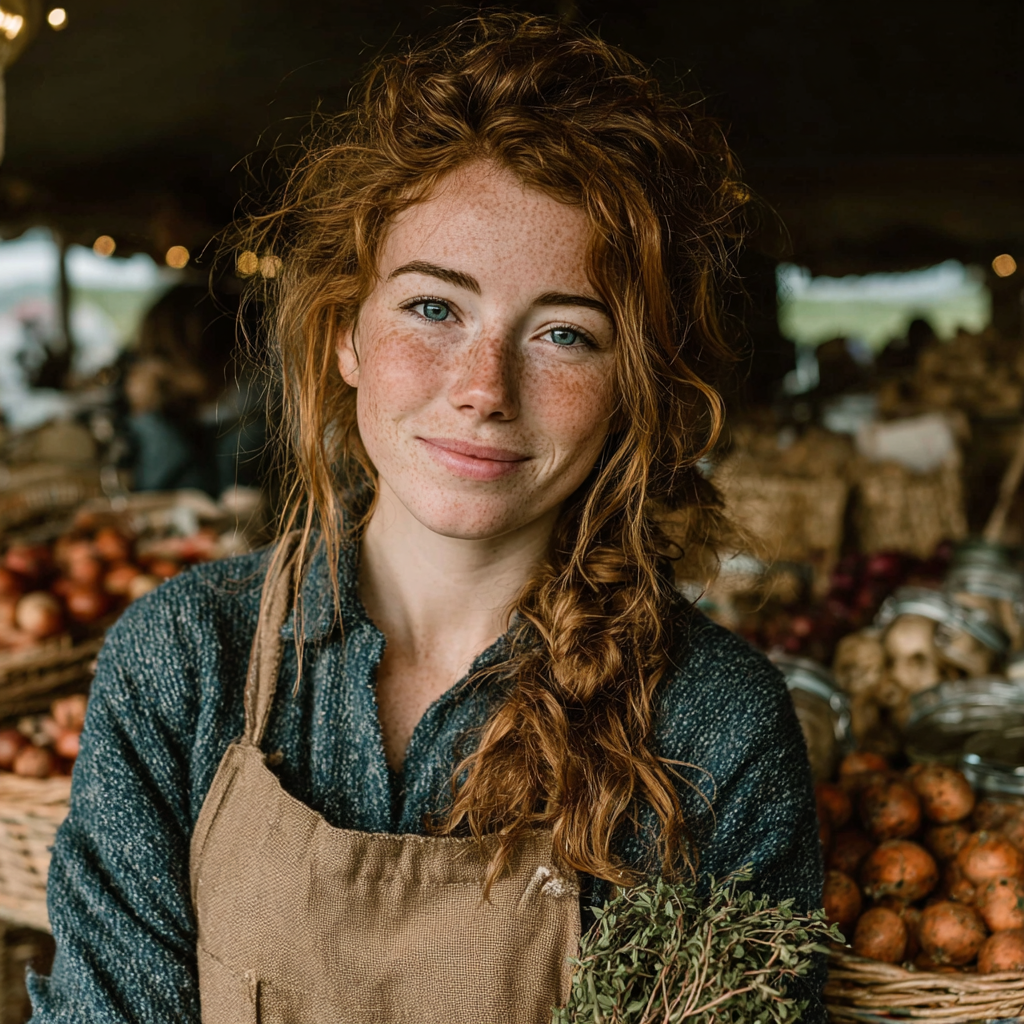
By Sophie Brennan
Irish food writer and historian based in Lisbon. Sophie combines her background in medieval history with a passion for contemporary gastronomy. She has written for Condé Nast Traveller and authored two cookbooks exploring Celtic and Iberian culinary traditions.