
Madrid: Spain's High-Plateau Capital, Where 300-Year-Old Ovens Still Burn and the Nights Refuse to End
Author: Elena Vasquez — Madrid Correspondent, 16 Years
I moved to Madrid on a Tuesday in March, chasing a love that didn't last but a city that did. Sixteen springs later, I still get lost on purpose in the narrow streets around Plaza Mayor, still argue with the bartender at my local taberna about whether his tortilla is better than mine (it isn't), and still believe that no other European capital understands joie de vivre the way this plateau city does at 650 meters above sea level. Madrid doesn't have a beach. It doesn't have a famous river. What it has is an unshakeable conviction that life is meant to be lived outdoors, with a glass of vermouth in hand, until the waiter finally kicks you out at 2 AM.
This isn't a checklist. It's a framework for understanding a city that rewards curiosity over planning, appetite over restraint, and stamina over punctuality.
What Madrid Actually Is
Madrid is Spain's political and cultural capital, a city of 3.3 million that swells to absorb visitors without ever feeling like it's performing for them. Unlike Barcelona's self-conscious beauty or Seville's romantic intensity, Madrid is defiantly urban — a grid of grand boulevards and hidden alleyways built on the site of a 9th-century Moorish fortress.
The city operates on a schedule that will destroy you or convert you. Lunch starts at 14:00. Dinner at 21:00 is early. The metro runs until 01:30 weeknights but stays open all night on Fridays. Madrileños don't sleep less than other Europeans — they just redistribute their waking hours differently.
Spring (March through May) is the sweet spot. Temperatures hover between 15°C and 25°C, jacarandas burst into purple bloom, and the terraza culture kicks into gear. San Isidro in mid-May is the city's biggest festival, filling the streets with chotis dancing and outdoor concerts. But honestly? Any month works. Madrid's personality is weatherproof.
The Golden Triangle of Art: Where Spain Kept the Good Stuff
Museo del Prado
Address: Calle de Ruiz de Alarcón, 23, 28014 Madrid Phone: +34 913 302 800 Hours: Mon–Sat 10:00–20:00, Sun 10:00–19:00 Admission: €15 (reduced €7.50); free Mon–Sat 18:00–20:00, Sun 17:00–19:00 Metro: Atocha (Line 1) or Banco de España (Line 2)
The Prado isn't just Spain's best museum — it's arguably the world's finest collection of Spanish art, full stop. Velázquez's Las Meninas hangs in Room 12, and I still get chills every time I see tourists round the corner and physically stop walking when they spot it. Bosch's Garden of Earthly Delights in Room 56A is stranger and more disturbing than any reproduction prepares you for. Goya's The Third of May 1808 in Room 64 still functions as an anti-war scream 200 years later.
Pro move: The free evening hours are packed but manageable if you arrive at 17:45 and head straight for Velázquez. Book online in advance for daytime visits (€15). The café in the Jerónimos wing has garden views and surprisingly decent coffee.
Museo Nacional Thyssen-Bornemisza
Address: Paseo del Prado, 8, 28014 Madrid Phone: +34 914 203 944 Hours: Tue–Sun 10:00–19:00, Sat until 20:30, Mon 12:00–16:00 (free) Admission: €13 (reduced €9); free Mondays 12:00–16:00 Metro: Banco de España (Line 2)
Where the Prado is Spanish, the Thyssen fills the gaps. Carpaccio's Saint George and the Dragon, Van Eyck's precision, Monet's light studies, Hopper's isolation — it's a Western art survey course in a single building. The free Monday window is sponsored by Mastercard and draws a crowd, but the museum handles it well.
Museo Reina Sofía
Address: Calle de Santa Isabel, 52, 28012 Madrid Phone: +34 917 741 000 Hours: Mon, Wed–Sat 10:00–21:00, Sun 10:00–14:30; closed Tuesdays Admission: €12 (reduced €6); free Mon, Wed–Sat 19:00–21:00, Sun 13:30–19:00 Metro: Atocha (Line 1) or Lavapiés (Line 3)
Picasso's Guernica is the draw, and it delivers. The black-and-white canvas, painted in response to the Nazi bombing of the Basque town during the Spanish Civil War, fills Room 205 with a fury that hasn't dimmed. The surrounding preparatory sketches reveal his process in raw detail. Don't miss the Nouvel Building addition — the red-and-glass architecture, rooftop terrace views, and the peaceful Sabatini Gardens courtyard.
The Royal Madrid That Still Knows How to Flex
Royal Palace of Madrid
Address: Calle de Bailén, s/n, 28071 Madrid Phone: +34 914 548 700 Hours: Apr–Sep 10:00–19:00 daily; Oct–Mar 10:00–18:00 Admission: €14 (palace only), €21 (with Royal Kitchen) Free: Mon–Thu 17:00–19:00 (Apr–Sep) or 16:00–18:00 (Oct–Mar) for EU citizens/residents Metro: Ópera (Lines 2, 5)
Europe's largest functioning palace by floor area — 3,000 rooms across 135,000 square meters. The Spanish royal family hasn't lived here since the 1930s (they're at the more modest Zarzuela Palace), but this remains the official residence for state ceremonies. Built between 1738 and 1755 on the site of the old Alcázar after it burned down in 1734, the palace is Spanish Baroque with Neoclassical elements by Italian architect Filippo Juvara and his pupil Juan Bautista Sachetti.
The Throne Room's Tiepolo ceiling, the Gasparini Room's 18th-century floral decoration, and the Royal Chapel's Stradivari instruments are the highlights. But the recently reopened Royal Kitchen is what I keep coming back for — the oldest well-preserved royal kitchens in Europe, with copper cookware and ceramic storage jars that tell a more intimate story than any throne room.
Changing of the Guard: Wednesdays and Saturdays at 12:00 (weather permitting). The solemn changing happens the first Wednesday of each month. Both are free from the courtyard.
Retiro Park (Parque del Retiro)
Nearest Metro: Retiro (Line 2), Ibiza (Line 9), or Atocha (Line 1) Hours: Apr–Sep 06:00–00:00; Oct–Mar 06:00–22:00 Admission: Free
Madrid's 125-hectare green lung was a royal retreat in the 17th century; now it's everyone's outdoor living room. Spring visits should include the Rosaleda (rose garden) — 4,000 roses, 1,000 varieties, peak bloom late May through June — and the Palacio de Cristal, an 1887 glass-and-iron pavilion inspired by London's Crystal Palace that hosts temporary contemporary art. The Estanque Grande rents rowboats for €6.00 per 45 minutes. The Palacio de Velázquez is another Reina Sofía exhibition space worth checking.
Local secret: The Fallen Angel statue sits at 666 meters above sea level and is said to be the only public monument to the devil in the world. Madrileños have turned the number into a running joke.
The Food: From 300-Year Ovens to Michelin Stars
Madrid's cuisine is stubbornly traditional. This is not a city that chases trends. It's a city that perfects — or at least fiercely defends — what it's always done.
Restaurante Botín
Address: Calle de Cuchilleros, 17, 28005 Madrid Phone: +34 913 664 217 Hours: Daily 13:00–16:00, 20:00–23:00 Price: €40–€60 per person Reservations: Essential at botin.es
Guinness-certified oldest continuously operating restaurant in the world, founded 1725. The wood-fired oven has burned for nearly 300 years without interruption. Hemingway mentioned it in The Sun Also Rises. The cochinillo asado (roast suckling pig) and cordero asado (roast lamb) are the reasons you come. The sopa de ajo (garlic soup) is what I order when I need comfort on a rainy Tuesday.
Casa Lucio
Address: Calle de la Cava Baja, 35, 28005 Madrid Phone: +34 913 653 252 Hours: Daily 13:00–16:00, 20:30–23:30 Price: €50–€70 per person
Spanish royalty and celebrities eat here. The definitive huevos rotos — broken eggs over fried potatoes — arrive in a clay dish that stays hot for twenty minutes. Lucio himself still patrols the dining room some evenings, checking that his potatoes are fried to his exacting standard.
Lhardy
Address: Carrera de San Jerónimo, 8, 28014 Madrid Phone: +34 915 221 158 Founded: 1839 Hours: Daily 13:00–16:00, 20:00–23:00 Price: €35–€50 per person
Serving Madrid's elite for nearly two centuries. The ground-floor deli does quick tapas lunches; the upstairs dining room offers gilded traditional Madrileño cuisine. Try the callos a la madrileña (tripe stew) — it's a dish that divides visitors and unites locals.
Mercado de San Miguel
Address: Plaza de San Miguel, s/n, 28005 Madrid Hours: 10:00–00:00 (Sun–Wed), 10:00–01:00 (Thu–Sat) Website: mercadodesanmiguel.es
Restored 1916 iron-and-glass market hall. Touristy and more expensive than local markets, but the quality is exceptional. Joselito Jamón Ibérico (€15–€25 per plate), Galician oysters (€2.50 each), Casa Revuelta croquetas (€2.50 each). Budget €25–€40 for a satisfying lunch with drinks.
Alternative: Mercado de la Cebada (Plaza de la Cebada, Metro La Latina) is where locals actually shop. Less polished, significantly cheaper.
Tapas Route in La Latina
Nearest Metro: La Latina (Line 5)
The narrow streets around Calle Cava Baja and Calle Cava Alta are Madrid's spiritual home of tapas. My route:
- Taberna La Concha (Calle Cava Baja, 7) — vermouth and olives to start
- Casa Lucas (Calle Cava Baja, 30) — market-fresh ingredients, modern execution
- Txirimiri (Calle del Humilladero, 6) — Basque-style pintxos
- El Almendro 13 (Calle del Almendro, 13) — legendary tortilla and huevos rotos
- Taberna Tempranillo (Calle Cava Baja, 38) — wine selection and cheese boards
Budget €20–€30 per person for a full evening of hopping.
Chocolatería San Ginés
Address: Pasadizo de San Ginés, 5, 28013 Madrid Phone: +34 913 656 546 Hours: 24 hours (closed briefly for cleaning) Price: €4.50 for chocolate with 6 churros
Since 1894. The hot chocolate is thick enough to stand a spoon in, and the churros are fried to order. Go before 10:00 to avoid queues. The belle époque interior with marble tables hasn't changed in my lifetime.
The Neighborhoods: Where Madrid Actually Lives
Malasaña
Nearest Metro: Tribunal (Lines 1, 10) or Bilbao (Lines 1, 4)
The neighborhood that birthed the Movida Madrileña counterculture movement of the 1980s remains Madrid's alternative heart. Calle del Espíritu Santo has vintage clothing and record stores. Plaza del Dos de Mayo is where locals actually hang out. The Conde Duque Cultural Center hosts contemporary art and events. I lived here for six years and still find new graffiti murals every month.
Dinner pick: Angelita (Calle de la Reina, 4; +34 910 500 878; €50–€70) — creative Spanish cuisine with an 800+ wine list.
Chueca
Nearest Metro: Chueca (Line 5)
Madrid's LGBTQ+ neighborhood is also one of its most welcoming. The streets around Plaza de Chueca are packed with independent boutiques and stylish cafés. The Museo del Romanticismo (€3.00, free Saturdays) has 19th-century art in a restored mansion.
Lavapiés
Nearest Metro: Lavapiés (Line 3)
The multicultural neighborhood around the Reina Sofía offers Madrid's most diverse dining. El Sur (Calle de Torrecilla del Leal, 12; +34 914 678 031; €15–€25) does excellent traditional tapas. El Estragón (Plaza de la Paja, 10; +34 913 658 982; €20–€30) is the best vegetarian option near the center.
Chamberí
Nearest Metro: Iglesia (Line 1) or Rubén Darío (Line 5)
Where Madrileños actually live and eat. Restaurante Sacha (Calle de Jorge Juan, 25; +34 915 744 954; €50–€70) is a city institution — market-fresh cuisine that changes daily, run by the charismatic Sacha himself. Reservations essential. El Paraguas (Calle de Jorge Juan, 16; +34 915 772 409; €40–€60) does Asturian fabada and cider.
Toledo: The Day Trip That Justifies Itself
By AVE High-Speed Train: Madrid Atocha to Toledo, 33 minutes, €15–€30 each way. Book at renfe.com. Trains run every hour until approximately 22:00.
Toledo is the best day trip from Madrid — a UNESCO hilltop fortress city 30 minutes away that preserves 500 years of Christian, Jewish, and Muslim coexistence. Spring wildflowers on the surrounding hillsides make April and May ideal.
Toledo Cathedral (Catedral Primada)
Address: Calle Cardenal Cisneros, 1, 45002 Toledo Phone: +34 925 222 241 Hours: Mon–Sat 10:00–18:30, Sun 14:00–18:30 Admission: €12.50 (includes audio guide)
Built between 1226 and 1493 on a Moorish mosque site, this is one of Spain's finest Gothic cathedrals. The Transparente by Narciso Tomé is a Baroque architectural wonder that channels light through multiple stone levels. The Sacristy contains El Greco, Goya, Van Dyck, and Titian.
El Greco in Toledo
Museo del Greco: Calle de Samuel Leví, 3; €4.00; Tue–Sat 09:30–19:30, Sun 10:00–15:00 Santo Tomé Church: Plaza del Conde, 4; €4.00; daily 10:00–18:00; home to The Burial of the Count of Orgaz
The Alcázar of Toledo
Address: Calle de la Unión, s/n, 45001 Toledo Phone: +34 925 238 800 Hours: Daily 10:00–17:00 (Oct–Mar), 10:00–19:00 (Apr–Sep) Admission: €14 (reduced €7); free Mondays 12:00–14:00
A fortress on Toledo's highest point that has served as Roman palace, Moorish citadel, and royal residence. Now houses the Museum of the Army. The Café del Alcázar terrace has panoramic views over the Tagus River.
Lunch in Toledo
Restaurante Adolfo: Calle de los Reyes Católicos, 15; +34 925 227 321; €40–€60; Michelin-recommended, 12th-century Jewish house.
Budget option: Bar Ludeña (Calle de Santa Fe, 10; €15–€25) — excellent tapas near the cathedral.
Must-try Toledo specialties: Carcamusas (pork stew with peas — Toledo's signature tapa), cordero asado, queso manchego, marzipan.
Flamenco: The Real Thing
Corral de la Morería Address: Calle de la Morería, 17, 28005 Madrid Phone: +34 913 658 446 Price: €50–€90 (includes dinner and show) Website: corraldelamoreria.com
The most famous flamenco venue in the world, hosting legends since 1956. The show is spectacular; the prices reflect the prestige.
Cardamomo Address: Calle de Echegaray, 15, 28014 Madrid Phone: +34 915 239 485 Price: €25–€45 (show only)
Intimate setting with excellent young artists. More affordable, more experimental.
Free option: La Solea (Calle de Cava Baja, 27) — free flamenco performances Sunday evenings.
What to Skip
- Restaurants on Plaza Mayor itself. The terrace cafés charge tourist premiums for mediocre food. Walk three minutes to Botín or any spot on Calle Cava Baja instead.
- El Rastro after 11:00 on Sundays. Madrid's famous flea market draws pickpockets and junk after the early morning. Arrive at 9:00 or skip it.
- The Teleférico de Madrid (cable car). €6.00–€9.00 for 11 minutes to Casa de Campo park. The views are fine; the maintenance is questionable and the queue rarely justifies the payoff. Walk up to Templo de Debod instead.
- Tourist-trap flamenco on Gran Vía. The €25 shows with fixed menus and castanets-for-sale in the lobby are not flamenco. Go to Cardamomo or Corral de la Morería, or skip it entirely.
- The Cibeles Palace observation deck. €3.00 for views that are inferior to what you get for free at the Circulo de Bellas Artes rooftop (€6 with a drink) or Templo de Debod at sunset.
- Segovia as a rushed day trip. It's 90 minutes by bus and deserves a full day for the aqueduct, cathedral, and alcázar. If you only have one day trip slot, choose Toledo.
- Generic churros at tourist stands near Puerta del Sol. San Ginés costs €4.50 and has been doing this since 1894. The stands near Puerta del Sol charge the same for frozen, reheated dough.
Practical Logistics
Getting Around
Metro: 12 lines, clean, safe, extensive. Single ticket €1.50–€2.00; 10-trip Metrobús €12.20; tourist pass (1–7 days) €8.40–€35.40. Runs 06:00–01:30 weeknights, all night Fri–Sat.
Taxi: White with red diagonal stripe. Airport flat rate €33.00 to city center. Apps: Free Now, Cabify, Uber.
Walking: Central Madrid is compact. Most major attractions are within 30 minutes of each other.
Budget Breakdown (Per Day)
| Category | Budget | Mid-Range | Luxury |
|---|---|---|---|
| Accommodation | €40–€80 | €100–€200 | €300+ |
| Meals | €25–€40 | €60–€100 | €150+ |
| Attractions | €10–€20 | €30–€50 | €80+ |
| Transport | €5–€10 | €15–€25 | €50+ |
| Daily Total | €80–€150 | €200–€375 | €580+ |
Money-saving tips: Many museums offer free evening hours. The menú del día (set lunch menu) at traditional restaurants runs €12–€18. Supermarkets (Mercadona, Carrefour) work for picnic supplies.
Accommodation Strategy
First-timers: Sol, Opera, or Huertas — walking distance to everything. Food-focused: La Latina or Malasaña. Budget: Lavapiés or Chamberí. Luxury: Salamanca district (Serrano, Velázquez streets).
Language & Etiquette
Spanish (Castilian) is official. English works in tourist areas, but effort is appreciated.
- Hola / Gracias / Por favor — basics that go far
- La cuenta, por favor — "The bill, please" (you won't get it otherwise)
- Una mesa para dos — "A table for two"
Tipping: Round up for drinks; 5–10% for meals at most; nothing expected at tapas bars.
Safety
Madrid is generally very safe. Pickpockets work El Rastro, the metro, and crowded terrazas. Keep bags closed and in front. Avoid unlicensed taxis. The 112 emergency number works across the EU.
Festivals Worth Planning Around
- Semana Santa (Holy Week): March/April. Solemn processions, some restaurants closed Easter Sunday.
- San Isidro: May 15. Madrid's biggest festival — chotis dancing, outdoor concerts, locals leaving town.
- Día del Libro: April 23. Book fairs and Cervantes-related events.
The Sunset I Still Chase
After sixteen years, my favorite Madrid moment hasn't changed. It's the hour before sunset at Templo de Debod — an authentic ancient Egyptian temple, dismantled and rebuilt stone by stone in Parque del Oeste as a gift from Egypt in 1968. The stone walls glow golden, the reflecting pool mirrors the western skyline, and the Royal Palace and Almudena Cathedral frame the view.
It's free. It's open until 20:00 in spring. And it captures what Madrid does better than anywhere else: taking something improbable, placing it exactly where it shouldn't work, and making it feel inevitable.
That, more than any itinerary, is the city I want you to meet.
Buen viaje.
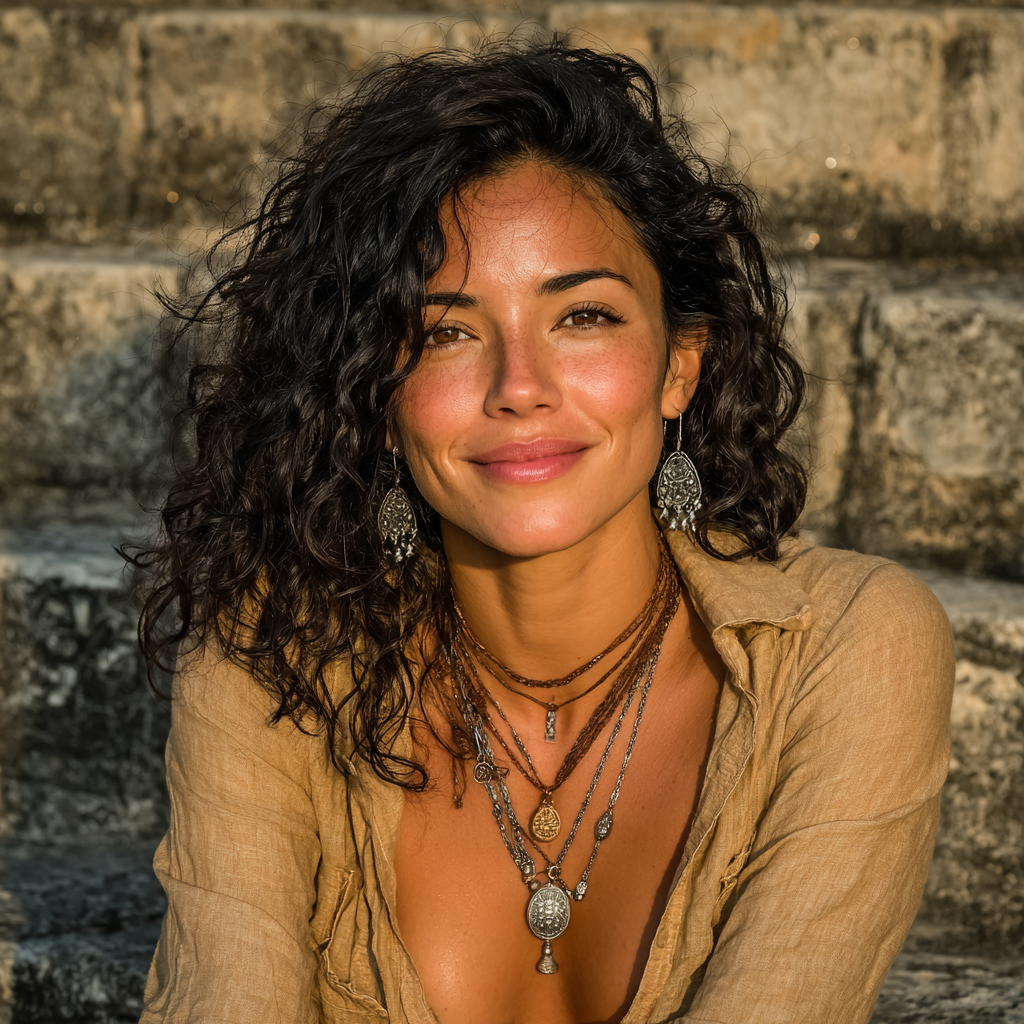
By Elena Vasquez
Cultural anthropologist and culinary storyteller. Elena spent a decade documenting traditional cooking methods across Latin America and the Mediterranean. She holds a PhD in Ethnography from Barcelona University and believes the best way to understand a place is through its kitchens and ancient streets.