
Seoul Solo: Where Eating Alone Is Normal, the Subway Apologizes for Delays, and Safety Is Boring in the Best Way
Most cities make you feel alone. Seoul makes you feel solo. There is a difference. Alone is what happens when a city ignores you. Solo is what happens when a city built its infrastructure around the assumption that plenty of people would be navigating it by themselves. After six years of traveling alone through fifty-plus countries, I can tell you that distinction matters. Seoul is one of the easiest cities in the world for a woman traveling by herself. That does not mean it is perfect. It means the obstacles are predictable, the solutions are systematic, and the worst thing likely to happen is spending too much money on sheet masks.
Safety: Boring in the Best Way
The first thing you need to know is that Seoul is safe in a way that almost becomes uninteresting. I have walked home at two in the morning through back alleys in Hongdae, drunk on soju and bad decisions, and the only thing that threatened me was a convenience store temptation. Violent crime against tourists is rare. That said, safety is not the same as comfort. Some alleys are poorly lit. Some motel districts feel sketchy after midnight. Some bars in Itaewon get rowdy when the crowd spills onto the street. Use the same radar you would anywhere else. The difference is that in Seoul, your radar can relax.
There is one specific concern worth naming. South Korea has a documented problem with molka, tiny spy cameras planted in private spaces, including some motel rooms and public restrooms. I avoid love motels and unvetted short-term rentals entirely. Stick to established hostels, guesthouses, or business hotels. City-run safe-checkup centers with camera-detecting equipment exist at major transit hubs if you want reassurance. The risk at reputable accommodation is low, but the consequence is high enough that I do not gamble on it.
If something does go wrong, dial 112 for police or 119 for fire and medical. The Korea Travel Hotline (1330, press 1 for English) runs 24/7 and can help with everything from translation to reporting a lost passport. Save both numbers before you land.
Where to Stay
Where you stay defines your Seoul. Hongdae is the default for solo travelers under thirty. It is loud, cheap, creative, and dense with hostels. Original Backpackers at 50-6, Baekbeom-ro, Mapo-gu, runs about ₩22,000–28,000 for a dorm bed and has a rooftop where people actually talk to each other. Zzzip Guesthouse nearby offers female-only dorms for a few thousand won more, worth it if you want sleep over socializing. If you are over thirty or just done with hostel common rooms, Myeongdong has business hotels like Step INN Myeongdong 1, where a single room runs ₩45,000–60,000 and puts you five minutes from the metro. For digital nomads who need laptop space and quiet, Seongsu is the move. The neighborhood is warehouse cafés and converted factories. Coffee costs ₩5,500 instead of ₩4,000, but the Wi-Fi is faster and nobody judges you for working alone for four hours. Metro Line 2 runs straight through it.
Eating Alone: A Market Segment, Not a Tragedy
Eating alone in Seoul is not an embarrassment. It is a market segment. Look for the sign 혼밥 환영. It means solo diners welcome, and it appears on more restaurant doors than you would expect. Korean barbecue is the obvious hurdle. Most BBQ places expect groups of two or four. The workaround is to go at lunch, when many spots offer single-portion sets for ₩12,000–16,000. Or head to Gwangjang Market at 88 Changgyeonggung-ro, Jongno-gu, where the food stalls do not care how many people you brought. Order mayak gimbap, the tiny seaweed rolls at ₩1,000–1,500 each, which live up to their nickname of drug gimbap because they are genuinely addictive. Get knife-cut noodles in garlic broth for ₩8,000–10,000. Sit on a plastic stool next to an ajumma who will refill your soy sauce without asking.
For dinner alone, ramen shops are your friend. Most have counter seating facing the kitchen, which is the solo diner's best configuration. A bowl of tonkotsu or spicy Korean ramen runs ₩9,000–13,000. If you want something warmer, seolleongtang (ox-bone soup) restaurants near Seoul Station serve a filling bowl for ₩10,000–13,000, and solo diners are the norm, not the exception.
Convenience stores are not a last resort here. They are a legitimate dining tier. CU and GS25 sell triangular kimbap for ₩1,200–1,800, instant ramen with free hot water stations, and surprisingly decent wine. Buy a bottle of makgeolli, and join the locals on the Han River grass. That dinner costs under ₩10,000 and comes with a sunset.
One more trick: the Naver Map app has a solo-dining filter. Some traditional restaurants still turn away single diners at dinner, especially BBQ spots outside the central neighborhoods. The filter saves you the walk of shame. Alternatively, Korean food delivery apps like Coupang Eats and Baemin deliver incredible meals to your hotel for under ₩15,000 total. You will need a Korean phone number to register, which is one more reason to get a local SIM.
Getting Around: The Subway Is Why Solo Travel Here Works
The subway is Seoul's great equalizer. It is clean, punctual, air-conditioned, and announces stops in English and Korean. A T-money card costs ₩3,000–4,000 at any convenience store and works on subways, buses, taxis, and some vending machines. Reload at station kiosks or any GS25. The base fare with T-money is ₩1,550, and most tourist journeys top out around ₩2,000–2,500. Single-journey tickets cost ₩1,650, so the card pays for itself quickly. If you are staying a week and plan to ride heavily, the Climate Card offers unlimited subway and bus rides for ₩20,000 over seven days, plus ₩3,000 for the physical card at station machines.
Buses cost ₩1,500 with a card. The city bus network fills gaps the subway leaves, but route numbers are Korean-first. Naver Map handles real-time bus arrivals in English.
Taxis are honest and metered, base fare ₩4,800. Use Kakao T to hail one if you cannot flag one down. Late at night from Hongdae to Myeongdong runs about ₩8,000–12,000. Solo female travelers can also request the women-only taxi option in the Kakao T app, marked with a pink icon.
Some subway lines have women-only cars, marked by pink signage, usually the last car on the train. They run during rush hour and late at night. Use them if you want to. The cars are not segregated by law, just by social contract, and that contract is generally respected.
From Incheon Airport, the AREX express train to Seoul Station costs ₩4,850 and takes 43 minutes nonstop. The all-stations version is ₩4,500 and takes about 60 minutes. Both are clean, safe, and have luggage racks. This is the best airport transfer in Asia, full stop.
Here is the catch. Google Maps does not work well in Seoul. Military restrictions on mapping data mean Google is half-blind. Download Naver Map or KakaoMap before you arrive. Both have English modes. Papago is the translation app that will save you when the menu has no pictures. These three apps are non-negotiable. Without them, you will spend your first day lost. With them, you navigate like a local by day three.
What to Actually Do Alone
Start with the palaces. Gyeongbokgung at 161 Sajik-ro, Jongno-gu, opens at 9:00 AM and closes between 5:00 and 6:30 PM depending on season. It is closed Tuesdays. Entry is ₩3,000, but wear a rented hanbok and walk in free. Rental shops cluster around Anguk Station and the lanes toward Bukchon. A traditional hanbok runs ₩15,000–25,000 for two hours, ₩30,000–35,000 for the full day, and most shops include hairstyling. If you plan to visit more than one palace, the integrated palace ticket at ₩10,000 covers all four paid palaces plus Jongmyo Shrine and is valid for three months. The changing of the guard ceremony happens at Gwanghwamun Gate at 10:00 AM and 2:00 PM daily except Tuesdays. Arrive fifteen minutes early or you will see only phones.
Gyeongbokgung also opens for night viewing several weeks each spring and autumn. Night admission runs 7:00–9:30 PM, costs the same ₩3,000, and requires advance booking through Interpark. The palace lit from within, reflected in Gyeonghoeru Pavilion's pond, is worth the planning. Nearby Changgyeonggung is quieter at ₩1,000 and has a beautiful greenhouse. Changdeokgung's Secret Garden tour requires a reservation and is the one guided tour I recommend without hesitation.
Bukchon Hanok Village is ten minutes uphill from the palace. It is beautiful and overcrowded by 11 AM. Go early or go late. The tea houses on the steep lanes charge ₩7,000–9,000 for yuzu tea and let you sit as long as you want.
N Seoul Tower on Namsan is worth it only if you hike up rather than cable up. The stone trail from Myeongdong takes forty minutes and costs nothing. The observatory at the top costs ₩29,000 for adults, which is steep, but the panoramic nightscape of a city the size of Seoul is genuinely impressive. The cable car round-trip is ₩15,000 if your legs disagree with the hike. Buy a padlock at the base for ₩5,000 if you are sentimental, or just watch the couples and enjoy the view solo.
Dongmyo Flea Market near Dongmyo Station is for solo travelers who like digging through other people's pasts. Vintage denim, army jackets, cassette tapes, film cameras. Most vendors open by 10 AM and pack up by 5 PM. Haggle politely. It is expected. I found a perfect 1990s Lee denim jacket for ₩15,000 that I still wear.
The Han River parks are Seoul's communal living room. Rent a bike at Yeouido for ₩3,000 an hour. Buy instant ramen at the convenience store, use the free boiling-water station, and eat on the grass while watching people fly kites. This is not a tourist activity. This is what locals do every weekend. Doing it alone puts you in the majority, not the minority.
The Jjimjilbang: Your Secret Weapon
The twenty-four-hour jjimjilbang bathhouses are the solo traveler's ace. Dragon Hill Spa at 40 Hangang-daero 21na-gil, Yongsan-gu (Yongsan Station, Exit 1), charges ₩15,000 for day entry and ₩20,000 after 8 PM, which includes overnight sleeping on the heated floor. Seven floors of saunas, hot and cold pools, an outdoor terrace, and a cafeteria. It is the cheapest legal sleep in the city and a lifesaver after a late flight arrival. Siloam Sauna near Seoul Station (49 Jungnim-ro) is smaller and calmer at ₩15,000. For women-only, Spa Lei in Yeoksam (9 Gangnam-daero 95-gil) costs ₩20,000 and is premium throughout. Entry always includes the gender-separated bath floor, all sauna kilns, cotton uniform, and locker. Body scrubs cost ₩20,000–30,000 extra and are worth every won. Order the roasted egg (₩1,000) and sikhye sweet rice drink (₩2,000) from the snack bar. This is not optional. It is the jjimjilbang law.
What to Skip
Skip the shopping malls in Gangnam unless you have a specific reason. They are identical to malls everywhere else, just bigger. Skip the Lotte World Tower observatory. N Seoul Tower and the free Seoul City Hall observation deck give you the same skyline. Skip Myeongdong's street food if you are staying near Gwangjang Market, which is cheaper, older, and better. Skip the hop-on-hop-off bus. The subway already covers everything, and the commentary is dreadful. Skip booking a DMZ tour from a random street vendor. Use a reputable operator like Koridoor or the USO office at Camp Kim, and book ahead because spots fill fast. Skip Club Avenue in Gangnam if you are not with a group. The velvet-rope culture is real and solo women get screened harder. Hongdae bars are far more welcoming. Skip the Nami Island day trip unless you are a K-drama pilgrim. It is an artificial island with a zip line and a Metasequoia lane. The DMZ or Suwon Hwaseong Fortress are better day trips. Skip anyone trying to sell you a "traditional Korean cultural experience" package in Insadong. The same tea ceremony or craft workshop costs half as much if you book directly at the venue.
The Honest Budget
Seoul is not cheap by Asian standards. A dorm bed costs what a private room costs in Vietnam. A decent meal out runs ₩15,000–25,000. Coffee is ₩4,500–6,000. Budget ₩80,000–110,000 per day if you want to sleep indoors and eat well. You can cut that to ₩55,000 if you live on convenience store food, ride the subway everywhere, and skip the cocktails, but why come to Seoul for that? At roughly ₩1,400 to the US dollar (check current rates before you go), a realistic mid-range day is $60–80 including accommodation, food, transit, and one paid activity. Cards are accepted almost everywhere, including markets, but carry ₩20,000–30,000 in cash for jjimjilbang entry, small stalls, and taxi shortfalls.
Getting In: Visas and Entry 2026
Here is where the rules changed. As of 2026, the K-ETA requirement is temporarily waived through December 31, 2026 for citizens of 22 countries including the US, UK, Canada, Australia, and most of the EU. That means most Western passport holders can show up visa-free for up to ninety days with just a valid passport.
But there is a new mandatory step. Since January 2026, all foreign visitors must complete an e-Arrival Card within three days before arrival. It is free. Fill it out online at e-arrivalcard.go.kr. It takes about five minutes and replaces the old paper arrival card. Airlines will ask about it at check-in. Do not pay a third-party site to do this for you. The official form is free.
Your passport must be valid for at least six months beyond your entry date. If your nationality is not on the visa-waiver list, check the Korean embassy site in your country for the current K-ETA process and fees.
Practical Notes
SIM card: South Korea requires passport registration for all SIM purchases. At Incheon Airport, SK Telecom and LG U+ counters in the arrivals hall sell tourist SIMs with unlimited data. A 5-day SIM runs ₩27,500, 7-day ₩35,000, 10-day ₩38,500, and 30-day ₩71,500. eSIMs from international providers start around $4.50 per day if your phone supports them. A local SIM gives you a Korean number, which you need for Kakao T taxi registration and food delivery apps. Pick one up before you leave the airport.
Money: The won trades at roughly ₩1,400 per US dollar as of late 2026. ATMs at 7-Eleven and most bank branches accept foreign cards. Avoid standalone ATMs in nightlife districts, which sometimes add fees. T-money cards can be refunded at station machines for the ₩500 balance remainder.
Seasons: Spring (late March to early April) brings cherry blossoms and crowds. Autumn (late October) brings foliage and the best walking weather. Summer is humid and crowded. Winter is cold but manageable with a proper coat. The city does not shut down for snow. It just adds layers.
Apps: Naver Map (navigation), Papago (translation), Kakao T (taxis), KakaoMetro (subway maps), Coupang Eats (food delivery). Download all five before you land.
Etiquette: Do not tip. It is not done and can cause confusion. Do not eat while walking. Stand on the right side of escalators. Cover your mouth on crowded trains if you have a cough. Bow slightly when greeting someone older. These small gestures earn enormous goodwill.
The Last Word
If I had to give one piece of advice, it would be this. Seoul rewards the traveler who plans logistics and then lets the days unspool. Have your apps ready, your T-money card loaded, and three neighborhoods you want to see. Then wander. The city is dense enough that you will find something interesting within two blocks of any subway exit. A cat café. A vintage record shop. A grandmother selling hotteok from a cart that has been there since 1987. That is the Seoul that makes solo travel feel like a superpower. Not the palaces or the tower. The moment you realize you are not lost. You are just alone, in a city that knows exactly how to handle that.
My name is Maya Johnson. I have been traveling alone for six years. Seoul is one of the few cities where I did not feel like I was proving something by doing it solo. I was just traveling, and the city happened to be built for people like me. That is rarer than it should be.
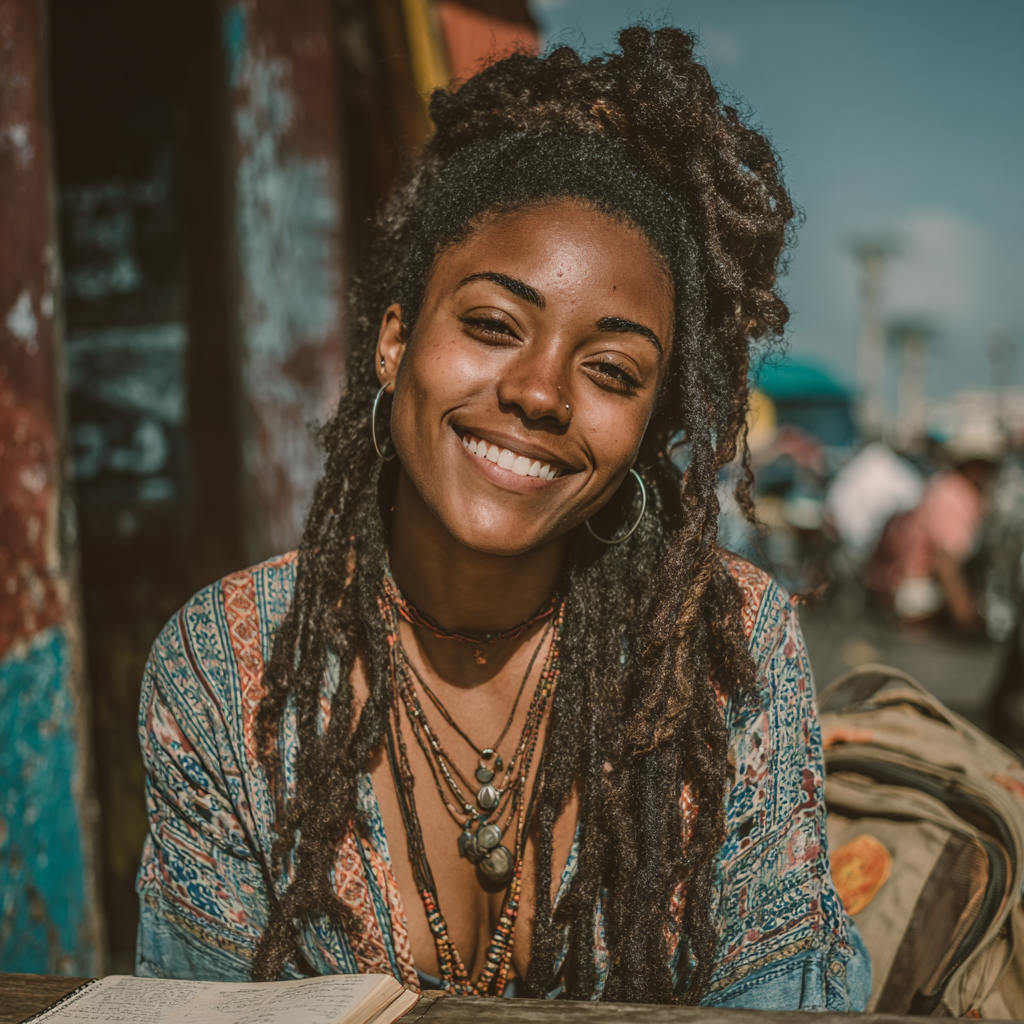
By Maya Johnson
Solo travel evangelist and digital nomad veteran. Maya has spent six years traveling alone across 50+ countries on a freelance writer budget. She writes honest, practical guides for women who want to explore the world independently and safely.