
Seoul Unpacked: Where Palace Stones Meet Pojangmacha Smoke — A Neighborhood Guide to Asia's Most Restless City
By Finn O'Sullivan
Ireland and Korea have something in common that most people miss: both are places where the old world refused to leave. In Ireland, we built pubs around medieval abbey walls. In Seoul, they built a subway station around a 600-year-old palace gate and called it Tuesday.
I'm Finn O'Sullivan, and I hunt for the stories guidebooks bury in footnotes. Seoul is my favorite kind of city—one that doesn't hand you its history on a platter. You have to walk the back alleys of Bukchon at dawn, listen to the ajummas argue over noodle prices in Mangwon Market, and sit in the grass at Yeouido Hangang Park with a convenience-store beer while office workers sing karaoke on the riverbank three meters away. Only then does Seoul start talking.
This guide moves through the city the way locals experience it—by neighborhood, not by checklist. The sections below work as an itinerary if you need structure, but they're really a map of the city's layers: royal, rebellious, traditional, and thoroughly, unapologetically modern. Pick what speaks to you. Skip what doesn't. Seoul has alternatives around every corner.
The Kingdoms Beneath Your Feet: Palaces, Hanok, and the Seoul That Refused to Disappear
Seoul's founding story is older than most European capitals. The Joseon Dynasty established it in 1392, and the city has been burned, occupied, flattened, and rebuilt multiple times since. The miracle is not that anything survived. The miracle is how much did.
Gyeongbokgung Palace (161 Sajik-ro, Jongno-gu; ₩3,000; open Wed–Mon 9:00–18:00 April–October, 9:00–17:00 November–March, last entry one hour before close; closed Tuesdays) is the largest and most significant of Seoul's five royal palaces. Arrive by 8:45 AM. The changing of the guard ceremony happens at 10:00 AM at Gwanghwamun Gate, and if you time it right, you'll watch men in scarlet uniforms march through an intersection where, five minutes earlier, a delivery scooter almost ran over a pedestrian.
Rent a hanbok from 3355 Hanbok near Gwanghwamun Station Exit 2 (open 8:30 AM; ₩15,000–25,000 for four hours). Palace admission is free if you're wearing one. The staff will dress you in layers of cotton and silk that feel surprisingly formal at 9:00 AM, but by noon you'll understand why—wearing traditional dress inside a 600-year-old throne room changes how the space reads. Don't rush. The Geunjeongjeon Hall is the largest wooden structure in Korea. The Gyeonghoeru Pavilion, floating on stone pillars above a reflective pool, is the building featured on the ₩10,000 bill.
If you have a second palace day, make it Changdeokgung (99 Yulgok-ro, Jongno-gu; ₩3,000; guided Secret Garden tour ₩5,000 extra, timed entry) rather than a repeat visit. It's the UNESCO-listed favorite among locals—less monumental, more human. The Secret Garden (Huwon) behind the palace requires a timed guided tour; the 90-minute loop past lotus ponds and scholar pavilions is worth every minute of standing in line.
Walk fifteen minutes east to Bukchon Hanok Village. This neighborhood of traditional hanok houses—curved tile roofs, wooden frames, heated floors—predates most of what's on a typical Seoul itinerary. The "Bukchon 8 Views" route is crowded by 11:00 AM. Instead, wander Gahoe-dong 31-gil and the streets around Choong Ang High School. People actually live here. Keep your voice down, don't lean on walls, and treat it like a neighborhood, not a theme park. If you want to sleep inside one of these houses, Rakkojae (98 Gyedong-gil, Jongno-gu; from ₩200,000/night) runs a 130-year-old hanok as a boutique guesthouse—ondol floors, paper windows, breakfast of rice porridge and side dishes included.
Twenty minutes south, Ikseon-dong is what happens when hanok houses fall into the hands of twenty-something chefs and ceramicists. The narrow alleys are lined with traditional tea houses, natural wine bars, and vintage clothing stores operating out of buildings that have stood since before the Korean War. Cafe Onhwa (26-18 Donhwamun-ro 11na-gil; open 11:00–21:00; tea ₩8,000–12,000) occupies a renovated 1930s house with a courtyard. Order a pot of omija tea and watch the neighborhood unfold—locals argue over parking, tourists take photos of cats, and somewhere a ceramicist is firing a kiln that predates her by a century.
Neighborhoods That Breathe: Insadong, Jongno, and the Seoul You Smell Before You See
Insadong (Anguk Station, Line 3, Exit 6) is the traditional culture district, and yes, the main street is touristy. That's not the point. The point is the side alleys: calligraphy studios where masters still grind their own ink, paper shops selling hanji made from mulberry bark, and tiny galleries hiding behind unmarked doors.
Stop at O'sulloc Tea House (main street, near Anguk Station; open 10:00–21:00; tea ₩8,000–12,000). This Jeju Island-based company serves Korean green tea varieties most Westerners have never encountered—sejak, jungjak, ujeon—each with distinct harvest seasons and flavor profiles. Ask the server to explain the difference. They usually will.
By evening, Insadong empties and Jongno 3-ga wakes up. Take the subway to Jongno 3-ga Station (Lines 1, 3, 5) and exit at 5 or 6. What greets you is the last concentrated area of traditional pojangmacha street food tents in central Seoul—orange tarps, plastic stools, soju-fueled conversation, and ajummas who have been running the same stalls since the 1970s.
This is not Myeongdong's sanitized street food. This is the real thing. Order sundubu jjigae (soft tofu stew, ₩8,000) to combat the soju, or gamja-tang (pork bone stew, ₩12,000). The ajummas are gruff but warm—if you attempt a few words of Korean, you'll be adopted within minutes. Most tents open around 17:00 and stay active until midnight or later. Bring cash—many don't accept cards.
For a more atmospheric but less chaotic experience, head to Euljiro Nogari Alley near Euljiro 3-ga Station Exit 4 (open daily 17:00–02:00). Once an industrial neighborhood of printing presses and metalworkers, Euljiro has rebranded itself as "Hipjiro"—decades-old tents now sit next to craft breweries and speakeasy bars. Order nogari (dried young pollack) with gochujang sauce and cheap draft beer (₩3,000–5,000 per pitcher). The L-shaped alley of orange tents against a backdrop of industrial facades is one of Seoul's most honest scenes.
Gwangjang Market (88 Changgyeonggung-ro, Jongno-gu; open daily 9:00–22:00) is Seoul's oldest traditional market and the single best place to eat without a plan. The bindaetteok (mung bean pancakes, ₩4,000–6,000) and mayak gimbap (addictive mini rice rolls, ₩3,000 for a plate) are legendary for good reason. The vendors have been perfecting these recipes for decades. Watch one cook a pancake the diameter of a steering wheel on a griddle she's used for twenty years. That's not a show. That's Tuesday.
For the city's other great market—and its most theatrical meal—go to Noryangjin Fish Market (674 Nodeul-ro, Dongjak-gu; Noryangjin Station, Line 1; open 24 hours, liveliest 22:00–04:00). Pick a live octopus, crab, or flatfish from a tank, haggle gently, and carry it upstairs to any of the restaurants that will cook it for ₩5,000–10,000 per person. Sannakji (live octopus, ₩15,000–25,000) is the famous order—the tentacles still wriggle on the plate, and they stick to the chopsticks. It's confronting the first time. It's also sweet, fresh, and completely unforgettable.
The DMZ: Half a Day at the World's Strangest Border
An hour north of Seoul, the Korean Demilitarized Zone cuts the peninsula in half—and it is, without exaggeration, one of the strangest places on Earth. A 4-kilometer-wide strip of land mined, fenced, and patrolled on both sides has become an accidental nature reserve where cranes nest and wild boars roam, while underneath it, North Korea dug invasion tunnels that South Korean soldiers discovered one by one.
You cannot visit independently. Tours run daily but fill fast, and the good ones matter. Koridoor (USO) runs the most reputable operation (meet at President Hotel near City Hall, or Camp Humphreys; +82-2-6383-2570; koridoor.co.kr): their half-day DMZ tour (₩70,000/$50; about 6 hours) covers Imjingak Park, the Freedom Bridge, the Third Infiltration Tunnel—a 265-meter descent at a 11-degree grade into a tunnel wide enough for 30,000 soldiers an hour—and the Dora Observatory, where binoculars let you stare directly at North Korea's propaganda village. Their full-day JSA tour (₩168,000/$120) enters the Joint Security Area itself, where South Korean guards stand half-hidden behind buildings in taekwondo stance, and dates are announced only a month in advance. Book the moment dates open.
Go on a clear day—the views into the North depend on it. Wear closed-toe shoes for the tunnel and bring your passport; it's checked at multiple checkpoints. Dress respectfully (no ripped jeans, no sandals) and follow every instruction from the military escort. What stays with you isn't the military hardware. It's the silence of a place that should be a war zone and is, instead, the quietest place in Korea.
The Gangnam Paradox: Temples in the Shadow of Glass, K-Culture, and Seoul's Modern Mythology
No neighborhood better captures Seoul's contradictions than Gangnam. This is the district of plastic surgery billboards, entertainment agency headquarters, and apartment prices that make Manhattan look reasonable. It is also where a Buddhist temple founded in 794 AD survived the construction of skyscrapers and shopping malls.
Bongeunsa Temple (531 Bongeunsa-ro, Gangnam-gu; open daily 03:00–22:00; admission free; Bongeunsa Station, Line 9, Exit 1, 150m walk straight) should not exist where it exists. The 23-meter tall statue of Maitreya Buddha rises above a courtyard where monks still chant morning prayers, while across the street, the COEX Mall hums with consumerism. The templestay program (₩90,000 for overnight including meals, meditation, tea ceremony; book a week ahead via eng.templestay.org or +82-2-3218-4826) is one of Seoul's most accessible cultural immersion experiences. Even a one-hour visit—walking the meditation path, circling the bamboo groves, listening to the Dharma bell—feels like stepping through a portal.
Ten minutes away, Starfield COEX Mall and the Starfield Library are Instagram-famous for good reason: 50,000 books stacked behind 13-meter floor-to-ceiling shelves inside a shopping mall. It's free, open daily 10:30–22:00, and genuinely impressive as public architecture. Grab coffee, browse, accept that you're in a mall.
If K-pop brought you here, know that the pilgrimage moved. SM's old SMTOWN Coex Artium closed for good in 2020, and the experience rebuilt itself across town at KWANGYA@Seongsu (83 Seongsui-ro, Seongdong-gu; Ttukseom Station, Line 2; open 10:30–20:00, closed Mondays; ground floor free, upper-floor VR and fan experiences ₩20,000–30,000)—a sleek, slightly surreal shrine to the SM universe planted in the middle of Seongsu's warehouse-café district. In Gangnam itself, K-Star Road (Gangnam-daero, from Apgujeong Rodeo Station, Exit 2) lines the avenue with the painted "Gangnamdol" bear statues, one per famous act, and the side streets off Apgujeong still hold the vocal academies and agency buildings where trainee idols practice dance routines in basement studios you can sometimes glimpse through windows. It's a window into Korean beauty standards, conspicuous consumption, and the machinery of fame. You don't have to participate to observe.
Just west, Garosu-gil and Apgujeong Rodeo Street form the luxury corridor—ginkgo-lined blocks of flagship stores, concept cafes, and dessert shops where Seoul's fashion crowd comes to see and be seen. Window shopping here is a legitimate evening activity.
For dinner, Mapo Jeong Daepo (multiple locations including Gangnam; open 11:30–23:00; ₩15,000–20,000 per person) serves some of Seoul's most reliable Korean BBQ, or try Byeokje Galbi for high-end Hanwoo beef (₩50,000+ per person). If your budget is tighter, Seocho Myeongga does excellent pork belly for ₩15,000–20,000.
End the evening at a coin noraebang (private karaoke room). Unlike Western karaoke, you rent a private room with friends. Coin Noraebang locations (multiple in Gangnam and across the city) charge per song (₩500–1,000 each) rather than by the hour. Perfect for a quick session. The song catalogs include more English-language options than you'd expect.
Student Streets and Midnight Beer: Hongdae, Yeonnam-dong, Itaewon, and the Real Seoul After Dark
If Gangnam is Seoul's polished performance, Hongdae is the city in its sweatpants.
Hongdae revolves around Hongik University, and the neighborhood has absorbed decades of student energy—street performers setting up in Hongdae Playground on weekends, vintage boutiques operating out of converted residential units, K-beauty shops staffed by students who will explain skincare routines with genuine enthusiasm.
But the real discovery is Yeonnam-dong, five minutes north. The Gyeongui Line Forest Park—a former railway line turned linear greenway—runs through its center, nicknamed "Yeontral Park" by locals. On weekends, families picnic on benches, office workers jog, and couples walk dogs past cafes that line both sides.
SF Bagels (385-1 Yeonnam-dong, Mapo-gu; Mon/Thu/Fri 11:00–21:00, Sat–Sun 9:00–21:00; bagels ₩5,000–7,000) is run by a baker who brought her sourdough starter from San Francisco. Thanks, Oat (375-113 Yeonnam-dong; daily 12:00–21:00; granola bowls ₩10,000–14,000) sits directly on the park and was a filming location for the K-drama Romance Is a Bonus Book. Coffee Nap Roasters (70 Seongmisan-ro 27-gil, Mapo-gu; daily 9:00–22:00; coffee ₩5,000–7,000) hides a sculptural mound of bricks inside an otherwise minimalist space—when asked why, the barista reportedly said it was just their concept.
For dinner, Durumi (129-10 Donggyo-ro 51-gil; Mon–Fri 17:00–24:00, Sat–Sun 14:00–24:00; makgeolli and jeon ₩12,000–20,000) serves Korean pub food and house makgeolli in a space that feels like someone's living room. For something more adventurous, try gopchang (grilled intestines) at Cheongnyeon Gopchang near Hongdae (₩15,000–20,000 per person). It sounds intimidating. It's delicious—crispy, fatty, served with dipping sauces and soju.
Two subway stops south, Itaewon is Seoul's international district and its great melting pot. The main street climbs past the domed Seoul Central Mosque (open to respectful visitors outside prayer times; remove shoes, women cover hair), halal butchers, Persian restaurants, and the antique furniture shops clustered around Itaewon Antiques Street near the Hamilton Hotel—Korean chests, ceramics, and militaria spilling onto the sidewalk. This is where expat chefs open the restaurants they can't open anywhere else in Korea: ramen at Menya Sandaime, Korean-Mexican tacos at Vatos Urban Tacos, Persian kebab houses and halal grills along the main drag (most mains ₩12,000–20,000). The 2022 Halloween tragedy reshaped the neighborhood—crowd controls now limit access on holiday weekends—but the soul of the district, a place where every language is spoken on one hillside, remains intact.
Walk or bus to Mangwon Market (Mangwon Station, Line 6, Exit 2), a traditional market that hasn't been fully discovered by tourists yet. The bindaetteok, tteokbokki, and fried chicken here are excellent and cheap (₩3,000–8,000). Watch the vendors interact with regulars. This is community commerce in its final honest form.
End the night along the Han River. Take the subway to Yeouinaru Station (Line 5), walk to Yeouido Hangang Park, buy fried chicken and beer from a convenience store (chicken ₩15,000–20,000, beer ₩2,500–4,000), and find a spot on the grass. Watch the city lights reflect on the water while office workers sing off-key ballads at portable karaoke machines nearby. Seoul works hard, but it also knows how to relax. This is the summary of the city—the ancient river, the modern skyline, the simple pleasure of good food in good company.
Sweat, Eggs, and Sleep: The Jjimjilbang, Seoul's Great Equalizer
There is one Seoul experience where CEOs and students, grandmothers and tourists, all sit naked in the same hot pools: the jjimjilbang, the Korean bathhouse. No visit to this city is complete without one.
First, a warning: the internet is full of stale listings. The famous Dragon Hill Spa beside Yongsan Station—subject of a thousand pre-2020 listicles—never reopened after COVID, was officially delisted by Visit Seoul, and vanished from Naver Place in 2025. Booking sites still sell its tickets. Don't buy them. The experience itself is alive and well elsewhere.
The best central option is Itaewon Land (732-20 Hannam-dong, Yongsan-gu; ten minutes uphill from Itaewon Station, Line 6, Exit 1; open 24/7; ₩14,000 admission). It's been running since the 1970s and shows it—in the best way. Five floors of hot pools, sauna domes, salt rooms, and nap areas, frequented by everyone from local families to night-shift taxi drivers asleep on mats at 3:00 AM. If you're sleeping over in a jjimjilbang to save a hotel night, this is the classic place to do it.
Prefer newer and shinier? Sparex (Floors 8–10, Good Morning City, 226 Jangchungdan-ro, Jung-gu; Dongdaemun History & Culture Park Station, Lines 2/4/5; open 24/7; ₩13,000 day pass, ₩16,000 night) sits atop a Dongdaemun shopping mall and is built for visitors without losing its local clientele. Women traveling solo or in women-only groups should consider Spa Lei (5 Gangnam-daero 107-gil, Seocho-gu; Sinsa Station, Line 3, Exit 5; ₩20,000), an immaculate women-only spa where the hot pools and saunas are only half the point.
The process is simple once you accept the central fact: in the bathing areas, everyone is naked, and nobody cares. At the desk you pay, stash your shoes in a locker, and receive a wristband and a set of gray cotton shorts and shirt. The gender-separated bath floors hold pools of varying temperatures—hot (40–42°C), medium (38–40°C), and a bracing cold plunge—plus steam rooms and seated showers. Shower before you enter any pool; that's the one rule everyone enforces.
Once you've soaked and scrubbed, dress and head to the communal floors. This is where jjimjilbang becomes culture. Families in matching uniforms sweat in dome-shaped saunas built of salt, clay, and charcoal. Someone is always asleep on a mat in the corner—jjimjilbangs function as the cheapest overnight accommodation in the city, and plenty of Koreans do exactly that. Order sikhye (sweet rice drink, ₩2,000) and gyeran (roasted eggs, ₩1,500)—the snack pairing Koreans have eaten in bathhouses for generations—and claim a spot on the heated floor.
If you want the full treatment, book a body scrub (sesin) for ₩20,000–30,000. A Korean auntie in a black bra and shorts will scrub your entire body with a rough mitt, and for twenty minutes you will understand what a cast-iron pan feels like. You will emerge shedding skin you didn't know you had, softer than you have ever been. It's the most honest ₩25,000 you'll spend in Seoul.
Bukhansan and the Han: Nature Inside a Megacity
Most megacities make you leave to find nature. Seoul puts a national park inside its city limits.
Bukhansan National Park offers hiking trails that range from gentle walks to serious rock scrambles. The classic approach for Baegundae Peak (836m, 3–4 hours round trip, some steep rocky sections near the summit): take Line 4 to Suyu Station or the Ui–Sinseol LRT to Bukhansan Ui Station, then bus 704 or 720 to the Ui-dong trailhead. The reward is staggering: a 360-degree view over Seoul's urban sprawl, the Han River glinting in the distance, and the understanding that ten million people live in what you're looking at.
Start at 7:00 AM. Bring water, snacks, and proper hiking boots—sections are steep and rocky. There are no facilities on the trail. If the weather is bad or you're not up for the full hike, the park has gentler trails around Bukhansanseong Fortress that still offer excellent views without the scramble.
Alternatively, Seoul Forest (Ttukseom Station, Line 2) is Seoul's best urban park—deer enclosures, butterfly gardens, wetlands, bike rentals (₩3,000/hour). Olympic Park (Olympic Park Station, Line 5) holds sculptures and the stadiums from the 1988 Olympics, a reminder of how recently South Korea was considered a developing nation.
What to Skip
N Seoul Tower. The view is fine. The ₩16,000 admission and hour-long cable car wait are not. Every rooftop bar in Itaewon or Hapjeong offers comparable views with a drink in your hand.
Myeongdong shopping district. It was once interesting. Now it's skincare chains and street food priced for tourists. If you need cosmetics, buy them in Hongdae or at Olive Young locations anywhere else in the city.
Gangnam as a nightlife destination unless you have a specific reason. The clubs are expensive, the door policies are selective, and the atmosphere is performative. Hongdae and Itaewon offer better music and lower cover charges.
The cheapest DMZ tour you can find. The difference between a ₩40,000 operator and a ₩70,000 one is the difference between a rushed photo stop and a day with a guide who can explain why the border exists. This is not the place to economize.
Insadong on weekends after 14:00. The main street becomes a human traffic jam. Come early or explore the side alleys.
Banpo Bridge Rainbow Fountain. It's a bridge with colored lights. The photos look better than the reality.
Lotte World. It's a mall with a roller coaster. If you want amusement parks, Everland is larger and less claustrophobic.
Practical Logistics
Getting In: Incheon International Airport (ICN) connects to Seoul Station via the AREX Express (₩9,500, 43 minutes) or the all-stop train (₩4,150, 66 minutes). The Express is worth the extra cost if you're tired. Buy a T-money card at any convenience store (₩3,000 for the card; subway rides ₩1,550–2,000). It works on subway, bus, and taxi.
Getting Around: The subway system is extensive but stations are enormous—transfers can involve ten-minute walks underground. Taxis are affordable (flag fall ₩4,800 daytime, ₩5,800 midnight–04:00). Uber and Bolt both operate. Download KakaoMap or Naver Map—Google Maps doesn't work well in Korea due to data restrictions.
When to Visit: April brings cherry blossoms—Yeouido's Yunjung-ro and the Seokchon Lake path are the city's great blossom walks, and the city is briefly pink. October and early November offer clear skies, autumn color on Bukhansan, and the most comfortable walking weather. July–August is hot, humid, and interrupted by the jangma monsoon; plan indoor afternoons. December–February is genuinely cold (often below –10°C with wind) but dry and bright, and the jjimjilbang never feels better than after a day in the snow. Restaurants open late—most dinner service starts at 18:00 or 19:00. Many museums close Mondays. Palace hours shorten in winter.
Connectivity: Rent a pocket WiFi at the airport (₩5,000–8,000/day) or buy a prepaid SIM with unlimited data (₩27,500–38,500 for 5–10 days). Most cafes and subway stations have free WiFi, but it's unreliable.
Money: Cards work most places, but cash is essential for pojangmacha, traditional markets, and some small restaurants. Exchange at the airport or use ATMs in convenience stores—most accept foreign cards.
Safety: Seoul is consistently ranked among the world's safest major cities. Solo travelers, including women, report feeling safe at all hours. The main risk is traffic—pedestrians do not have the right of way, and scooters frequently use sidewalks.
Language: English is increasingly common in tourist areas, but less so in traditional markets and neighborhood restaurants. Pointing at menus, showing photos, or using Google Translate (download the Korean language pack offline) works. The language barrier is part of the experience.
Why Seoul Stays With You
Seoul is not a city that performs for visitors. It does not care if you understand it. It will not slow down for you. What it offers instead is honesty—a city that rebuilt itself from ashes multiple times and never learned to apologize for its contradictions.
You will find a monk meditating in a temple surrounded by advertising billboards. You will eat a ₩4,000 pancake from a grandmother who has been making them since before you were born, then walk three blocks and pay ₩12,000 for a latte in a cafe that looks like a Scandinavian furniture catalog. You will soak in a bathhouse pool at midnight while a pensioner snores on a mat nearby. You will stand at a fence and stare into a country that doesn't officially exist, and then take the subway home past a mall shaped like a spaceship. None of this is ironic. All of it is Seoul.
The city reveals itself slowly. The best moments are unplanned—a conversation with a shopkeeper who wants to practice English, a wrong turn that leads to a neighborhood of independent bookstores, a meal you can't quite identify but can't stop eating. Come back when you can. The city will be here, layering new stories onto old ones, waiting.
Finn O'Sullivan is an Irish storyteller and folklorist who hunts for the narratives that don't make guidebooks—the pub legends, the family feuds, the neighborhood heroes. He believes every street corner has a story if you know who to ask.
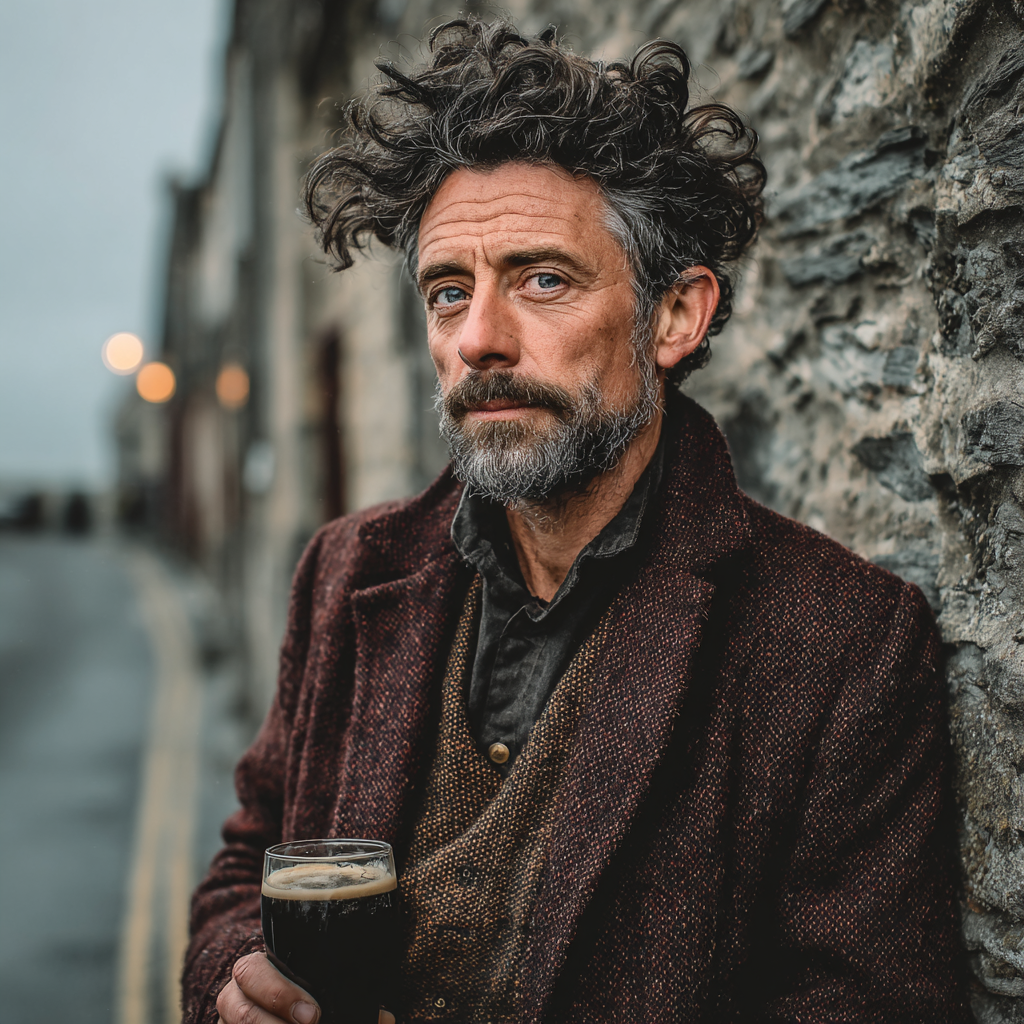
By Finn O'Sullivan
Irish storyteller and folklorist. Finn hunts for the narratives that do not make guidebooks—the pub legends, the family feuds, the neighborhood heroes. He believes every street corner has a story if you know who to ask.