
Seoul for the Solo Traveler: Where Eating Alone Is Normal, the Subway Apologizes for Delays, and Safety Is Boring in the Best Way
Most cities make you feel alone. Seoul makes you feel solo. There is a difference. Alone is what happens when a city ignores you. Solo is what happens when a city built its infrastructure around the assumption that plenty of people would be navigating it by themselves. After six years of traveling alone through fifty-plus countries, I can tell you that distinction matters. Seoul is one of the easiest cities in the world for a woman traveling by herself. That does not mean it is perfect. It means the obstacles are predictable, the solutions are systematic, and the worst thing that is likely to happen to you is spending too much money on sheet masks.
The first thing you need to know is that Seoul is safe in a way that almost becomes uninteresting. I have walked home at two in the morning through back alleys in Hongdae, drunk on soju and bad decisions, and the only thing that threatened me was a convenience store temptation. Crime rates against tourists are low. Violent crime is rare. That said, safety is not the same as comfort. Some alleys are poorly lit. Some motel districts feel sketchy at night. Some bars in Itaewon get rowdy after last call. Use the same radar you would use in any other city. The difference is that in Seoul, your radar can relax a little.
Where you stay defines your Seoul. Hongdae is the default choice for solo travelers under thirty. It is loud, cheap, creative, and full of hostels. Original Backpackers on Hongik University Street runs about ₩22,000 for a dorm bed and has a rooftop where people actually talk to each other. Zzzip Guesthouse nearby costs roughly the same and offers female-only dorms, which is worth the extra ₩3,000 if you want sleep over socializing. If you are over thirty or just done with hostel common rooms, Myeongdong has business hotels like Step INN Myeongdong 1, where a single room runs ₩40,000–50,000 and includes breakfast you will actually skip for street food. For digital nomads who need laptop space and quiet, Seongsu is the move. The neighborhood is warehouse cafés and converted factories. Coffee costs ₩5,500 instead of ₩4,000, but the Wi-Fi is faster and nobody judges you for working alone for four hours.
Eating alone in Seoul is not a tragedy. It is a market segment. Look for the sign 혼밥 환영. It means solo diners welcome, and it appears on more restaurant doors than you would expect. Korean barbecue is the obvious hurdle. Most BBQ places expect groups of two or four. The workaround is to go at lunch, when many spots offer single-portion sets for ₩12,000–15,000. Or head to Gwangjang Market, where the food stalls do not care how many people you brought. Order mayak gimbap, the tiny seaweed rolls that cost ₩1,000 each and live up to their nickname of drug gimbap because they are genuinely addictive. Get knife-cut noodles in garlic broth for ₩8,000. Sit on a plastic stool next to an ajumma who will refill your soy sauce without asking.
For dinner alone, ramen shops are your friend. Most have counter seating facing the kitchen, which is the solo diner's best friend. A bowl of tonkotsu or spicy Korean ramen runs ₩9,000–12,000. Convenience stores are not a last resort here. They are a legitimate dining tier. CU and GS25 sell triangular kimbap, instant ramen with hot water stations, and surprisingly decent wine. Buy a bottle of makgeolli, a folding chair from the shop, and join the locals on the Han River grass. That dinner costs under ₩10,000 and comes with a sunset.
The subway is why solo travel in Seoul works. It is clean, punctual, and announces stops in English. A T-money card costs ₩3,000 at any convenience store and works on buses, subways, taxis, and some vending machines. Reload it at station kiosks. Fares start at ₩1,250 and cap out around ₩2,500 for most tourist journeys. Some lines have women-only cars, marked by pink signage, usually the last car on the train. They run during rush hour and late at night. Use them if you want to. The cars are not segregated by law, just by social contract, and that contract is generally respected.
Here is the catch. Google Maps does not work well in Seoul. The military restrictions on mapping data mean Google is half-blind. Download Naver Map or KakaoMap before you arrive. Both have English modes. Papago is the translation app that will save you when the menu has no pictures. These three apps are non-negotiable. Without them, you will spend your first day lost and frustrated. With them, you will navigate like a local by day three.
What to actually do alone? Start with the palaces. Gyeongbokgung opens at 9 AM. Entry is ₩3,000, but rent a hanbok from one of the shops outside the east gate for ₩15,000–25,000 and entry is free. Walking through a six-hundred-year-old palace in traditional dress feels less touristy than it sounds, mostly because half the visitors are doing the same thing. Bukchon Hanok Village is ten minutes uphill. It is beautiful and overcrowded by 11 AM. Go early or go late. The tea houses on the steep lanes charge ₩7,000 for yuzu tea and let you sit as long as you want.
N Seoul Tower is worth it only if you hike up rather than cable up. The stone trail from Myeongdong takes forty minutes and costs nothing. The view from the top is better when you earned it. Dongmyo Flea Market is for solo travelers who like digging through other people's pasts. Vintage denim, army jackets, cassette tapes. Most vendors open by 10 AM and close by 5 PM. Haggle politely. It is expected.
The twenty-four-hour jjimjilbang bathhouses are the solo traveler's secret weapon. For ₩10,000–15,000, you get a sauna, a hot tub, a scrub, a nap room, and usually a decent cafeteria. Dragon Hill Spa in Yongsan is the famous one, but smaller neighborhood spots are often cleaner and less crowded. Bring your own toiletries or buy a scrub kit on-site for ₩3,000. This is where you recover from jet lag, bad food decisions, or a night out.
The Han River parks are Seoul's communal living room. Rent a bike at Yeouido for ₩3,000 an hour. Buy instant ramen at the convenience store, use the free boiling water station, and eat on the grass while watching people fly kites. This is not a tourist activity. This is what locals do every Saturday. Doing it alone puts you in the majority, not the minority.
Now the honest part. Seoul is not cheap by Asian standards. A dorm bed costs what a private room costs in Vietnam. A decent meal out runs ₩15,000–25,000. Coffee is ₩4,500–6,000. Budget ₩70,000–100,000 per day if you want to sleep indoors and eat well. You can cut that to ₩50,000 if you live on convenience store food and skip the cocktails, but why would you come to Seoul for that?
Some restaurants still refuse solo diners. It is less common than it used to be, but it happens, especially at dinner in traditional BBQ spots outside the central neighborhoods. The Naver app has a solo dining filter. Use it. Or just walk in and order for two. They will seat you. You will waste food and money. The filter is better.
There is also the hidden camera issue. South Korea has a documented problem with molka, tiny spy cameras placed in private spaces including some hotel rooms and restrooms. I avoid love motels and unvetted Airbnbs for this reason. Stick to hostels, established guesthouses, or business hotels. The risk is low at reputable places, but the consequence is high enough that I do not take the chance.
Visa rules are straightforward. Most Western passport holders get ninety days visa-free. You need to apply for K-ETA online before arrival. It costs ₩10,000, takes about twenty-four hours, and is valid for three years. Do not skip this. Airlines will deny boarding without it.
The best seasons are spring and autumn. Cherry blossoms hit in early April. Autumn foliage peaks in late October. Summer is humid and crowded. Winter is cold but manageable if you have a good coat. The city does not shut down for snow. It just adds more layers.
If I had to give one piece of advice, it would be this. Seoul rewards the traveler who plans their logistics and then lets the days unspool. Have your apps ready, your T-money card loaded, and a list of three neighborhoods you want to see. Then wander. The city is dense enough that you will find something interesting within two blocks of any subway exit. A cat café. A vintage record shop. A grandmother selling hotteok from a cart that has been there since 1987. That is the Seoul that makes solo travel feel like a superpower. Not the palaces or the tower. The moment when you realize you are not lost. You are just alone, in a city that knows exactly how to handle that.
My name is Maya Johnson. I have been traveling alone for six years. Seoul is one of the few cities where I did not feel like I was proving something by doing it solo. I was just traveling, and the city happened to be built for people like me. That is rarer than it should be.
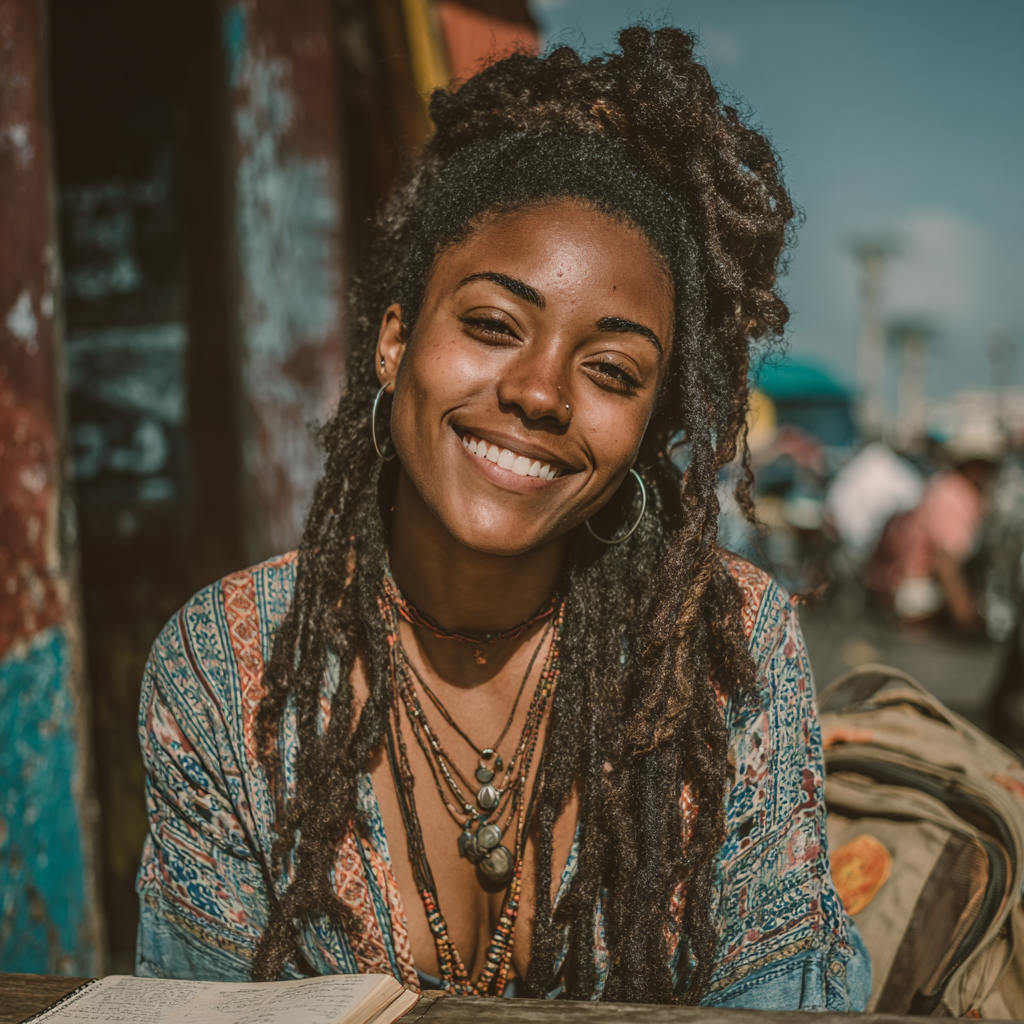
By Maya Johnson
Solo travel evangelist and digital nomad veteran. Maya has spent six years traveling alone across 50+ countries on a freelance writer budget. She writes honest, practical guides for women who want to explore the world independently and safely.