
Busan's Hidden Table: Where Fishermen, Grandmothers, and Michelin Stars Share the Same City
By Sophie Brennan | Food & Drink, Culture & History
I came to Busan for the seafood. I stayed for the grandmothers.
There is a moment in Busan that no guidebook properly captures. It happens around 6:30 AM, when the Jagalchi Market fish auction is winding down and the ajummas — those formidable Korean women in neon rubber aprons — begin stacking crates of live octopus like they're arranging flowers. The octopus, sensing their fate, pulse and writhe in buckets of seawater. The ajummas don't flinch. They've been here since 3 AM, and they're already on their third cup of barley tea.
Busan is not Seoul. Seoul is polished, curated, Instagram-ready. Busan is a working port city where the seafood comes off the boat at dawn and onto your plate by noon. It's where a three-Michelin-starred restaurant shares a neighborhood with a tent bar that hasn't changed its menu since 1987. It's where the city's most famous dish — dwaeji gukbap, pork bone soup — was born from wartime scarcity and became a source of fierce municipal pride.
This guide is organized by how you'll actually eat in Busan: dawn markets, neighborhood specialties, the seafood that defines the coast, and the modern kitchens reimagining what Korean food can be. I've included specific addresses, hours, and price ranges. I've also noted what to skip — because in a city this hungry, not every meal is worth your time.
The Dawn Market: Jagalchi and the 5 AM Meal
Jagalchi Market
52, Jagalchihaean-ro, Jung-gu, Busan
Hours: Daily, 5:00 AM – 10:00 PM (fish auction floor open earlier)
Closed: 1st and 3rd Tuesday of each month
Price: ₩15,000–40,000 per person depending on seafood selection
Busan doesn't wait for you to wake up. The city's culinary clock starts at Jagalchi Market, Korea's largest seafood market, where the auction floor begins humming before sunrise and the upstairs restaurant stalls start serving by 5:30 AM. If you want to understand Busan, come here before 7 AM.
The market spans two buildings: the old outdoor section, a chaotic grid of wet stalls where vendors hose down squid and sea cucumbers at 6 AM, and the modern indoor hall with its own restaurant floor. The real action is in the old building. Follow your nose to the second-floor restaurants — rows of identical-looking stalls with plastic chairs, metal tables, and ajummas who will grab your arm and pull you toward their stall with a grip that suggests they could also haul a net full of mackerel.
Order the haemul jjigae (seafood stew, ₩12,000–15,000). It arrives still bubbling in a stone pot, a violent red broth crowded with clams, shrimp, mussels, and whatever white fish the kitchen pulled from downstairs twenty minutes ago. The ajumma will dump a bowl of rice into your broth when you're halfway done — this is the proper way to finish it. Don't argue. She has been doing this since before you were born.
For the adventurous: sannakji (live octopus, ₩20,000–30,000). The tentacles arrive still moving, dressed in sesame oil and seeds. The trick is to chew thoroughly — the suction cups can latch onto your throat if you swallow too fast. Every year, a few overeager tourists end up in the emergency room. Don't be that tourist. Chew.
The auction floor in the new building opens around 4:30 AM for wholesalers, but visitors can observe from the viewing gallery. It's worth coming once just to watch the choreography: buyers circling blue plastic tubs of live fish, auctioneers barking prices, the snap of transactions happening in seconds. By 8 AM, the best stuff is already gone, trucked to restaurants across the city.
Pro tip: The ajummas upstairs will try to upsell you to expensive fish you don't need. A ₩15,000 seafood stew is more than sufficient. If they push abalone or sea cucumber, smile and point at the menu price you already decided on. They respect stubbornness.
Nampo-dong and BIFF Square: Street Food as City Culture
BIFF Square (Busan International Film Festival Square)
Nampo-dong, Jung-gu, Busan
Hours: Vendors operate approximately 10:00 AM – 11:00 PM
Price: ₩2,000–5,000 per item
Busan's most famous street food lives in the shadow of the Busan Cinema Center, a sprawling architectural spectacle that hosts Asia's premier film festival every October. The contrast is perfect: one of Korea's most futuristic buildings, surrounded by food stalls that haven't changed since the 1980s.
Ssiat hotteok is the signature here — a sweet, chewy pancake stuffed with seeds (ssiat means seeds). The original stall, Seomyeon Ssiat Hotteok near the BIFF Square entrance, has been run by the same family for three generations. The batter is pressed into a hot iron mold, filled with brown sugar, cinnamon, and a mix of sunflower, pumpkin, and sesame seeds, then fried until the edges caramelize. It's ₩2,000, it's served in a paper cup, and it's the best thing you'll eat for under a dollar in Korea.
The Nampo-dong alleys behind BIFF Square hold smaller treasures. Look for eomuk (fish cake) stalls, where long skewers of fish cake simmer in anchovy broth. The broth is free — just ask for a cup. In winter, old men stand at these stalls for hours, drinking the hot broth and gossiping. The fish cake itself is ₩1,000–1,500 per skewer.
For something more substantial, Golmok Gejang (32-1, Chungjang-daero 9beon-gil, Jung-gu; +82 51-468-1250; 11:30 AM – 8:30 PM) serves some of the city's best ganjang gejang — raw blue crab marinated in soy sauce. A single crab set runs ₩19,000–24,000 depending on size. The crab meat has the texture of raw shrimp crossed with egg yolk, and the soy marinade is savory-sweet, designed specifically to make you eat more rice than you intended. Koreans call gejang "the rice thief" for this reason.
Pro tip: BIFF Square gets crowded on weekends and during the film festival in October. Come on a weekday morning for shorter lines and ajummas who have time to chat.
The Three Soups of Busan: Milmyeon, Gukbap, and Seolleongtang
Busan has three foundational soups, each tied to a specific neighborhood and a specific history. You cannot claim to have eaten in Busan without trying all three.
Milmyeon: The Refugee Noodle
Halmae Gaya Milmyeon
56-14, Gwangbok-ro, Jung-gu, Busan
+82 51-246-3314
Hours: 10:00 AM – 9:30 PM
Price: ₩7,000–9,000
Milmyeon is Busan's answer to naengmyeon, the cold noodle dish famous across Korea. But where Pyongyang naengmyeon uses buckwheat, Busan's version uses wheat flour noodles — a legacy of the Korean War, when refugees from the north adapted their recipes to available ingredients.
The name "milmyeon" literally means "wheat noodle." The broth is beef-based, slightly tangy, served ice-cold with slices of brisket, pickled radish, cucumber, and a hard-boiled egg. The wheat noodles are chewier than buckwheat, with more body, more resistance.
Halmae Gaya Milmyeon — "halmae" means grandmother — is the most famous spot in the city, run by a family whose original matriarch fled south during the war. The restaurant has been in the same location for over 50 years. The grandmother's portrait hangs on the wall. Her descendants still make the broth using her recipe.
Order the bibim milmyeon (spicy version, ₩8,000) if you want heat, or the mul milmyeon (broth version, ₩7,000) if you want to taste the broth's subtle beef-and-vinegar balance. Both come with scissors on the table — Korean noodles are long, and you're expected to cut them as you eat.
Dwaeji Gukbap: The War Survivor
Songjeong Samdae Gukbap
Seomyeon-dong, Busanjin-gu, Busan
+82 51-806-5722
Hours: 24 hours
Price: ₩9,000–12,000
Dwaeji gukbap — pork bone soup with rice — is the dish that defines Busan. It was born during the Korean War, when American military bases provided pork bones that locals turned into soup. Today, it's the city's most fiercely defended culinary identity, and Seomyeon-dong is its spiritual home.
Songjeong Samdae Gukbap is the most famous name, a 24-hour institution where taxi drivers, hospital workers, and late-night drunks converge at 3 AM. The broth is milky white from hours of boiling pork bones, rich with collagen and fat. It's served with tender pork shoulder, rice (either in the soup or on the side), and a table of banchan — kimchi, pickled radish, raw garlic, green chilies, and ssamjang paste.
The ritual matters here. You're meant to season your own bowl: add salt to taste, a spoonful of saeujeot (fermented shrimp), raw garlic, and chili. Then tear the pork with chopsticks, wrap it in kimchi with rice, and eat it ssam-style. Every regular has their own formula.
The 24-hour schedule means the quality is remarkably consistent — they're always boiling fresh bones. A bowl costs ₩9,000–10,000. The soju is extra, but most people order it anyway.
Seolleongtang: The Ox Bone Marathon
While not unique to Busan, the city's seolleongtang (ox bone soup) shops are worth noting for their marathon cooking times — some shops boil their bones for 24 hours or more. Look for restaurants with "hanmaru" (one boil) in the name, indicating they don't refresh their broth with water. The result is a soup so white and rich it coats your lips.
Market Hopping: Gukje, Bupyeong, and the Night Markets
Busan's markets are not tourist attractions — they are functioning economic ecosystems, and the food within them is priced for locals, not visitors. This is where you find the best value in the city.
Gukje Market
Sin chang-dong 4-ga, Jung-gu, Busan
Hours: 9:00 AM – 8:00 PM (restaurant section varies)
Closed: 1st and 3rd Sunday
Gukje Market was originally a hub for refugees selling goods from overseas — "gukje" means "international." Today it's a maze of narrow alleys selling everything from military surplus to kitchenware, but the food section is where it shines.
The tteokbokki (spicy rice cakes) here is a city benchmark — thick, chewy rice batons in a gochujang sauce that builds heat gradually. A plate costs ₩3,000–4,000. The hotteok (sweet pancakes) are made fresh on griddles, the vendors pressing the batter flat with metal weights, creating a caramelized crust.
The real find is the odeng (fish cake) alley — a long row of stalls where you select your skewers from simmering broth and eat standing up. The broth is the point: savory, umami-rich, and free with every purchase. Locals drink three or four cups while they eat. Each skewer is ₩1,000–1,500.
Bupyeong Kkangtong Market
Bupyeong 1-ga, Jung-gu, Busan
Hours: Evening, approximately 6:00 PM – 12:00 AM
Price: ₩3,000–10,000 per stall
"Kkangtong" means "tin can" — this market got its name because it originally sold canned goods from American military bases. Today it's Busan's most atmospheric night market, a narrow alley of food stalls that feels more like Taiwan than Korea.
Come after 8 PM, when the ajummas fire up their griddles and the alley fills with smoke and shouting. The specialty is dakgangjeong (sweet crispy chicken, ₩5,000–8,000), but you'll also find Korean-style tacos, tornado potatoes, and stalls selling soju cocktails in plastic bags with straws.
Pro tip: Markets in Busan close on rotating schedules. Gukje closes the 1st and 3rd Sunday. Jagalchi closes the 1st and 3rd Tuesday. Always check before making a special trip.
The Seafood Coast: From Cheongsapo to Haeundae
Busan's coastline is 40 kilometers of cliffs, beaches, and fishing villages, and the food follows the geography. What you eat in Cheongsapo — a working fishing village — is completely different from what you eat in Haeundae, the tourist beach.
Cheongsapo Fishing Village
Cheongsapo-ro, Haeundae-gu, Busan
Hours: Restaurants open 10:00 AM – 10:00 PM
Price: ₩15,000–40,000 per person
Cheongsapo is what Haeundae used to be — a working harbor where fishing boats unload their catch at dawn and small restaurants turn it into lunch by noon. The village is famous for two lighthouses (one white, one red, both photogenic), a marine mural painted across the harbor wall, and the smell of drying seaweed that permeates everything.
The restaurants here specialize in haemul tang (spicy seafood stew) and hoe (raw fish). The fish is so fresh that some places serve it still twitching. A proper hoe meal — raw fish with side dishes, stew, and rice — costs ₩20,000–30,000 per person. The crab restaurants are more expensive, running ₩30,000–50,000 for a spread.
Walk the harbor in the morning to see the ajummas sorting seaweed and the fishing boats unloading octopus and crab. The village is at its most alive between 6 AM and 9 AM, when the catch comes in.
Haeundae Beach
Haeundae-gu, Busan
Hours: Beach open year-round; restaurants vary
Haeundae is Busan's most famous beach, and it's also the most overrated food destination in the city. The beachfront is lined with restaurants that charge double what you'd pay inland, serving frozen seafood to tourists who don't know better. The view is spectacular. The food is not.
If you must eat near Haeundae, walk inland to Haeundae Market (24, Haeundaehaebyeon-ro 298beon-gil), where the prices drop by half and the seafood is fresher. The ganjang gejang at Haemakki (2F, Paledecz Condominium; Thursday–Tuesday, 10:00 AM – 9:30 PM, break 3:00 PM – 5:00 PM; ₩17,000–34,000) is a local favorite — soy-marinated crab from the West Sea, frozen rapidly to maintain quality.
Pro tip: The best strategy for Haeundae is to eat elsewhere and come for sunset with a coffee. The beach is genuinely beautiful at dusk, when the sky turns pink and the Gwangan Bridge lights up in the distance.
The Michelin Tier: Where Busan Goes Modern
Busan's fine dining scene is small but ambitious, with a handful of restaurants doing genuinely interesting work with Korean ingredients.
Chef Gon (3 Michelin Stars)
Yongho-dong, Nam-gu, Busan
+82 51-626-2364
Hours: Lunch and dinner seatings, reservation required
Price: Tasting menu ₩200,000–350,000
The only three-Michelin-starred restaurant in Busan, Chef Gon is a Korean tasting menu restaurant that draws from the city's seafood identity while pushing technique forward. The menu changes seasonally but always includes some form of raw seafood — Busan's defining ingredient — treated with French precision and Korean flavor sensibility.
Reservations are essential and should be made weeks in advance. The restaurant is small, intimate, and formal. Dress appropriately.
Palette (1 Michelin Star)
Busan
Hours: Dinner only, reservation recommended
Price: Tasting menu ₩120,000–180,000
A one-star restaurant with a more relaxed atmosphere than Chef Gon, Palette focuses on Korean ingredients treated with modern technique. The wine pairing is worth the addition — the sommelier has a particular talent for matching Korean seafood with European whites.
Samojeong (Mid-Range)
Busan
Hours: Lunch and dinner
Price: ₩30,000–60,000 per person
For high-quality Korean food without the Michelin price tag, Samojeong serves refined versions of Busan classics in a traditional hanok-style setting. Their dwaeji gukbap is widely considered the best upscale version in the city — the same milky pork bone broth, but made with heritage-breed pork and served with artisanal kimchi.
What to Skip
Haeundae beachfront restaurants: The seafood is frozen, the prices are inflated, and the service is indifferent. Walk five minutes inland and eat at Haeundae Market instead.
Songjeong Beach seafood stalls: Another tourist trap where the "fresh catch" was likely frozen last week. The beach is beautiful. The food is not.
Jagalchi Market's most aggressive ajummas: If a vendor physically grabs you, keep walking. The best stalls don't need to pull customers in — they have lines.
Shinsegae Centum City food court: The world's largest department store has a food court that is exactly as generic as that sounds. You're in Busan. Eat like it.
Any restaurant with a picture menu and no Korean customers: This is universal travel advice, but it applies doubly in Busan, where the best food is in places with handwritten menus and zero English.
Practical Logistics
When to Eat What:
- 5:00–8:00 AM: Jagalchi Market seafood stew, milmyeon
- 10:00 AM–2:00 PM: Gukbap for lunch (Seomyeon), market snacking (Gukje, BIFF Square)
- 3:00–5:00 PM: Coffee and hotteok (afternoon snack window)
- 6:00 PM–12:00 AM: Night markets (Bupyeong), ganjang gejang, gopchang, soju tents
Getting Around: Busan's subway system is efficient and covers all the food neighborhoods mentioned. Key stations:
- Jagalchi Station (Line 1): Jagalchi Market, Nampo-dong, BIFF Square
- Seomyeon Station (Lines 1 & 2): Gukbap alley, downtown dining
- Haeundae Station (Line 2): Beach, Haeundae Market, Cheongsapo (short taxi ride)
- Gukje Market Station (Busan Metro): Gukje Market
Taxis are affordable (₩3,800 base fare) and the best option after 10 PM when the subway stops running. KakaoT is the local ride-hailing app.
Budget Breakdown:
- Budget traveler: ₩20,000–30,000 per day (market food, gukbap, milmyeon)
- Mid-range: ₩50,000–80,000 per day (sit-down seafood, ganjang gejang, one nicer dinner)
- Splurge: ₩150,000+ per day (Chef Gon, premium crab, hotel dining)
Payment: Most restaurants accept credit cards, but market stalls and small gukbap shops are often cash-only. Carry ₩50,000 in cash for street food and small vendors. T-money cards work for subway and some convenience stores.
Language: English is not widely spoken outside tourist areas. Learn these phrases:
- "Igeo juseyo" (이거 주세요) — "This, please" (point at menu)
- "Eolmaeyo?" (얼마예요?) — "How much?"
- "Masisseumnida" (맛있습니다) — "It's delicious" (the ajumma will appreciate this)
Best Seasons: Spring (April–June) and fall (September–November) are ideal — mild weather, fresh spring greens, and autumn crab season. Summer is hot and humid but perfect for cold milmyeon and beachside raw fish. Winter is harsh but rewarding: the gukbap shops are at their busiest, and the hot broth is medicinal against the cold.
About the Author
Sophie Brennan writes about the intersection of food and culture — how what we eat tells us who we are and where we've been. She has spent the last decade eating her way through East Asia, from Tokyo's back-alley yakitori stalls to the night markets of Taipei. Busan won her over not with its Michelin stars but with its grandmothers: the halmae who still makes milmyeon at 4 AM, the ajumma who will scold you for not finishing your rice. "The best food in Busan," she says, "comes with a side of unsolicited advice."
Last updated: August 2026
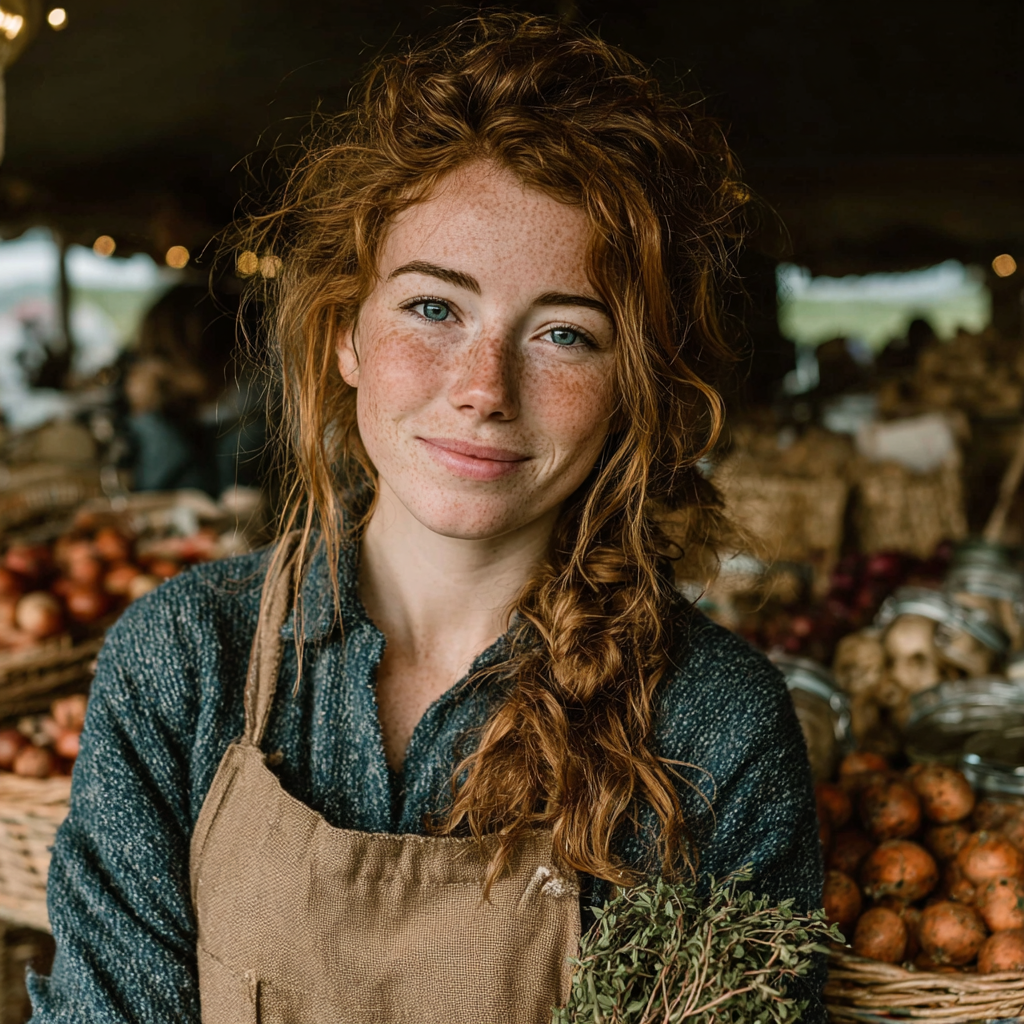
By Sophie Brennan
Irish food writer and historian based in Lisbon. Sophie combines her background in medieval history with a passion for contemporary gastronomy. She has written for Condé Nast Traveller and authored two cookbooks exploring Celtic and Iberian culinary traditions.