
Busan by the Bowl: Pork Bone Broth, Seed-Stuffed Pancakes, and the Live Octopus That Fights Back
A Food Lover's Guide to Korea's Port City
The first time I ate dwaeji gukbap in Busan, it was four in the morning and raining hard enough to blur the neon. I was jet-lagged, half-frozen, and following a dock worker into a restaurant that looked like it had been there since the war—which, as it turns out, it had. The broth was milky, almost white, simmered from pork bones for twenty-four hours. The rice came in a separate bowl. The banchan crowded the table: kkakdugi radish kimchi, raw garlic, green onions, salted shrimp. I had no idea what I was doing. The dock worker showed me—dump the rice in, season with salt and pepper, add garlic until your eyes water. By the time I finished, the rain had stopped and I understood something about this city that no guidebook had prepared me for.
Busan does not perform for tourists. It feeds you. This is Korea's second city, the country's maritime gateway, a place shaped by fishermen, refugees, dock workers, and the specific salt-and-pork obsession of a port that never sleeps. The food here is bolder, fishier, and more honest than in Seoul. You will not find the polished global gastronomy of Gangnam. You will find octopus that tries to escape your chopsticks, soup shops that have been simmering bones since 1948, and a fish cake culture so deep that the city built a museum to honor it.
I have eaten my way through Busan five times now. This is what I have learned.
The Six Dishes That Define Busan
Before you open a single menu, understand the city's culinary DNA. These six dishes are not merely popular—they are the reason Busan's food culture exists as something distinct from the rest of Korea.
Dwaeji gukbap is the city's soul: pork bone broth simmered until it turns white and opaque, served with tender pork, rice, and a table of side dishes. Born during the Korean War when refugees had little beyond pork bones and rice, it has become the definitive Busan experience.
Milmyeon is Busan's cold noodle obsession. North Korean refugees adapted their buckwheat naengmyeon recipe using locally available wheat flour, creating a chewier, more elastic noodle served in chilled beef broth or dry with spicy sauce.
Ssiat hotteok is the city's signature street food: a fried pancake stuffed not with sugar but with seeds—sunflower, pumpkin, sesame—creating something nutty, substantial, and slightly savory rather than purely sweet.
Dongnae pajeon, from the historic Dongnae district, is a thick, crispy seafood scallion pancake traditionally paired with makgeolli rice wine. The exterior crackles; the interior stays soft and packed with squid and green onions.
Ganjang gejang is raw blue crab marinated in soy sauce, a polarizing dish of intense umami that divides visitors into converts and skeptics within the first bite.
Eomuk—fish cake—is the humble foundation. Busan claims the best in Korea because of its access to fresh seafood, and the city's obsession runs so deep that a fish cake museum exists in Haeundae.
Dwaeji Gukbap: The 24-Hour Religion
If you eat one thing in Busan, make it this. The city runs on pork bone broth. Locals eat it for breakfast after night shifts. Dock workers eat it at dawn before shifts. Students eat it at 3 AM after drinking. The broth simmers for a full day before serving, turning milky white from dissolved collagen and marrow. You get tender pork slices, a bowl of white rice, and a table crowded with banchan. The correct method: add the rice to the soup, season aggressively with salt and pepper, throw in raw garlic and green onions, and eat until you sweat.
Pyeonganok
- Address: 113-1 Gaya-daero, Busanjin-gu
- Hours: 24 hours
- Price: ₩10,000 ($7) per bowl
- What to order: The classic gukbap. The broth simmers for a full day. The kkakdugi is made in-house.
- GPS: 35.1532° N, 129.0573° E
This place has been serving gukbap since 1948. The interior looks like it has not changed since the 1970s—formica tables, metal rice bowls, fluorescent lights that buzz. It is always busy, always loud, always perfect. The ajumma who runs the floor has been there for thirty years and will correct your seasoning technique if she thinks you are doing it wrong.
Songjeong Samdae Gukbap
- Address: Seomyeon district, 31-1 Jeonpo-daero 199beon-gil
- Hours: 24 hours
- Price: ₩9,500 ($6.65) per bowl
- What to order: Beef bone gukbap—unusual in Busan, made with beef rather than pork for a cleaner, milkier broth
Three generations have run this shop on a street where every restaurant serves pork rice soup. Their beef bone version is the outlier, simmered until the broth turns opaque white, seasoned at the table with fermented shrimp paste and chives. It runs around the clock, and at 4 AM the crowd is a mix of taxi drivers, club refugees, and hospital workers from nearby clinics.
Bonjeon Dwaeji Gukbap
- Address: 2-1 Jungang-daero 214beon-gil, Dong-gu
- Hours: 24 hours
- Price: ₩9,000 ($6.30)
- Near: Busan Station, 400m walk
Perfect for your first meal after arriving by KTX. The location near Busan Station means constant turnover and consistent quality. The pork here is sliced thicker than at Pyeonganok, the broth slightly less refined but no less satisfying.
Ssiat Hotteok: The Seed-Stuffed Original
Hotteok exists everywhere in Korea. Busan's version is different, and the difference matters. Instead of the standard sweet filling—brown sugar, cinnamon, nuts—ssiat hotteok is stuffed with seeds: sunflower, pumpkin, sesame. The result is less dessert, more substantial snack. The dough is pressed into a hot griddle, filled, flattened, and fried until the exterior is crispy and the interior chewy and nutty.
BIFF Square (Busan International Film Festival Square)
- Location: Nampo-dong, central Busan
- Price: ₩2,000–3,000 ($1.40–2.10)
- Hours: Stalls operate roughly 10:00–22:00, peak activity 14:00–20:00
- GPS: 35.0986° N, 129.0328° E
The hotteok stalls line the pedestrian street. You identify the good ones by the queue length. The pancakes are made fresh to order—dough pressed, filled, flattened, fried. Served piping hot in a small paper cup. The first bite always burns your mouth. That is part of the ritual. The seeds give the pancake a nutty, slightly savory quality that balances the sweetness of the dough itself.
Gukje Market Arirang Street
- Location: Southern end of Gukje Market, Nampo-dong
- Price: ₩2,000 ($1.40)
- Hours: 09:00–20:00, closed first and third Sunday of each month
The stalls here have been operating for sixty years. The ssiat hotteok is slightly smaller than at BIFF Square, the seed mix heavier on sesame, the dough slightly thinner and crisper at the edges.
Jagalchi Market: Choose Your Own Seafood Adventure
Jagalchi is the largest seafood market in Korea, and eating here is non-negotiable if you care about food. The ground floor is a labyrinth of tanks, buckets, and trays—live fish swimming, shellfish sitting in ice, octopus writhing. The upper floors are restaurants that cook whatever you purchase below.
How it works:
Choose your fish on the ground floor. Walk the stalls. Live fish swim in tanks. Shellfish sit in buckets. Octopus writhe in trays. Point at what you want.
Negotiate the price. The ajummas quote you a price. Haggling is expected but not aggressive—this is their livelihood, not a souvenir shop. A 10–15% reduction is standard if you are buying multiple items.
Take it upstairs. The cooked fish market on the second and third floors prepares your purchase. Cooking fee: ₩5,000–10,000 per person depending on preparation method. Steamed is cheapest; sashimi preparation costs more.
What to order:
Sannakji (live octopus): ₩15,000–25,000 ($10.50–17.50). The tentacles are cut while still moving. They continue to writhe on the plate. Dip in sesame oil and salt. Chew thoroughly—the suction cups can adhere to your throat if swallowed too quickly. The ethical question is personal. Koreans see this as honesty: you confront the reality of eating meat rather than hiding it behind packaging.
Grilled eel (jangeo): ₩30,000–50,000 ($21–35) per person. Rich, fatty, basted with sweet-savory soy-based sauce, served over charcoal until the edges caramelize.
Hoe (sashimi): Prices vary by fish. A basic spread starts at ₩40,000 ($28) for two people. The Busan style is to wrap the fish in lettuce or perilla leaves with rice and cho gochujang chili sauce.
Jagalchi Market Details
- Address: 52 Jagalchihaean-ro, Jung-gu
- Hours: Market stalls 02:00–22:00 (wholesale early morning, retail all day); restaurants 09:00–22:00
- Best time: Arrive before 10:00 for the freshest selection and thinnest crowds
- Metro: Jagalchi Station, Line 1, Exit 10
Milmyeon: The Refugee Noodle That Became an Obsession
Milmyeon is Busan's take on North Korea's famous cold noodles. The critical difference is the noodle itself: milmyeon uses wheat flour rather than buckwheat, giving it a chewier, more elastic texture that snaps between your teeth. The dish was born during the Korean War when North Korean refugees in Busan could not access buckwheat and adapted their recipe using locally milled wheat.
Daejeo Milmyeon
- Address: 1055 Daejeo-ro, Gangseo-gu
- Hours: 10:00–21:00, closed Mondays
- Price: ₩9,000 ($6.30)
- GPS: 35.2134° N, 128.9521° E
- What to order: Mul milmyeon (broth version) in summer, bibim milmyeon (spicy dry version) when the temperature climbs above 28°C
This is the original, the place that claims invention. The noodles are made fresh daily in the back room. You get them in chilled beef broth with slices of beef, pickled radish, cucumber, and a hard-boiled egg. The proper method: add vinegar and mustard to taste, stir vigorously, and eat quickly before the broth warms.
Choryang Milmyeon Street
- Location: Choryang neighborhood, near Busan Station
- Hours: Most shops open 08:00–15:00, close when noodles run out
- Best time: Arrive before 11:00. The shops make finite batches daily and close when sold out.
Not a single restaurant but a cluster of six establishments within two blocks, each with its own broth recipe and noodle texture. The neighborhood developed around dock workers and port laborers who needed cheap, filling food before shifts. Locals have opinions about which shop is best. My advice: try two.
The two styles:
- Mul milmyeon: Served in chilled beef broth, like a cold soup. The broth should be faintly sweet, deeply savory, cold enough to make your teeth ache.
- Bibim milmyeon: Served dry with thick red pepper sauce, better for humid summer days when broth feels like too much.
Dongnae Pajeon: The Pancake That Built a District
From Busan's historic Dongnae district comes a seafood scallion pancake thicker and more substantial than the pajeon you find in Seoul. The exterior is crispy and golden; the interior stays soft and packed with green onions, squid, and sometimes clams. It is traditionally served with makgeolli, and that pairing remains perfect.
Dongnae Halmae Pajeon
- Address: 37 Myeongnyun-ro 179beon-gil, Dongnae-gu
- Hours: 11:00–22:00
- Price: ₩12,000–18,000 ($8.40–12.60) for a large pancake serving 2–3
- What to order: The haemul pajeon (seafood version) with a bottle of house makgeolli
The restaurant has been here for over fifty years. The pancakes are cooked to order on a griddle built into each table. The batter is mixed with squid, green onions, and clams, poured wide and thin, then crisped at the edges until it crackles when cut. The makgeolli is unpasteurized and slightly effervescent, served in brass bowls.
Eomuk: Fish Cake as Civic Pride
Busan takes fish cake seriously. Eomuk—processed fish paste formed into various shapes and boiled in broth—is available everywhere in Korea, but Busan claims the best version because of its access to fresh seafood. The city's fish cake obsession runs so deep that it built a museum to the stuff.
Samjin Eomuk Flagship
- Address: 54 Haeundae-ro, Haeundae-gu
- Hours: 10:00–22:00
- Price: ₩1,000–3,000 ($0.70–2.10) per skewer; museum entry free
- What to order: The cheese-stuffed eomuk, the glass noodle-stuffed version, and the classic white tube
Samjin has been making eomuk since 1953. The flagship store includes a small museum upstairs where you can learn about the production process and book a fish cake making class (₩15,000, reserve online). The fish cakes range from simple white tubes to elaborate creations stuffed with cheese, vegetables, or glass noodles.
The experience: You stand at a counter, pick skewers from simmering broth, and eat them right there. The broth is free and unlimited—drink it like tea. It is lighter than you expect, slightly sweet, deeply savory, the exact flavor of Busan's maritime identity.
Nampo-dong Eomuk Alley
- Location: Side streets near BIFF Square, Nampo-dong
- Price: ₩1,000–2,000 ($0.70–1.40) per skewer
- Hours: 11:00–23:00
The narrow lanes around the film festival plaza are where Busan's eomuk culture began. Stalls have been here since the 1960s, serving dock workers and market vendors. The broth at these stalls is darker, more intense, simmered all day with dried anchovies and kelp.
Ganjang Gejang: Raw Crab, Raw Emotion
Ganjang gejang—raw blue crabs marinated in soy sauce—is one of those dishes that divides people cleanly. Some find it transcendent, the umami concentration of the roe mixing with the sweet-salty marinade. Others cannot get past the texture or the fact that they are eating raw crustacean. I will not tell you which side you will land on. I will tell you that trying it is worth the uncertainty.
Keunjip
- Address: 125-3 Gwangbok-ro, Jung-gu
- Hours: 11:00–22:00
- Price: ₩40,000–60,000 ($28–42) per person for a set with rice and side dishes
- GPS: 35.0991° N, 129.0304° E
The crabs arrive already cracked. You suck the meat from the shells, scrape out the roe, and mix it with rice. The soy sauce marinade, infused with crab essence, becomes the best dipping sauce you will taste in Korea. The set includes a bowl of rice, seaweed, and various banchan. Eat the rice mixed with roe first; it is the peak experience, and you want it before your palate dulls.
Warning: This is expensive. Good gejang uses female crabs with full roe sacs, and those do not come cheap. Do not go to a place advertising gejang for ₩15,000—you will get watery marinade and empty shells.
Temple Cuisine: The Reset Button
For something completely different, Balwoo Gongyang offers temple cuisine—vegetarian food prepared according to Buddhist principles. No meat, no fish, no garlic, no onions, no strong spices. Just vegetables, grains, and fermented seasonings, prepared with meticulous attention.
Balwoo Gongyang Busan
- Address: Shinsegae Centum City, 35 Centum nam-daero, Haeundae-gu, 5F
- Hours: 11:30–14:30, 17:30–21:00
- Price: ₩35,000–70,000 ($24–49) for set menus
- Michelin: One star
- Reservations: Recommended for weekends; call +82-51-745-1921
The Busan location is inside the world's largest department store, which feels slightly surreal but the food is exceptional. Each course arrives as a small meditation—pickled mountain vegetables, fermented soybean paste soup, rice with various grains, seasonal greens, lotus root, and mushrooms prepared five ways.
The philosophy: Temple cuisine is not about restriction. It is about finding the essential flavors of ingredients without masking them. After days of heavy pork and seafood, it feels like a reset. The no-garlic, no-onion rule means the cooks rely on fermentation, drying, and precise timing to build depth. The result is quieter than Korean food usually is, but no less complex.
Coffee Culture: The Third Wave by the Sea
Korea's coffee obsession extends to Busan, but here it mixes with the beach lifestyle. The result is some of the best coastal cafe culture in Asia. You will find world-class flat whites, single-origin pour-overs, and inexplicably good carrot cake.
Cafe Rooftop
- Address: 205-4 Gwangnam-ro, Suyeong-gu
- Hours: 11:00–23:00
- Price: ₩6,000–9,000 ($4.20–6.30) for coffee
- What to order: Single-origin Ethiopian pour-over; the view is the main event but the coffee holds its own
- GPS: 35.1534° N, 129.1189° E
Located in Gwangalli with rooftop seating facing the beach and Gwangan Bridge. They roast their own beans. The sunset crowd arrives at 18:30; arrive at 17:00 if you want a seat with a view. The bridge lights up at 20:00, and the rooftop fills with people holding coffee cups like wine glasses.
Humming Bella
- Address: 34 Dalmaji-gil 62beon-gil, Haeundae-gu
- Hours: 10:00–22:00
- Price: ₩5,500–8,000 ($3.85–5.60) for coffee; carrot cake ₩7,500
- What to order: Flat white and carrot cake (arrive before 15:00 or it sells out)
In the Dalmaji Hill area behind Haeundae Beach. Known for a flat white that rivals Melbourne and a carrot cake that somehow sells out every day by 3 PM. The owner trained in Australia and brought back both the coffee standards and the cake recipe.
Coffee Nap Roasters
- Address: 33 Seomyeon-ro, Busanjin-gu
- Hours: 08:00–22:00
- Price: ₩4,500–7,000 ($3.15–4.90)
- What to order: Cold brew during summer; their house blend espresso
A Seomyeon institution with industrial decor and serious brewing equipment. The cold brew is steeped for eighteen hours and served in glass bottles. The clientele is a mix of office workers on lunch breaks and students from nearby universities.
Drinking Busan: Makgeolli, Soju, and the Port City Edge
Busan drinks harder than Seoul. The port city heritage means generations of sailors and dock workers developed a drinking culture that is more intense than the capital's polished cocktail bars. The preferred drink is makgeolli—the milky, slightly sweet rice wine that pairs perfectly with the salty, spicy food Busan does best.
Sinchang Toast and Makgeolli
- Address: Multiple locations; original at 45 Gwangbok-ro, Jung-gu
- Hours: 17:00–02:00
- Price: ₩4,000–6,000 ($2.80–4.20) per bowl of makgeolli; toast ₩3,000
A Busan institution since 1963. They serve makgeolli in traditional brass bowls with a side of toasted sandwiches—ham, cheese, cabbage, and a sweet sauce grilled until the edges caramelize. The combination of cheap, filling food and smooth rice wine has sustained Busan through decades of change. The original location near Gwangbok-ro has been run by the same family for three generations.
Millak Raw Fish Town (Millak-dong Hoe Center)
- Address: 77 Millak-ro, Suyeong-gu
- Hours: 11:00–24:00
- Price: Hoe sets ₩30,000–50,000 ($21–35) per person; soju ₩4,000
A cluster of raw fish restaurants where locals go after work. You order a spread of hoe, they bring bottles of soju and beer, and the evening dissolves into loud conversation and shared plates. The atmosphere is closer to a Japanese izakaya than a formal restaurant. Arrive with a group or be prepared to make friends.
Jeongwon Brewery (정원양조장)
- Address: 12-1 Gaya-daero 784beon-gil, Busanjin-gu
- Hours: 12:00–22:00, closed Mondays
- Price: ₩12,000–18,000 ($8.40–12.60) for tasting flights
A craft makgeolli brewery in the Gaya-daero area making small-batch rice wines with local ingredients. Their yuzu makgeolli is tart and refreshing; the chestnut version is richer, nuttier, better in winter. They also brew a dry, champagne-style makgeolli that challenges the stereotype of the drink as purely rustic.
What to Skip
Not everything in Busan deserves your time or stomach space. Here is what to avoid.
The tourist-trap Jagalchi restaurants on the ground floor. The stalls facing the main entrance quote inflated prices to foreigners and the cooking upstairs is indifferent. Walk deeper into the market, find a stall where Koreans are buying, and take your fish to the second floor.
Translated-menu alpine restaurants near Haeundae. Any restaurant with a photo menu in four languages and a staff member beckoning from the door is serving reheated soup and overpriced hoe. Walk three blocks inland and find where the locals eat.
Late arrivals at Choryang Milmyeon Street after 13:00. The shops make finite batches. Arrive after lunch and you will find closed shutters and sold-out signs. This is not a place that restarts for stragglers.
Suspiciously cheap ganjang gejang. Female crabs with full roe sacs are expensive. If you see gejang advertised below ₩25,000 per person, you are getting watery marinade, empty shells, or crabs that have been frozen and thawed.
Afternoon espresso at traditional tea houses. Korea runs on coffee shop culture, but the old tea houses in Gamcheon Culture Village and around Taejongdae serve tea that has been sitting in pots since morning. Go for the atmosphere, not the beverage.
The N Seoul Tower-style observation deck restaurants. Busan has several high-rise hotel restaurants with panoramic views and mediocre food. The view is free from the rooftop of Cafe Rooftop with a better cup of coffee.
Lotte World Adventure food courts. If you find yourself at the theme park, eat before you arrive or wait until you leave. The food courts serve the same reheated franchise food you can get anywhere in Korea at double the price.
Practical Logistics
Getting to Busan
The KTX from Seoul Station takes 2 hours 15 minutes and costs ₩59,800 ($42) for economy. Book online at letskorail.com or via the Korail app. The Busan terminus is Busan Station, connected to metro Line 1.
Busan is also served by Gimhae International Airport (PUS), 25 minutes by metro from the city center. International flights connect to Japan, China, and Southeast Asia; domestic flights run from Seoul's Gimpo Airport.
Getting Around
Busan has four metro lines covering most tourist areas. A single ride costs ₩1,400 ($1). Buy a T-money card at any convenience store and load it with cash. Taxis are affordable—flag fall is ₩3,800 ($2.65), and most central trips run ₩5,000–10,000.
Meal Timing
Korean restaurants do not typically serve continuously. Breakfast is 07:00–09:00, lunch 12:00–14:00, dinner 18:00–21:00. Many places close between 14:00 and 17:00. The 24-hour gukbap shops are the exception, not the rule. Plan accordingly.
Money and Tipping
Tipping is not expected in Korea and creates awkwardness. Most restaurants accept cards; street vendors and market stalls are cash-only. ATMs are everywhere. International cards work at most bank ATMs.
Language
English is less common in Busan than Seoul, but younger staff at restaurants and cafes usually understand enough for ordering. Photo menus are standard. Self-order kiosks with photo interfaces are increasingly common at mid-range spots.
Safety
Busan is very safe, even at night. The usual precautions apply: watch your belongings in crowded markets, do not flash expensive gear at Jagalchi. The metro runs until midnight; after that, taxis are plentiful and inexpensive.
Best Time to Visit
Spring (April–May) and autumn (September–October) are ideal. Summer is hot and humid, but the beach areas are lively and the cold noodle shops do their best business. Winter is cold but the gukbap shops are at their most welcoming.
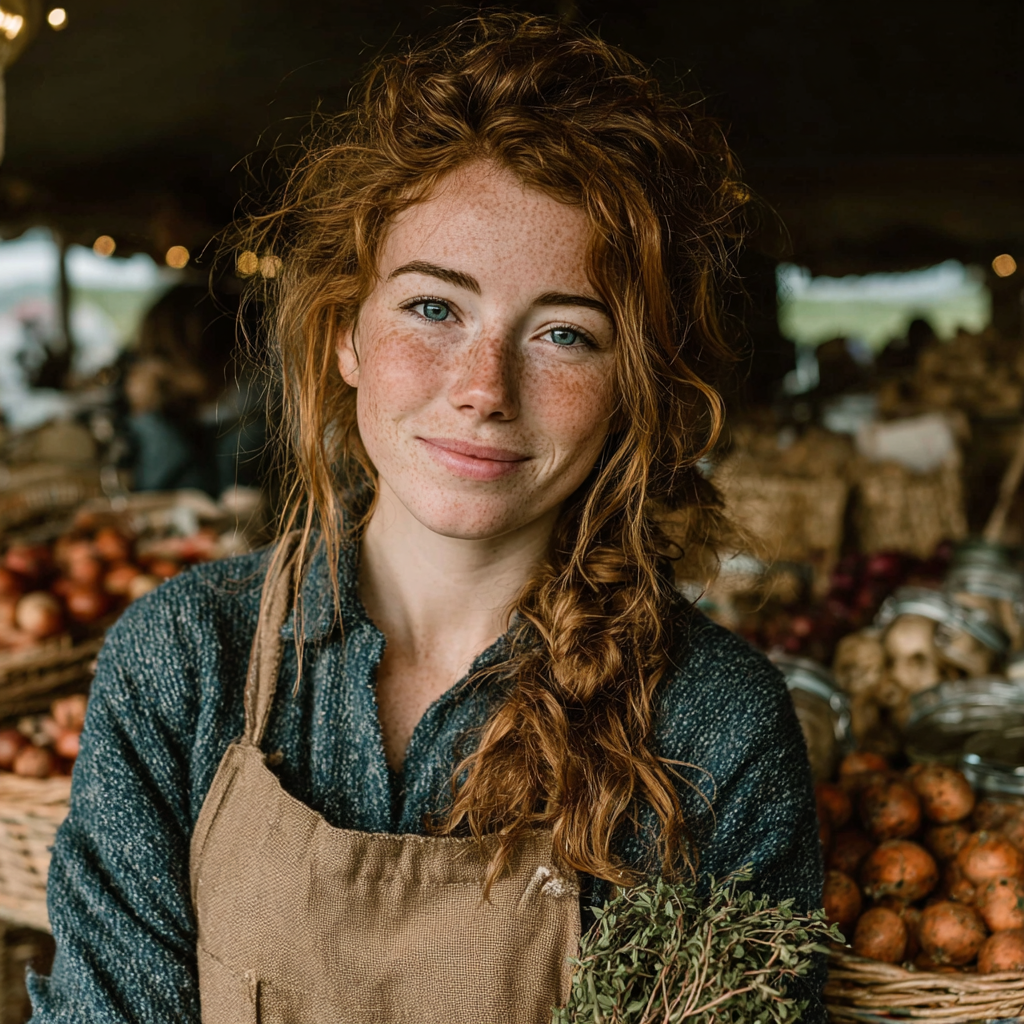
Sophie Brennan is an Irish food writer and historian based in Lisbon. She writes about the places where history, culture, and appetite intersect, and believes the best meals usually happen in the least glamorous settings.
Even if the world forgets what you ate for breakfast, I'll remember the look on your face when that octopus tried to climb off the plate.
By Sophie Brennan
Irish food writer and historian based in Lisbon. Sophie combines her background in medieval history with a passion for contemporary gastronomy. She has written for Condé Nast Traveller and authored two cookbooks exploring Celtic and Iberian culinary traditions.