
Cape Town Food & Wine: Markets, Winelands, and the Mother City's Best Restaurants
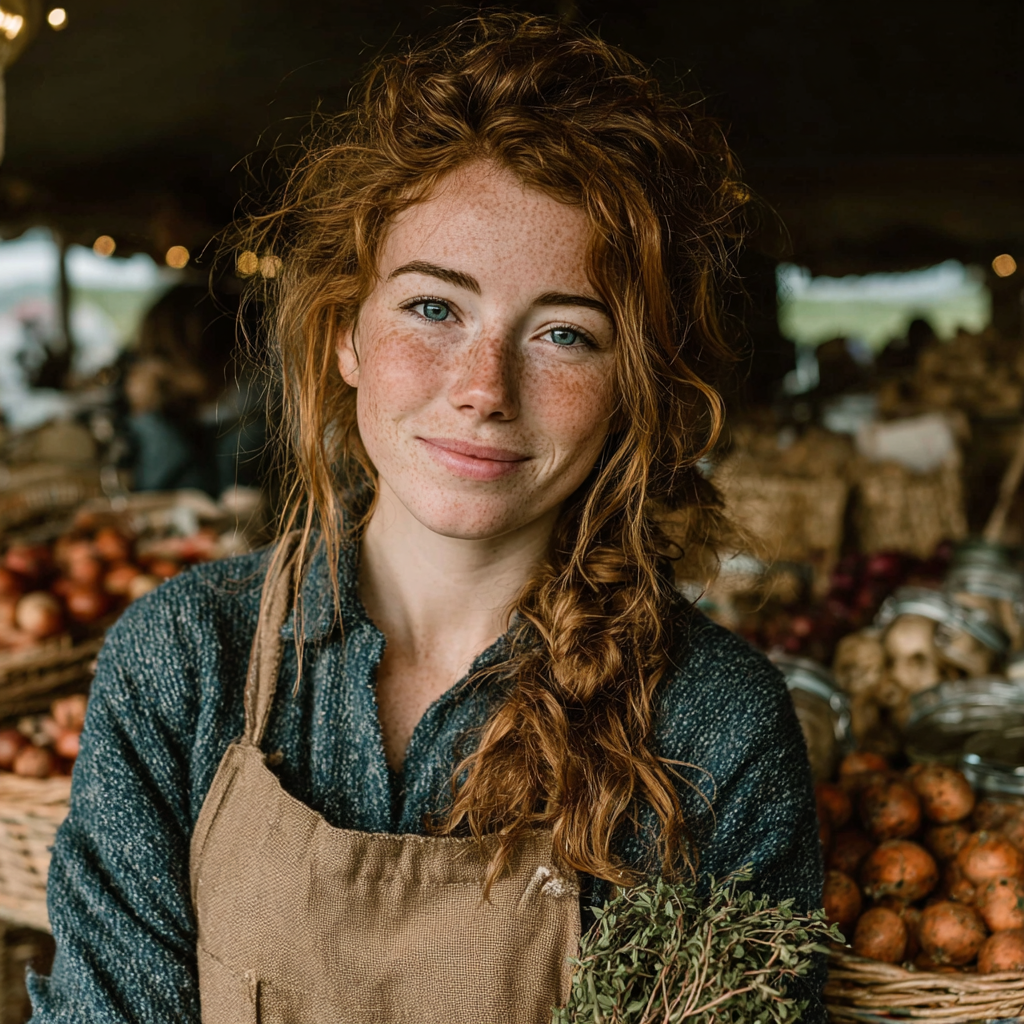
Cape Town does not apologize for its appetites. In this city, lunch starts at noon and stretches to four. Wine is poured with the confidence of a region that has been making it since 1659. And the markets — the markets are not weekend diversions but essential infrastructure, where Capetonians conduct their weekly shop over espresso and breakfast burritos while debating whether the sauvignon blanc from Elgin or Constantia is more expressive this year.
This is a port city with centuries of layered history: Dutch East India Company gardens planted in 1652, Malay slave quarters that gave birth to a cuisine now recognized as South Africa's most distinct, British colonial tables stacked with roast beef and Yorkshire pudding, and post-apartheid innovation that has produced some of the most exciting restaurants on the African continent. The result is one of the world's most dynamic food destinations, where a former biscuit factory now hosts some of Africa's best street food, and wine estates operate with the seriousness of museums and the warmth of family farms.
The first time I visited Cape Town, I made the mistake of treating it like a beach holiday with restaurants attached. I was wrong. The food here is not a garnish on the tourism experience. It is the experience. The markets are where the city understands itself. The wine estates preserve both agriculture and architecture. And the restaurants — from fine-dining temples to weekend market stalls — are where South Africa's complex history gets processed into something generous and shared.
The Markets: Where Capetonians Actually Eat
Neighbourgoods Market at the Old Biscuit Mill
373 Albert Road, Woodstock
This is the market that launched a thousand imitators. Founded in 2006 in a century-old biscuit factory, it arguably created the modern Cape Town farmers' market scene. Every Saturday from 9am to 3pm, and Sunday 10am to 4pm, the factory complex fills with smoke, music, and the smell of everything from Korean bulgogi to proper shisa nyama. The entry is free. The parking across the road at the College of Cape Town costs R20 (entrance on Kent Street). Do not arrive at 1pm expecting a table — the seating is competitive, and the locals know to come early for the best oysters and morning pastries.
The Old Biscuit Mill itself operates Monday to Friday 10am to 4pm with retail shops and restaurants, but the weekend market is the main event. Come for breakfast, stay for the vintage clothing and African-print textiles upstairs. This is where design students from the nearby college sell leather bags and handmade jewelry alongside the food stalls. The top street-food cooks in town offer an array that changes seasonally — tacos, curry, mussels, lobster rolls, shakshuka, Swahili doughnuts, Syrian coffee. There is a wine bar and cocktails, live music or DJs. The vibe is pure creative Cape Town.
Oranjezicht City Farm Market
Corner Dock Road and Granger Bay Boulevard, V&A Waterfront
Moved to Granger Bay in December 2025, and the new permanent timber barn location suits it. The market runs Saturdays 8am to 2:30pm, Sundays 8:30am to 2:30pm, and Wednesday evenings 4pm to 9:30pm during the warmer months (August to May). The setting is spectacular: white tents pitched between the working harbor and Table Bay, with the Atlantic visible from most tables and wheelchair-accessible elevated bridges connecting to Victoria Wharf. National Geographic ranked this among the world's top ten farmers' markets, and the standard is accordingly high.
This is where you find the city's best seasonal produce: heirloom tomatoes in summer, blood oranges in winter, rare fynbos honey varietals year-round. The prepared food is equally serious — dim sum with more than thirty different fillings, wood-fired flammkuchen, proper Eggs Benedict for Sunday brunch. The "brookie" (half brownie, half cookie) has developed a cult following. There is a bar area for craft beer and natural wine. Dogs on short leashes are welcome. Whales are sometimes visible offshore during migration season. Contact: 083 628 3426, [email protected].
Mojo Market
30 Regent Road, Sea Point
Offers a different rhythm. Open daily from 8am to midnight (some food stalls until 11pm), this is the market for when you want dinner at 8pm on a Tuesday. Over thirty multicultural food outlets face the ocean on Regent Road, offering everything from poke bowls to sushi to local oysters. The upstairs bar hosts live music most evenings. This is where Sea Point residents go when they do not want to cook, which is often. The sea-facing space makes it one of the most pleasant casual dining experiences in the city.
Cape Point Vineyards Community Market
Cape Point Vineyards Estate, Silvermine Road, Noordhoek
For a quieter experience, this market runs Thursday evenings 4:30pm to 8:30pm in summer. The setting is a wine estate 1.2 kilometres from the Atlantic, with long views and longer tables. Locals bring blankets and children. The food ranges from wood-fired pizza to Cape Malay curry. The estate's sauvignon blanc is poured by the glass. Contact: 021 789 0900.
Bay Harbour Market
31 Harbour Road, Hout Bay
Set in an old fish factory at Hout Bay Harbour, this is the most vibrant market in Cape Town for pure South African atmosphere. Friday nights feature live music on the Brampton sound stage that creates a genuine party atmosphere — this is the "Friday Nite LIVE!" experience, 5pm to 9pm. Saturday and Sunday run 9:30am to 4pm. Over 100 traders offer handmade clothing, jewellery, art, and foods representing every cuisine. The indoor setting means rain-or-shine visits. It is also a social enterprise supporting traders from disadvantaged backgrounds.
The Winelands: An Hour from the City
Cape Town sits at the center of one of the world's great wine regions. The Winelands — primarily Stellenbosch, Franschhoek, and Paarl — are less than an hour's drive from the city center. You could visit as a day trip, but the accommodation is good and the wine tasting better when you are not driving afterward.
Stellenbosch: The Historical Heart
Home to the third-oldest town in South Africa and some of its most established estates.
Lanzerac Wine Estate (Lanzerac Road, Stellenbosch) is the essential stop for history: the first commercial pinotage bottling happened here in 1922. The Manor Kitchen serves a seven-course wine-paired dinner on Friday and Saturday evenings (booking essential, last seating 8pm), but the Saturday afternoon tea is the more accessible tradition. The Taphuis on the estate offers simpler fare — gourmet sandwiches, local cheese platters, milkshakes made with estate ice cream. Tastings run Monday to Saturday 10am to 5pm, Sunday 10am to 3pm. Standard tasting: R120. Contact: 021 887 1130.
Tokara (Helshoogte Pass, Stellenbosch) sits atop the pass with views that reach to Table Mountain on clear days. Chef Carolize Coetzee calls her cooking "refined plaaskos" — farm food elevated but not distorted. The menu changes with the seasons, but expect four- or six-course tasting menus in the evening and à la carte lunch options. The estate's sculpture garden is worth the visit alone. There is a "selfie deck" hidden among the walking paths, if you must. Open for lunch Wednesday to Sunday, dinner Friday and Saturday. Tasting menu with wine pairing: approximately R1,200. Contact: 021 808 5900.
Jordan Restaurant (Stellenbosch Kloof Road, Stellenbosch) operates Friday and Saturday evenings only, which tells you something about its ambitions. Chef Marthinus Ferreira offers four- or six-course tasting menus with considered wine pairings from Jordan and other leading estates. The confit lamb shoulder and roast line fish with smoked fish arancini are signature dishes. This is special-occasion dining in a region that takes such occasions seriously. Dinner from 6:30pm; bookings essential two to four weeks ahead. Contact: 021 881 3441.
DUSK (84 Plein Street, Stellenbosch) offers conceptual fine dining in a dark, moody room that feels imported from Copenhagen. Executive chef Callan Austin's multi-course tasting menus push boundaries — not aggressively, but with precision. The wine pairings are remarkable. It is not inexpensive, but for those who care about where modern South African cuisine is heading, it is essential. Dinner Tuesday to Saturday from 6pm. Tasting menu approximately R1,400 with wine pairing. Contact: 021 001 6527.
Franschhoek: The French Corner
Settled by Huguenot refugees in 1688. The valley is more intimate than Stellenbosch, with a main street lined with restaurants and galleries surrounded on three sides by mountains.
Delaire Graff (Helshoogte Pass, Stellenbosch — technically between Stellenbosch and Franschhoek) is the most visually striking estate, with contemporary architecture and a sculpture collection that includes works by Deborah Bell and Lionel Smit. The restaurant Hōseki offers Japanese omakase menus — five or six courses of sushi, tempura, and robata grills — with optional wine pairings. Chef Virgil Kahn trained at Michelin-starred Saint Pierre in Singapore and Nobu before returning to South Africa. The à la carte menu includes wagyu steaks and bento boxes. Lunch and dinner seatings; last seating at 2pm for lunch, 8pm for dinner. Contact: 021 885 8160.
Arkeste at Chamonix Wine Farm (Main Road, Franschhoek) is the current project of Richard Carstens, who has been cooking in these valleys for over thirty years. His style fuses European technique with Asian ingredients — a baked Alaska might appear alongside local springbok. The setting is pure Franschhoek: mountain views, oak trees, no hurry. Open for lunch and dinner Wednesday to Sunday. Contact: 021 876 8400.
96 Winery Road (96 Winery Road, Somerset West — on the way to Franschhoek) has been serving "rustic country cooking with a dash of refinement" for nearly three decades. The duck and cherry pie and Chef Porchia's bobotie are institutions. This is where locals take their parents for Sunday lunch. Open Tuesday to Sunday, lunch and dinner. Contact: 021 842 2020.
Hemel-en-Aarde Valley: Pinot Noir Country
Closer to Hermanus than Cape Town proper, this valley has emerged as the region's pinot noir capital.
Creation (Hemel-en-Aarde Road, Hermanus) sits on a ridge overlooking vineyards and a small lake, with a tasting room and restaurant that serves multi-course menus designed around the estate's wines. The biltong butter — yes, biltong butter — is the signature you will remember. The "Harvest Love Story" menu with wine pairing is the full experience, featuring local abalone, line fish, and springbok shank with waterblommetjies (edible water flowers). Open Wednesday to Sunday, lunch and dinner. Tasting menu with pairing: approximately R1,100. Contact: 028 212 1107.
The City: Where the Innovation Happens
Cape Town's restaurant scene extends well beyond the Winelands. The city center and surrounding neighborhoods have developed a reputation for bold, internationally influenced cooking that draws chefs from around the world.
FYN (5th Floor, 81 Church Street, Cape Town City Centre) is the standard-bearer for modern South African fine dining. Chef Peter Tempelhoff's tasting menus explore what he calls "Kaapse Malay" — the Cape Malay culinary tradition filtered through contemporary technique. The restaurant occupies the fifth floor of a building on Parliament Street, with views of Table Mountain through floor-to-ceiling windows. The menu changes seasonally but always includes seafood from the nearby Atlantic and produce from the restaurant's own farm in Elgin. Dinner Tuesday to Saturday, lunch Friday and Saturday. Tasting menu: R1,350 with wine pairing R2,100. Book four weeks ahead. Contact: 021 290 5936.
The Pot Luck Club (The Old Biscuit Mill, 373 Albert Road, Woodstock) is more accessible but no less serious. Chef Liam Tomlin's shared-plates menu is designed for groups, with dishes organized by flavor profile — sweet, salty, sour, bitter, umami. The lunch and dinner service runs Tuesday to Saturday; Sunday is brunch only. The rooftop location offers views across the harbor. Reservations recommended. Contact: 021 448 0803.
Hemelhuijs (71 Waterkant Street, Cape Town) has been setting the breakfast standard for years. The space functions as a restaurant, design shop, and gallery. The breakfast menu includes Cape Malay influences — bobotie with egg, mieliepap with cream — alongside more conventional options. Breakfast is served until 11:30am; lunch until 3pm. Weekdays only. The bobotie crêpe is legendary. Contact: 021 418 2042.
Kloof Street House (30 Kloof Street, Gardens) in a converted Victorian mansion offers the city's most atmospheric dinner setting. The courtyard garden fills with fairy lights in the evening. The menu is Mediterranean-influenced but uses local seafood and meat. Dinner service from 6pm; reservations recommended for weekend evenings. Contact: 021 423 4413.
Chef's Warehouse at Beau Constantia (Constantia Nek Road, Constantia) offers a different perspective — farm-to-table cooking in a glass-walled restaurant overlooking the Constantia Valley. The eight-course "Experience" menu changes daily based on what the farm produces. Lunch and dinner Wednesday to Sunday. The "Experience": R1,450 with optional wine pairing. Book well ahead. Contact: 021 794 8632.
What to Eat: A Brief Lexicon
Bobotie is the national dish: spiced minced meat baked with an egg custard topping, served with yellow rice and chutney. Every family has a recipe. Every restaurant has a version. The good ones balance the sweetness of the dried fruit with the heat of the curry.
Biltong is dried, cured meat — beef, game, or ostrich — seasoned with coriander and vinegar. It is not jerky; the drying process is different, the texture more yielding. You will find it at every market, every sports match, every road trip. A good biltong shop will slice it to order and ask whether you want it "wet" (moist) or dry.
Braai means barbecue, but the term carries cultural weight. A braai involves wood fire, not gas. It is social architecture: the fire is lit hours before eating, the cooking is collective, the meat is served with pap (maize porridge) and chakalaka (spicy vegetable relish). If you are invited to a braai, bring wine. Do not bring salad unless specifically asked.
Cape Malay cuisine descends from the Indonesian and Malaysian slaves brought to the Cape by the Dutch East India Company. It is characterized by fragrant curries, sambals, and bredies (stews). The Bo-Kaap neighborhood, with its brightly painted houses and mosques, remains the cultural center. Several restaurants in the area serve authentic Cape Malay cooking — Biesmiellah (2 Wale Street, Bo-Kaap) and Bo-Kaap Kombuis (7 August Street, Bo-Kaap) are the established names. Both are lunch-only or early dinner, and neither takes reservations. Arrive before noon or wait.
Snoek is a local fish, related to barracuda, traditionally smoked and served with apricot jam. You will see it at fish shops and market stalls. The best is sold by the road in the Southern Suburbs on weekends.
Waterblommetjies are edible water flowers that grow in the Cape's dams, traditionally cooked in lamb stew. They are available seasonally, roughly July to September.
Gatsby is a Cape Town original: a foot-long baguette stuffed with hot chips, meat, and sauce, born in the townships of the Cape Flats and now available citywide. A full gatsby feeds three people. A half gatsby feeds one very hungry person or two reasonable ones.
What to Skip
The V&A Waterfront food court is convenient when you have been shopping and need to feed children quickly, but it is interchangeable with mall food courts in Manchester or Minneapolis. The setting is spectacular — working harbor, Table Mountain backdrop — and that is precisely why the chains have colonized it. Eat here only in emergencies.
Wine tastings without appointments at the most famous estates on summer Saturdays. Boschendal and Spier are beautiful and historically significant, but arriving without a booking on a Saturday in February means queuing behind bus tours. Book the tasting, or go midweek, or skip to a smaller estate where the winemaker might pour for you herself.
Any restaurant claiming "the best bobotie in Cape Town." Bobotie is a home dish. It does not improve with white tablecloths. The best bobotie you will eat is at a Cape Malay home in Bo-Kaap, and you will only get there if someone invites you. Restaurants that advertise their bobotie are usually serving a tourist version with too much egg custard and not enough curry.
The ``African dinner show'' experiences in the city center. Drumming, face paint, and a buffet of "traditional" foods served to bus groups are not representative of anything except what the tourism industry thinks foreigners want. If you want to understand Cape Town's food culture, go to a market at 8am and watch who is buying what.
Chain coffee shops when you could be at an independent. Cape Town's coffee culture is serious — Origin Coffee Roasting (28 Hudson Street, De Waterkant), Truth Coffee HQ (36 Buitenkant Street, City Centre), and Bean There Coffee Company (Wale Street, City Centre) all roast their own beans and employ trained baristas. A flat white at Origin is a different drink from a flat white at a global chain. Do not waste the opportunity.
Practical Notes
Getting to the Winelands: Rental car is the most flexible option. The drive to Stellenbosch takes 45 minutes from the city center. Alternatively, numerous tour operators offer wine tours with designated drivers. The "Wine Tram" in Franschhoek operates hop-on-hop-off services between estates — a good option if you plan to taste extensively. Tickets start at R260 for a day pass. Contact: 021 300 0338.
Tasting fees: Most estates charge R80 to R150 for a standard tasting of five to six wines. Premium tastings (older vintages, limited releases) cost R250 to R450. Some estates waive the fee with a purchase. Creation in Hemel-en-Aarde charges R120 for a standard tasting; Delaire Graff starts at R150.
Reservations: Essential for dinner at any serious restaurant, and recommended for weekend lunch at popular estates. Book two to four weeks ahead for places like FYN, Jordan, or DUSK. The Pot Luck Club and Kloof Street House can often accommodate with a few days' notice for lunch.
Prices: Casual lunch at a wine estate: R250 to R450 per person. Tasting menu with wine pairing: R1,000 to R1,500. Market food: R80 to R180 per dish. Coffee at an independent roaster: R35 to R50. A good bottle of estate wine at retail: R180 to R400.
Tipping: 10% to 15% is standard at restaurants. Some establishments add a service charge for groups of six or more — check the bill.
Safety: The usual urban precautions apply. Do not leave valuables visible in parked cars. In the city center, walk in groups after dark. The Winelands estates are generally safe, but arrange transport if you plan to taste extensively. Uber operates reliably in Cape Town and is the recommended option for evening restaurant visits.
Best time to visit: The harvest happens in February and March — a good time for fresh enthusiasm in the tasting rooms, but also the most crowded. April to June offers excellent weather and thinning crowds. July and August are winter: rain, cheaper accommodation, fires in restaurant hearths, and the best time to find tables at popular restaurants without booking weeks ahead.
Markets at a glance:
- Neighbourgoods Market: Sat 9am–3pm, Sun 10am–4pm (373 Albert Road, Woodstock)
- Oranjezicht City Farm Market: Sat 8am–2:30pm, Sun 8:30am–2:30pm, Wed 4pm–9:30pm seasonal (V&A Waterfront)
- Mojo Market: Daily 8am–midnight (30 Regent Road, Sea Point)
- Cape Point Vineyards Market: Thu 4:30pm–8:30pm, summer only (Noordhoek)
- Bay Harbour Market: Fri 5pm–9pm, Sat–Sun 9:30am–4pm (31 Harbour Road, Hout Bay)
- Blue Bird Garage Market: Thu–Fri 4pm–10pm (39 Albertyn Road, Muizenberg)
A Final Thought
Do not try to do it all. Pick one market for a Saturday morning — Oranjezicht for the produce and the view, Neighbourgoods for the energy and the people-watching. Book one wine estate for a long lunch — Tokara for the views, Creation for the biltong butter, Jordan for the occasion. Leave room for the unexpected: the snoek braai on the roadside in the Southern Suburbs, the coffee shop in Observatory where the barista knows every regular's order, the family-run Cape Malay restaurant in Bo-Kaap that has no website and closes when the family has something else on.
The best meals in Cape Town are not always the most expensive. They are the ones where you stay too long, drink too much, argue about whether Constantia or Stellenbosch makes the better Bordeaux blend, and leave with a bottle you did not intend to buy and a story you did not expect to collect.
Cape Town is a city that feeds you first and asks questions later. Come hungry. Stay curious. And do not rush.
About the Author: Sophie Brennan is a food writer and medieval historian based in Lisbon. She has written two cookbooks and contributes regularly to Condé Nast Traveler. She believes port cities develop the most interesting food cultures, and Cape Town confirms the theory. She visited Cape Town twice in 2025 and is planning a third trip specifically for the Franschhoek harvest.
Word Count: 3,247
Published: May 27, 2026
By Sophie Brennan
Irish food writer and historian based in Lisbon. Sophie combines her background in medieval history with a passion for contemporary gastronomy. She has written for Condé Nast Traveller and authored two cookbooks exploring Celtic and Iberian culinary traditions.