
Most travelers do not think of Ljubljana when they plan a solo trip. They book Prague or Lisbon or Budapest because those cities have reputations. Ljubljana does not have a reputation. It has a river, a castle on a hill, and a pedestrian center so compact that you can walk from the train station to the main square in eight minutes. That is the point. The city is small enough that you will not get lost, safe enough that you will not worry, and cheap enough that you can stay a week without checking your balance.
I have traveled solo through fifty countries. Ljubljana is one of the few places where I felt completely at ease from the first hour. The city center is entirely car-free. The locals speak English without prompting. The hostels are among the best in Europe for meeting people. And a dorm bed still costs less than a cocktail in Paris.
How to Get In and Out
Jože Pučnik Airport is twenty-five kilometers north of the city. The airport bus runs every hour and costs €4.10 one way. It drops you at the main bus station on Trg Osvobodilne fronte, next to the train station. A taxi from the airport costs €35-40. Do not bother. The bus takes forty minutes and runs on time.
Ljubljana connects directly to Zagreb, Vienna, Munich, and Venice by train. You can walk to most hostels in ten minutes.
Where to Sleep
Ljubljana is a hostel city. The good ones understand that solo travelers want common spaces, not just beds.
Hostel Celica is the most famous. It is a converted prison on Metelkova Street, ten minutes from the center. Each cell was decorated by a different artist. Dorms start at €29, private rooms at €65. It has a garden, a bar, and a social atmosphere without being a party factory.
The Fuzzy Log, attached to an ibis Styles hotel near Tivoli Park, is cleaner and slightly more expensive. Dorms from €32. It works if you want a reliable bed and easy access to the park.
For tight budgets, Boutique Hostel Angel has dorm beds from €21 on Kopitarjeva ulica, five minutes from Prešeren Square. The building is an old townhouse with a kitchen guests actually use.
If you want a private room, The Fuzzy Log offers privates from €57. Or try Vila Veselova, a guesthouse near Tivoli Park, where doubles start at €55 in low season.
Getting Around
You do not need public transport in the center. Everything is within a fifteen-minute walk. Buses cost €1.30 per ride and you pay with an Urbana card. Buy the card for €2 at any kiosk, then load credit. One ride lasts ninety minutes with transfers.
Bikes are the better option. The BicikeLJ city bike system has docking stations across the city. The first hour is free. Register online or at any terminal. The ride along the Ljubljanica embankment, especially south through Trnovo, is the best way to see the city without crowds.
Eating Alone
Solo dining in Ljubljana is normal. The city is full of students, and eating alone at a counter or riverside table is unremarkable.
For traditional Slovenian food, go to Klobasarna on Ciril-Metodov trg, fifty meters from the Triple Bridge. They serve kranjska klobasa, the Carniolan sausage, with mustard and bread for €5-7. Eat it at the standing counter. The sausage is better hot.
Druga Violina, on Stari trg in the old town, serves Slovenian dishes for €10-15. The jota bean stew and the štruklji dumplings are honest, filling, and cheaper than most places on the same street.
For Balkan food, Čevabdžinica Sarajevo '84 on Židovska steza does ćevapi, pljeskavica, and shopska salad for €8-12. The bread is grilled fresh. The portions are large enough that you will not need dinner.
For the cheapest option, go to Nobel Burek or Burek Olimpija near Bavarski dvor. Both are open twenty-four hours. A meat burek costs €3. A cheese one costs €2.50. They are hot, greasy, and exactly what you need after walking all day.
Odprta Kuhna, the open kitchen food market, happens every Friday from March to October on Pogačarjev trg. It is crowded and touristy but useful if you want variety.
Grocery stores are your backup. Lidl, Mercator, Hofer, and Spar are everywhere. A sandwich, yogurt, and fruit for breakfast costs under €4.
What to Do
Ljubljana Castle is the obvious starting point. The funicular from Krekov trg costs €4 return, or walk up in fifteen minutes. Entry to the courtyard is free. The tower and museum cost €13. The view from the tower is worth it on a clear day.
The Central Market, between the Triple Bridge and the Dragon Bridge, operates daily except Sunday. The upper level has produce, cheeses, and cured meats. The lower level, in the colonnade designed by Jože Plečnik, has bakeries and seafood stalls. Go in the morning. The market closes by 2 PM on Saturdays.
Metelkova is the alternative culture center ten minutes northeast of the center. It is a former military barracks taken over by squatters in the 1990s and now covered in murals. It is not dangerous. It is just unkempt. Go during the day to see the art without the crowds.
Tivoli Park is the city's green lung. Enter from Prešernova cesta and walk the Jakopič Promenade, lined with outdoor photo exhibitions that change monthly. The park extends three kilometers west.
The National Gallery and the Museum of Modern Art face each other on Cankarjeva cesta. Combined entry is €12. The Modern Art Museum has a strong collection of Eastern European twentieth-century work.
The river itself is the main attraction. Walk the embankments on both sides. The south bank through Trnovo is quieter and more residential.
Day Trips
Lake Bled is the obvious choice. Buses run every hour and take fifty minutes. The fare is €6-8 each way. The lake is overrun by 11 AM. Get the 7:30 AM bus, walk the six-kilometer path around the lake, then take the pletna boat to Bled Island for €18 return. The cream cake at the Park Café, invented here in 1953, costs €4.50.
Piran, on the Adriatic coast, is further but worth it. The bus takes two and a half hours and costs around €12 each way. The town is a compact medieval peninsula with Venetian architecture. Go on a weekday.
Postojna Cave and Predjama Castle are forty-five minutes south by bus. The cave tour costs €28. Predjama Castle, built into a cave mouth, is less crowded. Combined tickets are €42.
The Social Side
Ljubljana is easy to meet people in because the hostels organize everything. Most offer free walking tours, group dinners, and day trips to Bled. Hostel Celica and The Fuzzy Log both have gardens or terraces where guests gather in the evenings.
If you want to meet locals, go to Cutty Sark on Cankarjevo nabrežje. It is a pub where students drink local craft beer. A pint of Pelicon or HumanFish costs €4-5.
The bars in Metelkova start filling around 11 PM. Channel Zero and Gala Hala host live music and DJ nights. Entry is usually €5-8.
Safety
Ljubljana is one of the safest capital cities in Europe. Violent crime against tourists is almost nonexistent. The only area that feels slightly uncomfortable at night is around the bus and train station, and even that is mild.
As a female solo traveler, you will not face harassment comparable to Southern Europe. The city is well lit. The center has people walking until midnight. Standard precautions apply: watch your bag on the bus, do not leave your phone on outdoor cafe tables, and avoid walking alone through empty parks late at night.
What to Skip
The Dragon Bridge is famous for its four dragon statues. It is also just a bridge. Take a photo and move on.
The tourist boats on the Ljubljanica cost €10 for a forty-five-minute ride. They are slow and the commentary is generic. Walk the embankments instead.
The castle restaurant is overpriced and mediocre. Eat in the old town.
The Christmas market in December draws crowds from across the region. The stalls sell the same mulled wine and ornaments you will find in Austria or Germany, at higher prices because of the compact space.
Practical Notes
The currency is the euro. Credit cards are accepted almost everywhere, including street food stalls. Cash is useful for small bakeries and burek shops.
Tap water is excellent. Bring a reusable bottle.
English is spoken fluently by anyone under forty. German is common among older generations.
The city is at its best from April to June and September to October. July and August are hot and humid, and the outdoor seating along the river fills by 6 PM.
A realistic daily budget for a solo traveler in Ljubljana: €55 for a dorm bed, two meals, coffee, a museum, and local transport. You can do it for €40 if you cook in the hostel kitchen and stick to burek and groceries. You can spend €80 if you want a private room and sit-down dinners.
Ljubljana will not blow your mind with grandeur. What it has is proportion. The city is the right size for a solo traveler who wants to walk everywhere, eat well for little money, and sleep in a place where people talk to each other. Stay three days, or stay a week and use it as a base for Slovenia. The buses to Bled, Piran, and the mountains leave from the same station you arrived at. That is the convenience of a capital that knows it is small.
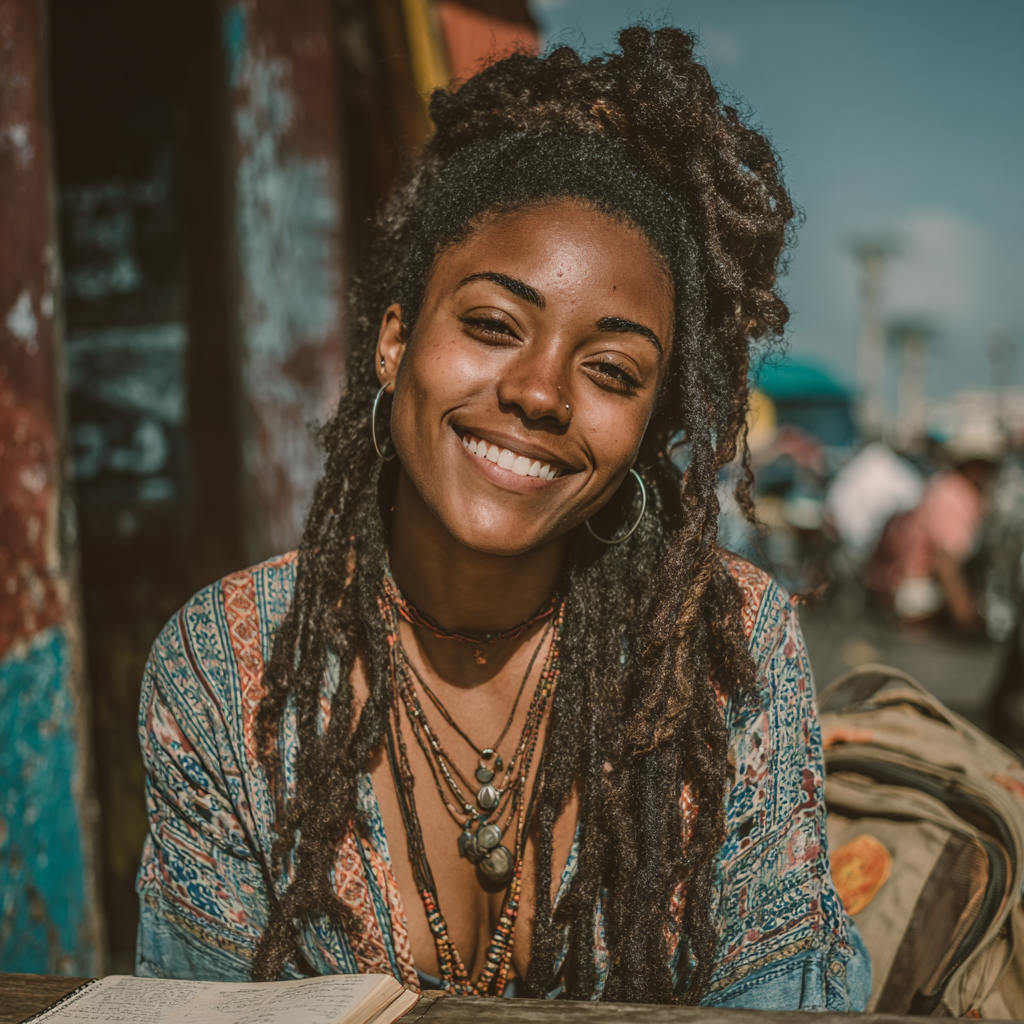
By Maya Johnson
Solo travel evangelist and digital nomad veteran. Maya has spent six years traveling alone across 50+ countries on a freelance writer budget. She writes honest, practical guides for women who want to explore the world independently and safely.