
Slovenia: The Country That Banned Cars From Its Capital and Built a Tourism Model the Rest of Europe Is Copying
A conservation biologist's guide to the world's first Green Destination of the World, where sustainable travel is the default, not the alternative.
On this page
Slovenia is the only country I have visited where the capital's mayor got elected on a platform of banning cars from the city center and then actually did it. Ljubljana began pedestrianizing its core in 2007, and today the entire historic center is closed to private vehicles. Not partially. Not on weekends. The city runs on foot, bicycles, and electric shuttle buses called Kavalirs that ferry people with limited mobility for free. This is not a greenwashing campaign. It is infrastructure, and it works.
The country is smaller than Wales, with a population of two million, yet it holds more than 300 Slovenia Green-certified destinations. These are not self-awarded stickers. The certification aligns with Green Destinations criteria and covers accommodations, restaurants, tour operators, and entire municipalities. In 2016, Ljubljana became the European Green Capital. In 2023, the entire country was declared a Green Destination of the World — the first nation ever to achieve it. In June 2025, Slovenia topped the Global Peace Index as the safest country on Earth, ending Iceland's seventeen-year run. None of this is marketing. It is the result of two decades of deliberate policy.
I went to test whether the sustainability label actually means anything for travelers, or if it is just branding. What I found is that Slovenia has built a tourism model where the green choice is usually the cheaper, easier, and more interesting one. That is the difference between genuine policy and greenwashing.
Ljubljana: Where the Model Is Most Visible
The capital is the logical starting point. You walk everywhere. The URBANA card, which costs €2 and is rechargeable, covers buses, the BicikeLJ bike-share system, parking, and even the castle funicular. A weekly bike-share pass is €1, and the first hour of every ride is free. The Kavalir shuttles, small electric vehicles, cruise the pedestrian zone and stop when you wave them down. There is no app, no booking, no fee. They just exist.
The architecture helps. Jože Plečnik, a Slovenian architect who studied under Otto Wagner in Vienna, redesigned much of the city in the early twentieth century. His Triple Bridge, Market Colonnade, and Žale Cemetery are UNESCO-listed. The Market Colonnade has concrete ribs that filter light onto the river. The National and University Library has a reading room with coffered wood ceilings and black marble columns. These are not tourist attractions. They are public buildings, and you walk through them without paying.
Ljubljana Castle overlooks it all from a forested hill. Entry to the castle exhibitions costs €15; the version that includes the funicular return is €19, though the walk up takes fifteen minutes and costs nothing. The viewing tower gives you the full layout of the green city below, and it is the one paid view in town I would not skip.
Behind the train station, Metelkova City occupies a former Yugoslav barracks with painted facades, sculpture, and a bar program that runs until the early hours. It is an autonomous cultural center, not a curated district, and it gives the polite green capital an edge most visitors do not expect.
Food is where the green policy becomes tangible. The Odprta Kuhna open kitchen market runs every Friday from March to October at the Central Market. It is not a tourist event. Office workers, students, and families eat there. A plate of jota, the bean and sauerkraut stew, costs €6. A Kranjska klobasa, the Carniolan sausage protected by EU designation, runs €5-7 at Klobasarna on Mestni Trg. The market itself, under Plečnik's colonnade, sells produce from farms within fifty kilometers. The cheese vendor on the eastern end sources his milk from a cooperative in the Poljšica Valley. He will tell you the name of the farmer if you ask.
Accommodation is straightforward. Hostel Celica, a converted military prison near the train station, has cells redesigned by artists and charges €24-35 for a dorm bed including a free breakfast that is genuinely good; it holds a 9.3 rating on Hostelworld and ranks among the best hostels in Europe. The Fuzzy Log, an ibis Styles hostel near Tivoli Park, runs €22-32. Tresor Hostel on Čopova Ulica, inside a former bank vault, starts at €16. For mid-range, Hotel Cubo on Slovenska Cesta charges €90-120 per night and holds a Slovenia Green certificate. The Hotel Ljubljana, near the castle, runs €110-150.
Getting Out: The Real Test
Slovenia is small enough to cross in three hours, and the public transport is better than most travelers expect. The IJPP bus and train network connects Ljubljana to Bled, Bohinj, Piran, and Maribor. A bus ticket from Ljubljana to Bled costs €7.30 and takes about seventy-five minutes, with departures every fifteen to thirty minutes. The train to the Bohinj valley costs around €9. The ride to the coast through the Vipava Valley vineyards costs €8.50-11 and takes two hours. If you drive, the 7-day motorway e-vignette costs €16.50, bought online at evinjeta.dars.si or at petrol stations near the border. Driving without one draws fines of €300-800, and the cameras are everywhere. You do not need a car for the main destinations.
Lake Bled: Where the Model Gets Strained
Bled is the postcard everyone sees, and it is where the sustainability policy faces its hardest test. The lake receives over a million visitors a year. The municipality has responded with park-and-ride facilities at the edges of town and free electric shuttles that loop to the lakefront. A new e-bus network, launched for the 2026 season, links the lakefront, the bus station, and the Vintgar Gorge shuttle stop.
The pletna boats, traditional wooden vessels rowed by local boatmen, are still human-powered. A return ride to Bled Island now costs €20 per adult and €10 for children aged four to twelve, and the boatmen take cash only. You get exactly forty minutes on the island: the Church of the Assumption, the 99 stone steps, the wishing bell. Entering the church and bell tower costs another €12. Bled Castle, perched on its cliff, charges €16 and includes a museum of regional history. The view from the Ojstrica viewpoint, a twenty-minute steep walk from the lake's southern edge, is free and better than the castle's.
The big cultural news of 2026 is the Lah Museum, a contemporary art museum designed by David Chipperfield, which opened below the castle in summer 2026 with a collection of more than 800 works. It gives Bled something it never had: a reason to stay after the day-trippers leave.
Swimming happens at the Grajsko Kopališče bathing area on the northern shore, which charges €13 a day for adults in high season, or free at the informal beach near Velika Zaka on the western edge. Bled adds a tourist tax of €3.13 per person per night to every accommodation bill, and lakeside parking meters run €3 per hour.
Lake Bohinj: Where the Policy Works
Twenty-five minutes west of Bled, Bohinj is larger, deeper, and wilder. There are no large hotels on the water. The water is clean enough to drink. The municipality has stricter traffic restrictions than Bled, and the area feels quieter for it. The Savica Waterfall, at the lake's western end, charges around €4 to enter the trail. The Vogel cable car climbs to 1,535 meters for €22 return and opens onto the full wall of the Julian Alps; in clear weather you can see the Adriatic from the ridge. The Julian Alps Card, included with some accommodations, covers free local transport and a panoramic electric boat ride on the lake.
The Soča Valley: Green Credentials at Full Strength
Further west toward the Italian border, the Soča River runs turquoise on limestone sediment from the Julian Alps, and the water is cold enough to shock you even in July. The valley is the center of Slovenia's outdoor industry, but it is regulated. Rafting companies need permits; guided half-day rafting runs €45-65, canyoning €50-70. The trails in Triglav National Park are marked and maintained, and camping outside designated areas is illegal and fined — the rangers check. The park headquarters in Trenta charges nothing to enter and provides free maps. The Kredarica hut, at 2,515 meters below the summit of Mount Triglav, charges €60-70 for a bed in summer and requires advance booking. The summit is a national symbol, and climbing it is a rite of passage for Slovenians. The standard route takes two days and needs no technical gear, though the final ridge is exposed.
The Karst: Where the Geology Gets Strange
Between Ljubljana and the coast, the limestone does strange things. The Škocjan Caves, a UNESCO World Heritage site, hold an underground canyon of the Reka River that you cross on the Cerkvenik footbridge, 47 meters above the water. The official 2026 price list runs seasonal: €16 in winter, €18 in April and October, €22 in May, June, and September, and €24 in July and August, with discounts for students and seniors. Tours are guided only, run at fixed times, involve 500 to 800 steps, and photography is forbidden inside the canyon to protect the ecosystem. Book online a few days ahead; the park is closed January 1 and December 25. The temperature inside is a constant 12°C, so bring a layer even in August.
The more famous Postojna Cave, a 24-kilometer network with an electric train running inside, charges €29.90 for the cave tour alone in 2026, with combination tickets that add Predjama Castle and the Vivarium running €42.50-49.90 depending on the bundle. Buy online for the discounted rate; parking at the cave park costs €6. Predjama Castle alone, built into a cave mouth fifteen minutes away, costs €17. It was the seat of the robber baron Erazem Lueger, who was besieged for a year and allegedly smuggled food in through a secret cave passage. The castle is absurdly photogenic and entirely real. If you must choose one cave system, choose Škocjan: it is more dramatic, less commercial, and the crowd-to-wonder ratio is far better.
The Coast, Often Overlooked
Piran, a Venetian-style town on a peninsula jutting into the Adriatic, has a car-free historic center of its own. The town walls date to the fifteenth century, and climbing the bell tower of St. George's Church costs about €3. The salt pans at Sečovlje, just south of the Croatian border, are still worked with medieval methods. The Lepa Vida Thalasso Spa, built into the salt flats, uses seawater and salt mud in its treatments; a day pass costs €35. Koper, ten minutes north, has an industrial harbor but the better train connection to Ljubljana — the ride costs €8.50 and takes about two hours.
The East: Ptuj, Maribor, and Wine Country
Everyone flies into Ljubljana and drives west. The east of the country, flat and vineyard-covered, gets a fraction of the visitors, and 2026 is its moment: Ptuj, Slovenia's oldest town, is the European Capital of Cultural Heritage for 2026, with a full program of exhibitions and events running all year around its medieval core and castle. Maribor, an hour north, holds the oldest vine in the world — a 400-year-old Žametovka still producing wine — and the Lent festival district along the Drava. Wine tasting here is unpretentious and cheap: expect €8-15 for a flight of four at a family cellar in the Slovenske Konjice or Haloze hills, compared with the reservation-list scene of the Vipava Valley.
Entry Formalities and Money
Slovenia uses the euro and has been fully inside the Schengen Zone since January 2023. EU citizens need only a national ID card. For everyone else, the standard Schengen 90-days-in-180 rule applies. The EU's Entry/Exit System went live in April 2026, so non-EU passports are registered biometrically at the border — expect a photo and fingerprint scan on arrival and departure. ETIAS, the pre-travel authorization that was supposed to accompany it, is still not live as of October 2026; when it finally starts, it will cost €7 through the official European Commission site only. Ignore third-party sites offering "ETIAS services" for a markup — they are scams, and this early they cannot even process anything.
Cards work everywhere in Ljubljana and at major attractions; Visa and Mastercard are universal, contactless is standard. In villages, at market stalls, and with the pletna boatmen, carry cash. ATMs are easy in Ljubljana, Bled, Piran, and Maribor and sparse in the Soča Valley and the eastern wine hills. Tipping is not obligatory; rounding up or leaving 5-10 percent at sit-down restaurants is appreciated. The tourist tax, €3.13 per person per night in Bled and similar amounts elsewhere, is charged separately and rarely included in quoted rates. At October 2026 exchange rates, one euro buys roughly $1.10.
When to Come
May to June and September to October are the sweet spots: 18-22°C in the lowlands, thinner crowds, alpine meadows in bloom, and hotel rates in Bled running €40-60 per night below the July-August peak. July and August are hot in Ljubljana and packed at Bled, where mid-range rooms hit €250-350 and sell out weeks ahead. Winter is cold but cheap; the ski resorts at Kranjska Gora and Vogel charge roughly half the price of Austria, and the Julian Alps are snow-covered from December to March. Many mountain huts close between November and May — check the Alpine Association of Slovenia website before planning a trek. The Soča Valley's rivers are at their wildest in spring snowmelt, which is when the rafters come.
Honest Math
Budget travelers can do Slovenia on €55-90 per person per day: a hostel bed at €16-35, market or gostilna meals at €10-15, buses between destinations at under €10 a leg, and free scenery doing the heavy lifting. Mid-range comfort runs €150-220 per person per day sharing a double room, with hotels at €80-150, restaurant meals at €25-40, and two or three paid attractions a day. Luxury is genuinely rare outside Bled's lakefront strip and Ljubljana's design hotels; the top tier there runs €350-530 per person per day. The Ljubljana Card, at €41 for 24 hours or €54 for 48, includes public transport, the castle funicular, and entry to most museums. It pays for itself if you visit three paid sites in a day. The one place the math breaks is Bled in July and August: book accommodation at least two weeks out or the lake will price you out.
What to Skip
The kremšnita ritual. Bled's cream cake is a vanilla slice, every café sells one, and the queue at the Park Hotel for the "original" is rarely worth the €7.50. The Vintgar Gorge between 11 AM and 4 PM in high season: the 2026 all-in-one ticket costs €15 for adults (€5 for children), includes parking at the LIP car park and the free e-shuttle, uses timed slots capped at 245 visitors in the gorge at once, and runs a permanent one-way system. Go before 9 AM or after 5 PM, or skip it when it is mobbed — the gorge is closed entirely December through March. Postojna Cave on a rainy August afternoon, when the tour groups stack up: Škocjan is the better cave. The casino in Bled, a Yugoslav-era leftover that feels like a time capsule nobody asked for. Wild camping anywhere in Triglav National Park — the fines are real and the rangers do patrol. The taxi drivers who approach you inside Ljubljana airport arrivals; the official stand charges €35-40 to the center, and the public bus does it for €4.
The Last Word
Slovenia's green tourism model is not perfect. Bled is crowded in August. The buses to remote valleys do not run frequently. A car is still useful for the Logar Valley and the eastern wine hills, where public transport thins to nothing. But the country has made the sustainable choice the default rather than the alternative. That is the difference between policy and marketing. You do not have to try hard to travel green here. The infrastructure does it for you — and then hands you a plate of bean stew at the central market and tells you which farm the milk came from.
Priya Sharma is a conservation biologist with an MSc in Biodiversity Conservation from the University of Queensland. She has worked with eco-lodge initiatives in Costa Rica, Rwanda, and the Western Ghats of India, and she writes about destinations where environmental policy actually changes how travelers experience a place. She believes the best sustainable tourism is the kind you do not notice because it is already built into the system.
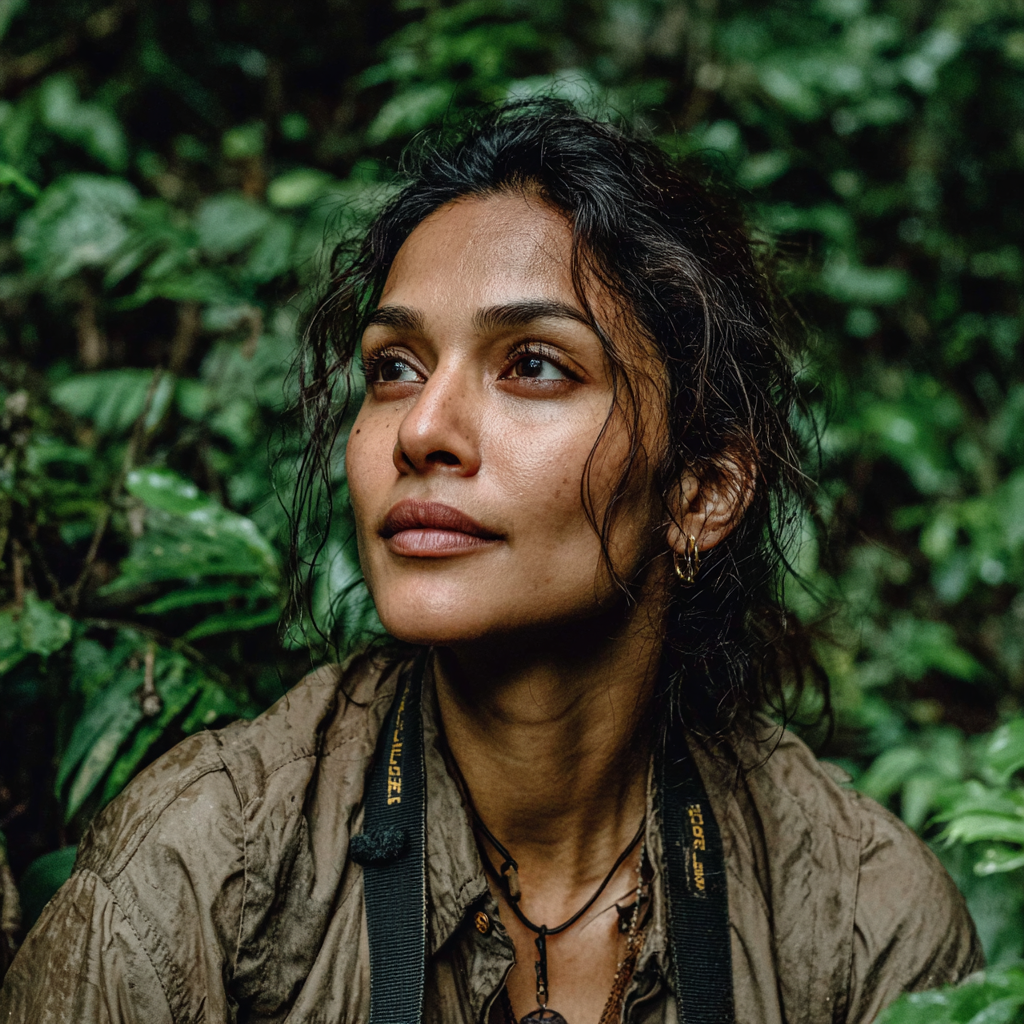
About Priya Sharma
Conservation biologist and sustainable tourism advocate. Priya works with eco-lodges and wildlife sanctuaries to promote ethical travel practices. She holds an MSc in Biodiversity Conservation and has spent years tracking endangered species across the Indian subcontinent.
More by Priya Sharma