
Singapore's Food Wars: Where Taxi Drivers and Millionaires Eat the Same S$5 Chicken Rice
Singapore's hawker culture is the most democratic food scene on earth—here's where taxi drivers and CEOs eat the same chicken rice, from Maxwell to Old Airport Road.
Singapore's Food Wars: Where Taxi Drivers and Millionaires Eat the Same S$5 Chicken Rice
Singapore's food culture isn't a sideshow to its skyline and shopping malls. It is the main event. This is a country where the national pastime is eating, where government ministers blog about hawker stalls, and where the biggest annual dispute is over which stall makes the best chicken rice. If you leave Singapore without understanding how food holds this multicultural society together, you have missed the point entirely.
The numbers are staggering. Singapore has more than 100 hawker centers, over 6,000 stalls, and exactly one hawker stall still holding a Michelin star (Hill Street Tai Hwa Pork Noodle, out in Lavender). A plate of chicken rice costs S$5 (about US$3.80). A Peranakan tasting menu costs S$175. Both are essential. Both are Singapore.
This guide is written by someone who has eaten his way through Madrid's tapas bars, Mexico City's taquerías, and Tokyo's izakayas—and will tell you, without hesitation, that Singapore's food scene is the most democratic and the most delicious on earth. What follows is not a checklist but a map to the places where the food has history and the flavors will ruin you for anywhere else.
---
The Hawker Center: Singapore's Great Equalizer
The hawker center is Singapore's great equalizer. These open-air food courts, housed in concrete buildings that prioritize ventilation over aesthetics, are where taxi drivers, CEOs, and tourists all line up at the same stalls. The system is a product of necessity. In the 1960s and 70s, the government forcibly relocated street food vendors into regulated centers to improve hygiene and urban planning. The result was the preservation of culinary traditions that might otherwise have disappeared, now maintained under strict health codes and subsidized rent.
In 2020, Singapore's hawker culture was recognized by UNESCO as Intangible Cultural Heritage. This matters: the state is now bound to protect these spaces, recipes, and the people who make them. The average stall rent is S$500–1,500 per month—low enough that a vendor can survive selling S$4 plates for decades.
The unspoken rules matter as much as the food. Tissue packets on tables reserve seats—respect the system. Return your tray or face a S$300 fine. Cash is universal, though QR payments are spreading. Most hawker centers open by 8am and close by 10pm; many stalls take one rest day a week, and the best sell out by early afternoon.
Maxwell Food Centre (1 Kadayanallur Street, Singapore 069184, near Chinatown MRT Exit A) is the classic introduction. It opens daily 8am–10pm, though individual stalls vary. Tian Tian Hainanese Chicken Rice (stall #01-10, established 1986) won the endorsement of Anthony Bourdain, which means the line moves slowly but the food delivers. The chicken is poached until just cooked, then plunged into ice water to create that distinctive gelatinous skin. The rice is cooked in chicken fat and pandan. The chili sauce is sharp with ginger and lime. A medium plate costs S$6, a small roasted-chicken plate S$5. The stall keeps Tue–Sun hours of roughly 10am–7:30pm and is closed Mondays. The trick is to arrive before 11:30am or after 2:30pm. Rival Ah Tai Hainanese Chicken Rice (#01-07, run by a former Tian Tian chef) does a fattier, more old-school bird if you cannot face the queue — the Tian Tian–Ah Tai rivalry is the city's great chicken-rice cold war. Tian Tian opened a flagship at Jewel Changi Airport in August 2026; eat there only if the Maxwell line defeats you.
Also at Maxwell: China Street Fritters (#01-64, S$3–5) does ngoh hiang, a five-spice meat roll wrapped in bean curd skin and deep-fried until the exterior shatters. The stall has been operating since 1946.
For something less touristed, head to Old Airport Road Food Centre (51 Old Airport Road, Singapore 390051, open 6am–10:30pm). This is where locals actually eat, in the east near Mountbatten MRT—over 150 stalls, office workers on weekdays, families on weekends. Long queues are the signal.
Nam Sing Hokkien Mee (#01-32, S$5/8/10) is a Michelin Bib Gourmand stall that has been running a century-old family recipe. The Hokkien mee is slow-braised in crustacean stock until every strand of thin vermicelli and yellow noodle soaks up umami. No sambal here—just fresh chili padi to highlight the wok hei and prawn taste. They sell out by 2pm. Closed Mondays. Call +65 6440 5340 at least an hour ahead for takeaway if you want to skip the queue.
Hong Heng Beef Noodle Soup (#01-42, S$5–8) has been making the same Teochew-style beef broth since 1960. The soup is clear, deeply flavored with star anise and cinnamon, and the meat is sliced thin enough to read through. It is medicinal, comforting, and unchanging.
Lao Fu Zi Fried Kway Teow (#01-12, S$4–6) does smoky char kway teow with the charred wok hei that only comes from decades of seasoning on a single wok. The noodles are flat rice noodles stir-fried with egg, cockles, Chinese sausage, and lard. It is a heart attack on a plate and worth every calorie.
Newton Food Centre (500 Clemenceau Avenue North, Singapore 229495, near Newton MRT Exit B, open 12pm–2am) has a reputation for tourist pricing, and it is partially deserved. But if you go with a local or follow the longest queues of Singaporean office workers, you will eat well. The satay at Alliance Seafood (stall #01-57, S$0.80–1 per stick, minimum 10 sticks) is properly charcoal-grilled, the peanut sauce not overly sweet. Get the chicken, mutton, and prawn mixed plate. Fresh sugarcane juice with calamansi runs S$2 two rows over. Newton stays open late, ideal for post-dinner grazing.
Tiong Bahru Market (30 Seng Poh Road, Singapore 168898, near Tiong Bahru MRT, open 6am–10pm) is the prettiest hawker center in Singapore, surrounded by the 1930s art deco shophouses that make this the city's most architecturally significant neighborhood. The market building — on the site of the 1951 Seng Poh Road Market — shut for three months of NEA renovation in 2025 and reopened mid-year with new floors, fans and tables. Loo's Hainanese Curry Rice (#02-67/68, roughly 8:30am–3pm, closed Thursdays, S$4–8) is the essential Tiong Bahru plate: point at your combination — pork chop, braised cabbage, chap chye, egg — and a sweet-dark Hainanese curry gets ladled over the rice until the plate is half rice, half gravy. Hong Heng Fried Sotong Prawn Mee (#02-01, S$4.50–7) has been serving wok-fried noodles since 1962. Jian Bo Shui Kueh (#02-05, S$4–6, Michelin Bib Gourmand) does chwee kueh—steamed rice cakes topped with preserved radish and chili. The texture is soft, the flavor is sharp, and the stall has been at it since 1958. Come on a Saturday morning, eat here, then wander the pre-war shophouses of Tiong Bahru.
Chinatown Complex Food Centre (335 Smith Street, Singapore 050335, near Chinatown MRT, open 8am–10pm) is the largest hawker center in Singapore with over 260 stalls. Hawker Chan Soya Sauce Chicken Rice (#02-126, 10:30am–3:30pm, closed Sundays) became the world's cheapest Michelin-starred meal in 2016 — then lost the star in 2021, which says something about how far the brand has drifted since. The soy sauce chicken is lacquered and glossy, the rice fragrant. Go with modest expectations. Jin Ji Teochew Braised Duck & Kway Chap (#02-156, Sat–Thu 10:30am–6pm, closed Fridays, S$4–8) serves fall-apart duck with yam rice and a braising liquid so dark it stains the plate; the skin stays slightly rubbery in the way duck skin should be. Owner Melvin Chew founded the Hawkers United – Dabao 2020 Facebook group during COVID, matching thousands of hawkers with delivery orders when the stalls emptied—ask him about it while the duck is chopped. Ann Chin Popiah (#02-112, S$2.50–5) makes fresh spring rolls to order, the skin a thin wheat crepe wrapped around jicama, egg, peanuts, and sweet sauce. The stall has been run by the same family since 1958. Closed Mondays.
---
The Kopitiam: Where Singapore Wakes Up
The kopitiam serves a different function than the hawker center: a breakfast institution where uncles read newspapers and argue about politics over kopi and kaya toast. The word fuses the Malay kopi (coffee) with the Hainanese tiam (shop), a format created by Hainanese cooks in British colonial households who adapted the English breakfast to local tastes.
Kaya is a coconut jam made with pandan and egg, cooked slowly until it reaches the consistency of custard. It is spread thick on charcoal-grilled bread with cold butter—the contrast of hot toast and cold butter is the point. The eggs are soft-boiled with white pepper and dark soy for dipping; the coffee is pulled through a sock filter with condensed or evaporated milk.
Killiney Kopitiam (67 Killiney Road, Singapore 239525, near Somerset MRT, open 6am–10pm daily) claims to be the original, established in 1919. The toast is good, the kopi is properly pulled, and the soft-boiled eggs come with the right proportion of white pepper and dark soy. The space is narrow, the fans are slow, and the regulars have been coming for decades. The set breakfast (toast, eggs, coffee) runs S$6–8.
Ya Kun Kaya Toast is the franchised version found in every shopping mall. Purists dismiss it, but the quality control is consistent and the air conditioning is reliable. Order your kopi by density and sweetness: "kopi" is coffee with condensed milk, "kopi-O" is black with sugar, "kopi-C" is with evaporated milk, kosong means no sugar, peng means iced. "Kopi-O peng kosong" is black, iced and unsweetened—it will keep you awake through afternoon meetings.
Tong Ah Eating House (35 Keong Saik Road, Singapore 089142, +65 6223 5083, near Outram Park MRT, open daily 7am–10pm — except Wednesdays, when it shuts at 2pm) has been operating since 1939 in a corner shophouse on Keong Saik Road. The toast is thinner and more charred than Killiney's, the eggs runnier, the coffee stronger; the crowd is older and the room still feels like a kopitiam from before heritage became marketing.
---
Peranakan Cuisine: The Food of Hybrid Culture
Peranakan cuisine, the food of the Straits-born Chinese, is Singapore's hybrid culture on a plate: Chinese ingredients cooked with Malay and Indonesian techniques—ayam buah keluak (chicken with black nuts), laksa lemak (coconut curry noodle soup), kueh (steamed rice cakes). It developed over centuries as Chinese traders married Malay women and built a culture with its own language, dress, and food.
Candlenut (17A Dempsey Road, Singapore 249676, open 12pm–3pm and 6pm–10pm daily, reservations recommended) in the Dempsey Hill area is the standard-bearer for modern Peranakan fine dining. Chef Malcolm Lee earned the world's first Michelin star for Peranakan food here in 2016 and has kept it every year since. The tasting menu runs around S$175 all-in, but the a la carte options are accessible. If you cannot get a table, Lee's newer Pangium (one Michelin star, in the Botanic Gardens' Gallop Extension) digs into 'lost' Straits recipes. The buah keluak is properly fermented and rich with tamarind. The laksa is creamy, spicy, and served with fresh prawns and thick rice noodles. The space is a converted colonial barracks, the service is polished, and the flavors are precise. Book two weeks ahead.
For traditional Peranakan cooking without the tasting-menu price tag, The Blue Ginger (97 Tanjong Pagar Road, Singapore 088518, near Tanjong Pagar MRT, open 11:30am–2:30pm and 6pm–10pm daily) has been serving Nyonya classics since 1998. The ayam buah keluak (S$18) is the signature—chicken stewed with fermented black nuts that taste like a cross between chocolate and truffle. The ngoh hiang (S$14) is a five-spice meat roll with more complexity than the hawker version. The chap chye (S$12), a mixed vegetable stew, is the kind of home cooking that grandmothers guard.
Kim Choo Kueh Chang (60 Joo Chiat Place, Singapore 427784, near Eunos MRT, open 9am–6pm daily) has been making rice dumplings since 1945. The traditional Nyonya dumpling is blue from butterfly pea flower, filled with minced pork and candied winter melon. They cost S$3.50 each and make excellent gifts. The shop is a living museum—glass cases display antique Peranakan jewelry, beaded shoes, and porcelain. The family behind the counter will happily explain the difference between Hokkien and Nyonya dumplings if you ask.
328 Katong Laksa (on East Coast Road in Katong, near Dakota MRT, open roughly 10am–9pm daily) is a chain that started as a single stall and has expanded while maintaining quality. The Katong laksa is rich, spicy, and coconut-infused. The noodles are cut into short strands so you can eat the whole bowl with just a spoon—no chopsticks needed. This is practical, not lazy. The bowl is S$5–7—the East Coast Road shop is the original and the best.
---
Indian Food: From Tekka Centre to Banana Leaf
Indian food in Singapore means both South Indian vegetarian fare and North Indian Muslim cooking. Little India's Tekka Centre (665 Buffalo Road, Singapore 210665, near Little India MRT Exit E, open 6:30am–9pm) is the anchor. The hawker floor upstairs serves excellent biryani and murtabak (stuffed pancakes). Allauddin's Briyani (stall #01-232, S$6–8) has been at it since 1965. The rice is fluffy, the lamb is tender, and the portion could feed two reasonable people. The mutton biryani is the order. They open at 10am and sell out by 2pm. Closed Mondays.
545 Whampoa Prawn Noodles (#01-326 Tekka Centre, S$5–8) preserves a 1920s family legacy, now run by third-generation hawker Li Ruifang. The broth simmers sea-caught prawns and Manila clams for hours for a natural, old-school umami sweetness. Hand-peeled prawns and freshly fried shallots make every bowl fragrant and satisfying. Open weekdays 7am–1:30pm — the good stuff often sells out by noon. Closed weekends. Try the "Dry" version with yellow noodles—the sambal-coated noodles come with a separate bowl of concentrated prawn soup.
The fish head curry at Karu's Indian Banana Leaf Restaurant (16 Upper Bukit Timah Road, Singapore 588139, near Beauty World MRT, open 10:30am–9:30pm daily) is a proper institution. The fish head is simmered in a tangy tamarind curry with okra and eggplant. It costs S$28 and requires work—you eat the cheek meat, the lips, the eye, the gelatinous bits around the socket. The restaurant is bare-bones, the service is efficient, and the flavors are worth the effort. The banana leaf rice meals (S$8–12) come with free refills of rice, curry, and vegetables. Eat with your right hand. Fold the leaf toward you when finished to show satisfaction.
Komala Vilas (76–78 Serangoon Road, Singapore 217981, near Little India MRT, open 7am–10:30pm daily) has been operating since 1947. The vegetarian South Indian meals are served on actual banana leaves with unlimited refills of rice, curry, and vegetables. The dosa (S$3–6) is a crispy fermented rice-and-lentil crepe the size of a newspaper, served with sambar and coconut chutney; the idli (S$2–4) is the snack order.
The Banana Leaf Apolo (54 Race Course Road, Singapore 518562, near Little India MRT, open 10:30am–10:30pm daily) is the tourist-famous fish head curry spot. The food is competent, the prices are higher, and the queue is longer than at Karu's. It is fine. It is not essential.
---
Chinese Seafood: Theater and Chili
Chinese seafood in Singapore is theater. The chili crab, the national dish that every visitor must try, was invented in 1956 by Madam Cher Yam Tian, who first stirred bottled chili and tomato sauce into sambal at a pushcart on the beach; her son now runs Roland Restaurant, where the original kerosene-lamp version survives. The standard-bearer for visitors is Jumbo Seafood — but note that the East Coast Parkway flagship closed for good on 30 September 2026. Go to the Riverside Point outlet (30 Merchant Road, #01-01/02, near Clarke Quay MRT, open 12pm–2:30pm and 5pm–10:30pm daily, with further branches at ION Orchard and Dempsey). The crab is stir-fried in a thick, sweet-sour tomato and chili sauce that is more eggy gravy than spicy, eaten with mantou (fried buns) for sauce-scraping. Crab is priced per 100g at S$10.80, so a medium crab runs S$60–90 depending on season and size. The black pepper crab is the alternative—less sauce, more pepper heat, cleaner eating. Book ahead on weekends.
Locals prefer Mellben Seafood (Block 232 Ang Mo Kio Avenue 3, #01-1222, Singapore 560232, open 4:30pm–11:30pm daily) in the heartland neighborhood of Ang Mo Kio. The crab is fresher, the prices are lower, and the queue is almost entirely Singaporean. The claypot crab bee hoon (S$28–48) is the signature—vermicelli soaked in a milky, crab-infused broth; crab dishes otherwise run S$55–80. This is a 40-minute taxi ride from the city center and worth every minute.
New Ubin Seafood (#02-01B/C CHIJMES, 30 Victoria Street, Singapore 187996, +65 9740 6870, open daily 11am–1am, last order 11:30pm) traded its zinc-roofed Sin Ming Road digs in 2020 for a Gothic former convent courtyard a four-minute walk from City Hall MRT — same loud tze-char soul, fewer mosquitoes. It remains famous for the USDA Black Angus ribeye served on a sizzling hotplate with the artery-clogging 'Heart Attack' fried rice cooked in the beef drippings, and the CHIJMES outlet does a Hokkien mee special you will not find at the old place. This is still where Singaporean families come for birthdays — book ahead.
Song Fa Bak Kut Teh (11 New Bridge Road, #01-01, Singapore 059383, near Clarke Quay MRT, open 10am–9:30pm daily) is a chain that started as a single stall on Johor Road in 1969. The bak kut teh (S$10–15) is Teochew-style—clear, peppery pork rib soup with garlic cloves and dark soy sauce. The ribs are fall-off-bone tender. The you tiao (fried dough sticks) are for dipping. The soup is refillable. The queues are long. The original outlet at New Bridge Road is the best.
---
Cocktails and Nightlife: From Heritage Slings to Ant Gin
The craft beer and cocktail scene has matured significantly. Native Bar (52A Amoy Street, Singapore 069878, near Telok Ayer MRT, open 6pm–12am Monday–Thursday, 6pm–1am Friday–Saturday) ranked No. 45 on Asia's 50 Best Bars 2025 (and No. 84 on the World's 50 Best list) for its hyper-local approach. The cocktails use ingredients like laksa leaves, chrysanthemum, and ant-infused gin. The Pandan cocktail is the signature—pandan, coconut, and gin with clarified milk. It costs S$26 and tastes like Singapore in a glass. The bar is small, the bartenders are knowledgeable, and the vibe is serious without being pretentious.
Singapore's craft-beer scene has consolidated since the taproom boom, but the flagship worth crossing town for is The 1925 Brewing Co. (261 Joo Chiat Road, Katong; Tue–Thu 4–11:45pm, Fri–Sat 12:30–11:45pm, Sun 12:30–10:15pm), a family operation whose Teochew-heritage beers are the most Singaporean pours in the country. The BLK 622 Kaya Toast Stout — pandan, coconut and toasted-bread notes — actually tastes like breakfast. The White Chrysanthemum lager is crisp, floral and sessionable. Pints run S$14–18, with Blue Smoke's Teochew cooking alongside. For a wider crawl, Druggists (119 Tyrwhitt Road) keeps ~20 rotating taps in a shophouse.
For traditional drinking, the Singapore Sling at Raffles Hotel's Long Bar (1 Beach Road, Singapore 189673, open 11:30am–10:45pm daily) is obligatory and overpriced at S$37. The history is genuine—bartender Ngiam Tong Boon created it in 1915—but the current version is a sweet pink tourist trap. Order one for the photo, then go elsewhere for serious drinking. The bar allows peanut shells on the floor, which is the only authentic thing about it.
Atlas Bar (600 North Bridge Road, Parkview Square, Singapore 188778, near Bugis MRT, open 10am–1am daily) offers better value in a more spectacular setting. The gin library has over 1,300 bottles, the Art Deco interior is stunning, and the bartenders know their business. Cocktails run S$22–28. The Atlas Martini is the classic order. The Grand Champagne Bar on the second floor is where you go when someone else is paying.
Fura (74A Amoy Street, second floor, Singapore 069893; Tue–Sat from 5pm, closed Sun–Mon — hours have shifted around events, so check their Instagram before heading over, +65 8406 8899) is the spiritual heir to the signless Operation Dagger laboratory that once ruled Ann Siang Hill: Dagger's former head bartender Sasha Wijidessa opened it with Christina Rasmussen, formerly head forager at Noma. The menu runs on invasive species, foraged plants and cell-cultured quail — the Jellyfish Martini and 'A Quail Walks Into a Martini' are the calling cards. Fura took Best Restaurant Bar at the 2026 Tales of the Cocktail Spirited Awards and a place on Asia's 50 Best Bars list. Cocktails run S$25–28. This is where Singapore's creative class drinks now.
28 HongKong Street (28 Hong Kong Street, Singapore 059667, near Clarke Quay MRT, open 5:30pm–1am daily) is one of Singapore's original craft cocktail bars, consistently ranked among Asia's best. The bartenders are old-school in the best way—no molecular gimmicks, just precise technique and quality spirits. The Whiskey Sour is the test. They pass. Cocktails run S$24–28.
---
What to Skip
The Singapore Sling at Raffles. Order one if you must. It is S$37 of pink sugar water with a history lesson attached. The Long Bar is a tourist trap dressed in colonial nostalgia; drink one, photograph it, and go somewhere serious for your second round.
Newton Food Centre after 10pm. The late-night stalls cater to drunk tourists and the prices reflect it. The satay is still good, but you will pay 30% more than at any other hawker center. Go at 7pm with a local, or skip it entirely.
Hawker Chan at Chinatown Complex. The original stall earned a Michelin star. It lost it in 2021, and the current franchise is a shadow of what the guides raved about. The chicken is dry, the rice is cold, and the queue is full of people who read about it in a 2016 guidebook. Go to Tian Tian at Maxwell instead.
The Banana Leaf Apolo. The fish head curry is fine. It is also overpriced, overqueued, and overrun with tour groups. Karu's on Upper Bukit Timah Road is better, cheaper, and entirely local.
Any "fine dining" restaurant in Marina Bay Sands. The views are spectacular. The food is competent. The prices are absurd. You are paying for the view, not the cooking. Singapore's best food costs S$5 and comes on a plastic plate.
---
Author: Tomás Rivera
I am a Madrid-born food critic and nightlife connoisseur who has been reviewing tapas bars, underground music venues, and street food stalls for fifteen years. I moved to Singapore in 2019 after eating a S$4 plate of Hainanese chicken rice at Maxwell and realizing I had been overpaying for flavor my entire life. I do not write about restaurants with white tablecloths unless they earn it. I do not recommend places I would not take my own friends. And I will argue, loudly, that Singapore's hawker centers are the most important food institutions on the planet.
---
Practical Logistics
When to Eat: Singaporeans eat at all hours, but the best hawker food is available 8am–2pm. Dinner hawker options are thinner—many stalls close after lunch. Plan your big hawker meals for breakfast and lunch. Reserve restaurants for dinner.
Budget: Hawker food: S$4–8 per dish. Kopitiam breakfast: S$6–8. Mid-range restaurant: S$20–40 per person. Fine dining: S$150+ per person. A day of serious eating in Singapore can be done for S$30–40 if you stick to hawkers.
Payment: Cash is king at hawker centers. Some stalls accept PayNow or QR codes. Restaurants and bars take cards. Tipping is not customary. Service charges (10%) are added at restaurants.
Hawker Center Closures: The NEA closes individual hawker centers for week-long spring cleanings — and occasionally months-long renovations — all year round (Tiong Bahru Market shut for three months in 2025). Check the NEA hawker closure list or hawkerGo before building a day around one specific center.
Getting Around: The MRT is efficient, air-conditioned, and covers most food neighborhoods; taxis and Grab run S$8–20 for central trips.
Etiquette: Return your tray. Do not cut queues. Do not save seats with bags—use tissue packets. Do not ask for substitutions. The auntie running the stall has been making the same dish for thirty years. She knows better than you.
Food Safety: Hawker centers are regulated by the National Environment Agency and stalls display A–D hygiene grades—anything B or above is fine. The water is safe, the ice is safe. You will not get sick. You will get full.
Best Times to Visit: Singapore is a year-round food destination—the World Gourmet Summit (April) and Singapore Food Festival (July) layer special events onto the usual scene, and Chinese New Year (Jan–Feb) barely dents stall availability.
Language: English is universal. Mandarin, Malay, Tamil, and Hokkien are also spoken. Hawker stall aunties may speak limited English but they understand pointing. The number system is efficient: hold up fingers for how many plates you want.
The Real Singapore Rule: Eat what the person next to you is eating. If there is a line, join it. If the stall is empty, there is a reason. The best meals come from the places with the plastic stools, the laminated menus, and the auntie who has been cooking the same three dishes since before you were born.
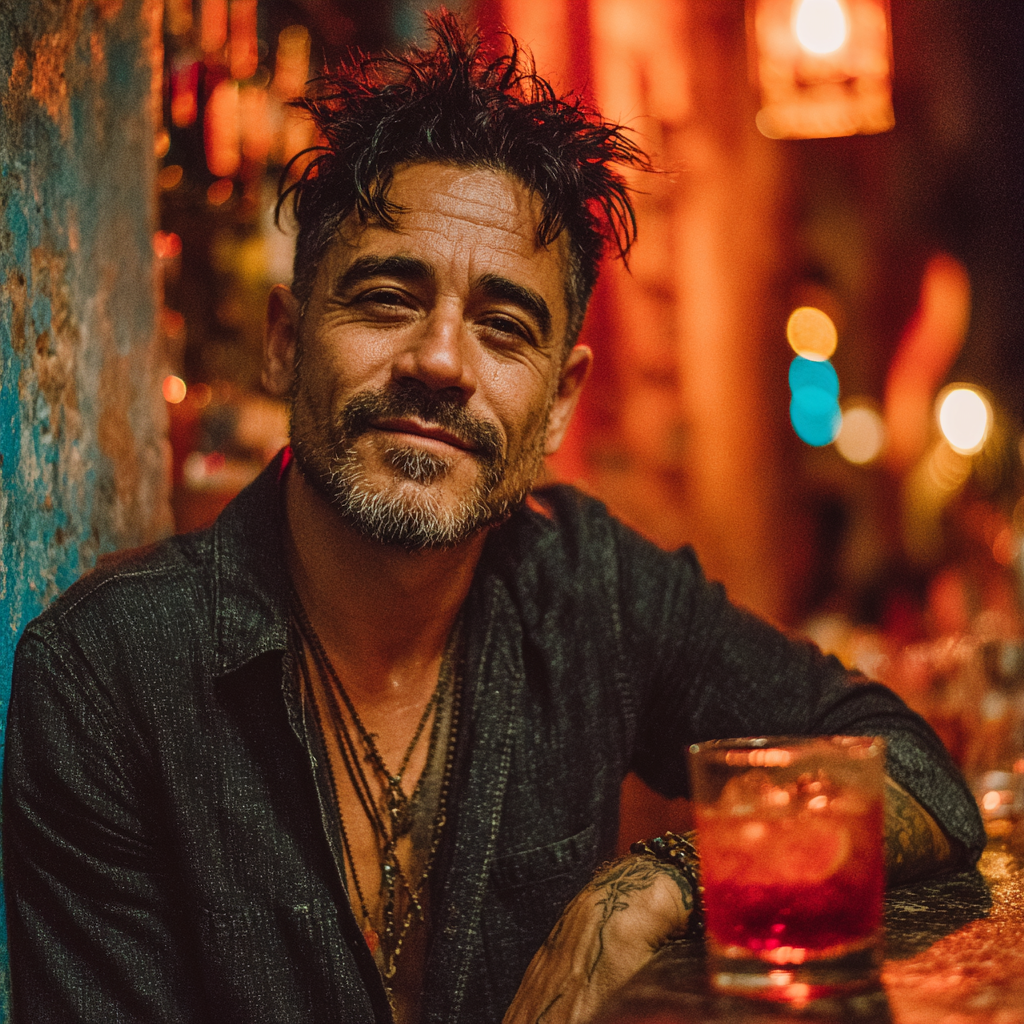
About Tomás Rivera
Madrid-born food critic and nightlife connoisseur. Tomás has been reviewing tapas bars and underground music venues for 15 years. He knows every back-alley gin joint from Mexico City to Manila and believes the night reveals a city is true character.
More by Tomás Rivera