
Singapore: Where Jungle Meets Future and Nothing Is What It Seems
From hawker centers at midnight to Peranakan shophouses at dawn, this is the Singapore they don't show you in the brochures—controlled chaos, world-class food, and a city that rewards the curious.
On this page
By Marcus Chen
I used to think Singapore was boring. I admit it. Every traveler does at first. You land at Changi—voted world's best airport fifteen times running, with a butterfly garden and a rooftop pool—and you think: this place is too perfect to be interesting. You see the Supertrees on Instagram. The infinity pool at Marina Bay Sands. The Merlion spitting water into a harbor that looks computer-generated. And you think you've got it figured out.
You don't.
What Singapore actually is—what took me three visits and one very late night in Geylang to understand—is controlled chaos. The government built a framework of rules so strict that within them, everything else can flourish. The result is a city that feels like the year 2150 in some neighborhoods and like a Southeast Asian village in others, sometimes within the same block.
---
Gardens by the Bay: The Future We Were Promised
Location: 18 Marina Gardens Drive Hours: 5:00 AM–2:00 AM (outdoor gardens), 9:00 AM–9:00 PM (conservatories) Entry: Outdoor gardens free; Flower Dome + Cloud Forest S$46 adult / S$32 child (non-resident, online) GPS: 1.2816° N, 103.8636° E
The Supertree Grove is the image of Singapore that appears in every travel brochure—18 mechanical trees up to 50 meters tall, covered in living plants, lit up at night in purple and blue. They're undeniably impressive, especially during the Garden Rhapsody light show (7:45 PM and 8:45 PM daily, free).
But the real reason to come is the Cloud Forest, a cooled conservatory replicating a tropical mountain. You enter through a seven-story mist waterfall, then ride an elevator to the top and descend a spiral path through cloud forest vegetation. Orchids hang from the walls. Carnivorous plants sit in displays. The constant 23°C (73°F) feels like heaven after the outdoor humidity. In 2026 the Cloud Forest hosts Jurassic World: The Experience—animatronic dinosaurs planted among the real flora, included with admission. It sounds gimmicky. The first time a velociraptor turns its head as you walk past, it is not.
The Flower Dome is the other conservatory, themed around Mediterranean and semi-arid regions. It's larger but less dramatic than the Cloud Forest. If you only have time for one, pick the Cloud Forest.
For a different angle on the Supertrees, pay S$14 for the Supertree Observatory (air-conditioned deck atop the tallest tree) or S$14 for the OCBC Skyway, a 128-meter aerial walkway through the grove at 22 meters up. Both are worth it if Garden Rhapsody is about to start.
Practical tip: Buy tickets online through the official site or Klook—gate prices run higher and some resellers mark the same combo up to S$53. Go at the 9:00 AM opening. The outdoor gardens are free and open until 2:00 AM—come back after dark to see the Supertrees lit up without the day-trippers.
---
The Botanic Gardens: The Original Jungle (and It's Free)
Location: 1 Cluny Road Hours: 5:00 AM–12:00 AM daily Entry: Free; National Orchid Garden S$15 adult (S$5 for Singapore residents) MRT: Botanic Gardens (CC19/DT9) GPS: 1.3138° N, 103.8159° E
Everyone goes to Gardens by the Bay. Almost nobody goes here, which is exactly why you should. The Singapore Botanic Gardens is a 160-year-old, 82-hectare green lung in the middle of the city—and since 2015 it's been a UNESCO World Heritage Site, Singapore's first. Gardens by the Bay is the future; this is the deep past, and it costs nothing.
Grandfather trees with trunks wider than cars. A bandstand from 1930 that looks teleported from an English village green. Swan Lake, where monitor lizards cruise the surface like scaly submarines. Early mornings are golden—joggers, tai chi groups, and the world's most terrifying synchronized aerobics classes, all before 8 AM.
Don't skip the National Orchid Garden (8:30 AM–7:00 PM, last entry 6:00 PM), the one part that charges admission: over 1,000 orchid species and 2,000 hybrids, including the VIP corridor where hybrids are named after heads of state—there's a Dendrobium Margaret Thatcher. The Sembcorp Cool House inside replicates high-elevation cloud forest conditions, orchids blooming at eye level along a misted walkway.
Also look for the Heritage Trees (marked with a brown sign)—62 protected individuals, including a tembusu older than the country. It's on the S$5 note.
Practical tip: Enter via Tanglin Gate (nearest the MRT) and exit at Bukit Timah Gate to hit the orchid garden, bandstand, and ginger garden in one loop—about 90 minutes of easy walking.
---
Marina Bay: Singapore at Its Most Singapore
Marina Bay Sands
Location: 10 Bayfront Avenue SkyPark Observation Deck: S$35 non-peak / S$39 peak (from 5:00 PM), 10:00 AM–10:00 PM, last entry 9:30 PM GPS: 1.2834° N, 103.8607° E
The three-tower hotel with the ship-shaped rooftop is the most recognizable building in Singapore. The SkyPark Observation Deck on the 57th floor gives you views of the entire city—the financial district, the port with its endless containers, the Indonesian islands in the distance.
Is it worth S$35? The view is excellent, especially at sunset. But the infinity pool is only for hotel guests, and the deck is crowded. An alternative: have a drink at CE LA VI on the rooftop (minimum spend applies) or book a table at Spago for dinner with a view.
The Merlion
Location: One Fullerton Hours: 24 hours GPS: 1.2868° N, 103.8545° E
The half-lion, half-fish statue is Singapore's mascot, based on a legend about a prince who saw a lion when he first landed on the island. (The name 'Singapura' means 'lion city' in Sanskrit, though lions never actually lived here.)
It's touristy and slightly ridiculous, but you have to see it. The best time is early morning, when the light hits the statue from the east and the tour buses haven't arrived yet. The classic photo is the 'Merlion spitting water into your mouth' shot. Everyone does it. You will too.
Spectra Light Show
Location: Marina Bay waterfront Hours: 8:00 PM and 9:00 PM daily (additional 10:00 PM show Fridays and Saturdays) Price: Free
A 15-minute show of water fountains, lasers, and projections set to orchestral music. It's not quite as impressive as it thinks it is, but it's free and the setting—looking across the water at the skyline—is spectacular. Arrive 30 minutes early for a good spot near the Louis Vuitton store.
---
Sentosa: Singapore's Playground
Getting there: Sentosa Express monorail from VivoCity (S$4), walking across the boardwalk (S$1), or cable car (S$15)
Sentosa is an island off Singapore's southern coast that has been turned into a resort. It's where Singaporeans go on weekends, where tourists go for beaches, and where the city puts all its entertainment in one place. Some people love it. Others find it artificial. Both are right.
Universal Studios Singapore
Hours: 11:00 AM–6:00 PM (varies; later on event nights) Entry: S$83 adult / S$63 child & senior at the gate; from ~S$74 online (prices band by month, S$76–89 gate range in 2026)
The smallest Universal Studios park, but it has some excellent rides. Battlestar Galactica is a dueling roller coaster with two tracks—one suspended, one seated—that race each other. Transformers: The Ride is a motion simulator that's better than it has any right to be. The Ancient Egypt zone has a dark ride through a tomb that's genuinely spooky.
In February 2025 the park opened Minion Land, replacing the old Madagascar zone—now the default territory for families with small kids, with a Minion Mayhem simulator and character meet-and-greets. Queue it early if you're traveling with minions of your own.
The park is compact enough to do in a day. Go on a weekday, buy online before you fly, and download the app for wait times. An Express Pass (from S$50) is only worth it on weekends and school holidays.
Beaches
Sentosa has three beaches: Siloso (the liveliest, with bars and volleyball), Palawan (has a suspension bridge to a tiny 'southernmost point of continental Asia' island), and Tanjong (the quietest, with upscale beach clubs).
The water isn't crystal clear—this is a busy shipping lane, after all—but the sand is clean and the palm trees are real. It's not Thailand, but it's a beach 15 minutes from the financial district, which is its own kind of miracle.
Singapore Oceanarium
Hours: 10:00 AM–7:00 PM daily Entry: S$55 adult / S$43 child & senior (under 4 free)
If you visited before mid-2025, forget what you remember: the old S.E.A. Aquarium reopened on 24 July 2025 as the Singapore Oceanarium, a ground-up rebuild that swaps the "big tanks" concept for something closer to a marine museum. There are 22 themed zones, over 100,000 animals across 45 million liters of water, and a heavy educational layer—shark teeth you can touch and story-driven exhibits about the creatures that lived in these waters millennia ago.
The headline moment is unchanged in spirit: a massive panoramic window where rays and sharks glide past while you sit on the floor and stare. It's meditative. New for the Oceanarium are multi-level viewing areas—the same tank watched from three different depths.
Practical tip: Book a timed slot online in advance; walk-ups get punished on weekends. The Oceanarium alone takes 2–3 hours—don't pair it with Universal Studios unless you have stamina and no small kids.
---
Neighborhoods: Where Singapore Actually Lives
Chinatown
MRT: Chinatown (NE4/DT19)
Singapore's Chinatown is both a tourist attraction and a functioning neighborhood where Chinese Singaporeans still live, work, and pray. The main drag along Pagoda Street and Treasure Street is souvenir shops and restaurants. The side streets are more interesting.
Buddha Tooth Relic Temple (288 South Bridge Road, free, 7:00 AM–7:00 PM) is a relatively new temple (2007) built in Tang dynasty style. The rooftop garden has a pagoda and orchids. The tooth itself is displayed in a gold stupa on the fourth floor.
Sri Mariamman Temple (244 South Bridge Road, free, 7:00 AM–noon and 6:00 PM–9:00 PM) is Singapore's oldest Hindu temple, built in 1827. The gopuram (entrance tower) is covered in colorful statues of deities. Remove your shoes, cover your shoulders.
Chinatown Complex Food Centre (335 Smith Street) is the largest hawker center in Singapore—260 stalls, and home to the world's cheapest Michelin-starred meal at Liao Fan Hawker Chan (formerly Liao Fan Hong Kong Soya Sauce Chicken Rice; original stall #02-126, S$3–5, 10:30 AM–3:30 PM, closed Sunday). Chef Chan Hon Meng's mahogany-lacquered soya sauce chicken is the dish that started the hawker-Michelin frenzy in 2016. The original stall shuts mid-afternoon, but his air-conditioned branch at 78 Smith Street (10:30 AM–7:30 PM daily) serves the same chicken if you miss the window. Come hungry.
Little India
MRT: Little India (NE7/DT12)
Little India is sensory overload in the best way. The smell of spices and jasmine garlands hits you as you exit the MRT. Bollywood music plays from shopfronts. Men sit on the sidewalk eating thali meals with their hands. Women in saris of every color walk past shops selling gold jewelry and silk.
Sri Veeramakaliamman Temple (141 Serangoon Road, free, 5:30 AM–noon and 4:00 PM–9:00 PM) is dedicated to Kali, the destroyer goddess. The ceiling is covered in painted deities; the main shrine has a ten-armed Kali, each hand holding a weapon. It's intense.
Mustafa Centre (145 Syed Alwi Road, 24 hours) is a 24-hour department store that sells everything—groceries, electronics, luggage, medicine, gold. Chaotic, overwhelming, and weirdly compelling at 3 AM.
Tekka Centre (665 Buffalo Road, 6:30 AM–9:00 PM) is the hawker center to come to for Indian food. Try the biryani at Allauddin's Briyani (#01-06, S$4–6), the roti prata at Ar-Rahman Cafe, or the teh tarik (pulled tea, S$1.20) at any stall.
Kampong Glam
MRT: Bugis (EW12/DT14)
Kampong Glam was the historic center of Singapore's Malay and Muslim community. Today it's a mix of traditional businesses (carpet shops, perfume sellers) and trendy cafes, boutiques, and street art.
Sultan Mosque (3 Muscat Street, free, 9:30 AM–noon and 2:00 PM–4:00 PM, closed Fridays) is the heart of the neighborhood. The golden dome dominates the skyline. Non-Muslims can enter outside prayer times if dressed modestly. The guides are friendly and will explain the architecture and the faith.
Haji Lane is the Instagram-famous street of boutiques and cafes. It's cute during the day, lively at night. Arab Street has fabric shops and Middle Eastern restaurants. Kandahar Street has traditional Malay food.
Tiong Bahru
MRT: Tiong Bahru (EW17)
Singapore's oldest housing estate, built in the 1930s in Art Deco style, has become the city's hipster neighborhood. The Tiong Bahru Market (30 Seng Poh Road, 6:00 AM–10:00 PM) is one of the best hawker centers for breakfast.
Worth a walk to see a different side of Singapore—more Melbourne than Manhattan. But this is curated cool, and everyone knows it.
---
The Singapore Zoo and Night Safari
Location: 80 Mandai Lake Road Zoo hours: 8:30 AM–6:00 PM (last entry 5:00 PM) Night Safari hours: 6:15 PM–12:00 AM (last entry 11:15 PM; tram and trails from 7:00 PM) Entry: Zoo S$48 adult / S$33 child; Night Safari S$58 adult / S$41 child (standard tram included) GPS: 1.4043° N, 103.7930° E
The Singapore Zoo is consistently ranked among the best in the world, and for good reason. The enclosures are open and naturalistic—orangutans swing on ropes above your head, white tigers swim in pools, pygmy hippos waddle through mud.
The Night Safari is the zoo's most famous attraction—the world's first nocturnal wildlife park, and still the best concept in the Mandai complex. The standard Safari Adventure Tram (40 minutes, seven zones, included in every ticket) is decent, but the four walking trails—Leopard, Fishing Cat, East Lodge, and Wallaby—are where the magic happens. You linger. The animals emerge. Plan around the Creatures of the Night show (7:15, 8:30, and 9:30 PM, plus 10:30 PM Fri–Sat) and the short Thumbuakar fire performance (6:45, 8:00, and 9:00 PM). Both are free with admission. Skip the S$10 Express Tram upgrade unless you hate queues—same route, multilingual commentary.
Getting there: MRT to Khatib (NS14), then the M2 Mandai Khatib Shuttle (S$2.50, every ~15 minutes, ~20 minutes door to door). Tap on with any contactless bank card.
Money-saving tip: Doing both parks? The Zoo + Night Safari combo runs from ~S$80 online versus ~S$106 separately. Book a day ahead; the Night Safari uses timed entry and early-evening slots sell out first on weekends.
---
Hidden Singapore: Joo Chiat, Katong, and Geylang
The guidebooks will tell you Singapore is all Marina Bay and Orchard Road. They're wrong. The best parts are the neighborhoods tourists skip—where people actually live, eat, and argue about whose laksa is better.
Joo Chiat and Katong: Peranakan Soul
MRT: Marine Parade (TE26, Thomson-East Coast Line) or Eunos (EW7) + bus
Singapore's east coast hides the country's most photogenic neighborhood. Joo Chiat Road and Koon Seng Road are lined with pastel-colored Peranakan shophouses—turquoise, peach, mint green—adorned with floral ceramic tiles and carved wooden shutters. These houses belong to the Straits Chinese, descendants of Chinese immigrants who married local Malays and created a unique hybrid culture. The Thomson-East Coast Line finally reached here in 2024, so you no longer need a taxi—Marine Parade station drops you five minutes from the action.
Stop at The Intan (69 Joo Chiat Terrace), a private Peranakan home turned museum run by owner Alvin Yapp. He'll serve you tea in porcelain cups and walk you through four decades of beadwork, porcelain, and wedding regalia. Visits are by appointment only and start around S$48 per person (heritage talk with tea and snacks; meal packages cost more)—book online well ahead.
Two cheaper alternatives if The Intan is booked out or over budget: Straits Enclave (from S$38, a one-hour heritage talk in a furnished 1920s home) or Katong Antique House (208 East Coast Road, by donation, by appointment), where third-generation Peranakan Peter Wee conducts informal tours of his family home.
For food, 328 Katong Laksa (51 East Coast Road, S$5.50–9.30 by size, roughly 9:30 AM–9:30 PM daily) serves the coconut-curry noodle soup that made the neighborhood famous. The noodles are cut short so you eat it with a spoon—no chopsticks needed. It's spicy, creamy, utterly addictive, and holds a Michelin Bib Gourmand. The auntie will ask if you want otah on the side. Say yes.
Birds of Paradise (263 Joo Chiat Road) is a Michelin-listed ice cream shop in a restored shophouse. Try the White Chrysanthemum or Sea Salt Hojicha flavors (S$5.50–7.50). Then walk down Medley Alley (113 East Coast Road) for a wall mural of Peranakan tile-inspired wings—one of the city's most Instagrammed hidden corners.
Geylang: After Dark
MRT: Kallang (EW10) or Aljunied (EW9)
Geylang is Singapore's red-light district, but it's also one of the best food neighborhoods in the city. The even-numbered lorongs (lanes) are where the nightlife happens. The odd-numbered ones are where you eat.
No Signboard Seafood (414 Geylang Road, 3:00 PM–11:30 PM) invented white pepper crab in the 1970s. It's still the best place to eat it—S$60–80 per crab depending on size. The chili crab is excellent too, but the white pepper version is the move here.
For something cheaper, Lor 9 Beef Kway Teow (237 Geylang Road, 11:00 AM–11:00 PM) serves charred beef noodles with wok hei—that smoky breath of a scorching hot pan—for S$5–8.
Durian stalls line Sims Avenue. Singaporeans are obsessed with durian, the spiky fruit that smells like rotting onions and tastes like custard heaven. A good Mao Shan Wang durian costs S$20–30 per kilogram. Stand at the stall and eat it fresh—most places have plastic tables and gloves.
---
Hawker Centers: Singapore's Real Religion
Singapore's hawker culture is UNESCO-listed, and for good reason. These open-air food courts are where the city eats—office workers at lunch, families at dinner, teenagers at midnight. Every neighborhood has one. Every Singaporean has a favorite stall.
Here are the ones worth traveling for:
Maxwell Food Centre (1 Kadayanallur Street, Chinatown, 8:00 AM–2:00 AM): The most famous hawker center for tourists, and still excellent. Tian Tian Hainanese Chicken Rice (#01-10, ~S$6–8 per plate, 10:00 AM–7:00 PM, closed Monday) holds a Michelin Bib Gourmand. The chicken is silky, the rice is fragrant, the chili sauce is sharp. Expect a 15-minute queue at lunch—arrive before 11:30 on weekdays. Ah Zhong Roasted Delights (#01-13, S$5–12) does char siew and duck with rice. Marina South Delicious Food (#01-35, S$3–5) serves both black (sweet, saucy) and white (savory) carrot cake.
Old Airport Road Food Centre (19 Old Airport Road, 6:00 AM–10:30 PM): A local favorite, less touristy than Maxwell. To-Ricos Kway Chap (#01-155, S$4–7) does silky rice noodles with pork offal. Lao Fu Zi Fried Kway Teow (#01-12, S$3–5) serves dark-sauce noodles with serious wok hei.
Lau Pa Sat (18 Raffles Quay, 24 hours): The oldest market in Singapore, housed in a Victorian iron building that is a national monument. Come for Satay Street on Boon Tat Road, which opens at 7:00 PM every evening—seven stalls grill chicken, beef, and shrimp satay over charcoal while you drink Tiger beer at plastic tables. Best Satay 7 & 8 (sets from S$28) is the most popular. The smoky, nutty, slightly sweet combination is pure Singapore.
Newton Food Centre (500 Clemenceau Avenue North, 12:00 PM–2:00 AM): Yes, it's touristy. Yes, it was in Crazy Rich Asians. But Alliance Seafood (#01-27) still does excellent chili crab (S$25–35 per crab), and Awesome BBQ (#01-35) does chicken wings and satay at S$1.70 per wing.
Tiong Bahru Market (30 Seng Poh Road, 6:00 AM–10:00 PM): Come for breakfast. Tiong Bahru Pau (#02-18) does steamed buns. Jian Bo Shui Kueh (#02-05, S$2–3) serves chwee kueh—rice cakes topped with preserved radish. Pair with kopi (Singaporean coffee, S$1–1.50) from any drinks stall.
---
What to Skip
The Singapore Flyer (30 Raffles Avenue, ~S$40): A 165-meter Ferris wheel with views of Marina Bay. The view is worse than the SkyPark, the capsules are cramped, and the rotation takes 30 minutes—long enough to wonder why you paid S$40 for this. Skip it and walk the Helix Bridge instead (free, better photos).
Orchard Road shopping malls: Unless you need air conditioning or genuinely want to visit the same Zara you have at home. Orchard Road is Singapore's least interesting district—a canyon of malls selling things you can buy anywhere. The one exception: ION Orchard has a free observation deck on the 56th floor (show your passport at the concierge).
The Merlion at midday: It's a statue. It's hot. There are 400 people taking the same photo. Come at 7:00 AM or don't come at all.
Newton Food Centre at 7:00 PM on a Friday: A great hawker center, but Friday evenings are when every tourist in Singapore shows up. Queues are long, touts are aggressive. Come at 2:00 PM or midnight instead.
Sentosa if you hate crowds: Universal Studios on a Saturday is an exercise in patience. The beaches are fine but not special. If you only have two days in Singapore, skip Sentosa entirely and spend the time in Joo Chiat and Geylang.
Clarke Quay nightlife: Overpriced bars, aggressive promoters, and a river that smells faintly of diesel. Singaporeans don't drink here. You shouldn't either. If you want nightlife, go to Ann Siang Hill or Keong Saik Road instead.
---
Practical Tips
Getting around: The MRT is clean, efficient, and air-conditioned. Tap in and out with any contactless Visa/Mastercard or phone wallet—no EZ-Link needed unless you want one (S$12 including S$7 credit at stations). Buses take the same contactless tap. Taxis and Grab are affordable—most city-center rides cost S$8–15.
Weather: Hot and humid year-round: ~30°C (86°F) with 80% humidity. Afternoon thunderstorms are common, especially November through January. Carry an umbrella, drink water constantly. There is no "best time" to visit—every month is the same.
Dress code: Singapore is casual, but dress modestly for temples and mosques—covered shoulders and knees. Bring a light jacket for air-conditioned malls and the Cloud Forest.
Language: English is the official language of business and education. Mandarin, Malay, and Tamil are also official. Most Singaporeans speak Singlish, a creole of English with Chinese and Malay influences. "Can" means yes. "Lah" is verbal punctuation. "Shiok" means delicious or satisfying. Don't mock it—embrace it.
Money: Singapore dollars (S$). Credit cards are widely accepted, but hawker stalls are mostly cash-only (some now accept SGQR or PayNow—look for the QR code at the stall). Carry small bills.
Tipping: Not expected. Some restaurants add a 10% service charge. At hawker centers, no tipping—just return your tray to the designated station or face a S$300 fine (Singapore takes this seriously).
Safety: One of the safest cities on earth. That said, don't test it. Fines exist for everything—littering (S$1,000), chewing gum (S$500, technically illegal to sell), jaywalking (S$50), eating or drinking on the MRT (S$500). The rules are ridiculous but enforced. Follow them and you'll be fine.
---
Final Thoughts
Singapore isn't a city that reveals itself quickly. At first it can feel too clean, too controlled, too perfect. But spend a few days here and you start to see the cracks—the uncle selling contraband cigarettes in the HDB void deck, the durian smugglers on WhatsApp groups, the way the city comes alive after dark when the heat breaks and the satay grills light up.
The best Singapore experiences aren't in the guidebooks. They're eating kaya toast at 7 AM in a kopitiam full of retirees who've been coming to the same stall for forty years. They're watching the sunset from the free ION Orchard observation deck while tourists pay S$35 for the same view from Marina Bay Sands. They're getting lost in Geylang and finding a frog porridge stall that hasn't changed its recipe since 1987.
This guide gives you the framework. The real Singapore is what happens when you ignore it and wander. Start with the Cloud Forest in the morning. Get lost in Joo Chiat in the afternoon. Eat satay on Boon Tat Road at midnight. Talk to the uncle at the hawker stall—he's got opinions, and he's not shy about sharing them.
Singapore isn't boring. You just have to know where to look.
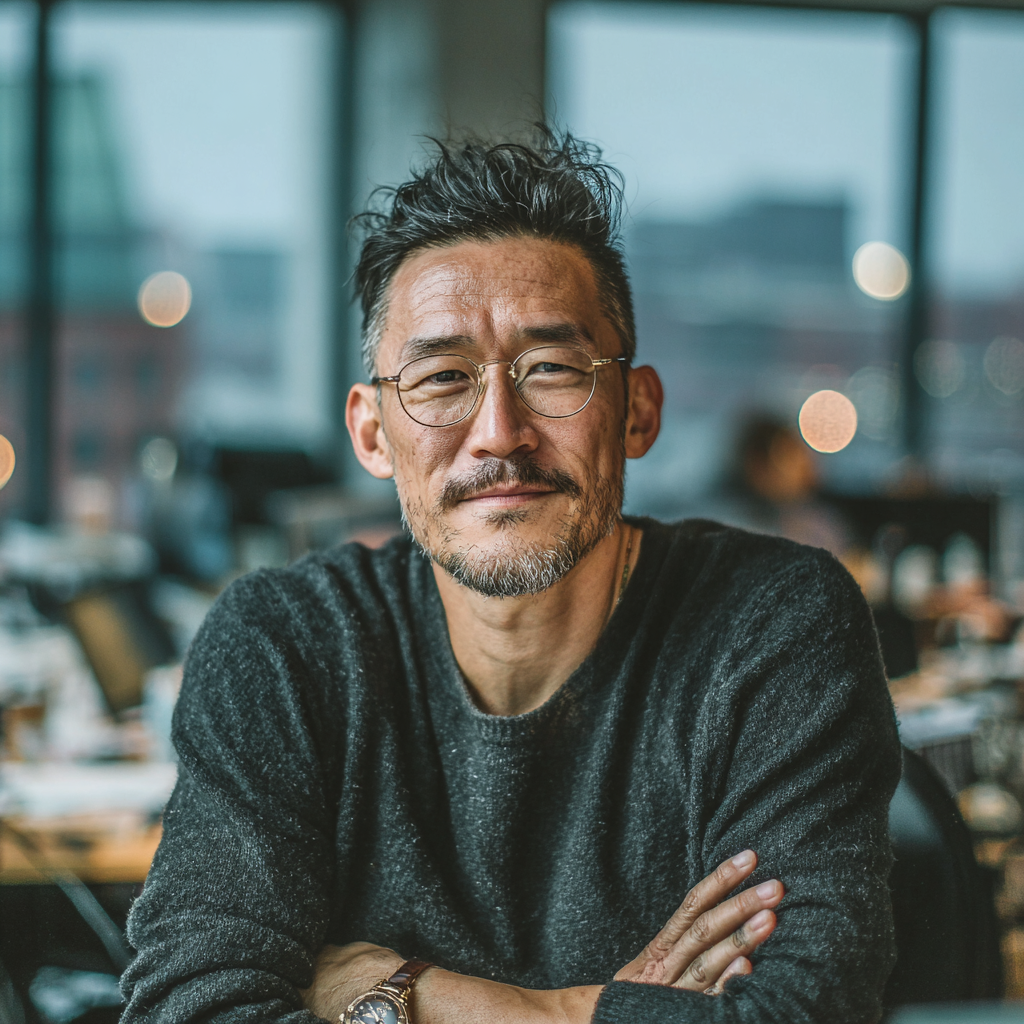
About Marcus Chen
Adventure travel specialist and certified wilderness guide. Marcus has led expeditions across six continents, from Patagonian ice fields to the Himalayas. Former National Geographic Young Explorer with a background in environmental science. Always chasing the next summit.
More by Marcus Chen