
Seychelles does not do mass tourism. The government made that decision in 2003, when it capped annual visitor numbers at roughly twice the local population. Today, that cap sits at around 350,000 arrivals per year for 100,000 residents. The result is an archipelago where development is deliberately constrained, where marine parks predate most hotels, and where the world's largest population of giant tortoises lives on an island with no permanent human settlement. This is not a destination you "do" in a rush. It is a destination you navigate carefully, because the ecosystem is older and more fragile than anything you have seen.
I have worked on conservation projects in five island nations, and Seychelles is the only one where the policy architecture matches the marketing. The country has protected 47 percent of its total land area. The marine protected area network covers 30 percent of the exclusive economic zone. The Tourism Environmental Sustainability Levy, revised in January 2026, now exempts small accommodations with 24 rooms or fewer entirely, while charging SCR 75 per person per night at medium properties and SCR 100 at large resorts and yachts. Children under 12 are exempt. The levy is usually collected separately at check-in, not folded into the quoted room rate. If you book a small guesthouse, you pay nothing. If you book a 200-room resort, you pay roughly $7.50 per night per adult. The policy is deliberately designed to push demand toward smaller, locally owned operations.
This matters because the ecological footprint of a Seychelles holiday is not trivial. The islands sit 1,600 kilometers off the east coast of Africa. Everything arrives by sea or air. Fresh water is limited. The soil is thin. The endemic species, evolved in isolation over millions of years, are vulnerable to invasive plants, rats, and the foot traffic of tourists who do not know where to step.
Where the Conservation Actually Happens
The Seychelles National Parks Authority manages six terrestrial parks and seven marine national parks. The most significant terrestrial site is Morne Seychellois National Park on Mahé, which covers 20 percent of the island's land area. The trail network is extensive but poorly marked in places. The Morne Blanc trail, a 45-minute ascent from the Sans Souci road, ends at a cliff viewpoint over the west coast. The path is steep, eroded in sections, and slippery after rain. Wear proper shoes, not sandals. The park is free to enter. There is no water on the trail. Bring more than you think you need, because the humidity is constant and the temperature rarely drops below 28 degrees Celsius, even at elevation.
Vallée de Mai on Praslin is the other essential terrestrial site. It is a UNESCO World Heritage property and the last intact forest of coco de mer palms. The nuts are the largest seeds in the plant kingdom, weighing up to 30 kilograms, and they take seven to ten years to mature. The forest is also home to the Seychelles black parrot, which is not black but dark grey, and which feeds almost exclusively on the fruit of these palms. Entry is 350 SCR. Guided walks are available but not mandatory. The main trail is 1.2 kilometers and takes 45 minutes at a slow pace. Do not leave the paths. The root systems are shallow and the soil compacts easily under foot traffic.
Cousin Island, a mile southwest of Praslin, is the most important seabird rookery in the Indian Ocean. The island was purchased by BirdLife International in 1968 and has been a strictly managed nature reserve ever since. The bird population exceeds 300,000 individuals during breeding season, including the endangered Seychelles magpie-robin, which was down to 14 individuals in 1965 and now numbers around 170. Access is limited to guided tours, booked through the Seychelles Islands Foundation. The landing fee is 600 SCR per person. There are no facilities. You bring your own water, you stay on the marked paths, and you leave before the afternoon heat stresses the birds. Photography is permitted but flash is prohibited. The wardens are strict about this, and they should be.
Curieuse Island, north of Praslin, is a marine national park and the site of the largest free-ranging population of Aldabra giant tortoises outside Aldabra itself. There are roughly 300 tortoises on the island, and they are not in enclosures. They graze on the lawns near the old leprosarium, a colonial-era building that now houses a small museum. The island is accessible by boat from Praslin or as part of a day tour from Mahé. The park fee is 200 SCR. Snorkeling is permitted in the designated zones, but the coral is recovering from the 2016 bleaching event and is fragile. Do not touch, do not stand, and do not chase the hawksbill turtles that feed in the shallows.
What the Marine Parks Actually Look Like
Sainte Anne Marine National Park, a 20-minute boat ride from Mahé's Victoria harbor, was the first marine park in the Indian Ocean, established in 1973. It covers six islands and the surrounding waters. The snorkeling is good but not spectacular by global standards. The coral is patchy, the fish populations are healthy but not dense, and the visibility varies with the tide. What makes it worth visiting is the management. The park has designated mooring buoys to prevent anchor damage, and the rangers patrol regularly. The entry fee is 200 SCR, usually collected as part of your boat tour. Most operators charge 800 to 1,200 SCR for a half-day trip including snorkeling gear and lunch.
Port Launay Marine National Park on Mahé's northwest coast is smaller and quieter. The beach is public, but the marine zone is protected. The best entry point is at the northern end, near the mangrove stand. The water is shallow for the first 50 meters, and the seagrass beds here are a feeding ground for green turtles. If you see one, keep your distance. The law mandates a 10-meter exclusion zone, and the fines are enforced.
Baie Ternay Marine National Park, on the northwest coast of Mahé, is the most pristine of the marine parks. It has no road access. You arrive by boat or kayak from the nearby beaches. The water is deeper, the coral is healthier, and the fish diversity is higher. The park is also a designated research zone, and several international conservation organizations run monitoring programs here. There are no facilities. This is a place you come prepared, or you do not come.
What to Skip
The main beaches on Mahé, Beau Vallon and Anse Intendance, are beautiful but crowded. Beau Vallon is lined with large hotels and the water quality is variable. Anse Intendance is deeper and has a stronger undertow. Both are worth a short visit, but neither justifies a full day. The sunset catamaran cruises that depart from Victoria harbor are overpriced and environmentally questionable. Most use diesel engines for the entire trip, serve imported food on disposable plates, and offer no meaningful interpretation of the marine environment. Skip them. The casino at Beau Vallon is an oddity in a country that has never built its tourism around entertainment infrastructure. It is also skip-worthy.
The Cocos Island day trip, marketed heavily by tour operators, is a sand cay with no vegetation, no shade, and a fragile reef that is showing signs of overtourism. The number of daily visitors is supposed to be capped, but the cap is not always enforced. If you want a similar experience with better management, go to Cousin or Curieuse instead.
Getting Around and Staying Small
The ferry network between Mahé, Praslin, and La Digue is reliable and the most sustainable way to move between islands. The Cat Cocos ferry from Mahé to Praslin takes one hour and costs 65 EUR for a standard seat. Book in advance during peak season, which is May to September and December to January. The ferry from Praslin to La Digue is 15 minutes and costs 15 EUR. There is no need to fly between the main islands. The domestic flights, operated by Air Seychelles, have a carbon footprint that is difficult to justify for a 15-minute hop.
On Mahé, the public bus system covers most of the island for 7 SCR per ride. The buses are old, crowded, and run on diesel, but they exist and they function. On Praslin and La Digue, renting a bicycle is the standard practice. La Digue has almost no motorized traffic. The bicycle rental shops are at the jetty and charge 150 SCR per day. On Praslin, a car is useful for reaching the more remote beaches, but a scooter is sufficient for the main roads. Rentals are 350 SCR per day.
Accommodation is where the sustainability levy has its most direct impact. Small guesthouses and self-catering apartments are now exempt from the levy entirely. Properties like the Sunset Beach Guesthouse on Mahé or the Chalets d'Anse Forbans on the south coast operate with local staff, source food from the nearby markets, and have a fraction of the water and energy consumption of the large resorts. The large resorts, particularly the ones on Eden Island and at the northern end of Mahé, have desalination plants, air conditioning in every room, and imported food supply chains. They are required to pay the levy, and they pass it on to you. The choice is not just financial. It is ecological.
Food and Water
The Seychelles imports roughly 70 percent of its food. This is a structural problem for a country that markets itself as pristine. The most sustainable choice is to eat what is locally available. Fish is the obvious option. The red snapper, jobfish, and tuna are caught by the local artisanal fleet and sold at the Victoria market every morning. The market opens at 4:00 AM and is largely done by 8:00 AM. Go early. The fruits available year-round include bananas, papayas, breadfruit, and coconuts. The vegetables are more limited. The locally grown items are eggplant, pumpkin, chayote, and cassava. Anything else has arrived by container ship.
Water is a constraint. There are no natural rivers on Mahé or Praslin. The water supply comes from rainfall catchment and desalination. Most hotels and guesthouses provide drinking water, but if you are self-catering, buy large refillable bottles rather than single-use plastic. The tap water is technically safe to drink but tastes heavily of chlorine and minerals. The Seychelles banned single-use plastic bags, straws, and cutlery in 2019, but plastic bottles remain a problem, particularly on the smaller islands where there is no recycling infrastructure.
The Aldabra Exception
Aldabra Atoll, the world's second-largest coral atoll, is the most significant site in the Seychelles and the most difficult to reach. It is a UNESCO World Heritage property, managed by the Seychelles Islands Foundation, and has no permanent tourist facilities. Access is by chartered boat or research vessel, and the journey takes two days from Mahé. The atoll is home to 100,000 Aldabra giant tortoises, the largest population in the world, and is one of the few places where the marine ecosystem has never been significantly degraded by human activity. The lagoon is too shallow for large ships, which has protected it. If you are serious about conservation tourism, this is the destination. It is also expensive, logistically complex, and not suitable for casual visitors. The Seychelles Islands Foundation runs a limited number of research-assist expeditions each year. The cost is roughly $3,000 per person for a ten-day trip, including transport from Mahé. This is not a holiday. It is fieldwork, and the application process requires a genuine conservation background.
The Honest Assessment
Seychelles is not a cheap destination, and it is not trying to be. The minimum cost for a basic but comfortable trip, staying in small guesthouses, eating local food, and using public transport, is roughly $120 per person per day. If you stay in a mid-range hotel, eat at restaurants, and take organized tours, that rises to $250. The large resorts start at $500 per night before the sustainability levy is applied. The question is not whether you can afford it. The question is whether you can afford to do it without causing damage.
The country has made serious policy commitments to conservation, and it has followed through with protected areas, visitor caps, and economic incentives that favor small-scale operators. But the archipelago is still vulnerable. The 2016 coral bleaching event killed 50 percent of the coral in some marine parks. The 2021 oil spill from the wreck of the MV Wakashio off Mahé's southeast coast contaminated beaches and mangroves that are still recovering. The invasive yellow crazy ant, introduced accidentally, has decimated native invertebrate populations on several islands. The conservation success is real, but it is not permanent.
If you visit, the most useful thing you can do is choose a small guesthouse, take the ferry instead of the flight, eat the local fish, stay on the paths, and keep your distance from the wildlife. The tortoises will outlive you if you let them.
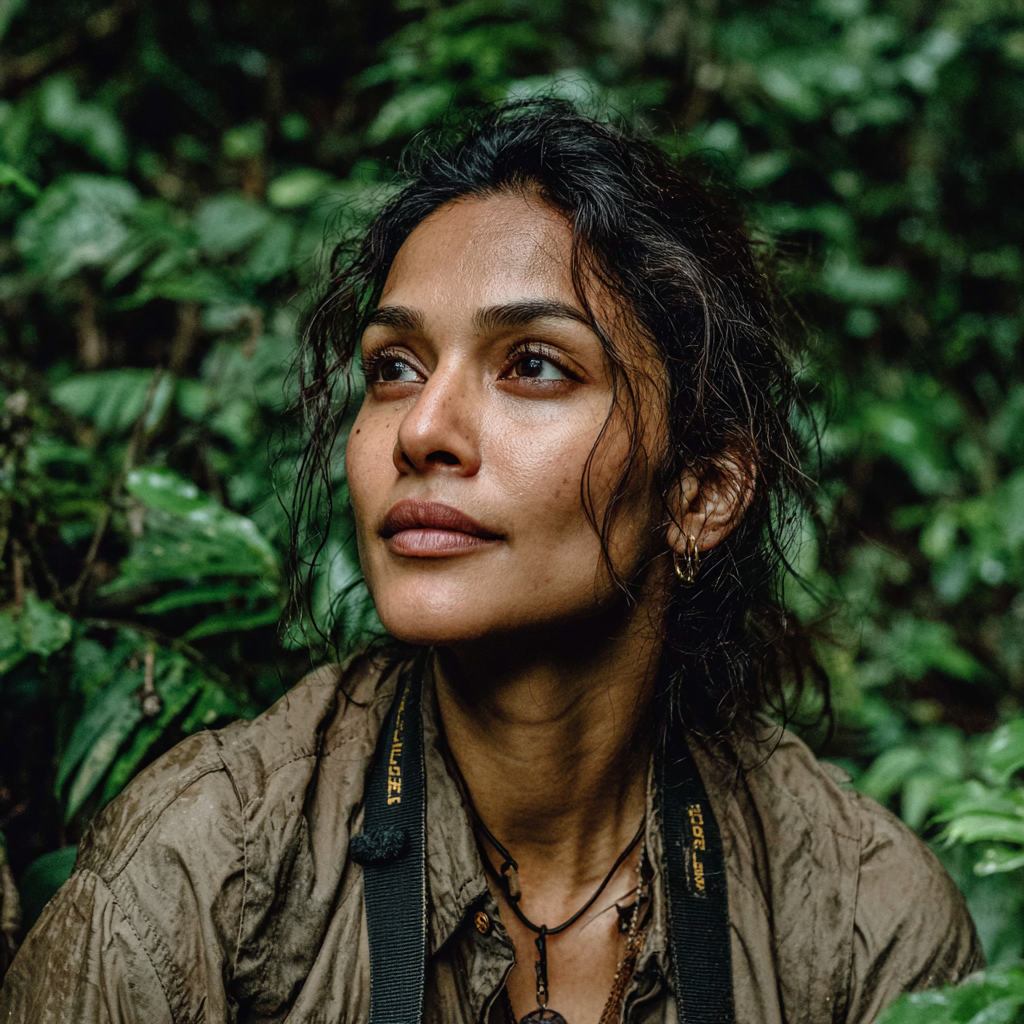
By Priya Sharma
Conservation biologist and sustainable tourism advocate. Priya works with eco-lodges and wildlife sanctuaries to promote ethical travel practices. She holds an MSc in Biodiversity Conservation and has spent years tracking endangered species across the Indian subcontinent.