
Glasgow: Where Shipyard Grit Meets the Best Plate in Scotland
By Sophie Brennan | Food Writer & Historian
I still remember my first meal in Glasgow. It was a Tuesday in November, raining sideways, and I ducked into a chip shop on Dumbarton Road expecting nothing more than shelter. What I got was a haddock supper so perfectly crisp, so improbably fresh, that I sat on a wet bench outside and finished the entire thing in the rain. That is Glasgow. The city does not perform for visitors. It feeds you because feeding people is what it has always done.
Edinburgh has the castle and the Royal Mile. Glasgow has the hunger—and the best food scene in Scotland.
This is a city built on shipyards and tenements, where generations of Irish and Highland immigrants shaped a culture that treats a good meal as a right, not a privilege. The food here carries that working-class DNA: unpretentious, generous, and fiercely proud. You will find Michelin-starred kitchens operating within walking distance of chip shops that have fed the same families for sixty years. Vegan tasting menus that rival London's best. Whisky bars where the bartender remembers your dram from three years ago.
Glasgow does not apologize for its food. It simply makes it better than you expected.
The Neighbourhoods That Feed Glasgow
Finnieston: Scotland's Most Compressed Dining Scene
Finnieston was dockland fringe until about fifteen years ago. Then Argyle Street filled with restaurants so fast that no one quite planned it, which means the places that survived did so on quality alone. Today this stretch holds the densest concentration of good restaurants in Scotland.
Cail Bruich (725 Argyle Street, G3 8RL) holds a Michelin star under chef Lorna McNee, a veteran of Restaurant Gordon Ramsay and Great British Menu judge. The tasting menu runs £160 per person, wine pairing an additional £95, and changes seasonally. Expect dishes like brown crab with Granny Smith apple and Thai green curry, or Scrabster turbot sauced with a refined Cullen skink. The room is quiet, serious, and fully committed. Book at least four weeks ahead; dinner Wednesday through Sunday, sittings from 6:30 PM.
Two doors down, Gamba has served seafood since 1998 at 225A West George Street, G2 2ND (their original location; the Finnieston outpost closed in 2023). Chef Derek Marshall keeps the menu tight: fish soup with prawn dumplings (£12), lemon sole meunière with baby crayfish (£34), and Asian-influenced dishes like king scallops steamed with spring onion, ginger, and fish sauce (£18). The space is small and the regulars are protective of their tables. Reserve even for lunch; closed Sundays.
The Gannet (985 Argyle Street, G3 8LZ) opened in 2013 after its owners toured the Hebrides to source suppliers directly. It offers the best value at the high end. A six-course vegetarian tasting menu costs around £65; carnivores get Scottish beef, sea trout, and mutton from named farms. The room is bare brick and wooden chairs. No one dresses up. Dinner Tuesday through Saturday from 5:30 PM.
Ox and Finch (920 Sauchiehall Street, G3 7TF) pioneered Glasgow's small-plate movement. Venison carpaccio with crowdie cheese and hazelnuts (£14), confit duck leg with yellow curry and Thai basil (£16), gin-and-beetroot-cured sea trout with sesame and wasabi nuts (£13). Vegan options include orzo with courgette, pea, lemon, and mint (£11). It gets busy. Book ahead or eat at the bar. Open daily from noon.
Alchemilla (1126 Argyle Street, G3 8TD) is a newer arrival from chef Rosie Healey, occupying a former Greek Orthodox church. The tasting menu (£75) changes daily based on what arrives from Scottish farms and coastlines. Dishes might include Orkney scallop with fermented celeriac and dill oil, or Highland venison with smoked bone marrow and pickled blackberries. The space retains its arched ceilings and stained glass, making it one of the most atmospheric dining rooms in the city. Dinner Thursday through Monday from 6 PM.
Unalome (36 Finnieston Street, G3 8AF) earned its Michelin star under chef Graeme Cheevers in 2024. Scottish langoustine arrives as tartare with dashi custard, tomato, and smoked eel. Turbot gets poached lightly, its skirt stuffed with turbot mousse and barbecued, served with potato scone, sea beet, morels cooked in vin jaune, and seaweed butter sauce. Tasting menus start at £140. Cheevers recently opened Loma at Cameron House on Loch Lomond, but Unalome remains his flagship. Dinner Wednesday through Sunday.
The West End: Students, Intellectuals, and the Best Roast Chicken in Town
The West End revolves around Byres Road and the University of Glasgow, and the food reflects that mix: serious restaurants alongside cheap eats that have sustained decades of students.
Gloriosa (1216 Argyle Street, G3 8TF) comes from chef Rosie Healey, formerly of Edinburgh's much-missed Aizle. The room is bright, with large windows and an open kitchen. Start with the focaccia and olive oil (£4), then move through daily pastas like rigatoni with artichoke ragu, mint, and pecorino (£16). The roast chicken with potatoes, aïoli, and green salad feeds two comfortably for £38. Plates are designed for sharing. Open Wednesday through Sunday from 5 PM.
The Ubiquitous Chip (12 Ashton Lane, G12 8SJ) has occupied a cobbled stable courtyard with a glass roof since 1971. Haggis, neeps, and tatties arrive as a serious plate, not a gimmick. Venison haggis shows up on the Burns Night menu alongside hogget shoulder with mussel ragu. The Chip has outlasted trend after trend by cooking Scottish ingredients with consistency. Dinner daily from 5 PM; lunch Friday through Sunday.
Stravaigin (28 Gibson Street, G12 8NX) takes its name from an old Scots word for wandering without intent. The downstairs restaurant holds a Michelin Bib Gourmand. The bar menu runs lighter: haggis, neeps, and tatties (£14), Cullen skink (£12), seafood with East Asian seasoning. The wine list is strong, the crowd mixes students and professionals, and the atmosphere is unhurried. This is where you eat when it rains, which is often. Open daily from noon.
The City Centre: Hidden Gems and Railway Arches
Margo (36 Miller Street, G1 1DT), opened by the Ox and Finch team, sits above subterranean cocktail bar Sebb's. The food is sharing plates with live-fire cooking: scallops with sobrasada and haricot beans (£16), whole lemon sole in vadouvan mussel butter (£24), bavette with chimichurri (£22). Sebb's downstairs does grilled snacks, Carlingford oysters with spiced lamb fat (£3.50 each), and cocktails built around European wines on draught. The pair makes for a full night out without leaving the building. Open Tuesday through Saturday from 5 PM.
Sugo ( Mitchell Lane, G1 3NU) occupies the ground floor of the Lighthouse, Charles Rennie Mackintosh's architectural masterpiece. The tagliolini comes Ligurian-style with pesto, green beans, and potato (£14). The pappardelle carries a Tuscan beef ragu (£16). Everything is handmade fresh. Sister restaurant Paesano (94 Miller Street, G1 1DT) serves wood-fired Neapolitan pizza from ovens shipped from Naples running at 500°C. The dough proofs for 48 hours. There are only eight toppings. The Tuscan fennel sausage pie (£10) is the one to order. Both open daily from noon.
Fallachan Kitchen (hidden railway arch near Central Station) seats twelve diners at a communal table around an open kitchen. Chef Craig Grozier has held Michelin recommended status since 2025. The menu changes with the seasons: John Dory with day-boat squid and salted rhubarb, Shetland mussels with celeriac and peat-smoked yogurt. The sourdough is made with whisky malt. A set menu runs around £85. Book well ahead; winter seatings sell out within days of release. Dinner Thursday through Saturday.
Partick and Beyond: The Real Glasgow
Partick, beyond the West End, is where Glasgow's food scene gets truly democratic. This is a working-class neighbourhood with a strong Asian community, and the restaurants reflect that mix without gentrification's smoothing effect.
GaGa (517 Dumbarton Road, G11 6NU) is the bar-and-kitchen project of chef Julie Lin, a former MasterChef contestant whose debut cookbook Sama Sama landed in late 2024. The menu draws on her Malaysian-Chinese heritage: nasi goreng with fried egg and greens (£14), tea-brined fried chicken with homemade Sichuan hot sauce (£16), sea bream with chilli coconut butter and capers (£18). Cocktails are built to match. The space is loud and casual. Open Wednesday through Sunday from 5 PM.
Crabshakk (1114 Argyle Street, G3 8TD), an Argyle Street veteran since 2009, does one thing honestly. The menu is shellfish and fish, delivered daily: scallops (£16), mussels (£14), langoustine (£22), lobster (£38), crab (£24). There is one steak for the person who does not eat fish, and one vegetarian dish. Garlic mayo, lemon, chips, green salad, bread and butter. The specials board changes daily based on what came off the boat. Open Tuesday through Sunday from 5:30 PM.
The Institutions: Where Glasgow Eats Without Pretension
Glasgow's chip shop culture is not ironic. It is essential. The fish supper—fresh haddock in crisp batter, served with chips, salt, and vinegar—is a religion here, and the standards are higher than in most of England. Some shops still do the deep-fried Mars bar, a confection that started as a joke in the 1990s and became a symbol. Try it once, preferably after midnight, from any chip shop on Sauchiehall Street.
For the full Scottish breakfast—Lorne sausage, black pudding, tattie scone, baked beans, eggs, and toast—skip the hotel buffet. The best versions are served in greasy spoons with Formica tables and no Instagram presence. Try Cafe Gandolfi (64 Albion Street, G1 1NY) in the Merchant City, open daily from 8 AM, where the black pudding is sourced from a Stornoway producer and the coffee is strong enough to wake the dead.
Barras Market (Gallowgate, G1 5AX) has traded since 1921. Weekend stalls sell everything from vintage clothing to street food. The adjacent Barrowland Ballroom, one of Europe's great music venues, means the area gets a crowd before and after gigs. The Glasgow Farmers Market sets up on the last Saturday of each month at Mansfield Park, Partick, with bread, cheese, game, and produce from named Scottish farms. Arrive before 11 AM for the best selection.
What to Drink: Whisky, Beer, and Irn-Bru
The Pot Still (154 Hope Street, G2 2TH) has over 700 whiskies behind the bar, ranging from £4 pours of blend to £40 drams of thirty-year-old single malt. The bartenders know the stock and will talk you through regions and distilleries without pretension. Open Monday through Saturday from noon, Sunday from 12:30 PM.
The Ben Nevis (1147 Argyle Street, G3 8TB) is older, darker, and more traditional, with live folk music several nights a week. No website, no reservations. Just show up. Open daily from noon.
The Clydeside Distillery (100 Stobcross Road, G3 8QQ), on the river at Queens Dock, is the first dedicated single malt distillery in Glasgow in over a hundred years. Tours run daily from 10 AM (£18) and include tastings of their new-make spirit and aged releases. The visitor center has views across the Clyde to the former shipyards.
Craft beer has taken hold firmly. Drygate (85 Drygate, G4 0UT) is a brewery and taproom with twenty-four taps and a rotating food menu. West Brewery (Templeton Building, Glasgow Green, G40 1AW) brews German-style beers in accordance with the Reinheitsgebot and serves them in a cavernous hall with long communal tables. Both do brewery tours on weekends (£12-15).
Irn-Bru, the neon-orange soft drink that outsells Coca-Cola in Scotland, tastes like citrus and chemicals and is the standard hangover cure. You will find it everywhere. The brand is so embedded in Scottish identity that when a recipe change was attempted in 2018, the backlash forced a partial reversal within months.
The Vegan Edge
Glasgow's vegan scene is not an afterthought. The city has more vegan restaurants per capita than any other UK city, and the institutions have been at it for decades.
Stereo (22-28 Renfield Lane, G2 5AR) is a vegan restaurant, bar, and LGBTIQA+ club in a converted warehouse. The banana blossom tacos (£12) and deep-fried mac-and-cheese balls (£8) are served until late. Open daily from 10 AM; kitchen until 10 PM.
Mono (12 Kings Court, G1 5RB) does to-fish tacos (£11), loaded burgers (£13), and pizza in a space that doubles as a live music venue. Both Stereo and Mono have operated since the early 2000s, long before veganism became marketable. Open daily from 10 AM.
What to Skip
The Edinburgh comparison. Glasgow is not Edinburgh's rougher sibling. It is Scotland's most genuinely welcoming city, and its food scene is better. Full stop.
The tourist-trap tartan restaurants on Buchanan Street serving "traditional Scottish fare" to coach parties. If the menu has a photo of a man in a kilt on it, walk away.
Trying to do it all in one night. Glasgow's dining scene rewards return visits. The best strategy is to pick one neighbourhood and settle in.
Dressing up. Glasgow punishes pretension. The best restaurants in the city have bare brick walls and wooden chairs. Come as you are.
The deep-fried Mars bar more than once. It is a rite of passage, not a lifestyle.
Practical Logistics
Getting There: Glasgow Airport (GLA) is 8 miles west of the city centre. The Glasgow Airport Express bus runs every 10 minutes and reaches Buchanan Street in 15 minutes (£9.50 single). Edinburgh Airport is 40 miles east; the Citylink Air coach runs every 30 minutes (£14.50, 55 minutes).
Getting Around: The Subway—known locally as the Clockwork Orange for its circular route—is the easiest way to move between neighbourhoods. A single journey costs £1.75; an all-day ticket is £4.20. The system is small but efficient, running every 4-8 minutes until around 11:30 PM. Taxis are plentiful and cheap; Uber operates but local firms like Glasgow Taxis (0141 429 7070) are often faster.
When to Visit: May through September offers the best weather and longest days, though Glasgow's food scene operates year-round. The West End Festival in June brings street food and outdoor events. January's Burns Night celebrations mean haggis specials everywhere. Book restaurants well ahead for Christmas and New Year.
Budget: A budget traveller can eat well for £35-45 per day (breakfast at a cafe, lunch from a market or chip shop, dinner at a mid-range spot). A serious food-focused trip with one fine dining experience will run £120-180 per day including drinks.
Stay: The Grand Central Hotel (99 Gordon Street, G1 3SF) occupies a Victorian railway hotel above Central Station and puts you within walking distance of the city centre's best eating. For longer stays, the West End around Byres Road offers more character and better breakfast options. The Alamo Guest House (46 Gray Street, G3 7SE) is a reliable mid-range option with a famously good full Scottish breakfast included.
A Final Word
Glasgow's food scene rewards curiosity and punishes snobbery. The best meals often happen in the least likely places: a railway arch, a former stable, a chip shop at closing time. Come with an appetite and no expectations. The city has been feeding people for centuries—immigrants and locals, rich and poor, the optimistic and the worn-down. It knows what it is doing.
The rain will not stop. The food will be better than you expected. And somewhere on Argyle Street, a bartender will remember your name.
That is Glasgow.
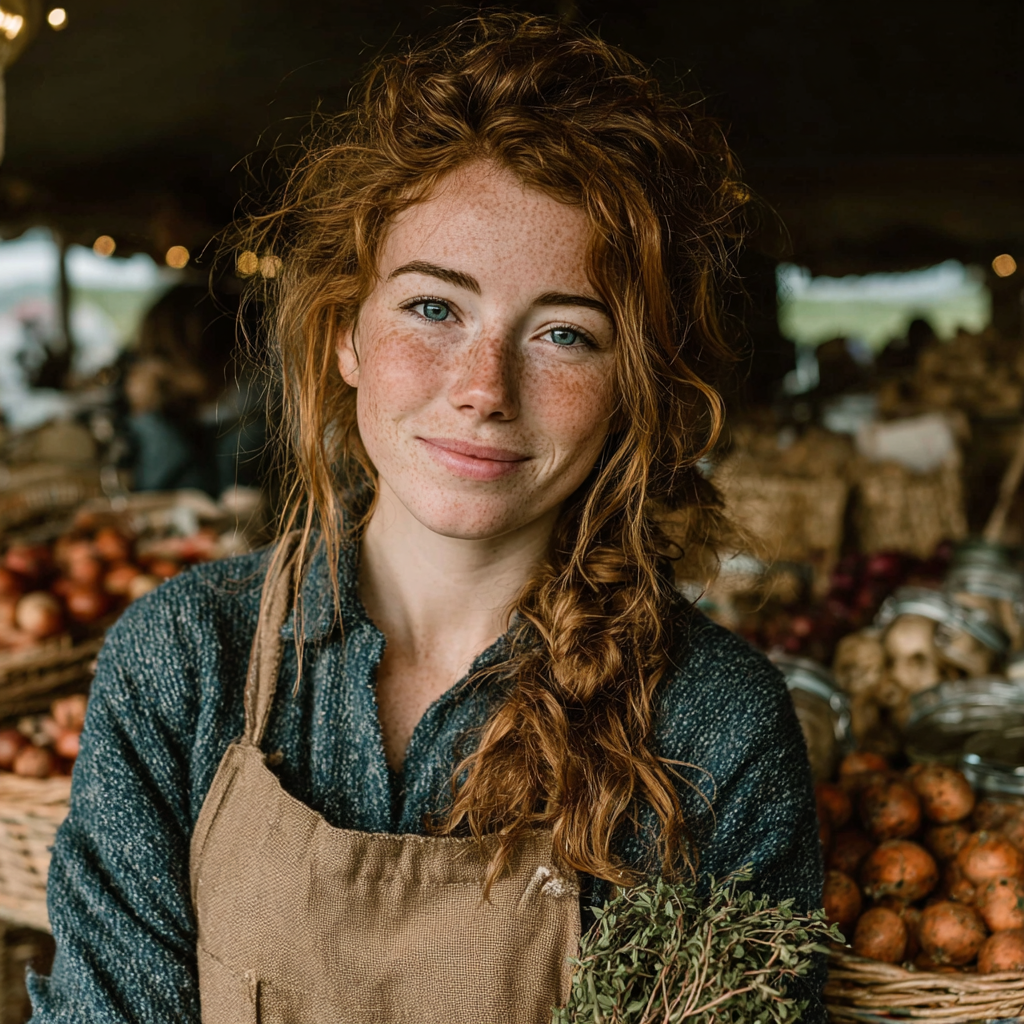
By Sophie Brennan
Irish food writer and historian based in Lisbon. Sophie combines her background in medieval history with a passion for contemporary gastronomy. She has written for Condé Nast Traveller and authored two cookbooks exploring Celtic and Iberian culinary traditions.