
Edinburgh: From Haggis to High Cuisine — A Food Writer's Guide to Scotland's Capital
Author: Sophie Brennan
Published: 2026-03-25
Category: Food & Drink
Country: Scotland
Word Count: ~3,200
Slug: edinburgh-scotland-food-drink-guide
The first time I ate haggis in Edinburgh, I was prepared to be polite. As an Irishwoman who grew up on black pudding and drisheen, I understood offal. But haggis has a reputation—Burns Night poetry, bagpipes, the whole theatrical production. What I didn't expect was to taste something that made sense: peppery, nutty, deeply savory, the kind of dish that doesn't need ceremony because the flavor carries it.
Edinburgh's food scene operates on that same principle. This is a city that knows itself. It doesn't chase trends from London or ape Nordic minimalism. It has Scotland's larder at its disposal—langoustines from the east coast, beef from the Borders, berries from Perthshire, and barley from the Highlands—and chefs who understand that the best preparation is often the simplest one.
I've been eating my way through Edinburgh for fifteen years, from post-grad meals of soup and bread to expense-account dinners that lasted four hours. This guide covers where to eat, what to order, and how to navigate a city where dinner reservations at the best places fill weeks in advance, but some of the best meals still happen standing at a fish counter or perched on a bar stool with a dram.
The Author
Sophie Brennan is a food writer and culinary historian based between Dublin and Edinburgh. She has written for Condé Nast Traveler, The Guardian, and National Geographic, and is the author of The Larder and the Line: How Coastal Cuisine Shaped the British Isles. Her work focuses on the intersection of tradition and innovation in food cultures, with particular attention to the ingredients and techniques that define regional identity. She has eaten haggis in fifty-two establishments across Scotland. The Witchery's is still the best.
The Classics: Scottish Food That Actually Tastes Scottish
The Witchery by the Castle
James Thomson opened The Witchery in 1979 in a sixteenth-century merchant's house at the top of the Royal Mile. The dining rooms are theatrical—tapestries, oak paneling, candlelight that flickers off stone walls. Some people find it too much. They're missing the point. The Witchery isn't trying to be cool. It's trying to be magnificent, and it succeeds.
The food is old-school Scottish luxury: Angus beef, Highland game, shellfish from Scottish waters. The signature dish is the Witchery Angus beef fillet (£52), served with truffle mashed potatoes and a red wine jus. It's expensive. It's also excellent—beef that's been hung properly for twenty-eight days, cooked with precision, accompanied by ingredients that don't compete for attention.
The seafood platter (£72 for two) arrives with lobster, crab, langoustines, and oysters. Everything is Scottish, mostly from the east coast. The langoustines come from Loch Fyne, sweet and delicate, barely cooked. The crab is dressed simply, with brown bread and butter on the side, the way it should be.
Book six weeks ahead for dinner. Lunch is easier, and the set menu (£35 for two courses, £42 for three) offers the same kitchen at half the price. The breakfast menu (£28) is a lesser-known gem—kedgeree, Scottish porridge with Auchentoshan cream, and the full Witchery breakfast with black pudding and tattie scones.
Visit: Castlehill, Royal Mile, EH1 2NF. Open daily 12:00–23:00. Breakfast 08:00–10:30. Reservations essential for dinner; book online or call 0131 225 5613.
The Scran & Scallie
Tom Kitchin is Edinburgh's most celebrated chef—a Michelin star at his eponymous restaurant, a Scottish upbringing, and a philosophy he calls "from nature to plate." The Scran & Scallie, his gastropub in Stockbridge, applies that philosophy to food you actually want to eat.
"Scran" is Scottish slang for food. The menu reads like a love letter to the country's ingredients: potted shrimps with sourdough, venison Scotch egg, slow-cooked lamb shoulder with root vegetables. The Scotch pie (£11) comes with buttery pastry and minced mutton filling, served with mash and whisky sauce. The fish and chips (£16) uses sustainably caught haddock and triple-cooked chips that shatter when you bite them.
The bar stocks over fifty Scottish gins and a hundred whiskies. The barman will ask what you like, then pour you something that fits. On my last visit, I mentioned I preferred Irish whiskey—less smoke, more fruit. He poured a Linkwood 15-year-old from Speyside. He was right. The gin selection is equally curated: try the Edinburgh Gin Seaside edition with tonic and a sprig of samphire.
This is where Edinburgh residents bring visitors who want to understand Scottish food without the white-tablecloth stiffness. The room is comfortable—leather banquettes, wooden tables, no tablecloths. The staff know the menu because they eat there too. The prices are reasonable for the quality: mains run £14–£22, and a proper meal with drinks won't exceed £45 per person.
Visit: 1 Comely Bank Road, Stockbridge, EH4 1DT. Open daily 12:00–22:00. Walk-ins welcome for lunch and early dinner; reservations recommended for dinner after 19:00. Call 0131 332 6281.
The New Guard: Where Edinburgh Chefs Are Going Next
Fhior
Scott Smith opened Fhior in 2018 after cooking at Noma and The Kitchin. The restaurant sits on Broughton Street, away from the tourist crush of the Royal Mile. The room is simple—concrete floors, natural wood, nothing to distract from the food.
The tasting menu (£85) changes with what's available. In February, I ate Orkney scallops with fermented cabbage, Borders lamb with wild garlic, and a barley pudding with preserved lemon that shouldn't have worked but did. The cooking is technical without being showy. Smith lets ingredients lead.
The wine list focuses on natural and biodynamic producers. The sommelier pairing (£55) is worth adding—small pours that match the intensity of each course without overwhelming it. The à la carte option (mains £28–£36) offers a less expensive entry point, though the tasting menu is the experience this kitchen is built for.
Fhior represents where Scottish food is heading: confident, ingredient-driven, unburdened by tradition but respectful of it. The sourdough bread, baked in-house, arrives warm with cultured butter. The butter changes seasonally—sometimes cultured, sometimes salted with seaweed, always worth eating too much of.
Visit: 36 Broughton Street, EH1 3SB. Dinner Wednesday–Sunday 18:00–21:30, lunch Friday–Sunday 12:00–14:30. Closed Monday–Tuesday. Reservations essential; book online at fhioredinburgh.com.
Aizle
Aizle doesn't have a menu. You pay £75 and the kitchen sends what they're cooking that night. The format—tasting menu only, no choices—has become common in restaurant capitals. In Edinburgh, it's still noteworthy because chef Stuart Ralston does it with such conviction.
Ralston worked in New York and Singapore before opening Aizle in 2015. The food blends Scottish ingredients with techniques picked up abroad: venison tartare with fermented koji, cod with dashi butter, beetroot sorbet with horseradish. The dishes sound complicated. They taste clean.
The room is small—twenty-six seats—and the kitchen is open, so you watch the cooks work. There's something honest about the setup. You can't hide poor cooking in that space, and Ralston doesn't need to. The pace is deliberate: twelve courses over three hours, with time to breathe between each.
The no-menu format won't appeal to everyone. If you're a picky eater or have dietary restrictions, call ahead—they accommodate vegetarian and pescatarian diets with notice, but vegan is challenging given the kitchen's reliance on dairy and fermentation. If you're willing to surrender control, Aizle rewards the trust.
Visit: 107-109 St. Leonard's Street, EH8 9QY. Dinner Tuesday–Saturday 18:30–21:00. Reservations essential; book online at aizle.co.uk. Allow three hours.
Neighborhood Eating: Where the City Actually Lives
Stockbridge and the Sunday Market
Stockbridge, ten minutes' walk from Princes Street, is where Edinburgh's food culture lives most honestly. The neighborhood has its own rhythm—antique shops, independent bakeries, a butcher who knows his customers by name. On Sunday mornings, the Stockbridge Market fills Saunders Street with stalls selling sourdough from Anderson & Co., venison burgers from the Highland venison farmer, and craft cheese from the Scottish Cheese Trail.
The market runs 10:00–16:00 every Sunday. Arrive before 11:00 for the best selection; the sourdough sells out by 13:00 and the cheese stalls start packing up at 15:30. Bring cash—some traders prefer it, though most now accept cards. The venison burgers (£7) are cooked to order and worth the wait. The local honey stall, Edinburgh Honey Co., sells heather honey that tastes like the Scottish moors in August.
After the market, walk to The Pantry (1 North West Circus Place) for brunch. The avocado toast (£12) is predictable, but the haggis rolls (£9) and the full Scottish breakfast (£16) are properly executed. The coffee is Square Mile, the pastries are baked in-house, and the queue on Sunday mornings is twenty minutes—worth it.
Visit: Stockbridge Market, Saunders Street, EH3. Sundays 10:00–16:00. The Pantry: 1 North West Circus Place, open daily 09:00–16:00. Brunch reservations recommended at weekends; call 0131 332 7571.
Leith: Edinburgh's Waterfront Revival
Leith, Edinburgh's port district, has transformed from rough docklands to one of the city's most exciting food neighborhoods. The waterfront still smells of the sea—properly, not tourist-romantically—and the restaurants here have a confidence that comes from serving locals, not just visitors.
The King's Wark (36 The Shore) is a seventeenth-century pub that serves some of the city's best seafood in a room that hasn't changed much in three centuries. The Cullen skink (£9)—smoked haddock, potato, and leek soup—is thick enough to stand a spoon in and smoky enough to taste the peat. The fish pie (£16) uses three types of fish and a mash topping with proper texture. The pub has been here since 1432, and the current owners have been running it since 1987. That continuity matters.
For a more modern take, The Little Chartroom (14 Bonnington Road) earned a Michelin star in 2023. Chef Roberta Hall-McCarron's cooking is precise and personal—scallops with celeriac and brown butter, venison with blackcurrant and chicory. The tasting menu (£95) is the main event, but the à la carte lunch (£28 for two courses) is one of Edinburgh's best-value fine-dining experiences. The room is small—twenty covers—so book two weeks ahead.
Visit: King's Wark: 36 The Shore, Leith, EH6 6QU. Open daily 12:00–22:00. The Little Chartroom: 14 Bonnington Road, EH6 5NQ. Dinner Wednesday–Sunday, lunch Friday–Sunday. Reservations essential; book online at thelittlechartroom.com.
Where to Eat When You're Not Hungry for a Meal
Union of Genius
Scotland's weather demands soup. Union of Genius, on Forrest Road near the university, makes six fresh soups daily, served with sourdough from a local bakery. The flavors rotate—Moroccan chickpea, Scottish lentil with ham hock, Thai coconut with lemongrass, roasted tomato and basil.
A bowl costs £7.50. Add a chunk of cheese (£2.50) or a half-sized sourdough (£3) and you have lunch for under £12. The shop is tiny—six stools and a bench outside that fills fast. Students from the university fill the space from noon until the pots run dry, usually by 14:30.
This isn't destination dining. It's honest food made by people who understand that soup should be thick enough to stand a spoon in and seasoned properly. The Moroccan chickpea—cumin, preserved lemon, harissa on the side—has been my lunch three times in one week. The Scottish lentil, made with ham hock from a Borders farm, is the kind of soup that restores you after a morning walking the Royal Mile in horizontal rain.
Visit: 8 Forrest Road, EH1 2QN. Open Monday–Saturday 11:00–16:00. Cash and card. No reservations.
The Fishmarket at Newhaven
Newhaven is a fishing village absorbed into Edinburgh, two miles north of the city center. The harbor still operates—boats leave at dawn and return with crab, lobster, and line-caught fish. The Newhaven Fishmarket sells the catch directly to the public.
Arrive before 09:30. The best stuff—langoustines, dressed crab, whole sea bass—sells out by 10:30. A whole crab, cooked and dressed, costs £14. A kilo of mussels is £6. The staff will tell you how to cook what you buy, though most customers seem to know already. The lobster, when available, runs £18–£22 per kilo depending on the season. In August, the langoustines are at their sweetest—buy them live and have them boiled on-site for an extra £1.
There's no seating, no café, no experience to curate. Just fresh seafood at prices that make restaurant markup seem excessive. Buy crab claws and eat them on the harbor wall, watching the boats come in. The seagulls are aggressive—eat fast or share.
Visit: 23A Pier Place, Newhaven, EH6 4LP. Open Tuesday–Saturday 08:00–13:00. Cash preferred, card accepted. Closed Sunday–Monday.
What to Drink: Whisky, Beer, and Beyond
The Bow Bar
The Bow Bar, on Victoria Street, stocks over three hundred whiskies. The selection ranges from standard distillery releases to bottles that haven't been produced in decades. The bartenders know the stock and pour generously—standard measures are 35ml, but the good stuff often comes in at 25ml, and they don't rush you.
A dram starts at £4.50 for young blends and climbs to £90 for rare single malts. The sweet spot is £9–£14: twelve to eighteen-year-old single malts from distilleries like Glenfarclas, Old Pulteney, or Bunnahabhain. Ask for something sherried if you prefer richness, something bourbon-cask if you want lighter flavors. The Bow Bar's private bottlings, sourced directly from distilleries, are worth asking about—often £12–£18 and unavailable elsewhere.
The bar also serves cask ale from Scottish microbreweries and has no television, no music, no distractions from conversation. It's where Edinburgh's whisky enthusiasts drink, which means it's where you should too. The average visit lasts two hours. Plan accordingly.
Visit: 80 West Bow, Victoria Street, EH1 2HH. Open Monday–Saturday 12:00–00:00, Sunday 12:30–23:00. Cash and card. No food.
The Hanging Bat
Not everyone wants whisky. The Hanging Bat, on Lothian Road, focuses on beer—Scottish craft, British cask, American imports. Twenty taps rotate constantly, and the chalkboard behind the bar changes daily. The staff are knowledgeable without being preachy.
Scottish breweries dominate: BrewDog, Fierce Beer, Bellfield Brewery, and Edinburgh's own Campervan Brewery. The cask ales—served at cellar temperature, lower carbonation than keg—show what British brewing does differently. Try something from Tempest Brewing or Stewart Brewing, both Edinburgh-based. The Stewart Brewing Edinburgh Gold (£5.20 a pint) is a reliable session beer that tastes of the city.
The food is American-influenced: wings, burgers, loaded fries. It's not why you come, but it's better than it needs to be. A pulled pork sandwich (£10) and a pint of something hoppy makes a satisfying lunch. The bourbon selection is surprisingly good for a beer bar—ten bottles, mostly from Kentucky distilleries, served in proper whiskey glasses.
Visit: 133 Lothian Road, EH3 9AB. Open daily 12:00–00:00. Kitchen until 21:00. Cash and card.
What to Skip (And Where to Go Instead)
The Royal Mile tourist pubs. The chains near the castle—Wetherspoons, All Bar One, the tartan-themed bars with "authentic Scottish experience" signs—serve the same food you could get in any UK city, just with haggis on the menu and a mark-up for the view. Instead, walk ten minutes to The Devil's Advocate (9 Advocate's Close), a whisky bar in a converted Victorian pump house with a serious selection and a staff who know the difference between Islay and Speyside.
Restaurant haggis on Burns Night (January 25). Every restaurant in Edinburgh serves haggis that night, and most of it is prepared in bulk, reheated, and paired with a poetry reading you didn't ask for. If you want to experience haggis properly, go to The Scran & Scallie on a random Tuesday in October, when the kitchen is cooking it because they want to, not because the calendar demands it.
The Edinburgh Dungeon's "medieval feast experience." It exists. People book it. The food is reheated chicken legs and bad mead. For the same price (£45), you could have a proper meal at The Scran & Scallie with two courses, a dram, and a taxi home. Choose accordingly.
Pre-packaged shortbread from souvenir shops. The shortbread in tartan tins is industrial, mass-produced, and tastes of nothing. For real shortbread, go to Pinnies & Poppy Seeds (111 Bruntsfield Place), a bakery that makes it daily with butter from a local dairy. The difference is the difference between a biscuit and a memory.
Any restaurant with a "locally sourced" sign and a laminated menu in six languages. Edinburgh's best restaurants don't advertise local sourcing—they just use it, because it's better. The laminated menu is the warning sign.
Practical Realities
Getting around: Edinburgh is compact. Most of the restaurants in this guide are within a thirty-minute walk of the castle, or a ten-minute taxi. Black cabs are plentiful and reliable; a ride from the Royal Mile to Leith costs £8–£12. Uber operates but black cabs are often faster to flag down. The tram runs from the airport to the city center (£7.50 single, £9.50 return) and stops at York Place, a short walk from most central restaurants.
Reservations: Book dinner at serious restaurants four to six weeks ahead. Lunch is easier—most fine-dining restaurants offer lunch service with shorter menus and lower prices. Casual spots operate on walk-ins, but the good ones fill up by 19:30 on weekends. Edinburgh's restaurant culture is no-reservation for many gastropubs; arrive at 17:45 or be prepared to wait.
Tipping: 10–12.5% is standard in restaurants. Some places include service automatically—check the bill. Not expected in pubs or casual counters. The Scots are not enthusiastic tippers by nature; 10% is generous and appreciated.
Dietary restrictions: Vegetarian options are standard in most restaurants. Vegan options are increasingly common, though traditional Scottish cuisine is heavy on dairy and meat. Most kitchens can handle allergies if notified when booking. The Witchery and Fhior both accommodate vegetarian tasting menus with advance notice.
When to visit: Edinburgh Festival in August brings crowds, inflated prices, and restaurants that are fully booked by June. September through November offers good weather, fresh game, and easier reservations. January and February are cold—temperatures hover around 5°C—but cheap, and the restaurants are quieter. The best time for food is late September, when the game season opens and the crowds have thinned.
Budget: A mid-range meal with drinks costs £45–£70 per person. Fine dining with wine pairings runs £120–£180. Budget travelers can eat well for £25–£35 per day: soup at Union of Genius, fish and chips at a local pub, a supermarket picnic for dinner. Edinburgh is not cheap, but it is possible to eat honestly without spending a fortune.
Cash vs. card: Most restaurants accept cards. Some small markets and the Newhaven Fishmarket prefer cash. Carry £20–£30 in cash for market visits and taxi tips.
Local customs: Scots dine earlier than Londoners—restaurants fill by 19:30 and last orders are often at 21:30. Sunday roasts are a tradition; many pubs serve them from 12:00–16:00. Haggis is available year-round, not just on Burns Night. The legal drinking age is 18, and pubs close at 00:00 (01:00 on Fridays and Saturdays in the city center).
Edinburgh doesn't need to prove anything. It has the ingredients, the history, and the chefs who understand that Scottish food is worth taking seriously. Start with haggis. Have a whisky. Walk through Stockbridge on a Sunday morning. Eat crab on the harbor wall. Work your way through a city that feeds you honestly, without pretense, and leaves you wanting to return—not because you missed something, but because you want to have it all again.
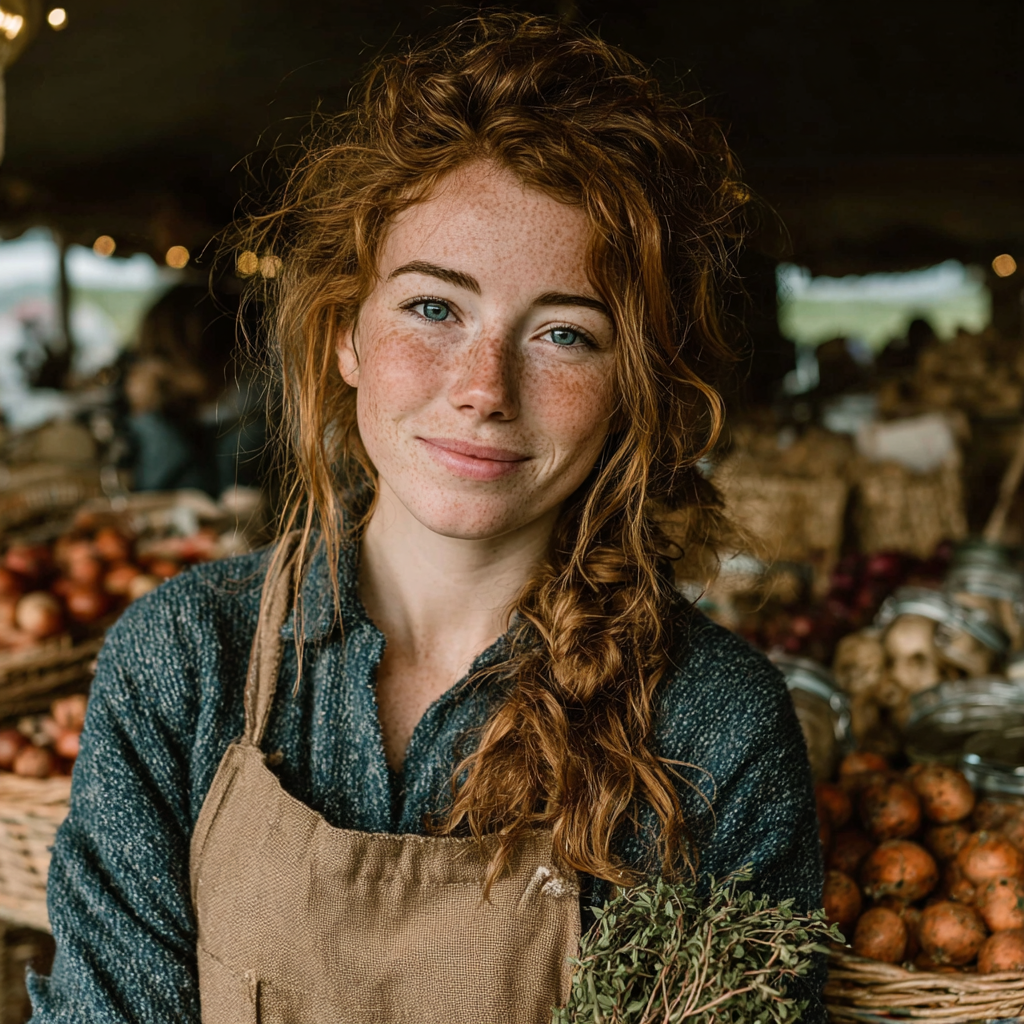
By Sophie Brennan
Irish food writer and historian based in Lisbon. Sophie combines her background in medieval history with a passion for contemporary gastronomy. She has written for Condé Nast Traveller and authored two cookbooks exploring Celtic and Iberian culinary traditions.