
Rwanda: The Country That Banned Plastic Bags and Brought Back the Lions
Rwanda's high-value, low-volume tourism model funds mountain gorilla conservation, restores Big Five ecosystems, and proves that strict environmental policy can drive economic growth.
On this page
Rwanda does not ease you in. At Kigali International Airport, a customs officer will ask you to empty your luggage if they spot a plastic bag. The ban is total. It has been total since 2008, when Rwanda became the first country in Africa to outlaw non-biodegradable carrier bags, and it was extended to single-use plastics in 2019. This is your first clue that Rwanda runs on different rules than the rest of East Africa.
The second clue arrives on the road north to Volcanoes National Park. The roadside is clean — not tidied-for-tourists clean, but clean because every adult in the country does mandatory community work on the last Saturday morning of each month. The hills are terraced. The eucalyptus stands are planted in straight lines. You are in a country that rebuilt itself after the 1994 genocide and decided its future would be green, orderly, and funded partly by people like you paying $1,500 to stand near a mountain gorilla.
I am Priya Sharma, a conservation biologist by training. I have spent years counting pugmarks and camera-trap frames on the Indian subcontinent, and I came to Rwanda skeptical of a tourism model built on a four-figure permit price. I left convinced it is the most honest conservation deal in Africa — with a few caveats this guide will not hide from you.
The Gorillas: What $1,500 Actually Buys
Mountain gorilla trekking is Rwanda's headline act and its conservation backbone. The permit costs $1,500 for foreign non-residents. Foreign residents of Rwanda and East Africa pay $500; Rwandan and EAC citizens pay $200. The permit includes park entry, trackers, guides, and exactly one hour with a habituated family. It is not negotiable, and it is not a simple entry fee.
The money funds the 12 habituated gorilla families in Volcanoes National Park, capped at 96 permits per day. It pays the veterinarians of the Gorilla Doctors program who treat respiratory infections. It pays anti-poaching patrols across the park's 160 square kilometers. It pays the trackers who leave at dawn to find where the family nested. And roughly 10 percent of park revenue flows to surrounding communities — schools, health centers, water systems — through the Rwanda Development Board's revenue-share scheme.
The results are measurable. When Dian Fossey established the Karisoke Research Station here in 1967, mountain gorillas were heading toward a low of around 250 animals in the early 1980s. The most recent Virunga massif census put the population above 1,000, and current estimates run past 1,100 across Rwanda, Uganda, and the DRC — the only three countries where this subspecies exists. Volcanoes National Park holds the largest share of them. Every September, Kwita Izina, the annual gorilla-naming ceremony, turns new babies into a national festival. In 2026, tourism money is why those babies keep arriving.
The logistics. You will trek between one and five hours through farmland, bamboo forest, and montane vegetation at altitudes up to 2,500 meters. Groups are capped at eight visitors per family, minimum age fifteen, and trackers enforce a seven-meter distance — though juveniles routinely ignore it and wander closer. Porters from nearby villages charge $10–20 and are worth every franc: they haul your bag, steady you on mud, and their fee is direct community income. Hire one even if you do not need one.
Book through the Rwanda Development Board or a registered operator only. Permits are nominative and checked against your passport at Kinigi headquarters. For the June–September peak, book three to six months out. And know the discount rule: from November through May, Rwanda takes 30 percent off the permit — down to $1,050 — if you combine the trek with at least two nights across Akagera and Nyungwe. That discount is the whole philosophy of this guide in one number: they would rather you stayed longer and spread your money around.
Around the trek. Add the golden monkey tracking permit ($100) in the bamboo zones lower down, or the Dian Fossey tomb hike ($75 permit, about four hours round trip to her grave and the old Karisoke site above 3,000 meters). Near Kinigi, the Iby'iwacu Cultural Village — now called the Gorilla Guardians Village — employs former poachers as dancers, guides, and storytellers. A visit runs around $30–35 for a couple of hours. It is staged. It is also real: these men once killed gorillas for bush meat, and tourism now pays them more to protect them. That is not a performance.
Kigali: The Cleanest City in Africa Is Not a Slogan
Most visitors treat Kigali as an overnight stop. Give it two full days. The city works on the same discipline as the national parks, and understanding it is the key to understanding the country.
Start at the Kigali Genocide Memorial in Gisozi (KG 14 Avenue), the final resting place of more than 250,000 victims. Entry is free; the memorial is open daily 9:00 AM–5:00 PM with last entrance at 4:00 PM, and it asks for at least ninety minutes of your full attention. On Umuganda Saturdays — the last Saturday of each month — it opens only from 1:00 PM, and it closes on Christmas Day, New Year's Day, and the morning of April 7, when Kwibuka commemorations begin. Go early in your trip, not late; everything else in Rwanda reads differently after it.
Then let the city's present tense argue back. The Inema Arts Centre in Remera (open daily roughly 8:30 AM–6:30 PM, free entry) shows contemporary Rwandan painting, dance, and design in a converted warehouse. Kimironko Market, Kigali's biggest, runs 7:00 AM–8:00 PM daily under one vast roof — kitenge fabrics, baskets, avocados the size of rugby balls. Fix a price in your head before you engage, and walk the food hall on the upper floor for a Rwanda few tourists photograph. The Nyamirambo Women's Center runs neighborhood walking tours and Rwandan cooking classes ($30–40) that funnel income directly into its sewing cooperative. For coffee — and Rwanda grows some of Africa's best — Question Coffee in Gishushu buys from women farmer cooperatives and will walk you through a cupping for the price of a latte.
Kigali runs on two rhythms worth planning around. The last Saturday morning of every month is Umuganda: nationwide community work from 8 AM until late morning, when almost everything closes and traffic disappears. And the city holds car-free mornings twice a month, when KN3 Road becomes a cycling and walking strip. Dinner in Kimihurura — Repub Lounge for Rwandan plates, Heaven Restaurant for the city's long-running training-kitchen institution — shows you the middle-class Kigali that barely existed in 2000.
Akagera: The Park That Refused to Die
If Volcanoes proves permits can fund protection, Akagera proves protection can resurrect a dead park. By 2000, this 1,122-square-kilometer savanna on the Tanzanian border had been gutted by poaching, cattle incursions, and civil war. Lions were gone. The last rhino was killed in 2007. In 2010 the government handed management to African Parks in a 20-year co-management deal, and the reversal became one of the great conservation stories on the continent.
Lions came back from South Africa in 2015, with more added in 2021. Black rhinos returned in 2017; thirty white rhinos arrived in 2021 — the largest single rhino translocation ever undertaken. Today Akagera holds more than fifty lions, a leopard population that night drives actually reveal, over a hundred elephants, and the complete Big Five. All in a park a two-and-a-half-hour drive from your Kigali hotel.
The 2026 numbers. International visitor entry is $100 per person per day — and the fee structure rewards staying: $150 total for two nights, $200 for three, and nights four through seven inside the park are free. Children six to twelve pay half, under-sixes enter free. A vehicle costs about $10 per day, a park guide $25 for a half day or $40 full. The Lake Ihema boat safari — hippos, crocodiles, the absurd shoebill stork — runs $35–45. Night drives, when hyenas and leopards come out, cost $40. Walking safaris run about $30. Akagera is cashless: pay by card, bank transfer, or MTN Mobile Money.
Budget two nights minimum. A basic guided day trip lands around $150–250 per person all-in; overnights range from Karenge Bush Camp's seasonal simplicity to Ruzizi Tented Camp's mid-range comfort. The south gate is 110 kilometers from Kigali on good roads, and self-drive is genuinely workable here in a 4x4 — rare for the region.
Nyungwe and Gishwati-Mukura: The Forests Nobody Puts on the Poster
Everyone photographs gorillas. Almost nobody budgets time for the forests, which is a mistake, because Rwanda's primate diversity lives here.
Nyungwe Forest National Park in the southwest is one of Africa's oldest rainforests — montane forest that has survived for tens of millions of years — and it holds thirteen primate species. The flagship activity is chimpanzee trekking: $150 per person for international visitors on top of the $100-per-day park entry, with treks leaving around 5 AM from Uwinka or the Cyamudongo trailhead. Treks last two to five hours and are steep; sightings run around 80–90 percent when the fig trees fruit. One honest wrinkle: Nyungwe enforces a minimum group size of two, so solo travelers pay for two permits. Book the habituation experience instead ($200, maximum four visitors) if you want a full day with researchers and the Gisovu community.
The canopy walkway is the easier sell. Suspended about 70 meters up and 160 meters long above the forest floor near the Uwinka Visitor Centre, it costs $40 for international visitors as one of the park's general activities, with departures at 8 AM, 10 AM, 1 PM, and 3 PM. No trekking fitness required — just a tolerance for swaying. Guided birding, colobus monkey walks, and night walks also run $40 each; Ruwenzori colobus troops here can number 300–400 animals, the largest aggregations of primates on Earth after some human cities.
Gishwati-Mukura, Rwanda's fourth and newest national park, protects a recovering forest corridor toward Lake Kivu and offers the country's best-value primate encounter: chimpanzee tracking for $60, general forest entry for $10, golden monkeys for $30. The forest is young and the chimps less habituated than Nyungwe's, but the fee gap is real, and your money lands in a park that is literally being regrown — villagers who once farmed inside the boundary now work as rangers and reforestation crews.
In between the parks, stop where the money is transparent: tea cooperatives around Nyungwe, Huye Mountain Coffee's operation in the south, and women's basket cooperatives like those supplying Umutima and Azizi Life. Rwanda's community tourism is not a brochure category; it is the mechanism.
Where Your Money Actually Lands
Rwanda's model is deliberately high-value, low-volume. The government does not want backpacker swarms on gorilla trails; it wants fewer visitors who stay longer, spend more, and leave lighter footprints. The prices are the policy.
You can lean into it. Sabyinyo Silverback Lodge near Kinigi is owned by the Sabyinyo Community Livelihood Association — profits flow to local councils and the lodge employs hundreds from surrounding villages. Kinigi Guesthouse is simpler and more direct. At the top end, Bisate Lodge plants trees with every guest on its reforestation plots, and One&Only's two properties pump serious money into local payrolls, though their water and land footprints deserve the scrutiny this guide's critics raise. Everywhere, the question to ask is the same: who owns this, and who gets the profit? Rwanda's better operators answer without hesitation.
The porters, the cultural village performers, the Nyamirambo seamstresses, the Gishwati reforestation crews — this is where the sustainable-travel rhetoric becomes payroll. You do not need a lecture. You need a booking decision.
The Practical Framework
Getting in. Ignore any website claiming the new Bugesera International Airport is open. The $2 billion, Qatar Airways-backed mega-airport southeast of the city — announced for 2024, then 2026 — is now officially expected in 2027–2028, with construction roughly a quarter complete. Every commercial flight still uses Kigali International (KGL) at Kanombe, about 10 kilometers from the center. A taxi to most hotels runs $20–30; agree the fare before you get in.
Getting around. There is no Uber in Rwanda. Yego Moto and Yego Cab are the local ride-hailing apps, covering motorcycle taxis (a few hundred francs across town — helmets provided) and cars. For park circuits, hire a 4x4 with a driver-guide; operators quote roughly $180–250 per vehicle per day, and shared group departures to Akagera start around $150–250 per person including park fees. Rwanda's roads are among Africa's best — Kigali to Musanze in two hours, to Akagera's south gate in two and a half, to Nyungwe in about five.
Money. The Rwandan franc (RWF) is the currency, but dollars are accepted at most tourism businesses, and Akagera is fully cashless — card, transfer, or MTN Mobile Money. MTN dominates; buy a SIM at the airport for a few dollars and load data at any kiosk. ATMs are everywhere in Kigali, thin outside it.
Paperwork and health. Most nationalities get a visa on arrival for $50, or apply online in advance; the East Africa Tourist Visa ($100) adds Kenya and Uganda if you are combining countries. A yellow fever certificate is required only if arriving from an endemic country. Malaria prophylaxis is recommended for Akagera and the Nyungwe lowlands; Kigali and the Volcanoes highlands sit above the mosquito line. Gorilla trekkers: pack long sleeves, gardening gloves for nettles, gaiters for ants, and rain gear regardless of season.
When to go. Dry seasons — June through September and December through February — give the firmest trails and easiest trekking. The green months bring mud, mist, empty trails, and the $1,050 permit if you combine parks. And on the last Saturday morning of every month, join or avoid Umuganda — everything is closed anyway, and watching a nation sweep its own streets is a useful calibration.
What to Skip
The one-day gorilla dash. Yes, you can land at 8 AM, drive to Volcanoes, trek, and be back in Kigali by dinner. It is exhausting, leaves zero margin for weather or gorilla movement, and reduces Rwanda to a checkbox. Book two nights near Kinigi minimum — three, if you add golden monkeys or the Fossey trail.
Orphanage visits and short-term volunteering. Rwanda has spent years moving children out of institutions and into families, and orphanage tourism — however well-meaning — props up a system that harms children. If you want to contribute, fund education programs through established NGOs, or spend your money at community enterprises like the Nyamirambo Women's Center.
The DRC add-on. Virunga National Park across the border has been closed to tourists since 2024 amid the M23 conflict, and the Gisenyi–Goma crossing is unstable. Any operator still selling it is selling risk. If Virunga reopens someday, reassess then.
Unofficial permit "deals." Gorilla permits are nominative and registered in Rwanda Development Board's system. There is no legitimate discount outside the official low-season scheme. A broker offering $1,100 peak-season permits is selling a scam or a stolen name.
The generic hotel gift shop. Rwanda's crafts economy runs through cooperatives, not middlemen. Buy baskets from women's groups, coffee from Huye Mountain or Question Coffee, art from Inema's artists. The price is similar; the economics are entirely different.
Lake Kivu, if time is short. The lake is lovely — kayaking off Rubavu, the Congo Nile Trail, lakeside lodges — but on a first trip of a week or less it is the most skippable stop. Prioritize a third park or another night in Kigali instead.
The Honest Ledger
Rwanda's model is not perfect, and a sustainable travel guide should say so plainly. The $1,500 permit prices out most independent travelers and nearly all East African citizens — the people whose park this is. The luxury lodge boom around Volcanoes has raised real questions about land use and water. The high-value strategy consciously excludes budget travelers, and the country's broader record on political space is a conversation that does not disappear because the gorillas are thriving.
But measure the outcomes. The mountain gorilla population is growing. Akagera went from a park with no lions to one where lions breed. Nyungwe's forest is expanding under protection, Gishwati is being replanted, and the country is closing in on its 30 percent forest-cover pledge. Plastic bags are gone from the landscape not by volunteer enthusiasm but by law, enforced at the airport, in the markets, on the buses.
Visit, and the support is simple. Stay longer than the minimum. Spread money across at least two parks. Hire the porter. Book community-owned where you can. Respect the seven-meter rule and the bag ban — they are the same rule, really: this country decided what it would be, and it holds the line.
Book the permit first, before your flights. Everything else in Rwanda follows from that. And bring boots you do not mind ruining — the mud is part of the receipt, proof you paid the full price and the gorillas got their share.
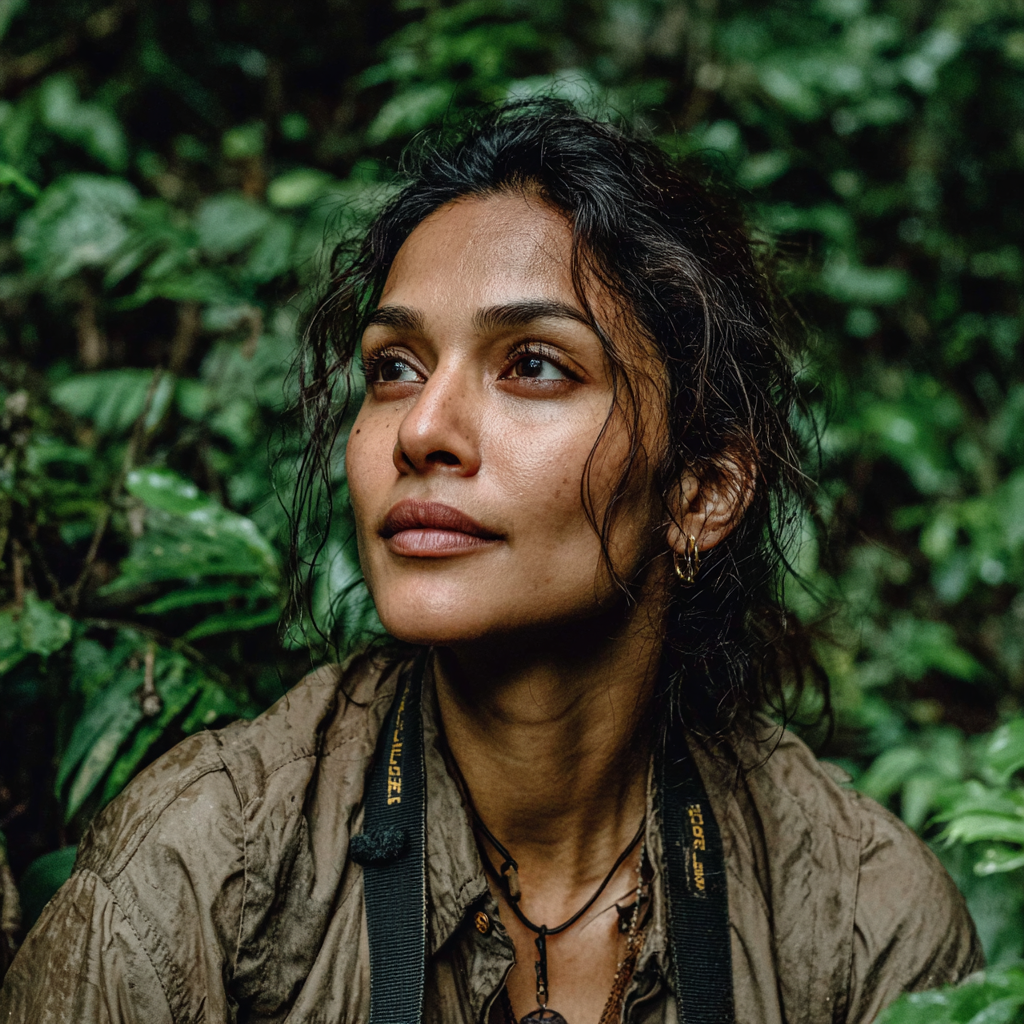
About Priya Sharma
Conservation biologist and sustainable tourism advocate. Priya works with eco-lodges and wildlife sanctuaries to promote ethical travel practices. She holds an MSc in Biodiversity Conservation and has spent years tracking endangered species across the Indian subcontinent.
More by Priya Sharma