
Rwanda does not ease you into the experience. At Kigali International Airport, a customs officer will ask you to empty your luggage if they spot a plastic bag. The ban is total. It has been total since 2008. This is the first clue that Rwanda operates by different rules than the rest of East Africa.
The second clue arrives two and a half hours later, on the road north to Volcanoes National Park. The roadside is clean. Not tidied-up-for-tourists clean. Clean because every adult in Rwanda participates in mandatory community work on the last Saturday of each month. The hills are terraced. The eucalyptus stands are planted in straight lines. You are entering a country that rebuilt itself after genocide and decided its future would be green.
The Gorillas: What $1,500 Actually Buys
Mountain gorilla trekking is Rwanda's headline act and its conservation backbone. The permit costs $1,500 for foreign visitors. This is not negotiable. It is also not a simple entry fee.
The money funds the 12 habituated gorilla families in Volcanoes National Park. It pays for the veterinarians who treat respiratory infections. It pays for the anti-poaching patrols that cover the park's 160 square kilometers daily. It pays for the trackers who leave at dawn to find where the gorillas nested the previous night. And it pays the communities.
Twenty percent of all park revenue goes directly to local projects: schools, health centers, road repair. In 1978, when Dian Fossey established her Karisoke Research Station here, the mountain gorilla population had collapsed to around 250 individuals. In 2024, the population across Rwanda, Uganda, and the DRC reached an estimated 1,060. Rwanda's Volcanoes National Park holds roughly 604 of them. The $1,500 permit is expensive, but it is the reason the gorillas are still alive.
You will trek for between one and five hours through bamboo forest and montane vegetation. The maximum group size is eight visitors per gorilla family. The minimum age is fifteen. Porters are available for $20 to $30 and are worth hiring both for your knees and for their income. Once you reach the gorillas, you have one hour. The silverback will ignore you. The juveniles may approach within meters. The trackers keep you at a mandatory seven-meter distance, though the gorillas do not always respect this rule.
Book permits through the Rwanda Development Board or via a registered tour operator. Availability is limited to 96 permits per day. During peak season (June to September), you need to book three to six months ahead.
Beyond the Gorillas: Akagera and Nyungwe
Volcanoes National Park is not the whole story. In fact, a purely gorilla-focused trip misses what makes Rwanda's conservation model genuinely interesting.
Akagera National Park, on the eastern border with Tanzania, is where Rwanda rewrote the textbook on restoration. By 2000, the park had been gutted. Poaching, farming, and civil war had wiped out the lions. The last rhino was killed in 2007. In 2010, African Parks took over management in partnership with the Rwandan government. They reintroduced lions from South Africa in 2015. They reintroduced black rhinos in 2017 and white rhinos in 2021. Today Akagera has over fifty lions, a leopard population that is actually visible on night drives, more than one hundred elephants, and both rhino species. The Big Five is complete again.
Entry to Akagera costs approximately $40 per person per day, plus vehicle fees. Game drives run morning and evening. Night drives, where you spot hyenas, leopards, and bush babies, cost extra. A boat safari on Lake Ihema gets you eye-level with hippos, crocodiles, and the prehistoric-looking shoebill stork. Budget two to three days here. Stay at Ruzizi Tented Camp for a mid-range option or Karenge Bush Camp for something simpler.
Nyungwe Forest National Park in the southwest is primate country. Thirteen species live here, including chimpanzees and the Ruwenzori colobus, which gathers in troops of up to four hundred individuals. Chimpanzee trekking permits cost $100. The success rate is around eighty to ninety percent during fruiting season, but treks start at 4:30 AM and can involve steep hiking. The canopy walkway, a suspended bridge seventy meters above the forest floor, costs $60 and does not require a trekker's fitness level. It is 200 meters long and genuinely vertigo-inducing.
Community Tourism: Where the Money Actually Goes
Rwanda's tourism model is deliberately high-value, low-volume. The country does not want backpacker hostels and overcrowded trails. It wants visitors who stay longer, spend more, and leave a lighter footprint.
The Iby'iwacu Cultural Village near Volcanoes National Park is a case study. The performers here are former poachers. They dance, demonstrate traditional fire-making and archery, and tell stories. The revenue supports their families and funds conservation education. A visit costs around $30 and lasts two hours. It is not an authentic village experience in the ethnographic sense, but it is authentic in the economic sense: these men used to kill gorillas for bush meat. Now they earn more from tourists.
Similarly, community-owned lodges are increasing. Sabyinyo Silverback Lodge, near Volcanoes, is community-owned and returns profits to local councils. Kinigi Guesthouse is simpler but directly supports the area. When you book through a local operator, ask whether the lodge has a community ownership structure.
The Practical Framework
Rwanda is small. You can drive from Kigali to the gorillas in two and a half hours, to Nyungwe in five hours, and to Akagera in two and a half hours on the eastern side. A typical seven-day circuit covers all three parks.
Visas are available on arrival for most nationalities and cost $50. The East Africa Tourist Visa ($100) also covers Kenya and Uganda if you are combining countries. Yellow fever certificates are required if arriving from an endemic country. Malaria prophylaxis is recommended for Akagera and Nyungwe but not necessary in Kigali or the Volcanoes area, which sit above malaria zones.
The dry seasons — June to September and December to February — are the best windows for trekking. During the wet seasons, trails are mudier but the landscape is greener. A 30 percent permit discount applies from November to May for visitors who also book at least two nights combined in Akagera and Nyungwe, bringing the gorilla permit down to $1,050.
Plastic bags remain banned. Bring reusable dry bags or compression sacks for your gear. Luggage is routinely searched at the airport and at park gates.
What to Skip
Skip the rushed one-day gorilla trek from Kigali. You can technically land at 8:00 AM, drive to Volcanoes, trek, and return by evening. It is exhausting, offers no buffer for weather or gorilla movement, and contributes nothing to the local economy beyond the permit fee. Stay at least two nights.
Skip the generic "coffee experience" tours that have started appearing near Kigali. Most are rebranded farm visits with minimal actual coffee processing insight. If you want coffee tourism, go to Huye Mountain Coffee in the south, where the cooperative structure is transparent and the beans are traceable.
Skip Lake Kivu if you are pressed for time. The lake is pleasant and the lakeside towns of Gisenyi and Kibuye have decent lodges, but the swimming is risky due to irregular methane gas releases, and the beaches are not the reason you came to Rwanda.
What This Model Means
Rwanda's tourism industry is not perfect. The gorilla permit price excludes most independent travelers and almost all local East African visitors. The luxury lodge construction near Volcanoes has raised concerns about land use and water consumption. And the emphasis on high-end tourism means that backpackers and mid-range travelers find fewer options than in Uganda or Tanzania.
But the results are measurable. The mountain gorilla population is growing. Akagera's lions are breeding. Nyungwe's forest is expanding under protection. The country has banned plastic bags, restored wetlands, and committed to reforesting thirty percent of its land by 2030. You can disagree with the pricing. You cannot argue with the outcomes.
If you visit, the clearest way to support the model is to stay longer and spend deliberately. Book community lodges. Hire local porters. Add Akagera or Nyungwe to your gorilla itinerary so your money spreads beyond a single park. And respect the rules. The seven-meter distance from gorillas is not a suggestion. The plastic bag ban is not a joke. Rwanda rebuilt itself through discipline. Its wildlife survived through the same thing.
Bring sturdy hiking boots that you do not mind getting muddy. Pack layers — the Volcanoes area sits at 2,500 meters and mornings are cold even in summer. And book your gorilla permit before your flight. Everything else follows from that.
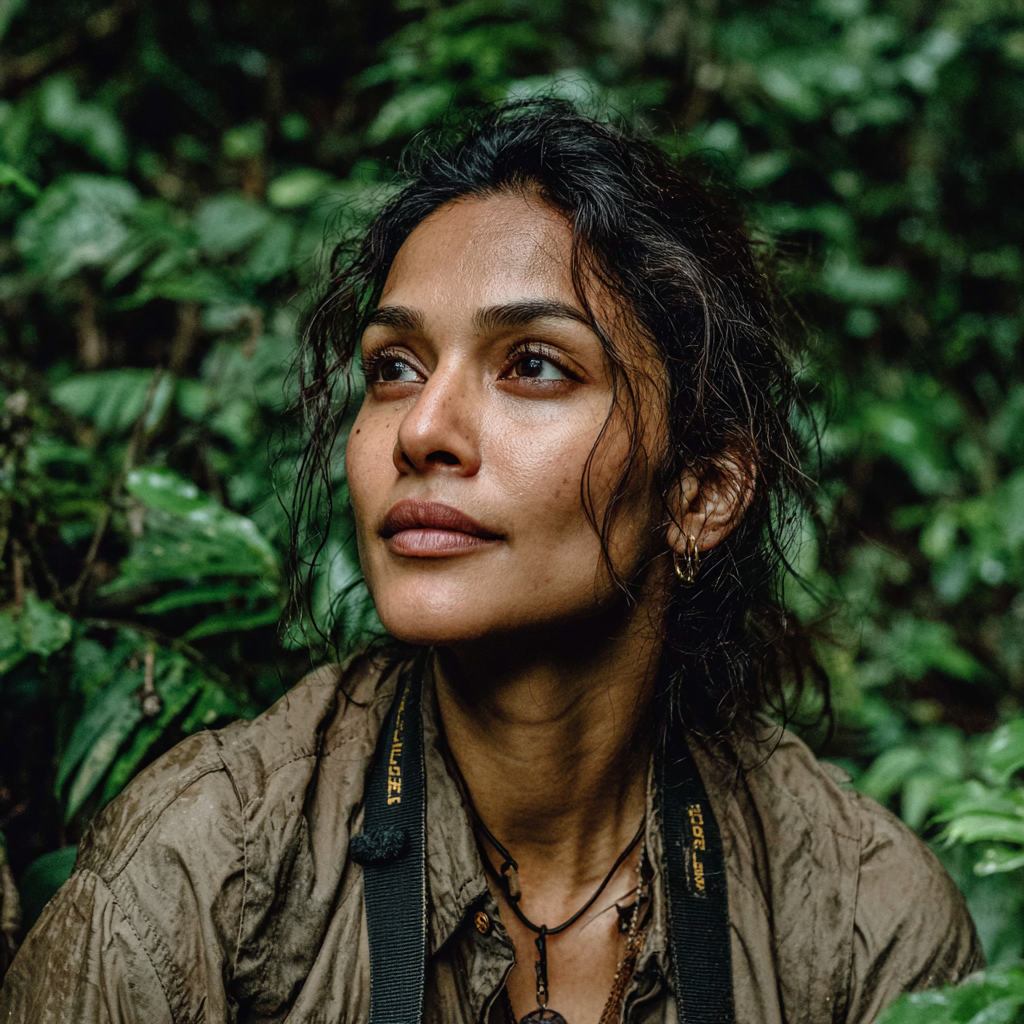
By Priya Sharma
Conservation biologist and sustainable tourism advocate. Priya works with eco-lodges and wildlife sanctuaries to promote ethical travel practices. She holds an MSc in Biodiversity Conservation and has spent years tracking endangered species across the Indian subcontinent.