
St. Petersburg: Imperial Splendor, Soviet Scars, and the White Nights That Never Let You Sleep
By Elena Vasquez | Culture & History
Peter the Great built this city on a swamp in 1703 to prove a point: Russia would face Europe, not Asia. Three centuries later, St. Petersburg remains Russia's most European city — wide boulevards, baroque palaces, canals that earn it the nickname "Venice of the North." But the Soviet years left their mark, and modern Russia's political isolation has created a strange tension. This is a city that hosts the Mariinsky Theatre and world-class museums, yet feels cut off from the world it was designed to impress.
The White Nights season — late May through mid-July — is when the city makes sense. The sun barely sets. Locals wander the streets at 2 AM, drinking on bridges, watching the Neva River bridges lift for shipping traffic. The city breathes differently when darkness never fully arrives. Come in winter and you'll understand Dostoevsky's characters. The wind cuts through every layer. Daylight lasts six hours. The beauty remains, but it demands more from visitors.
The Hermitage: More Than a Checklist
The State Hermitage Museum occupies six buildings along the Neva River, including the Winter Palace — the former residence of Russian tsars. The collection spans three million items. You could spend weeks here. Most visitors spend three hours and leave with museum fatigue.
Here's how to do it properly. Arrive at opening (10:30 AM, Wednesday through Sunday). The museum is closed Monday and Tuesday. Start with the Jordan Staircase, the museum's grand entrance hall, then move directly to the second floor. The Egyptian antiquities and Classical holdings are here, but the real draw is the building itself — the Throne Room, the Armorial Hall, the Gold Drawing Room. Catherine the Great collected art with competitive zeal. You'll see Da Vinci, Rembrandt, Michelangelo, and rooms full of Dutch Golden Age paintings she bought in job lots from impoverished European aristocrats.
The third floor holds modern art — Picasso, Matisse, Cézanne — and usually has fewer crowds. The Impressionist collection, once owned by Moscow textile merchants Morozov and Shchukin, was controversial in Soviet times. These "decadent" works are now among the museum's biggest draws.
Avoid the main entrance crowds by using the side entrance on Millionnaya Street. The main entrance is at Palace Square, but the Millionnaya Street entrance near the Alexander Column sees far fewer tour groups. Audio guides cost approximately 500–700 rubles. The museum has a strict bag policy — large bags must be checked. Photography is allowed without flash. Plan three to four hours minimum. The café on the first floor is overpriced; eat before you arrive at one of the cafés along Millionnaya Street.
Address: Palace Embankment, 34 (main entrance); Millionnaya Street, 35 (alternative entrance) Hours: 10:30 AM–6 PM (Wed–Sun), until 9 PM on Fridays. Closed Mon–Tue. Entry: 700 rubles (foreign visitors); free for Russian citizens on first Saturdays Tip: Book online at hermitagemuseum.org to skip the ticket line entirely.
Beyond the Hermitage: Smaller Museums Worth Your Time
The Russian Museum (State Russian Museum) focuses entirely on Russian art — icons through avant-garde. The building itself, the Mikhailovsky Palace, is a neoclassical masterpiece designed by Carlo Rossi. The collection includes Repin's "Barge Haulers on the Volga" and Kandinsky's early works. This is where to understand Russian art on its own terms, not as an annex to European tradition. The Mikhailovsky Garden behind the palace is a quiet retreat from Nevsky Prospekt's chaos.
Address: Inzhenernaya Street, 4 Hours: Wed–Sun 10 AM–6 PM, Thu until 9 PM. Closed Mon–Tue. Entry: 600 rubles
The Fabergé Museum, housed in the Shuvalov Palace on the Fontanka River embankment, displays nine imperial Easter eggs alongside other jeweled objects. The museum opened in 2013, funded by oligarch Viktor Vekselberg, who bought the collection from the Forbes family in 2004 for $100 million. The eggs are technically astonishing — mechanical elephants that walk, portraits that rise from inside. Whether they justify the hype depends on your tolerance for imperial excess. The Shuvalov Palace itself, built in the late 18th century, is worth seeing.
Address: Fontanka River Embankment, 21 Hours: Daily 10 AM–8:45 PM Entry: 450 rubles
The Museum of the Siege of Leningrad documents the 872-day Nazi blockade that killed roughly one million residents. The dioramas and personal artifacts — bread ration cards, children's toys made from military debris, the diary of 11-year-old Tanya Savicheva who recorded the deaths of her family members one by one — tell a story of civilian suffering that shaped the city's identity. This is essential context for understanding modern St. Petersburg. The residents still call themselves Leningraders, and the blockade memory is sacred here.
Address: Solianoy Lane, 9–11 Hours: Thu–Mon 10 AM–6 PM. Closed Tue–Wed. Entry: 300 rubles
The Churches: From Imperial Splendor to Soviet Desecration
The Church of the Savior on Spilled Blood dominates the Griboedov Canal. Built on the site where Tsar Alexander II was assassinated in 1881 by members of the revolutionary group Narodnaya Volya ("People's Will"), it's a riot of onion domes and mosaic work — 7,500 square meters of interior mosaics depicting biblical scenes. The style is deliberately medieval Russian, a rejection of the European classicism that characterized earlier imperial building. Closed during Soviet times, it functioned as a morgue and vegetable storage facility. Restored and reopened in 1997, it's now a functioning church and major tourist site. The contrast between its exterior fairy-tale appearance and its grim Soviet history is quintessentially St. Petersburg.
Address: Griboedov Canal Embankment, 2А Hours: 10:30 AM–6 PM daily, until 10:30 PM during White Nights Entry: 350 rubles
St. Isaac's Cathedral offers a different experience. The fourth-largest cathedral in the world, it took 40 years to build (1818–1858). The dome is gold-plated — 100 kilograms of gold. You can climb the 262 steps to the colonnade for views across the city center. The interior mixes Orthodox iconography with imperial grandeur. Like many churches, it was a museum of atheism during Soviet times. Now it's officially a museum, though religious services occur in a side chapel. The debate over whether to return it fully to the church has been ongoing for years, reflecting the broader tension between Russia's imperial, Soviet, and religious identities.
Address: St Isaac's Square, 4 Hours: 10:30 AM–6 PM daily Entry: 400 rubles; colonnade additional 300 rubles
Kazan Cathedral, facing Nevsky Prospekt, resembles St. Peter's in Rome — deliberate architectural diplomacy by architect Andrey Voronikhin. Field Marshal Kutuzov, who defeated Napoleon, is buried here. The church was closed from 1932 to 1999, used as a museum of the history of religion and atheism. It's now a working cathedral, free to enter, with services throughout the day. The semi-circular colonnade creates one of the most dramatic architectural spaces on Nevsky Prospekt.
Address: Kazanskaya Square, 2 (directly on Nevsky Prospekt) Hours: Daily, services throughout the day Entry: Free
The Palaces: Imperial Excess in Suburban Settings
Peterhof Palace, 29 kilometers west of the city, was Peter the Great's answer to Versailles. The Grand Cascade — 64 fountains, 255 bronze sculptures — operates daily from late April to mid-October, 11 AM to 6 PM. The fountains run on gravity alone, using water from reservoirs above the palace. No pumps. This 18th-century engineering still functions perfectly. The statue of Samson tearing open the jaws of a lion, representing Russia's victory over Sweden in the Great Northern War, is the centerpiece.
The palace interior is rococo excess — gilded everything, painted ceilings, rooms of Chinese and Japanese porcelain. The Monplaisir Palace, Peter's original retreat, is simpler and more interesting — Dutch-style architecture, personal effects, a sense of the man behind the imperial projection. Peter built this modest palace himself, preferring its simplicity to the grandiose palace his successors would build around it.
Reach Peterhof by hydrofoil from the Winter Palace pier (45 minutes, approximately 1,200 rubles round trip) or by train from Baltic Station to Noviy Peterhof, then bus (total cost around 200 rubles, takes 90 minutes). The hydrofoil is the experience — you approach the palace from the Gulf of Finland as Peter intended. The gardens are open year-round. The fountains operate May through October. Palace interior tickets are approximately 1,000 rubles. Budget a full day.
Address: Razvodnaya Street, 2, Peterhof Hours: Gardens daily 9 AM–8 PM ( fountains May–Oct 11 AM–6 PM); Palace interior Tue–Sun 10:30 AM–6 PM. Closed Mon. Entry: Gardens 700 rubles; palace interior 1,000 rubles
Catherine Palace, in the town of Pushkin (Tsarskoye Selo), 25 kilometers south of the city, contains the Amber Room — a chamber decorated entirely in amber panels backed with gold leaf and mirrors. The original was looted by Nazi Germany in 1941 and disappeared — one of the great unsolved art theft mysteries of World War II. The current reconstruction, completed in 2003 after 24 years of work, used 6 tons of amber and cost $11 million. It is stunning, but knowing it's a reconstruction changes the experience.
The palace is Baroque architecture pushed to absurdity — blue and white facades with gold domes, endless gilded rooms. It was heavily damaged during World War II and meticulously restored. The Great Hall, with its mirrors and gilded carvings, is overwhelming. The surrounding parks are landscaped English gardens with artificial ruins and pavilions, including the Cameron Gallery designed by Charles Cameron. The Chesme Column, commemorating a Russian naval victory over the Turks, stands in the park like a forgotten monument to forgotten wars.
Address: Sadovaya Street, 7, Pushkin (Tsarskoye Selo) Hours: Tue–Sun 10 AM–6 PM (until 9 PM in summer). Closed Mon. Entry: 1,000 rubles Critical: Advance online booking is essential in summer — tickets sell out days ahead. Book at tzar.ru.
Nevsky Prospekt: The City's Artery and Its Shadows
Nevsky Prospekt runs 4.5 kilometers from the Admiralty to the Alexander Nevsky Monastery. It's been the city's main street since the 18th century — shops, restaurants, theaters, churches from every architectural period. Pushkin set scenes from "Eugene Onegin" here. Gogol wrote about it. Dostoevsky's Raskolnikov walked these pavements. The street is both magnificent and exhausting — it's where St. Petersburg's grandeur meets its most aggressive commercialization.
The Anichkov Bridge, halfway along, features four bronze horse tamers — famous sculptures by Peter Klodt that survived the Siege of Leningrad hidden in the basement of the nearby Anichkov Palace. The Kazan Cathedral sits at one of the widest points. The Singer House, now a bookstore and café, offers a view of the cathedral from its upstairs windows — the most photographed spot on the street. The Great Gostiny Dvor, one of the oldest shopping arcades in the world, occupies an entire block.
But walk the side streets. Turn onto Rubinstein Street, perpendicular to Nevsky, and find the city's best restaurant strip — Georgian, Uzbek, Russian, and modern European restaurants in converted 19th-century apartments. The contrast between Nevsky's imperial scale and Rubinstein's intimate courtyards is the city in miniature.
Walk the full length of Nevsky once to understand the city's scale. The metro stations along the route — Nevsky Prospekt, Gostiny Dvor, Mayakovskaya — are worth entering even if you're not taking trains. Soviet-era stations built as underground palaces, with chandeliers, mosaics, marble columns. The Avtovo station, south of the center, is regularly listed among the most beautiful metro stations in the world — its columns are faced with ornamental glass.
Vasilievsky Island: The Academic Soul
Vasilievsky Island, across the Neva from the Winter Palace, is where St. Petersburg's brain lives. The St. Petersburg State University main building dominates the eastern tip. The Menshikov Palace, the oldest stone building in the city (1710), anchors the university quarter. The Kunstkamera, Russia's first museum founded by Peter the Great in 1714, still displays his collection of anatomical curiosities — preserved two-headed calves, Siamese twins, and other natural oddities that fascinated the scientifically obsessed tsar.
The Spit of Vasilievsky Island, where the Neva splits into the Great and Little Neva, offers the classic view of the Winter Palace across the river. The two Rostral Columns, decorated with ship prows, were originally oil-fired navigation beacons. The area around 6th and 7th Lines — parallel streets running the length of the island — has quietly become the city's most interesting neighborhood. Independent cafés, secondhand bookshops, art galleries, and the apartments of young academics and artists fill the 19th-century buildings.
Kunstkamera: Universitetskaya Embankment, 3 Hours: Tue–Sun 11 AM–7 PM. Closed Mon. Entry: 300 rubles
Literary St. Petersburg: Where Writers Became Gods
No city in Russia is more haunted by its writers. Pushkin died after a duel at the Black River, just outside the city center. Dostoevsky lived in poverty on Sennaya Square, the setting for "Crime and Punishment." The building at 5 Kuznechny Lane, where Raskolnikov supposedly lived, still stands — a tenement courtyard that hasn't changed much since the 1860s. Gogol wrote "The Overcoat" while wandering these streets. Akhmatova endured Stalin's terror from her apartment on the Fontanka. Brodsky was tried as a "social parasite" in a local court before being exiled.
The Dostoevsky Museum, at Kuznechny Lane 5/2, occupies the apartment where the writer lived with his family. The rooms are preserved as they were in the 1870s — modest, cramped, filled with books and the anxiety of a man who wrote about guilt and redemption while living in near-poverty. The museum offers a walking tour of Dostoevsky's St. Petersburg, tracing the route of Raskolnikov's murder and the bridges that appear in his novels.
Address: Kuznechny Lane, 5/2 Hours: Wed–Mon 11 AM–6 PM. Closed Tue. Entry: 200 rubles
The Anna Akhmatova Museum at the Fountain House preserves the apartment where the poet lived during the siege and the Stalinist years. She wrote "Requiem," her masterpiece about the Great Terror, here. The Fountain House itself, a palace on the Fontanka River, was given to the poet by the state after years of persecution. The museum is small, understated, and devastating — a record of artistic survival under totalitarianism.
Address: Liteyny Prospekt, 53 (Fountain House) Hours: Tue–Sun 10:30 AM–6 PM. Closed Mon. Entry: 200 rubles
Where to Eat: From Soviet Canteens to New Russian Cuisine
Teplo, on Bolshaya Morskaya Street, has operated since 1998 — an eternity in post-Soviet restaurant years. The menu mixes Russian and European dishes. The pelmeni (Siberian dumplings) are handmade. The borscht is proper — beef broth, beets, served with sour cream and garlic pampushki. The interior is warm, cluttered, and personal — the owner's collections of Soviet-era objects and family photographs cover the walls. This is where locals bring visitors when they want to show the city at its most human.
Address: Bolshaya Morskaya Street, 25 (near St. Isaac's Cathedral) Hours: Daily noon–11 PM Price: Mains 600–900 rubles
Palkin, on Nevsky Prospekt, occupies a historic 18th-century building. This is where to experience Russian imperial cuisine — stroganina (frozen raw fish), venison, blini with red caviar. The service is formal, the portions generous. Set lunches (12 PM to 4 PM) are approximately 1,200 rubles, a reasonable way to experience the place. Dinner mains start at 1,500 rubles. The dining room is gilded, the atmosphere is deliberately old-world. It's a performance of aristocratic dining.
Address: Nevsky Prospekt, 47 Hours: Daily noon–11 PM Price: Set lunch 1,200 rubles; dinner mains 1,500+ rubles
For Soviet nostalgia, visit the Literaturnoye Kafe on Nevsky Prospekt. Pushkin supposedly had his last meal here before the duel that killed him on January 27, 1837. The menu is basic Russian — borscht, beef Stroganoff, pancakes. Prices are modest (mains 400–600 rubles). The atmosphere is half-literary shrine, half-tourist canteen. But it has been operating since 1976, and the literary history is real enough. The upstairs room is quieter and has better atmosphere.
Address: Nevsky Prospekt, 18 (near the Anichkov Bridge) Hours: Daily 11 AM–11 PM Price: Mains 400–600 rubles
The food market at Apraksin Dvor, behind Gostiny Dvor department store, offers Central Asian kebabs, Georgian khachapuri, and Russian street food. Prices are low (200–400 rubles for a meal), quality varies by stall. This is where construction workers and students eat. The market operates 9 AM to 8 PM, though individual stalls set their own hours. The Apraksin Dvor complex itself — a 19th-century trading arcade that fell into Soviet-era decay — is now being gradually restored, a microcosm of the city's ongoing transformation.
For modern Russian cuisine, try Cococo on Vasilievsky Island. The chef, Ivan Berezutsky, takes traditional Russian ingredients — buckwheat, sorrel, fermented cabbage, forest mushrooms — and treats them with contemporary technique. It's a statement about what Russian cuisine can be when it stops imitating Europe and starts taking itself seriously. The tasting menu is approximately 4,500 rubles, but the à la carte options are more accessible.
Address: 6th Line, Vasilievsky Island, 27 Hours: Tue–Sun 1 PM–11 PM. Closed Mon. Price: Tasting menu ~4,500 rubles; à la carte mains 800–1,500 rubles
What to Skip
The Neva River cruise boats near the Hermitage. These are overpriced, crowded, and offer commentary that hasn't been updated since the 1990s. The city is best seen from the water, but take the regular ferry to Peterhof or the water taxi across the Neva to Vasilievsky Island instead — same views, fraction of the cost, and no canned narration.
The souvenir shops on Nevsky Prospekt. Matryoshka dolls, fake amber jewelry, and generic "Russian" trinkets at inflated prices. The real shopping is at the Udelnaya flea market (Udelnaya metro station, Saturday and Sunday mornings) where locals sell Soviet memorabilia, vintage cameras, and military surplus. Or browse the secondhand bookshops on Vasilievsky Island for actual Soviet-era books and prints.
The Mariinsky Theatre if you don't have decent seats. Seeing Russian ballet in a bad seat at the Mariinsky is worse than not seeing it at all. The theatre is spectacular, but the cheap seats have obstructed views and uncomfortable benches. If you can't get good seats, skip it and watch a performance at the smaller Mikhailovsky Theatre or the Alexandrinsky Theatre instead — both are architecturally stunning and often have better availability.
The "ghost tours" of St. Petersburg. The city has genuine ghost stories — Rasputin's assassination, the curse of the Amber Room, the ghosts of the Yusupov Palace — but the commercial tours are overpriced and historically inaccurate. Read about the city's darker history instead, then visit the Yusupov Palace on your own to see where Rasputin was actually murdered.
Yusupov Palace: Sadovaya Street, 94 (Moika River Embankment) Hours: Daily 11 AM–6 PM Entry: 700 rubles
Practical Information
Getting There: Pulkovo Airport (LED) is 23 kilometers south of the city center. Bus 39 and minibus K39 connect to Moskovskaya metro station (40 rubles, 20 minutes). The official taxi desk inside the terminal offers fixed-price rides to the center (approximately 1,000–1,200 rubles). Avoid the freelance drivers who approach you inside the terminal — they routinely overcharge.
Visas: Most visitors need Russian visas, obtained in advance through consulates or visa centers. The process requires invitation letters (hotels usually provide these) and takes 4–20 business days depending on processing speed. Visa fees vary by nationality. Check current requirements carefully — geopolitical tensions have affected visa policies for some nationalities. Some nationalities are currently restricted; check with your nearest Russian consulate before making travel plans.
Getting Around: The metro is efficient and architecturally spectacular — five lines, stations built as underground palaces. A single ride costs 70 rubles. Buy a Podorozhnik card (rechargeable transport card) for 80 rubles and load it with credit — it works on metro, buses, trams, and trolleybuses. The historic center is walkable. Most major sights are within 30 minutes' walk of each other. Taxis are inexpensive by European standards — use Yandex Go app. Avoid unmarked taxis entirely. The marshrutka (shared minibuses) are confusing for non-Russian speakers but useful once you understand the routes.
Safety: Standard big-city precautions apply. Pickpocketing occurs in tourist areas, on Nevsky Prospekt, and on public transport. Avoid political discussions. Photography of government buildings, bridges, and transport infrastructure can attract police attention — this is not paranoia; there have been genuine incidents. Register with your hotel within 24 hours of arrival (they will handle this). Carry a copy of your passport and visa at all times. LGBT travelers should be aware that Russia has laws restricting "propaganda of non-traditional sexual relations" — public displays of affection between same-sex couples can attract harassment.
Money: Cash is king. Many establishments don't accept foreign cards due to sanctions. Bring rubles or exchange on arrival. ATMs that accept foreign cards exist but are unreliable. The exchange rate has been volatile; check current rates before travel. Budget $80–120 per day for accommodation, food, and transport at mid-range levels. Luxury travelers should adjust upward significantly. Tipping 10% is standard in restaurants.
Language: English is not widely spoken outside the tourism industry. Younger people and tourism workers often know some. Learn Cyrillic — street signs, metro maps, and restaurant menus use it exclusively. The metro stations are particularly confusing without basic Cyrillic reading ability. The Yandex Translate app works offline and is useful for menus and signs. "Spasibo" (thank you) and "Pozhaluysta" (please) go a long way.
When to Go: White Nights (late May through mid-July) is peak season — magical but crowded and expensive. The Scarlet Sails festival, held in late June, celebrates school graduation with fireworks and a tall ship with red sails on the Neva. Draws massive crowds. Hotels book months ahead. Shoulder seasons (April–May, September–October) offer reasonable weather and fewer tourists. Winter (November–March) is brutal but atmospheric — frozen canals, snow-covered palaces, no crowds, significantly lower prices. January temperatures regularly hit -20°C.
Final Tip: Buy tickets to the Hermitage and Catherine Palace online before arrival. The lines for day-of tickets can consume hours. The same applies to the Mariinsky Theatre — if you want to see Russian ballet or opera, book weeks ahead. During White Nights, even restaurant reservations become necessary at popular spots.
Elena Vasquez is a cultural anthropologist and travel writer based in Barcelona. She holds a PhD in Ethnography from the University of Barcelona and specializes in post-Soviet cities, imperial memory, and the archaeology of totalitarianism. She first visited St. Petersburg as a graduate student in 2009 and has returned every year since — drawn by what she calls "the most beautiful city built on the most unstable foundation in Europe." She speaks Russian at an intermediate level and believes the best way to understand the city is to get lost in the courtyards of Vasilievsky Island.
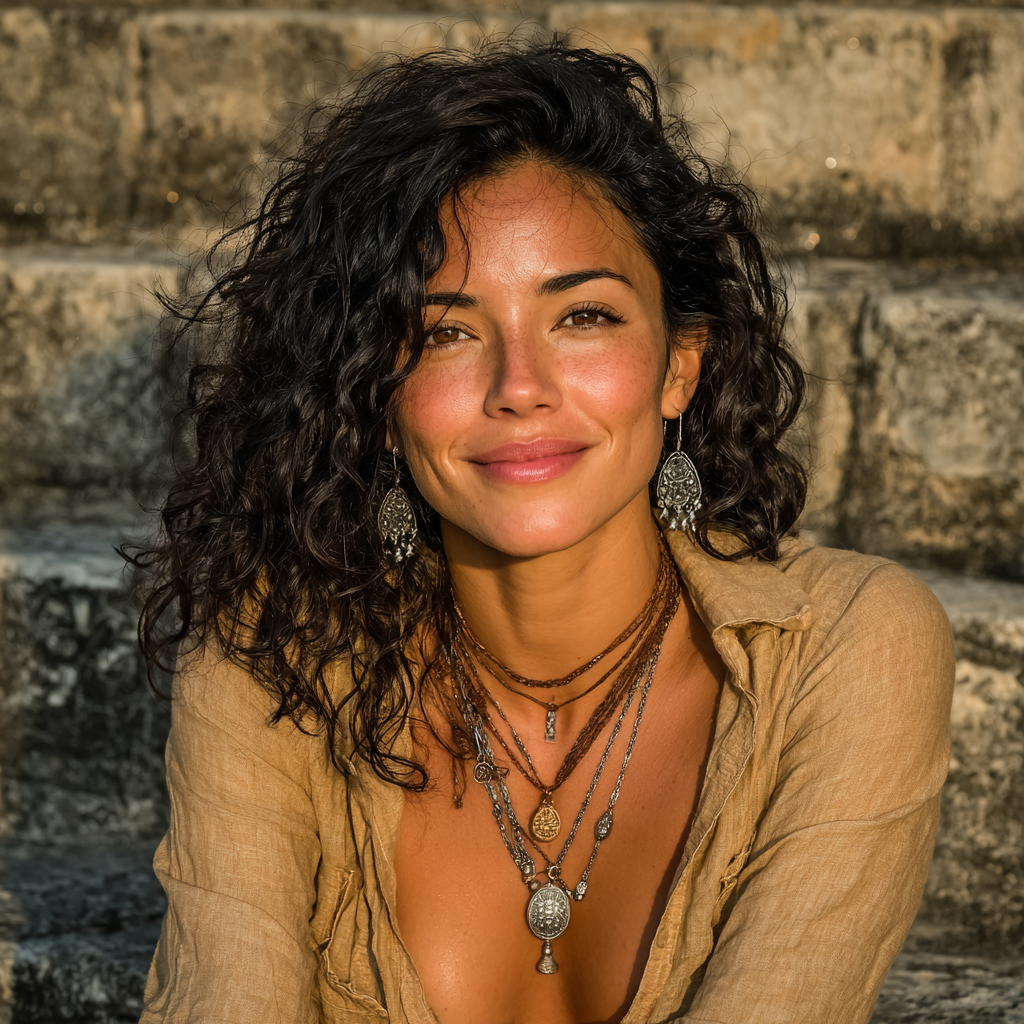
By Elena Vasquez
Cultural anthropologist and culinary storyteller. Elena spent a decade documenting traditional cooking methods across Latin America and the Mediterranean. She holds a PhD in Ethnography from Barcelona University and believes the best way to understand a place is through its kitchens and ancient streets.