
Évora, Portugal: Where Roman Engineers, Bone-Chapel Monks, and Alentejo Grandmothers All Left Their Mark
Most day-trippers from Lisbon treat Évora like a checklist with a lunch break. They photograph the Roman temple, flinch at the Chapel of Bones, eat a pastel de nata, and catch the 4:30 train back. This is a mistake. The city is small enough to cross in twenty minutes, but its layers are thick: Phoenician traders, Roman engineers, Moorish rulers, Inquisitors, Jesuit scholars, and farmers who built houses inside a Renaissance aqueduct. You need at least one full day, preferably two, and you need to look past the obvious.
I came to Évora for the food. I stayed for the feeling that this city has seen everything — empires rise and fall, plagues arrive and depart, students in black cloaks argue philosophy in the same courtyard for four hundred years — and has decided to simply keep existing. The Alentejo region is Portugal's breadbasket and its quiet heart. Évora is the capital of that heart, and it carries the weight with a strange combination of gravity and ease.
Understanding the Layout: A City Built in Rings
Évora sits on a gentle hill in the middle of the Alentejo plain, surrounded by wheat fields, cork oak forests, and olive groves that stretch to the horizon. The historic center is entirely enclosed by medieval walls, and the entire district is a UNESCO World Heritage site — not for a single monument, but for the completeness of the urban fabric.
The city grew in concentric rings. The Roman forum sat at the top of the hill, where the cathedral and temple now stand. The Moorish rulers who held the city from 715 to 1165 expanded the walls and created the maze of narrow streets that still defines the center. The Portuguese Reconquista brought Gothic churches and royal palaces. The sixteenth-century Jesuits added the university and the aqueduct. Each layer is visible simultaneously, sometimes in the same building.
The main axis runs from the Roman temple in the northwest to the public gardens in the southeast, with Praça do Giraldo — the central square — as the anchor. Everything worth seeing is within a fifteen-minute walk. The only reason to leave the walls is the aqueduct neighborhood to the north and the megalithic sites to the west.
The Roman Temple: Engineering That Outlasted the Empire
Start at the Roman Temple, which locals still call the Temple of Diana despite historians agreeing it was probably dedicated to the imperial cult, not a goddess. Fourteen Corinthian columns survive from the first century CE, built on a granite base three meters high. The temple sits on a small plaza between the cathedral and the Church of São João Evangelista, and the contrast is sharp: Roman engineering on one side, a sixteenth-century palace on the other, and a medieval fortress behind it.
The temple is free to view from the square. If you want to go inside the fenced area, you need a ticket (€3.50), but the best angle is from the terrace of the Museum Frei Manuel do Cenáculo across the street at Largo Conde de Vila Flor. The museum houses Roman forum artifacts — coins, inscriptions, fragments of statuary — and a solid collection of Flemish paintings from the sixteenth and seventeenth centuries. The museum opens Tuesday to Sunday, 10:00 to 18:00. Entry is €3, or buy a combined ticket with the cathedral and church for €6.
What strikes you about the temple is not its beauty — the columns are chipped, the entablature is gone, the whole thing looks like a ruin — but its persistence. Every other Roman building in Portugal was dismantled for stone. This one survived because it was incorporated into a medieval fortress, then a slaughterhouse, then a museum. The city grew around it and eventually decided to keep it.
The Cathedral: Climbing Above the Plain
The Cathedral of Évora, built between 1186 and 1204, is the largest medieval cathedral in Portugal. It is Romanesque at the core with Gothic and later Baroque additions. The exterior is austere gray granite, with two massive square towers that look more defensive than devotional. This is not an accident. The cathedral was built shortly after the Reconquista, when the border with Muslim-held territory was still fluid. It had to function as a fortress of faith and a literal fortress.
The interior is equally severe: high vaults, thick columns, minimal decoration. The point is scale and permanence. Pay the €3.50 entrance fee and climb the tight spiral staircase to the rooftop. The view is the best in the city: terracotta roofs, the Alentejo plain stretching east in shades of gold and green, and the aqueduct cutting through the northern suburbs like a granite zipper. The climb takes about ten minutes and is not recommended for anyone with claustrophobia — the staircase is narrow, dark, and steep.
The cloisters are lined with sixteenth-century azulejo tiles, the blue-and-white painted ceramics that became Portugal's signature art form. These are among the oldest azulejos in the country, imported from Seville before Portuguese workshops mastered the technique. The small museum in the upper choir holds a thirteenth-century ivory Virgin Mary that survived the Lisbon earthquake of 1755, when the cathedral's roof partially collapsed. The figure is barely fifteen centimeters tall, carved from a single tusk, and the expression is unusually human — tired, almost resigned.
The Chapel of Bones: A Theological Argument in Anatomy
From the cathedral, walk five minutes to the Church of São Francisco and the Chapel of Bones. The church itself is late Gothic with a Manueline portal, built between 1475 and the 1550s. It is free to enter and worth a quick look at the vaulted nave and the carved wooden altarpiece, but the main attraction is the chapel to the right of the entrance.
The Chapel of Bones was constructed in the sixteenth century by Franciscan monks who ran out of cemetery space. They exhumed roughly five thousand skeletons and arranged the bones and skulls into the walls and arches. Above the door, a painted inscription reads: "Nós ossos que aqui estamos, pelos vossos esperamos." We bones that are here, await yours. The monks intended it as a memento mori, not a Halloween decoration. The effect is genuinely unsettling, especially in the side chapels where full skeletons hang in glass cases — one of them a mummified child, another with visible signs of syphilis on the skull.
The entrance fee is €5, separate from the church. The chapel is small — perhaps ten meters by fifteen — and tour groups move through it in ten minutes. Come early or late to have space to absorb the place. What most visitors miss is the second inscription, above the altar, which reads: "Melhor é morrer uma vez do que viver na morte muitas vezes." Better to die once than to live in death many times. The Franciscans were not being ironic. They were being literal.
The Aqueduct: A Neighborhood Built into Infrastructure
The aqueduct is less famous than the bone chapel but equally strange. Francisco de Arruda, the same architect who designed Belém Tower in Lisbon, built the Água de Prata aqueduct between 1531 and 1537 to carry water from springs nine kilometers away. The structure stretches from the city center to the hills, with two levels of arches outside the walls and a single level inside.
Inside the city walls, on Rua do Cano and Rua do Salvador, the arches are barely taller than a person. Residents built houses and shops directly into the structure, wedging their walls between the granite spans. You can walk under the arches and touch the water channel overhead. Some houses have windows cut directly into the aqueduct stone. One shop on Rua do Cano sells bread from an oven built into an arch. It is a working piece of infrastructure turned into a neighborhood, and it is still standing after nearly five hundred years.
The best way to experience it is to walk the length of Rua do Cano in the early morning, when the shopkeepers are opening and the light filters through the arches in bands. The aqueduct continues north of the walls, where the double arches cross the countryside. You can follow it on foot for about two kilometers before the trail becomes overgrown. The walk takes roughly forty minutes round trip from the city center.
Praça do Giraldo: Layers Beneath the Cobblestones
Praça do Giraldo is the main square, named after Geraldo Geraldes, the Portuguese knight who captured Évora from the Moors in 1165. The fountain in the center was installed in 1571, with eight spouts representing the streets that enter the square. The Renaissance arcades on the north side house cafés that have operated for centuries — Café Arcada, at number 51, has been serving coffee since 1890.
What the guidebooks rarely mention is that this same square was an execution ground during the Inquisition. Between 1542 and 1765, the Portuguese Inquisition held tribunals in Évora and conducted public autos-da-fé in the square. The Roman forum lay beneath the cobblestones, then a Moorish marketplace, then a stage for public burnings. Now it is filled with café tables and students from the university. The layers are literal: you can see Roman ruins in the glass floors of some shops around the perimeter, including the Tivoli Évora Ecoresort's ground-floor exhibition.
The square is the city's living room. Elderly men play cards under the arcades. Students argue over beers at the outdoor tables. On Saturday mornings, a small farmers' market sets up near the church of Santo Antão, selling Alentejo bread, cheese, and cured ham. The best time to visit is early evening, when the light turns the limestone buildings gold and the temperature drops enough to sit outside.
The University: Four Hundred Years of Arguments in Black Cloaks
The University of Évora was founded in 1559 by Cardinal Henrique, who later became king. It was a Jesuit college until 1759, when the Marquis of Pombal expelled the order and secularized the institution. The second-oldest university in Portugal after Coimbra, it occupies a Renaissance complex with a two-story cloister and a Baroque chapel.
Students still wear the capa e batina, a black cloak and tunic, for official ceremonies. During the academic year — October to June — you will see them in the streets, looking like figures from a seventeenth-century painting. The building is open to visitors for a €3 fee, and the chapel ceiling is painted with illusionistic perspective that makes the dome appear taller than it is. The effect is charming rather than convincing — the painter, an eighteenth-century Jesuit, was skilled but working with limited space.
The university library holds over a hundred thousand volumes, including incunabula and manuscripts from the sixteenth century. It is not open to casual visitors, but the courtyard and chapel are worth the entrance fee. The building closes at 17:00 and is entirely closed on Sundays.
The Megaliths: Six Thousand Years Older Than the Romans
Eight kilometers west of the city, the Cromlech of Almendres is one of the largest megalithic sites in Iberia. Ninety-five granite stones stand in an oval formation, erected between the sixth and fourth millennia BCE, six thousand years ago. Some stones carry carved zigzags, spirals, and cup marks. There is no visitor center, no fence, and no entrance fee. You park on a dirt track and walk among them.
The site aligns with the sunrise on the equinoxes, which suggests the builders understood astronomy well enough to engineer a calendar from granite. It is older than Stonehenge and far less visited. The best time to go is dawn, when the light hits the stones at a low angle and the surrounding cork oak forest is still misty. Bring a car or hire a taxi — there is no public transport. The drive takes fifteen minutes from the city center. Allow an hour on site.
Closer to town, the Anta Grande do Zambujeiro is a single megalithic dolmen, one of the largest in Europe. The capstone weighs an estimated twenty tons. It sits on a hill near the village of Valverde, ten kilometers west of Évora. Like Almendres, it is free, unfenced, and largely unvisited. The two sites can be combined into a half-day trip.
The Food: Alentejo's Bread-Based Civilization
Évora is the capital of Alentejo, a region where bread is not a side dish but a main ingredient. This is not cuisine for the gluten-averse. The Alentejo plain produces some of the best wheat in Portugal, and the local kitchen has developed an entire vocabulary of bread-based dishes.
Migas is a dense mash of breadcrumbs fried with garlic, pork fat, and either spinach or asparagus. It sounds heavy because it is. A proper migas should coat the roof of your mouth and require a glass of red wine to wash down. Açorda is stale bread soaked in a coriander broth and topped with a poached egg or salt cod. The bread should be day-old — fresh bread turns to mush. Sopa de cação is dogfish soup with garlic and coriander, thickened with bread at the bottom of the bowl. Porco preto, the black-haired Iberian pig raised on acorns, appears as ham, sausage, and grilled cuts. The acorn diet gives the meat a nutty sweetness that is impossible to replicate with grain-fed pork.
For dessert, sericaia is an egg pudding with cinnamon, lighter than it sounds and surprisingly elegant. Queijadas are small tarts made with ricotta or almond, sold at every bakery in town. Pão de rala, an almond-and-egg-yolk sweet, was developed in the convents and is still sold at Pastelaria Conventual Pão de Rala on Rua de Cicioso 16. The recipe has not changed in three hundred years. A box of six costs €4.50.
Pastelaria Violeta on Rua José Elias Garcia 19 has been operating for over a century and makes marzipan over open flame in the back room. The smell alone is worth the visit. A single queijada costs €0.80. They also sell excellent pastéis de nata — better, in my opinion, than the famous versions in Lisbon. Open daily 7:00 to 20:00.
For a full Alentejo meal, Taberna Típica Quarta-Feira on Rua do Inverno 16 serves a fixed menu of around fifteen small courses for roughly €43. There is no menu to choose from; the chef brings what he has cooked. The experience lasts about two hours and includes multiple preparations of pork, bread soups, local cheeses, and dessert. Reservations are essential — call +351 266 707 530. Open Tuesday to Saturday for lunch and dinner. Closed Sunday and Monday.
Botequim da Mouraria on Rua da Mouraria 16A seats nine people at a counter and has been run by Domingos and Florbela since 1995. It opens only for lunch, Monday through Friday, and does not take reservations. Arrive at 12:30 or risk finding a "FULL" sign on the door. Their bacalhau à casa, salt cod whipped with eggs into a dense omelette, is the dish everyone orders. It costs €14 and comes with bread and wine. The atmosphere is part of the experience — regulars gossip, Domingos cooks on a stove barely larger than a home kitchen, and Florbela handles the cash register with the efficiency of someone who has never made change slowly in her life.
Restaurante Fialho on Travessa das Mascarenhas 14 has operated since 1945 and is now run by the third generation. The dining room has antique plates on the walls and white tablecloths. They serve refined versions of Alentejo classics: pigeon rice, dogfish soup, and partridge cooked in the style of the Cartuxa monastery. A full meal with wine costs €45 to €60 per person. Open Tuesday to Sunday, 12:30 to 15:00 and 19:30 to 22:00. Closed Monday. Reservations recommended: +351 266 707 147.
For a more casual dinner, Tasquinha d'Oliveira on Rua Cândido dos Reis 45 offers excellent Alentejo cooking at lower prices. The carne de porco à alentejana — pork with clams, a combination that sounds odd until you taste it — is the standout. A meal costs €20 to €25 per person. Open Monday to Saturday, 12:00 to 15:00 and 19:30 to 22:30.
Wine is not an afterthought here. The Alentejo region produces full-bodied reds from Aragonez, Trincadeira, and Alicante Bouschet grapes, and whites from Antão Vaz and Arinto. Herdade do Esporão, thirty minutes east, is one of the largest and most visited estates. Closer to town, Fita Preta and Cartuxa offer tastings by appointment. Cartuxa's winery is five kilometers from the city center and produces some of the region's most respected reds. A tasting of three wines costs €12 and must be booked online at least two days in advance.
Several wine bars in the historic center pour local bottles by the glass. TascaTosca on Alcarcova de Baixo serves excellent Alentejo reds starting at €3.50 per glass. Enoteca Cartuxa on Travessa de Vasco da Gama is the winery's city outpost, with a broader selection and higher prices — glasses start at €5. Both serve charcuterie and cheese boards that function as light dinners.
Where to Stay: Inside the Walls
Évora is compact enough that any central location works, but staying inside the walls changes the experience. The city empties in the evening, and having the night to yourself — walking the lit-up Roman temple at 22:00, hearing only your footsteps on the cobblestones — is worth the slightly higher prices.
Convento do Espinheiro, a Luxury Collection Hotel, occupies a former fifteenth-century convent two kilometers outside the walls at Avenida Convento do Espinheiro. The building is extraordinary — cloisters, chapels, a barrel-vaulted wine cellar — and the rooms are modern within the historic shell. A double room costs €180 to €250 per night. The restaurant serves refined Alentejo cuisine, and the wine cellar holds over a thousand bottles. Free parking is available, and the hotel runs a shuttle to the city center.
For a mid-range option inside the walls, M'AR De AR Aqueduto at Rua Cândido dos Reis 72 occupies a sixteenth-century palace near the aqueduct. The rooms are comfortable rather than luxurious, with period furniture and modern bathrooms. A double costs €100 to €140 per night, including breakfast in the courtyard. The location is ideal — five minutes from Praça do Giraldo and two minutes from the aqueduct neighborhood.
Budget travelers should consider the Noble House at Rua de Avis 19, a small guesthouse in a renovated townhouse. Rooms are simple but clean, with shared or private bathrooms. A double with private bathroom costs €60 to €80 per night. The owner, Maria, provides excellent recommendations and speaks English fluently. Breakfast is included — fresh bread, cheese, ham, and coffee.
Practical Logistics
Évora is compact and entirely walkable. The train from Lisbon's Oriente or Entrecampos station takes roughly ninety minutes and costs €12 to €15 each way. The station is a fifteen-minute walk from the historic center. The bus from Sete Rios, operated by Rede Expressos, takes about the same time and costs €12.50. By car, the A6 highway covers the 130 kilometers in ninety minutes, but you cannot drive inside the walls. Park at Avenida de Lisboa, which is free and a ten-minute walk from the center, or at the paid lot near the cathedral (€1 per hour).
The city receives day-trippers year-round, so the mornings are quieter. Most tour groups arrive by 10:00 and leave by 16:00. Stay overnight, and you will have the Roman temple and the bone chapel to yourself after 18:00. Many restaurants close between lunch and dinner (15:00 to 19:30), and some smaller places do not accept credit cards — carry cash.
The summer heat in Alentejo is severe; July and August temperatures regularly exceed 40 degrees Celsius, and the stone streets radiate heat upward. The cathedral rooftop is unbearable at midday. Spring (April to June) and autumn (September to November) are ideal. Winter is mild and empty, with temperatures rarely dropping below 5 degrees Celsius, though some restaurants reduce their hours in January and February.
The Alentejo plain is known for its cork oak forests and black pig farms. If you have a car, the drive from Lisbon passes through some of Portugal's most beautiful countryside — rolling hills, white-washed farmhouses, herds of sheep crossing the road. Allow extra time and stop at Azeitão, thirty minutes before Évora, for cheese and wine.
What to skip: the Palace of the Dukes of Cadaval, next to the Roman temple, is still a private residence. The art collection is small and the rooms are plain. The €5 ticket is better spent on a glass of local wine. Also skip any restaurant on Praça do Giraldo with a waiter standing outside holding a laminated menu in four languages. The food will be overpriced and underseasoned. The best meals are on side streets, in places with handwritten menus and no view.
Évora rewards patience. The bone chapel is not a photo opportunity; it is a theological argument made from anatomy. The aqueduct is not a ruin; it is a neighborhood. And the megaliths are not a tourist attraction; they are a six-thousand-year-old calendar that still works if you know where to stand.
About the Author
Sophie Brennan is a food writer and cultural historian based in Porto. She writes about the places where cuisine and history intersect — markets that have operated for centuries, recipes that survived revolutions, and the grandmothers who kept traditions alive when no one else was watching. Her work focuses on Portugal, Spain, and Italy. She believes the best way to understand a city is to eat what its residents eat, in the places where they have eaten it for generations.
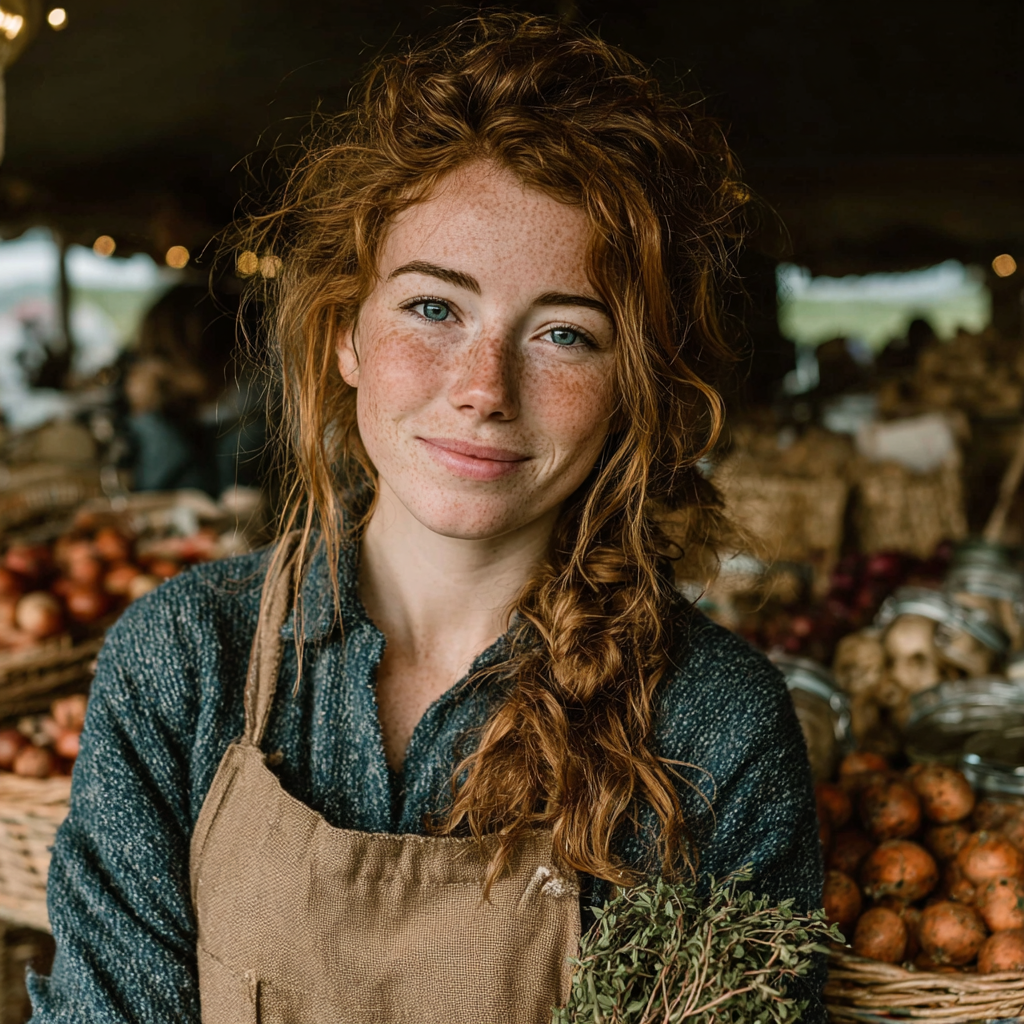
By Sophie Brennan
Irish food writer and historian based in Lisbon. Sophie combines her background in medieval history with a passion for contemporary gastronomy. She has written for Condé Nast Traveller and authored two cookbooks exploring Celtic and Iberian culinary traditions.