
The first thing you notice about Krakow is the space. Rynek Główny, the main square, spreads out like a medieval banquet hall — 200 meters across in each direction, ringed by arcades and clock towers. On my first night, I sat on the steps of the Adam Mickiewicz monument at 11 PM with a 6 PLN obwarzanek and watched a street violinist play to a crowd of three. That was when I knew: this city is built for people who show up alone.
Krakow is Poland's most solo-friendly destination, and the numbers back it up. The Old Town and Kazimierz districts see virtually no violent crime against tourists. I have walked back to my hostel at 2 AM through Florianska Street more times than I can count, past the horse-drawn carriages and the closed flower stalls, and never once felt I needed to speed up. The city is compact — you can walk from Wawel Castle to the Jewish Quarter in 20 minutes — and the public transport is reliable enough that you will not need taxis unless you are leaving the center.
Where to Stay
For solo travelers, location matters more than amenities. You want to be inside Planty Park, the green ring that circles the Old Town, or in Kazimierz, the former Jewish Quarter one bridge south.
Greg & Tom Hostel on Starowislna Street runs two properties — a party hostel and a quieter "home" version — both with free dinner every night at 7 PM. Dorm beds start at 45 PLN ($11) in low season and rarely exceed 70 PLN ($17) in summer. The free dinner is not a gimmick; it is pasta and chicken most nights, but it saves you 25 PLN and forces you to talk to people. I met a Canadian photographer and a Korean medical student at one of those dinners, and we spent the next three days exploring together.
If you want a private room but not a hotel, Dizzy Daisy Downtown on Pietrusinskiego Street offers singles with shared bathrooms from 90 PLN (~$22). The building is a converted townhouse with a kitchen that opens onto a courtyard. It is five minutes from the train station, which matters when you are dragging a suitcase.
For women specifically, Mosquito Hostel on Starowislna has female-only dorms and a no-stag-groups policy. The staff are Polish women in their twenties who will tell you exactly which bars are worth your time and which are filled with British bachelor parties. A bed in a female dorm is 55-80 PLN (~$13-20).
Getting Around
You do not need a car. The Old Town is pedestrian-only. Tram 1 and tram 2 run a loop around Planty Park. A 24-hour ticket costs 17 PLN (~$4) and covers buses and trams. Buy it from the yellow machines at every stop, or use the Jakdojade app, which works in English and tracks your route in real time. The airport train from Krakow Balice (KRK) to the main station takes 17 minutes and costs 17 PLN. Taxis from the airport to the center are 80-100 PLN, but the train is faster and drops you at Dworzec Główny, two minutes from most hostels.
If you are staying a week, get a 7-day pass for 56 PLN. It pays for itself in two days.
Eating Alone
Polish dining culture does not blink at a solo woman with a bowl of żurek. Milk bars — bar mleczny — are the original fast food: canteen-style, cheap, and completely anonymous. Pod Temidą on Grodzka Street, 200 meters from the square, serves pierogi ruskie for 14 PLN ($3.50) and kotlet schabowy with potatoes for 22 PLN ($5.50). You stand in line, point at what you want, and eat at shared tables. No one cares that you are alone. No one cares that you are reading a book. The staff have too much to do to perform hospitality.
For a sit-down meal, Starka on Józefa Street in Kazimierz specializes in traditional Polish food with a vodka tasting menu. A plate of wild boar stew and three 25ml vodka shots costs 85 PLN (~$21). The bartender will explain the difference between Żubrówka and Soplica if you ask, and will leave you alone if you do not. I went three times. Twice alone, once with a hostel friend. Both experiences were the same — good food, no fuss.
For late-night eating, Plac Nowy in Kazimierz is the center of the zapiekanka universe. These are open-faced baguette pizzas, toasted and loaded with mushrooms, cheese, and whatever else you want. Endzior, the original stall, charges 13-18 PLN (~$3-4.50). The queue at 1 AM is half locals, half travelers, and everyone eats standing up.
What to Do
Start with the free walking tour. Sandemans New Europe runs daily at 10 AM and 2 PM from the Adam Mickiewicz statue. The guides work for tips — 30-50 PLN (~$7-12) is standard. The 2.5-hour loop covers the Royal Route, St. Mary's Basilica (where the hejnał bugle call plays every hour from the taller tower), and Wawel Castle. It also gives you a map and a sense of the city's scale.
Wawel Castle requires tickets. The State Rooms cost 30 PLN (~$7.50). The Crown Treasury and Armoury, where the Szczerbiec coronation sword lives, is 25 PLN. Book online two days ahead in summer; the daily ticket quota sells out by noon.
The most important solo activity in Krakow is not in Krakow. Auschwitz-Birkenau is 70 kilometers west, and you should go. Book the guided tour through visit.auschwitz.org — it costs 85 PLN (~$21) including transport from Krakow. The guided option is mandatory for the 3.5 PM slot and recommended for first-timers. You will be in a group of 30, but the experience is solitary. Go in the morning. Do not plan anything else that day.
Closer to the city, the Wieliczka Salt Mine is a 20-minute train ride from the main station. Tickets are 96 PLN (~$24) for the tourist route, which includes the underground chapel carved entirely from salt by miners over 200 years. The tour is 2.5 hours and involves 800 steps down. Wear comfortable shoes and bring a sweater — it is 14 degrees Celsius year-round underground.
Kazimierz is worth a full afternoon. The quarter was Krakow's Jewish center for 500 years, emptied by the Holocaust, and revived in the 1990s by artists and students. Now it is galleries, vintage shops, and bars built into pre-war tenements. The Old Synagogue on Szeroka Street, the oldest in Poland, is a museum now — 12 PLN (~$3). The New Jewish Cemetery on Miodowa Street, overgrown and beautiful, is free and rarely visited.
Nightlife Without a Wingman
Krakow's bar scene is built for conversation. Alchemia on Estery Street in Kazimierz is a dim bar with candlelit tables and no music. You can read there, or you can talk to the person next to you. Both are normal. On my second night, I spent four hours discussing Polish cinema with a philosophy student from Gdańsk. The vodka was 12 PLN per shot. The conversation was free.
For craft beer, House of Beer on Świętego Tomasza Street has 16 taps of Polish microbrews. A half-liter costs 18-24 PLN (~$4.50-6). The bartenders speak English and will pour tasters if you ask.
If you want live music, Harris Piano Jazz Bar on Rynek Główny has jazz every night from 9 PM. There is no cover charge, but you are expected to order a drink. A glass of wine is 22 PLN (~$5.50). The crowd is mixed — tourists, locals, musicians between sets. Sit at the bar. The pianist will nod at you between songs.
What to Skip
The restaurants on Rynek Główny with laminated menus in six languages. They charge 45 PLN for pierogi that taste like they were microwaved. Walk two streets in any direction and the prices drop by half and the quality triples.
Pub crawls that advertise "unlimited drinks for one hour." These are designed for bachelor parties, not solo travelers. You will spend the night watching people vomit in medieval cellars. Krakow has over 300 bars. You do not need a crawl to find them.
The "free Auschwitz tours" offered by touts around the train station. These are unlicensed operators who charge hidden fees and rush you through the site. Book officially or do not go.
Horse-drawn carriages around the square. They cost 200-300 PLN for 30 minutes and block pedestrian traffic. If you want to see the city, walk. Your feet and your wallet will thank you.
Practical Notes
Krakow is in the Schengen Zone but uses the Polish złoty, not the euro. ATMs are everywhere, but exchange offices — kantor — often give better rates for cash. Compare the buy and sell rates on the board; the spread should be less than 0.10 PLN. Avoid exchange offices near the train station that advertise "0% commission" — they hide the fee in the rate.
Tipping is 10% at restaurants, rounded up at cafes. Not expected at milk bars.
The best time to visit is May-June or September-October. July and August are crowded and hot. January and February are freezing — minus 10 degrees Celsius is normal — but the city is empty and the Christmas market stalls are replaced by ice skating on the square.
Daily budget for a comfortable solo trip: 150-200 PLN ($38-50). That covers a hostel bed, three meals, two beers, a tram ticket, and one paid attraction. If you cook at the hostel and skip the bars, you can do it for 100 PLN ($25).
The Solo Traveler's Edge
The truth about Krakow is that it is better alone. The city is small enough to walk everywhere but layered enough to reward repeat visits. You will find a different bar, a different courtyard, a different bakery every day. The locals are not performatively friendly, but they are helpful when asked. The city does not need you to be entertained. It just needs you to show up.
My last night, I walked to the Vistula riverbank at midnight and sat on the grass below Wawel Castle. A group of students were drinking wine on the next bench. A man was fishing. The castle was lit gold against the black sky. I had been in Krakow for five days, and I still had a list of places I had not seen. That is the point. Krakow is not a checklist. It is a city you walk until you are tired, eat until you are full, and leave when you are ready to come back.
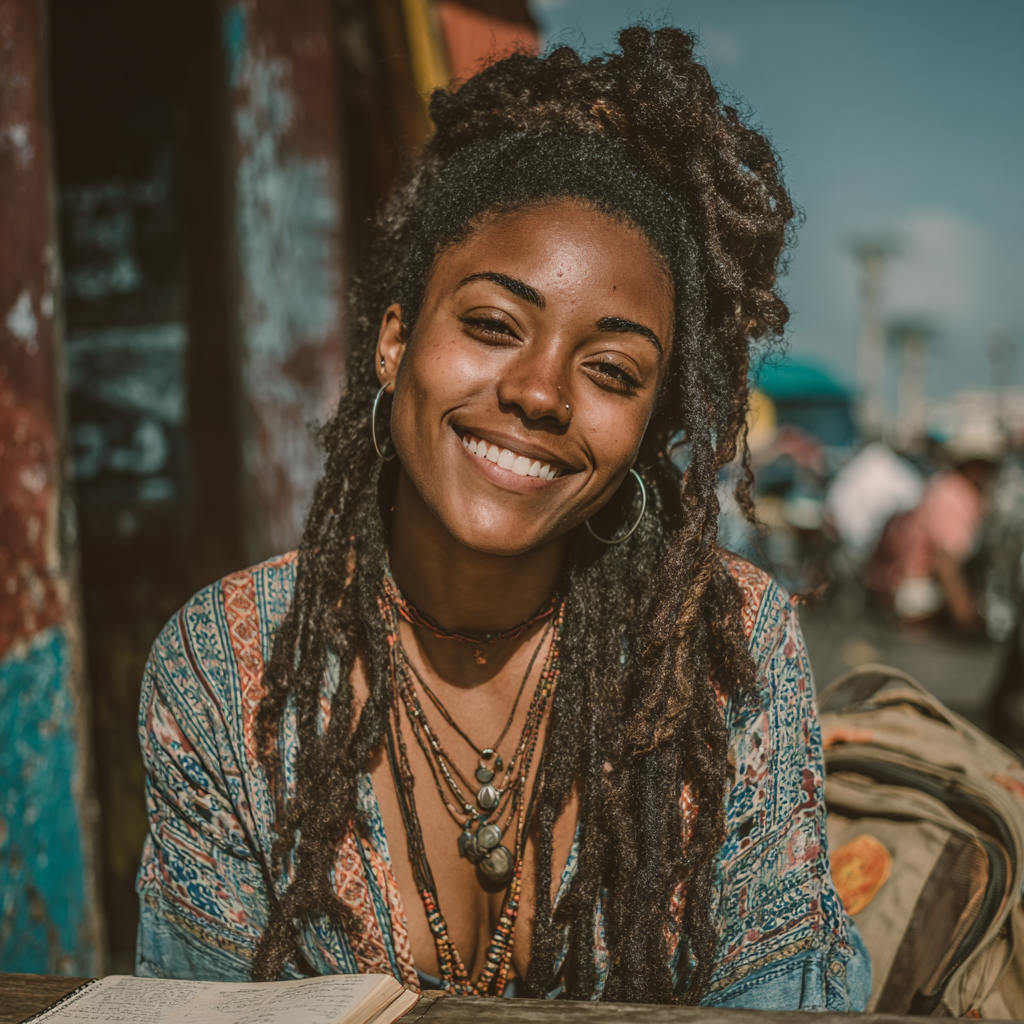
By Maya Johnson
Solo travel evangelist and digital nomad veteran. Maya has spent six years traveling alone across 50+ countries on a freelance writer budget. She writes honest, practical guides for women who want to explore the world independently and safely.