
Lima Unpacked: A Food Writer's Guide to Eating Peru's Capital Like You Belong There
By Sophie Brennan | June 1, 2026
The first time I ate ceviche in Lima, it was at 11:45 AM in a plastic chair on a sidewalk in Miraflores, watching a man in rubber boots fillet a corvina that had been swimming four hours earlier. The fish was cut into fat cubes, bathed in lime juice sharp enough to wake the dead, spiked with ají limo that lit my sinuses on fire, and served with a slab of sweet potato and a handful of choclo—the giant-kernel corn that tastes like popcorn's more sophisticated cousin. It cost 18 soles, about $4.80. I had eaten ceviche in London, in New York, in Dublin. This bore no resemblance. I understood, in that moment, why Lima has become the most important food city in the Americas.
Lima is not a city that rewards casual eating. It demands intention. The best restaurants book out months ahead. The best ceviche is gone by 2 PM. The street vendors who sell the most transcendent anticuchos operate from unmarked corners after dark, their locations passed between locals like passwords. This guide is written for the traveler who wants to eat seriously—not to tick off Michelin stars, though Lima has those in abundance, but to understand why this city, perched on the edge of the Pacific where the Humboldt Current drags up nutrients from the ocean floor, produces flavors that cannot exist anywhere else.
I have been eating my way through Lima for eight years. I have had transcendent meals at the world's number one restaurant and equally transcendent ones on street corners for less than the cost of a coffee in London. This is what I have learned.
Understanding the Terrain: Where to Eat
Lima's dining geography is concentrated in three districts. Ignore the rest on a short trip. You will not have time, and the distances are deceptive—Lima is a city of 10 million people stretched along a coastal desert, and traffic can turn a 4-kilometer journey into an hour-long meditation on urban planning failures.
Miraflores: The Ceviche Belt and the World's Best Restaurant
Miraflores hugs the Pacific cliffs and holds the highest concentration of restaurants that travelers know by name. The Malecón runs along the coast here, a six-mile park perched above the ocean where paragliders drift over the water and couples make out on benches. The restaurant scene clusters around three zones: the "ceviche neighborhood" along Avenida La Mar, the high-end strip around Calle San Martín and Calle Colón, and the Larco Avenue corridor where the churro wars play out.
This is where you find Maido, La Mar, and El Mercado within a ten-minute walk of each other. It is also where you find the most tourist traps—restaurants with laminated menus in four languages and waiters who materialize the moment your fork pauses. Be vigilant.
Getting around: Taxis within Miraflores cost 8–15 soles ($2–4). The district is walkable during daylight. At night, use Uber or a taxi app. Do not walk alone on the beach side of the Malecón after 10 PM.
Barranco: Where the Artists Eat
Barranco sits just south of Miraflores, separated by a bridge over a ravine that locals call "the sigh of the poor" because it was traditionally where domestic workers walked to work in the big houses of Miraflores. Today it is Lima's most walkable district, a grid of narrow streets lined with republican-era houses painted in faded yellows and blues, bougainvillea spilling over walls, and street art that ranges from crude tags to genuine murals.
The restaurant scene here is more experimental. Central and Kjolle occupy a converted cultural center with a garden. Mérito serves Venezuelan-Peruvian fusion from an open kitchen no bigger than a food truck. Isolina occupies a two-story wooden house where the portions assume you have been harvesting potatoes at 3,000 meters all morning. Barranco is better for bar-hopping after dinner—try Lady Bee for cocktails, or walk to the Bridge of Sighs at midnight to watch teenagers drink beer and swear eternal love.
Getting around: Barranco is small. Walk it. Taxis to Miraflores cost 12–18 soles ($3–5). The districts are close enough to walk during daylight along the Malecón, but take a car at night.
San Isidro: Business Lunch Territory
San Isidro is the business district, leafy and more spread out, with wide avenues lined with ficus trees and modern apartment blocks. The restaurant scene here tends toward the formal—Astrid y Gastón in a converted 17th-century hacienda, Mayta in a sleek modern building, Osso serving dry-aged beef to men in suits who close deals over pisco sours. This is where Limeños go for celebratory dinners and long Friday lunches that stretch until 5 PM.
Getting around: You will need taxis or rideshares. Distances are greater here, and the best restaurants are scattered. Budget 15–25 soles ($4–7) to get from San Isidro to Miraflores or Barranco.
Ceviche and the Pacific: The Rules You Must Follow
Peruvian ceviche is not Mexican ceviche. It is not poke. It is not sushi in a bowl. The fish is cut into larger cubes—thumb-sized, not dice—and marinated in lime juice with ají peppers just long enough to "cook" the exterior while leaving the center raw and cool. It is served immediately, within minutes of preparation, with slices of sweet potato, choclo, and sometimes cancha, the toasted Andean corn that cracks between your teeth.
Here is the most important rule: ceviche is a lunch food. The fish markets close by mid-morning. Any restaurant serving ceviche after 4 PM is selling you yesterday's catch or frozen fish. There are exceptions—some high-end places serve tiraditos, the Japanese-Peruvian version with thinly sliced fish, at dinner—but traditional ceviche is lunch only. Do not order it for dinner. You will look like a tourist, and more importantly, you will eat inferior fish.
La Mar Cebichería Av. Mariscal La Mar 770, Miraflores Open: Tuesday–Sunday, 12:00 PM–5:00 PM (closes when fish runs out, usually by 4:30 PM). Closed Monday. Price: 90–120 soles ($24–32) per person Phone: +51 1 421 3365 Reservations: Not accepted. Arrive by 12:15 PM or accept a 45-minute wait.
Gastón Acurio opened La Mar in 2008, and it remains the cevichería against which all others are measured. The room is loud and blue and chaotic, with a raw bar at the entrance where you can watch fish being filleted and ceviche being assembled at speed. Order the ceviche mixto—with mixed seafood—and a classic pisco sour. The leche de tigre, the citrus marinade left after the ceviche is plated, is served in a shot glass. Drink it. It is considered rude not to. The restaurant closes when they run out of fish, usually by 4:30 PM on busy days.
El Mercado Av. Hipólito Unanue 203, Miraflores Open: Tuesday–Sunday, 12:30 PM–5:00 PM. Closed Monday. Price: 80–110 soles ($21–29) per person Phone: +51 974 779 517 Reservations: Recommended via website
Rafael Osterling's restaurant sits on a quiet street ten minutes by taxi from Parque Kennedy. The courtyard dining room has red pendant lamps, cushioned car seating, and palm fronds that make it feel like a permanent beach terrace. The ceviches here are more adventurous than La Mar's—try the scallops served three ways or the octopus with olive aioli. The Varadero cocktail, a crushed ice concoction of Andean rum, Aperol, and pineapple, is the city's most photographed drink for good reason.
El Pez Amigo Calle Juan Fanning 550, Miraflores Open: Tuesday–Saturday, 12:30 PM–4:30 PM. Closed Sunday–Monday. Price: 45–65 soles ($12–17) per person
This is the neighborhood cevichería that locals prefer to the tourist-heavy options. No famous chef. No Instagram mural. Just a quiet terrace, a short menu, and a rocoto ceviche with proper heat from the ají pepper that will make you reach for your beer. The staff will remember you on your second visit. They may not remember your name, but they will remember that you took the leche de tigre shot.
The World-Class Restaurants: Where to Spend Your Money
Lima currently holds the world's number one restaurant (Maido), a former number one (Central), and the world's number nine (Kjolle). Three of the world's top ten, within two neighborhoods. No other city can claim this. But the reservation game is brutal, and the prices are real. Here is how to approach them.
Central Av. Pedro de Osma 301, Barranco Open: Monday–Saturday, lunch 12:45 PM–1:30 PM seating, dinner 7:00 PM–8:30 PM seating. Closed Sunday. Price: Tasting menu approximately $420 USD per person; wine pairings $95–180 Phone: +51 1 242 8515 Reservations: Book 3–4 months ahead via centralrestaurante.com.pe. Cancellations within 48 hours incur a $35 penalty per person.
Virgilio Martínez's restaurant was ranked number one in the world in 2023 and now sits in the "Best of the Best" hall of fame. The tasting menu takes you through Peru's ecosystems, from 20 meters below sea level to 4,100 meters in the Andes. Each course arrives with a card explaining the altitude and ingredients. The room is in a modern building with exposed concrete, muted natural hues, and views into the kitchen. The Dry Valley course—shrimp, loche squash, avocado—and the Amazonian Water course—pacu fish, watermelon, coca leaf—are the signatures. This is not a meal where you laugh loudly or take flash photos. It is a serious, beautiful experience that demands attention. Book three to four months ahead. Check the website at midnight Lima time, when they release new tables.
Maido Calle San Martín 399 (esquina con Calle Colón), Miraflores Open: Monday–Saturday, lunch 12:30 PM–3:00 PM, dinner 7:00 PM–10:30 PM. Closed Sunday. Price: Nikkei Experience tasting menu S/ 1,295 ($340) per person; with sake/wine pairings S/ 1,985–2,525 ($520–660) Phone: +51 1 313 5100 Reservations: Book 2–3 months ahead via maido.pe. Reservations open 6–8 weeks in advance.
Mitsuharu "Micha" Tsumura's restaurant took the top spot in the 2025 World's 50 Best list, making it officially the best restaurant on earth. The room is striking—thick ropes hang from the ceiling, and staff shout "maido" (welcome in Japanese) in unison when you enter. The Nikkei Experience tasting menu runs 12-plus courses, predominantly fish-focused: Paracas scallops with green butter beans and miso, sea urchin rice, beef short rib cooked for 50 hours until it can be carved with a spoon. The à la carte lunch menu is available for a lighter, more affordable experience—sushi, sashimi, and small plates that still deliver the restaurant's brilliance. If you cannot get a dinner reservation, book Monday lunch. It is quieter, easier to secure, and the kitchen is just as focused.
Kjolle Av. Pedro de Osma 301, Barranco (same building as Central) Open: Tuesday–Saturday, lunch 12:45 PM–2:00 PM, dinner 7:00 PM–8:30 PM. Closed Sunday–Monday. Price: Nine-course tasting menu from $292 USD per person Phone: +51 1 242 8575 Reservations: Book 4 months ahead via kjolle.com. Online reservations available for 1–6 people.
Pía León's solo restaurant, named after an Andean flower, is the younger, more relaxed sibling to Central. León was named Latin America's Best Female Chef in 2018, two months after Kjolle opened. The dining room is warmer and more informal than Central's cathedral of concrete. The Many Tubes dish—olluco, oca, and yuca transformed into three delicate crisps—is the signature, but the entire menu is an exploration of Peruvian biodiversity through vegetables and grains that most Peruvians consider peasant food. If Central is a lecture, Kjolle is a conversation. Both are essential.
Astrid y Gastón Av. Paz Soldán 290, San Isidro Open: Tuesday–Saturday, lunch 12:30 PM–3:00 PM, dinner 7:00 PM–10:30 PM. Monday lunch only. Closed Sunday. Price: Tasting menu $120–150; à la carte $45–75 per person Phone: +51 1 442 2777 Reservations: Book 2–3 weeks ahead
This is where Gastón Acurio and Astrid Gutsche started in 1994, in a tiny space in Miraflores, before moving to this converted 17th-century hacienda in San Isidro. The courtyard garden is one of Lima's most beautiful dining rooms. The ceviche de mariscos and arroz con pato—duck rice—are the signatures. Of the top-tier restaurants, this is the most approachable. You can eat brilliantly from the à la carte menu for under $75, and the atmosphere is celebratory rather than reverent. If you are going to splurge on one fine-dining meal in Lima, make it Central or Maido. If you want a world-class meal where you can actually relax, come here.
Mayta Av. Mariscal La Mar 1280, San Isidro Open: Tuesday–Saturday, lunch 12:30 PM–3:00 PM, dinner 7:00 PM–10:30 PM. Closed Sunday–Monday. Price: Tasting menu $80–100; à la carte $40–60 per person Phone: +51 1 221 9292 Reservations: Book 2–3 weeks ahead
Jaime Pesaque's restaurant offers a more relaxed fine-dining experience than the big three. The room is modern, the cocktails are excellent—try the pisco sour variations—and the tasting menu balances seafood and meat without the ecological lecture of Central. It ranked number 39 in the 2025 World's 50 Best. The duck skillet on the tasting menu is a crowd favorite. This is where you bring a client, or a date, or your parents.
Mérito Jirón Zepita 201, Barranco Open: Tuesday–Saturday, 12:30 PM–3:00 PM, 7:00 PM–10:30 PM. Sunday lunch 12:30 PM–3:30 PM. Closed Monday. Price: Tasting menu $60–80; à la carte $25–40 per person Reservations: Book 1–2 weeks ahead
Juan Luis Martínez's Venezuelan-Peruvian fusion restaurant ranked number 26 in the 2025 World's 50 Best. The open kitchen is tiny—you can sit at the bar and watch every plate being composed. The arepa reina pepiada, filled with shredded chicken and avocado, is a nod to Martínez's Caracas childhood. The tiradito with Amazonian fruits shows what he can do with Peruvian ingredients. If you cannot get a table, the café next door, Demo, does excellent pastries and coffee. Ask for the lucuma croissant.
Traditional and Comfort Food: Eating Like a Limeño
Not every meal in Lima needs to cost $300 and require three months of planning. The city's traditional restaurants—huariques, the beloved holes-in-the-wall—are where Limeños eat when they are not trying to impress anyone.
Isolina Av. San Martín 101, Barranco Open: Tuesday–Saturday, 12:30 PM–11:00 PM. Sunday 12:30 PM–5:00 PM. Closed Monday. Price: 25–50 soles ($7–13) per person Phone: +51 1 247 3043 Reservations: Recommended for dinner; lunch usually has walk-in availability
Jose del Castillo's restaurant occupies a two-story building with wooden tables, black-and-white photos of the chef's mother on the walls, and portions that assume you have been working in the fields. The papa rellena—a fried potato stuffed with seasoned meat—arrives the size of a softball. The cau cau con sangrecita combines tripe stew with blood sausage in a bowl that could feed three. Order a half-portion if you are two. The chicha morada, a purple corn drink spiced with cinnamon and clove, is made in-house and tastes like childhood. Isolina is the restaurant I send people to when they tell me they want to understand what Limeños actually eat.
Panchita Calle 2 de Mayo 298, Miraflores Open: Monday–Saturday, 12:00 PM–2:00 AM. Sunday 12:00 PM–11:00 PM. Price: 30–60 soles ($8–16) per person Phone: +51 1 242 5957
Another Acurio restaurant, but this one is focused on anticuchos and wood-fired meats. The ají de gallina—shredded chicken in a creamy yellow pepper sauce—is the version locals compare others against. They stay open until 2 AM, making this the place for late-night protein after drinking. The pisco sour here is properly frothy, with three drops of bitters on top in the shape of a flower. If it does not have the flower, send it back.
Huaca Pucllana Restaurant General Borgoño cuadra 8, Miraflores Open: Tuesday–Sunday, 12:30 PM–10:30 PM. Closed Monday. Price: 80–120 soles ($21–32) per person Phone: +51 1 445 4042 Reservations: Essential for terrace tables
Dinner with a view of a 1,500-year-old adobe pyramid. The restaurant sits within the Huaca Pucllana archaeological complex, and the terrace looks directly onto the illuminated ruins. The food is modern Peruvian—ceviche, lomo saltado, grilled octopus—and perfectly competent, but you are here for the setting. Book the terrace for night views. The lunch service is less atmospheric.
Street Food and Markets: The Real Lima
Lima's street food operates on its own schedule, in its own locations, with its own rules. The best vendors do not have addresses. They have corners.
Mercado de Surquillo Av. Paseo de la República 125, Surquillo Open: Monday–Saturday, 7:00 AM–5:00 PM. Sunday 7:00 AM–2:00 PM. Price: 10–25 soles ($3–7) per person
Two blocks inland from Miraflores, this is a working market where locals shop for produce and stop at counters for lunch. The juice stands blend lucuma—the butterscotch-flavored Peruvian fruit that tastes like caramelized pumpkin—into thick smoothies. The ceviche counters in the back serve fish that was swimming that morning. Keep your phone in your front pocket and your camera out of people's faces. This is not a tourist attraction. It is where people buy their dinner. The ceviche counter at the far end, near the fishmongers, is the freshest.
Anticuchos Various street corners in Barranco and Miraflores, after dark Price: 10–15 soles ($3–4) per skewer
Marinated beef heart skewers, grilled over charcoal until the edges char and the center stays tender. The meat is lean and tastes more like steak than offal. Vendors set up on street corners throughout Barranco after dark. Tía Grimanesa is the legendary spot, though her location changes—follow the smoke and the line. The secret is the marinade: vinegar, ají panca, cumin, and garlic, reduced to a paste that caramelizes on the grill. Do not ask for it well-done. You will be laughed at.
Picarones Parque Kennedy and surrounding streets, Miraflores Hours: Daily from 6:00 PM until sold out (usually by 10:00 PM) Price: 8–12 soles ($2–3) for a plate of four
Pumpkin and sweet potato doughnuts, fried fresh to order and drizzled with fig syrup. They are sold from carts in Parque Kennedy starting around 6 PM. Picarones Mary is the vendor to find—look for the cart with the longest line and the freshest oil smell. The dough is yeasted and slightly sour, the fig syrup is thin and not too sweet, and the combination eaten on a park bench while watching street performers is one of Lima's essential experiences.
Manolo Av. Larco 301, Miraflores Open: Daily, 8:00 AM–12:00 AM Price: 6–10 soles ($1.50–3) per churro
Churros since 1958. They fry them to order, stuff them with dulce de leche or chocolate, and serve them in paper cones that stain your fingers with sugar. The chocolate filling is made with Peruvian cacao from the north. At midnight, the line stretches onto the sidewalk. The churro de doble relleno—filled with both dulce de leche and chocolate—is the move.
Chifa and Nikkei: The Immigrant Stories on Your Plate
Lima's food culture was shaped by two waves of immigration: Chinese laborers in the 19th century and Japanese farmers in the early 20th. From those arrivals came chifa and Nikkei, two cuisines that exist fully only in Peru.
San Joy Lao Calle Capón 819, Centro Histórico Open: Daily, 11:00 AM–10:00 PM Price: 25–40 soles ($7–11) per person
The historic center's most famous chifa, in Lima's Chinatown. The chaufa—Peruvian fried rice with sesame oil and soy—is smoky and properly wok-hei'd. The tallarín saltado, noodles stir-fried with beef and vegetables, is the dish that Chinese-Peruvian grandmothers make for Sunday lunch. The room is loud and bright and full of families. After eating, walk two blocks to the Plaza Mayor and watch the changing of the guard at the Presidential Palace. It happens daily at noon and is charmingly bureaucratic.
Costanera 700 Av. del Ejército 421, San Isidro Open: Monday–Saturday, 12:30 PM–3:00 PM, 7:00 PM–11:00 PM. Sunday 12:30 PM–4:00 PM. Price: 60–90 soles ($16–24) per person Phone: +51 1 421 9395
For Nikkei beyond Maido, this is the destination. The tiraditos—thinly sliced raw fish dressed with citrus and soy—and sushi incorporate local fish like corvina and lenguado. The ceviche nikkei with yuzu and rocoto is the bridge between Japanese technique and Peruvian ingredients. The room is sleek, the service is polished, and you can walk in without a reservation if you arrive early.
What to Skip
The Larcomar mall restaurants. Larcomar is a shopping center built into the cliffs of Miraflores with ocean views and a TGI Fridays. The Peruvian restaurants there are overpriced and under-seasoned, designed for cruise ship passengers who want to say they ate local food without leaving a mall. The view is genuinely spectacular. Get a coffee, take the photo, leave.
Any restaurant with a laminated menu in four languages. If the menu has pictures of the food and translations into English, German, and Japanese, you are in a tourist trap. The ceviche will be adequate. The bill will not be.
Ceviche after 4:00 PM. I am repeating this because it matters. If a restaurant serves ceviche at dinner, they are using frozen fish. This is not negotiable.
The "Lima gastronomic tour" buses. These white vans that promise to take you to ten restaurants in four hours will deposit you at overpriced, pre-selected spots where the guide receives a commission. You will eat rushed, mediocre food and learn nothing. Hire a local guide, or just use this guide and walk.
Chifa in Miraflores or Barranco. The Chinese-Peruvian restaurants in the tourist districts are watered down for foreign palates. Go to the Centro Histórico, or go home.
Practical Logistics
Reservations: Book Maido and Central three to four months ahead. Check their websites at midnight Lima time, when new tables are released. For Kjolle, reservations open four months in advance. For Astrid y Gastón and Mayta, two to three weeks is usually sufficient. For La Mar, do not bother—they do not take reservations. Arrive at 12:15 PM.
Lunch vs. dinner: Lunch is often easier to book than dinner, and the food is identical. At Maido, the à la carte lunch menu is a more affordable way to experience the restaurant. At Central, the full tasting menu is served at both seatings.
Dress codes: Smart casual for fine dining. Jackets are not required, but shorts will get you stared at. For Isolina and street food, wear whatever you want. For Central and Maido, make an effort.
Tipping: 10% is standard at restaurants. Some places add it automatically—check the bill. Street vendors do not expect tips, but rounding up is appreciated.
Transportation: Use Uber or Cabify. Street taxis are cheaper but less safe. Budget 15–20 soles ($4–5) between Miraflores and Barranco, 20–30 soles ($5–8) to San Isidro, and 40–60 soles ($10–16) to the Centro Histórico.
Safety: Miraflores and Barranco are generally safe during daylight. At night, stick to well-lit streets and use rideshares. The Centro Histórico empties after business hours—do not wander alone after 8 PM. Keep your phone in your front pocket on crowded streets. Peru has a serious problem with phone snatching from motorcycles.
Payment: Fine-dining restaurants take cards. Street vendors and small huariques are cash-only. Carry small bills—vendors often cannot break 100 soles.
Water: Do not drink tap water. Not even in nice hotels. The ice at reputable restaurants is made from purified water and is safe. When in doubt, ask: "¿El hielo es de agua purificada?"
Altitude: Lima is at sea level. You will not get altitude sickness here. Save your coca tea for Cusco.
A Word from Your Guide
I came to Lima for the first time in 2018, expecting a stopover city on the way to Machu Picchu. I stayed for three weeks and gained four kilograms. I have returned every year since. The city is ugly in parts—concrete and gray, wrapped in winter fog for six months of the year—but the food is honest and ambitious and deeply rooted in a landscape that contains 28 of the world's 32 climate zones. You can eat a potato harvested at 4,000 meters, a fish pulled from the Pacific that morning, and a fruit from the Amazon that has no English name, all in one day, all within a twenty-minute taxi ride.
Lima does not care if you are impressed. It does not perform for tourists the way Paris or Tokyo does. It simply feeds you, extraordinarily well, and expects you to keep up. That is the city's character. It is confident without being arrogant. It knows what it has.
Eat the ceviche at noon. Drink the leche de tigre. Follow the smoke to the anticuchos cart. Stand in line for the churros at midnight. And when you finally get that reservation at Maido or Central, pay attention. Those meals are not just expensive dinners. They are arguments about what food can mean, made by people who have spent their lives exploring a country that still has unnamed plants growing on inaccessible mountainsides.
That is Lima. That is why you are here.
Sophie Brennan is an Irish food writer and historian based in Lisbon. She has been eating her way through Lima since 2018 and has no plans to stop.
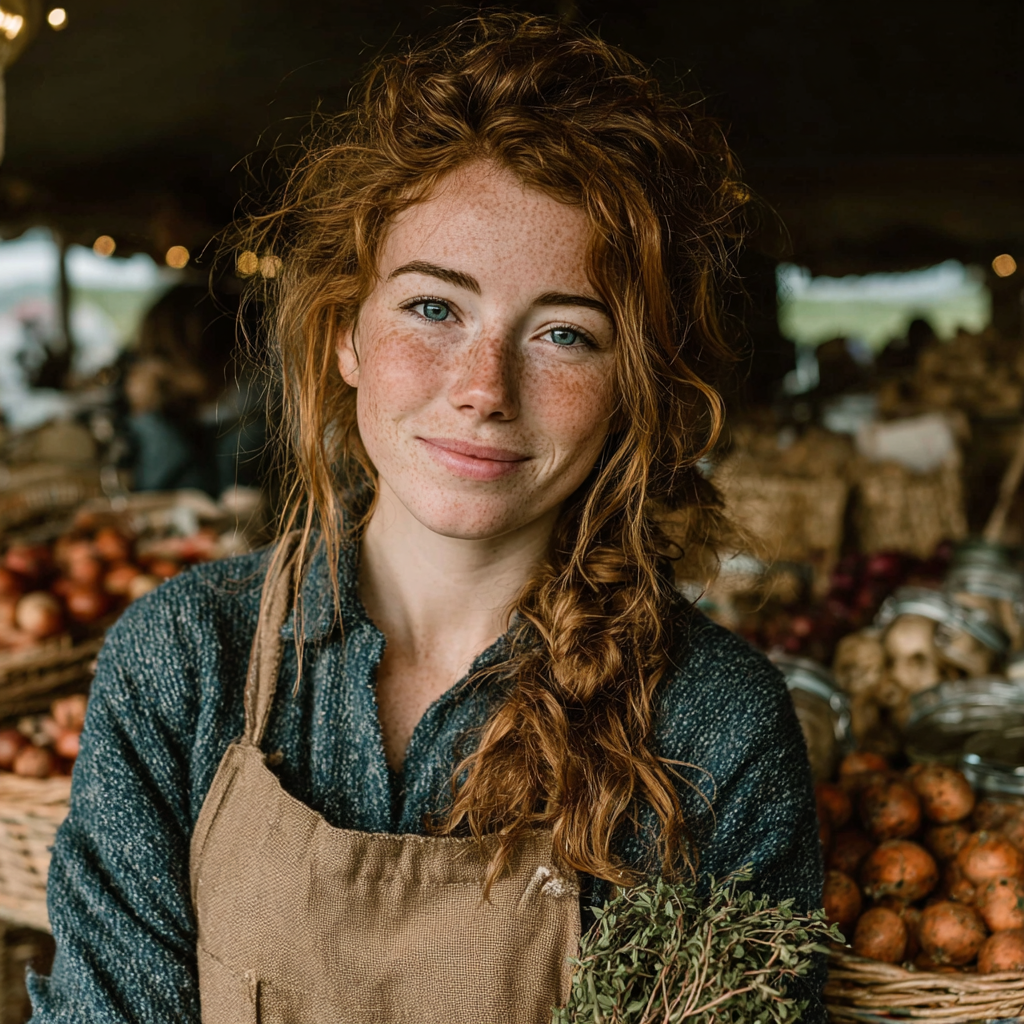
By Sophie Brennan
Irish food writer and historian based in Lisbon. Sophie combines her background in medieval history with a passion for contemporary gastronomy. She has written for Condé Nast Traveller and authored two cookbooks exploring Celtic and Iberian culinary traditions.