
Cusco: Inca Walls, Coca Leaves, and the Spanish Churches That Crack on Top of Them — A Culture & History Guide to Peru's Unfinished City
Author: Elena Vasquez | Category: Culture & History | Destination: Cusco, Peru
Introduction
Most travelers treat Cusco like a layover with altitude sickness. They land at 3,400 meters, gasp at the thin air, and start plotting their escape to Machu Picchu before their bags are unpacked. That is a profound mistake. Cusco was the capital of the Inca Empire — the Tawantinsuyu, the "navel of the world" in Quechua — and it remains one of the most extraordinary living archaeological sites on earth. The Incas built it. The Spanish tried to rebuild it in their own image. Four hundred years later, the two civilizations still share the same streets, the same stones, and the same thin Andean air.
At 11,150 feet, Cusco's altitude is not negotiable. The oxygen level is roughly two-thirds of what your body expects at sea level. Your first few steps uphill will feel like betrayal. Your sleep will break apart. Your appetite will vanish, then return with strange cravings for soup and carbohydrates. But acclimatization has an unexpected upside: it forces you to slow down, to observe, to walk instead of rush. That slowness is exactly what this city demands. You cannot consume Cusco quickly. The Inca walls do not reveal themselves at a glance. The layers of history — Indigenous, colonial, republican, modern — take time to separate and understand.
The city is built in the shape of a puma. The Plaza de Armas was the belly. Sacsayhuaman, the massive fortress overlooking the city, formed the head. The Incas aligned their architecture with celestial events, hydrology, and sacred geography. When the Spanish arrived in 1533, they demolished what they could not comprehend and built churches on top of temples. But the Inca foundations refused to crumble. Walk through Cusco today and you will see Spanish baroque walls cracking above perfectly fitted Inca stonework that has survived centuries of earthquakes. The colonial structures need constant repair. The Inca walls do not.
This guide is not a checklist. It is a walk through the collision of two civilizations, with specific addresses, current prices, and the altitude advice you will actually need.
The Inca Foundations: Walking on History
Start at Hatunrumiyoc, a narrow street two blocks east of the Plaza de Armas, in the heart of the old Inca quarter. Look for the Twelve-Angled Stone set into a low Inca wall on your right. The stone has twelve perfectly cut sides that lock into neighboring blocks without mortar. You can touch it — locals do, constantly, as they pass. The wall once formed part of the Palace of Inca Roca, and it still supports a Spanish colonial archway built directly on top. This is Cusco in one image: Inca foundations, Spanish additions, both still standing because the lower wall will not yield.
The Incas built Cusco in the shape of a puma. The Plaza de Armas was the belly. Sacsayhuaman, the massive fortress overlooking the city from the northern hills, formed the head. Walk up to Sacsayhuaman from the plaza via the steep Inca staircase on Cuesta del Almirante — it will wind you, so take your time — and you will understand why the Spanish were terrified of this place. The walls are built from limestone blocks weighing up to 300 tons, fitted so precisely that you cannot slide a knife between them. The Spanish demolished much of the upper complex to build their churches and houses, but what remains suggests a scale of engineering that still puzzles modern archaeologists. The zigzag walls were not merely defensive. They represented the teeth of the puma in the Inca cosmological layout of the city.
Sacsayhuaman opens at 7:00 AM. Arrive early. The afternoon sun is brutal at this altitude, and the morning light hits the stone walls at an angle that shows off the Inca masonry. Entry requires the boleto turístico — more on that in the Practical Matters section. A general ticket costs 130 soles (about $35 USD) and covers 16 sites over 10 days. If you only have a day or two, a partial circuit ticket for 70 soles (about $19 USD) covers Sacsayhuaman, Qorikancha, and the museums around the plaza. You can buy tickets at the entrance or at the COSITUC office at Avenida El Sol 103, open Monday to Friday, 7:30 AM to 7:00 PM.
If you have the stamina after Sacsayhuaman, the nearby sites of Qenko (a limestone outcrop carved with channels and seats for ceremonial libations), Tambomachay (a ritual bath fed by a natural spring, nicknamed the Inca Baths), and Puka Pukara (a small, pink-hued administrative and military checkpoint) are all accessible by a 2.5-kilometer walk along the paved road or a 15-minute taxi from the city center for roughly 10 soles. None of these require an additional fee beyond the boleto turístico. They are quieter than Sacsayhuaman and give you a sense of how the Inca ceremonial landscape extended far beyond the city walls.
Qorikancha: The Temple That Became a Convent
The Incas called it Qorikancha — the Golden Enclosure. It was the most important temple in their empire, a complex dedicated to Inti, the sun god. The walls were originally lined with gold sheets. The courtyard held golden statues of llamas, maize, and attendants. When the Spanish arrived, they stripped the gold and melted it down within weeks. Then they built the Convent of Santo Domingo directly on top of the Inca walls, using the temple's perfectly fitted stone as their foundation.
Qorikancha is located at Plazoleta de Santo Domingo, three blocks southeast of the Plaza de Armas. It is open Monday to Saturday, 8:30 AM to 5:30 PM, and Sundays from 2:00 PM to 5:00 PM. Entry is not included in the standard boleto turístico. A separate ticket costs 15 soles (about $4 USD) and includes access to the convent, the small museum in the basement, and the gardens. The museum contains artifacts from the site — mummies, textiles, metalwork — but the real exhibit is the building itself. Walk the perimeter and look at how the Spanish walls crack and settle while the Inca foundations remain solid after five centuries of seismic activity.
The curved outer wall of the Inca temple is the most impressive example of imperial Inca stonework left in Cusco. It is perfectly fitted, mortar-free, and built with a slight inward slope that engineers now recognize as an earthquake-resistant technique. Inside, Inca trapezoidal doorways lead into Spanish cloisters. Colonial paintings hang above stone walls that have survived earthquakes the Spanish architecture could not. The Dominican monks who run the convent have opened a small museum in the basement, and the contrast between the two architectural systems is stark. The Spanish built for grandeur. The Incas built for eternity.
The Plaza de Armas and the Cathedral
The Plaza de Armas is the geographic and social center of Cusco. The Incas called it Huacaypata — the Place of Tears, or the Place of the Warrior — and it was paved with white sand brought from the Pacific coast. It was here that the Incas held their most important ceremonies, including the Inti Raymi festival that still takes place every June 24. The plaza was also the site of the execution of the Inca emperor Túpac Amaru I in 1572, a reminder that the colonial history here is not abstract. It is written in blood.
The Cusco Cathedral, officially the Basílica Catedral de Nuestra Señora de la Asunción, dominates the plaza's northeastern side. Construction began in 1559 and continued for nearly a century. It is worth entering for one specific reason: the painting of the Last Supper by Marcos Zapata, completed in 1753. Jesus and the twelve disciples are gathered around a table. The meal includes roast guinea pig (cuy) and local Andean fruits such as chirimoya and lucuma. This is not subtle subversion — it is a direct statement that Christianity had adapted to Andean reality, or perhaps that Andean reality had forced its way into the church.
The cathedral is located directly on the Plaza de Armas. It opens at 10:00 AM and closes at 6:00 PM Monday through Saturday; on Sundays it opens after morning mass, typically around 2:00 PM. Photography inside is strictly prohibited. Entry requires a separate ticket — it is not included in the boleto turístico — costing approximately 40 soles (about $11 USD). Just to the left of the cathedral, the Company of Jesus (Compañía de Jesús) church is often mistaken for the cathedral due to its elaborate baroque facade. It was built by the Jesuits on the site of the Amaru Qhala palace, and the rivalry between the Jesuits and the Bishop of Cusco over which church would dominate the plaza is still visible in the architecture. Entry to the Company of Jesus is around 15 soles.
In the evenings, the Plaza de Armas becomes a gathering place. Local families sit on the benches. Quechua women in traditional dress walk past tourists with selfie sticks. The fountains are lit, and the churches glow. It is a living square, not a museum piece. Sit on a bench for twenty minutes and you will see the city unfold.
San Blas: The Artists' Quarter
Walk uphill from the Plaza de Armas — past the Twelve-Angled Stone, past the steep stone streets that turn into staircases — and you will reach San Blas. This neighborhood was the home of Inca nobility. After the conquest, it became the quarter for Spanish artisans. Today it is where Cusco's artists live, work, and sell.
The streets are too narrow for cars. The buildings are stacked on top of each other up the hillside, painted in ochre, blue, and terracotta. At the top is the Plazoleta de San Blas and the Church of San Blas, which contains an extraordinary carved wooden pulpit from the 17th century — allegedly carved from a single tree trunk by an Indigenous artist named Juan Tomás Tuyru Tupac. The church opens roughly 10:00 AM to 6:00 PM daily, with a small entry fee of 10 soles.
San Blas is full of workshops and small galleries. The artists here work in traditional Andean styles, colonial religious themes, and contemporary fusion. Prices are lower than in the tourist shops near the plaza, and you are buying directly from the people who made the work. Hilario Mendivil, one of Peru's most famous folk artists, lived and worked here until his death in 1977. His workshop is still run by his family at Carmen Bajo 133, open daily from 9:00 AM to 8:00 PM. His signature style — elongated necks on Andean figures, inspired by the story of Saint Cecilia — is unmistakable.
The climb to San Blas will wind you. Stop at Cicciolina on Calle Triunfo 393, second floor, for a coca tea and a view over the red-tiled roofs of the city. It opens at 11:30 AM and stays busy until 11:00 PM; mains run 45 to 80 soles (about $12 to $22). For a cheaper, more casual stop, Jack's Café on Choquechaka 188 serves breakfast and coffee from 7:00 AM to 10:00 PM, with plates ranging from 20 to 35 soles. It is a favorite among local expats and travelers recovering from altitude fatigue.
San Pedro Market: Where Cusco Actually Lives
The Mercado de San Pedro sits four blocks west of the Plaza de Armas, just across the Río Huatanay at Calle Santa Clara. It opens daily at 6:00 AM and closes around 6:00 PM. This is where Cusco shops, eats, and argues about prices.
The market is organized by product. One section sells fruit — try the lucuma, a Peruvian fruit that tastes like maple syrup, or the cherimoya, which Mark Twain called "deliciousness itself." Another section sells meat, including whole roasted pigs and guinea pigs arranged in rows, heads still on. There is a section for cheese, a section for bread, a section for dried beans and grains. Upstairs is the food court: simple stalls serving caldo de gallina (hen soup) for 8 to 12 soles, chicharron (fried pork with mint and corn) for 10 to 15 soles, and plates of cuy al horno (roast guinea pig) for 25 to 35 soles — a fraction of what restaurants charge.
The market is also where you buy coca leaves. They are sold in plastic bags by women who will explain how to chew them properly — a pinch of leaves, a small amount of llipta (a catalyst made from plant ash or baking soda), all worked into a wad in your cheek. Coca tea is available at every café in Cusco, but the leaves themselves are more effective for altitude sickness. They are legal in Peru, illegal in most other countries, so do not try to fly home with them.
Beyond the food, San Pedro is a social space. Watch how vendors greet each other. Listen to the mix of Spanish and Quechua. The market is not sanitized for tourists. The floors are wet. The meat section smells like meat. This is where the city actually lives, and it is the best antidote to the packaged culture of the Plaza de Armas.
Where to Eat: From Guinea Pig to Gourmet
Cusco's food scene has evolved far beyond the tourist restaurants of the plaza. You can eat like a local at the market, or you can eat like a modern Peruvian at restaurants that reinterpret Andean ingredients with precision.
Pachapapa, at Plazoleta de San Blas 120, is housed in a colonial courtyard and specializes in slow-cooked Andean dishes. Their cuy al horno (roast guinea pig) is 65 soles and comes with stuffed rocoto pepper and potatoes. Open 11:00 AM to 10:00 PM.
Chicha by Gastón Acurio, on Plaza Regocijo 261, is the Cusco outpost of Peru's most famous chef. The menu is contemporary Andean — try the chicha sour or the trout ceviche. Mains run 50 to 90 soles; the tasting menu is 120 soles. Open 12:00 PM to 10:00 PM. Reservations recommended on weekends.
LIMO, at Portal de Carnes 236, overlooks the Plaza de Armas from a second-floor balcony and serves Nikkei-Peruvian fusion. The tiradito and octopus anticucho are standouts. Mains 45 to 80 soles. Open 12:00 PM to 11:00 PM.
For breakfast or a midday recovery meal, Jack's Café (Choquechaka 188) and Café Carvalho (Plazoleta de las Nazarenas 167) both serve solid eggs, sandwiches, and coffee for 15 to 30 soles. Most cafés open by 7:00 AM, which is ideal if you are adjusting to altitude and waking up early anyway.
What to Skip
Cusco is generous, but not everything here rewards your time or money.
The "free" walking tours that end in aggressive tip demands. Many guides on the Plaza de Armas pitch "free" tours that are actually commission-driven shopping trips. They will take you to overpriced restaurants and textile shops where they earn a kickback. A good guide is worth paying upfront.
Restaurants directly on the Plaza de Armas with picture menus. The view is seductive, but the food is overpriced and designed for the lowest common denominator. You will eat better — and pay less — two streets away.
Buying "baby alpaca" wool from street vendors. Genuine baby alpaca is soft, warm, and expensive. The acrylic imitation sold by touts in San Blas and around the plaza is not. If you want quality textiles, go to a reputable workshop like Centro de Textiles Tradicionales on Avenda El Sol 603, open 9:00 AM to 8:00 PM.
The expensive "Andean healing" ceremonies offered by random people in San Blas. Authentic traditional medicine exists in the region, but the storefront shamanism aimed at tourists is largely performative and overpriced.
Trying to see everything in one day while acclimatizing. The altitude will punish this approach. You will feel terrible, enjoy nothing, and risk altitude sickness. Plan a slow first day.
The "Sound and Light Show" at Sacsayhuaman. It is underwhelming, overpriced at roughly 100 soles, and not worth the cold night on the hill.
Beyond the Center: Tambomachay, Qenko, and the Sacred Valley Edge
If your lungs have adjusted, the area around Cusco rewards short excursions. Tambomachay, roughly 8 kilometers from the city center, is a small but elegant complex of stone channels and pools fed by a natural spring that the Incas used for ritual bathing. It is nicknamed the Inca Baths, and the water still flows through the original channels. Combined with Puka Pukara (the Red Fort) and Qenko (a carved limestone outcrop used for ceremonies), these three sites form a logical half-day loop from Sacsayhuaman. All are covered by the boleto turístico.
For a longer half-day, take a collectivo from Calle Pavitos (near the market) toward Pisac for about 5 soles. The drive through the Sacred Valley is staggeringly beautiful, and Pisac's Sunday market is one of the best in the region — more authentic than the tourist markets in Cusco proper. The trip takes about 45 minutes each way.
The Living City: Festivals, Quechua, and Daily Life
Cusco is not a museum. It is a working city of roughly 430,000 people where the Indigenous past never went away. Quechua is spoken on the streets, in the market, and in the radio taxis. Women in traditional dress — layered skirts, felt hats, embroidered blouses — walk past tourists with selfie sticks. The festivals follow the Inca agricultural calendar, even when dressed in Catholic names.
Inti Raymi, the Festival of the Sun, happens every June 24. It begins at Qorikancha, moves to the Plaza de Armas, and culminates at Sacsayhuaman with a full theatrical reconstruction of the Inca ceremony. The main day draws thousands of spectators; book accommodation months in advance if you plan to attend. Tickets for the seated areas at Sacsayhuaman range from 30 to 150 soles depending on proximity; standing room on the hillside is free but requires arriving before dawn.
Corpus Christi, in May or June depending on the year, is another major festival. The statues of saints from Cusco's various parishes are paraded through the streets and displayed in the cathedral. The celebration includes chiriuchu, a traditional dish of guinea pig, chicken, sausage, corn, cheese, and seaweed — a plate that combines ingredients from every ecological zone of the Inca Empire. It is served in the plaza and in homes for roughly 15 to 25 soles per portion.
Practical Matters: Altitude, Money, and Moving Around
Altitude
At 3,400 meters, Cusco is high enough to cause altitude sickness in most visitors who fly directly from sea level. Symptoms include headache, nausea, shortness of breath, and disrupted sleep. They typically appear within 6 to 24 hours of arrival.
The rules: Take it slow for your first 48 hours. Drink water constantly — more than you think you need. Avoid alcohol for the first two days. Eat light meals; your digestion slows at altitude. Coca tea helps, but chewing the leaves is more effective. If symptoms are severe, descend to the Sacred Valley — Ollantaytambo or Urubamba are 600 meters lower and will provide immediate relief.
Pharmacies throughout the center sell soroche pills for 5 to 10 soles — over-the-counter medication that helps with symptoms. If you have a history of altitude sickness, ask your doctor about Diamox (acetazolamide) before you travel. Most hotels in the center offer complimentary coca tea in the lobby.
Money
ATMs are plentiful around the Plaza de Armas and along Avenida El Sol. Most mid-range restaurants and cafés accept credit cards, but market stalls, taxis, and small shops are cash-only. Carry small denominations — many vendors struggle to change large bills. As of 2026, the exchange rate is roughly 3.7 soles to 1 USD, but check current rates upon arrival.
Transport
Taxis in Cusco are unmetered. Negotiate the fare before getting in. A ride within the historic center should cost 8 to 12 soles. From the airport to the center, expect to pay 20 to 30 soles for the 30-minute drive. Collectivos to the Sacred Valley leave from Calle Pavitos (near Mercado Rosario). A seat to Pisac costs 5 to 8 soles; to Ollantaytambo, roughly 10 soles.
Boleto Turístico
Cusco's major archaeological sites require the boleto turístico. A general ticket costs 130 soles ($35 USD), covers 16 attractions, and is valid for 10 days. A partial circuit costs 70 soles ($19 USD) and covers the main city sites for one day. Purchase at any included site or at the COSITUC office on Avenida El Sol 103, open Monday to Friday, 7:30 AM to 7:00 PM.
Safety and Weather
Cusco is generally safe, but pickpockets operate in crowded markets and on the edges of the Plaza de Armas at night. Keep your phone and wallet in front pockets. The dry season runs from May to October — cold nights, warm days, little rain. The wet season from November to April brings afternoon thunderstorms and slick cobblestones. Bring layers; the temperature can swing from 20°C at midday to 2°C after sunset.
Meet the Author
Elena Vasquez is a cultural anthropologist and PhD in Ethnography from Barcelona University. She writes about places where history lives in the present — where the past is not a chapter in a textbook but a conversation happening on the street corner. She has spent the last fifteen years working between Latin America and the Mediterranean, and she believes the best way to understand a city is to walk it slowly enough to notice what the guidebooks miss.
Conclusion
Cusco rewards patience. The altitude forces you to move slowly, and that slowness is appropriate — this is a city that needs to be walked, examined, returned to. The Inca walls do not reveal themselves at a glance. The layers of history take time to separate and understand.
Most travelers pass through Cusco on their way somewhere else. Stay longer. The city was the center of the largest empire in pre-Columbian America. It remains the heart of Indigenous Peru. Machu Picchu is spectacular, but Cusco is alive. The stones have not finished telling their story.
Practical tip: Spend your first two nights in the Sacred Valley if you are flying from sea level. Ollantaytambo is lower, quieter, and closer to Machu Picchu. Return to Cusco after you have acclimatized. Your body will thank you, and you will appreciate the city more when you are not struggling to breathe.
Word Count: 3,024
Author Bio: Elena Vasquez is a cultural anthropologist and PhD in Ethnography from Barcelona University. She writes about places where history lives in the present.
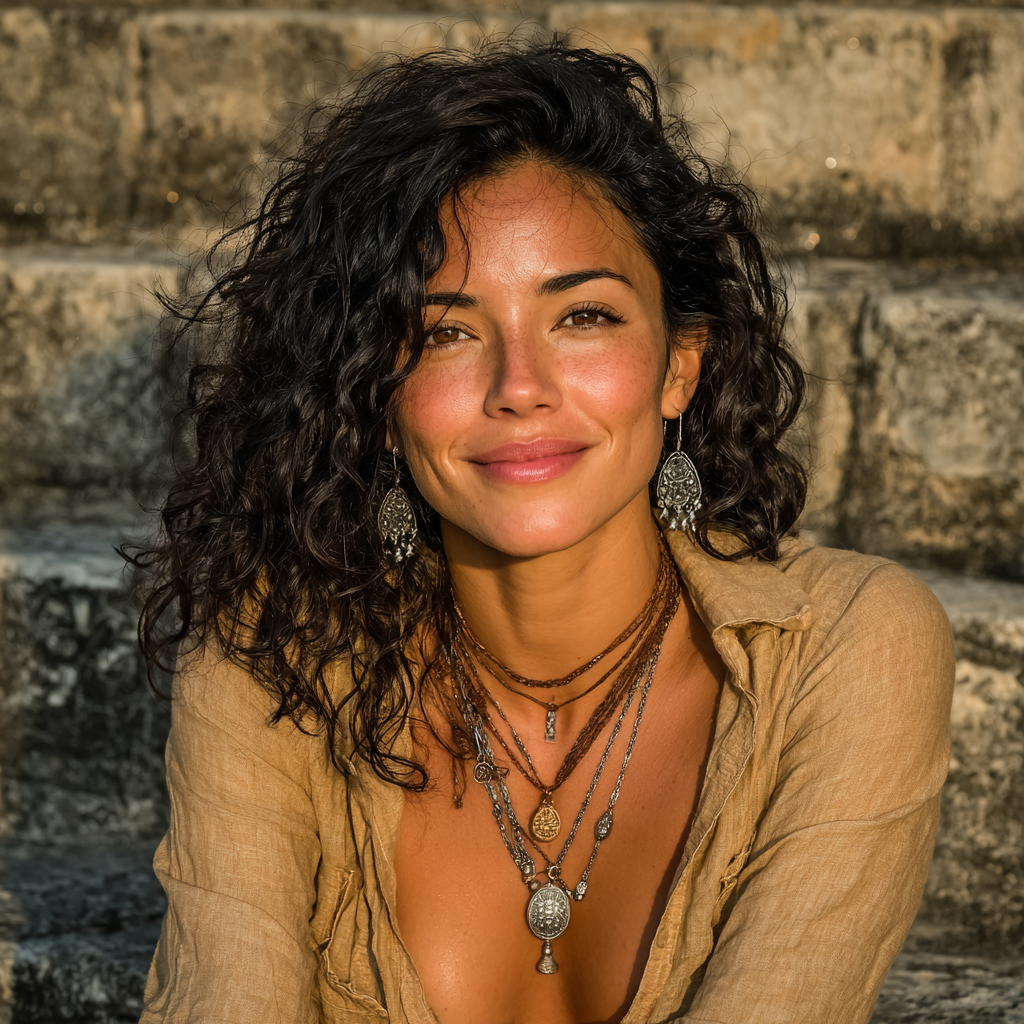
By Elena Vasquez
Cultural anthropologist and culinary storyteller. Elena spent a decade documenting traditional cooking methods across Latin America and the Mediterranean. She holds a PhD in Ethnography from Barcelona University and believes the best way to understand a place is through its kitchens and ancient streets.