
Panama City: Where the Canal Changed the World and the Ceviche Changed Mine
By Finn O'Sullivan. I came to Panama City because I had a 12-hour layover on a flight to Buenos Aires. I stayed three weeks. The city grabbed me the way places sometimes do — not with beauty, but with contradiction. On one side of the bay, glass towers shoot up like a Miami postcard. On the other, crumbling Spanish colonial buildings line cobblestone streets where locals play dominoes outside corner stores. The canal runs through it all — the reason the city exists, the reason it grew, the reason it matters. I have been back twice. Each time, I find another layer: a fonda where $5 buys a lunch that would cost $25 in New York, a bar in Casco Viejo where the bartender remembers my drink, a street in El Marañón where the city shows its real face. Panama City does not try to resolve its contradictions. It simply lives with them. That is the point.
The first thing that strikes you about Panama City is the contradiction. Glass towers on one side of the bay, crumbling Spanish colonial buildings on the other. Locals playing dominoes outside corner stores while bankers in suits hurry past. The city is a study in contrasts, and it makes no attempt to resolve them.
Most visitors come for the canal. They should. But Panama City is more than its famous waterway. It is a city where $300-per-night boutique hotels stand next to crumbling structures where families hang laundry from balconies. Where a 16th-century pirate raid and a 21st-century shipping container share the same shoreline. The city is honest about what it is. It does not polish its edges.
The Panama Canal: The Machine That Changed Everything
The Miraflores Visitor Center (Miraflores Locks, Panama City, +507 276-6155, open daily 08:00-18:00, $17.15 adults). The best time to watch ships pass through the locks is around 9:00 or 15:00, when traffic peaks. Go at noon and you'll stare at empty concrete chambers. The observation deck offers a clear view of the mechanism that changed global trade forever—massive gates swinging open, water levels adjusting with precision, container ships squeezing through with inches to spare.
The museum is adequate but not essential. The IMAX theater shows a 45-minute documentary about the canal's construction (included in the ticket). The restaurant is overpriced and mediocre—eat elsewhere. The expansion, completed in 2016, added new locks for the largest container ships. The original locks are still in use for smaller vessels. Allow 2-3 hours. Book tickets online at pancanal.com to avoid queues.
The Panama Canal Railway (Panama City to Colón, +507 317-6070, departs Panama City 07:15, returns Colón 17:15, $25 one-way, $40 round-trip, journey 1 hour). The historic route was completed in 1855, and the current service uses passenger cars with observation decks. From Colón, visit the Gatún Locks and Fort San Lorenzo, a 16th-century Spanish fortress overlooking the Caribbean Sea. Book tickets online at panarail.com at least 24 hours ahead. The train fills up on weekends and holidays.
Gatún Locks (Colón, +507 276-6070, open daily 09:00-16:00, $5 adults). Less crowded than Miraflores and equally impressive. The locks here are part of the original canal system and handle the largest ships. The visitor center is smaller but the observation deck is closer to the action. Combined with the train ride and Fort San Lorenzo, this makes an excellent day trip. The locks are 10 minutes by taxi from the Colón train station.
Casco Viejo: The Old City That Refuses to Be a Museum
The Casco Viejo neighborhood, the historic district, sits on a peninsula jutting into the Pacific. UNESCO designated it a World Heritage site in 1997, and since then, it has transformed. The restoration is ongoing—some streets are polished and perfect, others still wear their decay with dignity. The neighborhood is not a museum piece. People live here. The contrast between restoration and reality is stark, and it changes block by block.
Plaza Bolívar hosts the National Theater, completed in 1908, where you can catch performances for under $20. The theater's architecture is neoclassical, with a grand staircase and a chandelier that survived the decades of neglect. Check the schedule at teatronacional.go.pa. The plaza itself is a gathering point, with benches shaded by ancient trees and street vendors selling shaved ice and empanadas.
The Church of San José (Avenida A, Casco Viejo, open daily 09:00-17:00, free entry). Contains the famous Golden Altar, which survived pirate Henry Morgan's 1671 sacking of Old Panama when a priest painted it black to hide its value. The trick worked. The altar is now the church's centerpiece, a baroque masterpiece of gold leaf and carved wood. The church is small and unassuming from the outside, but the interior is stunning. Photography is permitted but flash is not allowed.
The Presidential Palace (Plaza de la Independencia, Casco Viejo, exterior viewing only, guided tours available by appointment through the website). Has an exterior decorated with herons—the national bird—rendered in Spanish colonial tile work. The palace is still the official residence of the President of Panama. The changing of the guard ceremony takes place on the first Monday of each month at 10:00 and is worth watching. The Plaza de la Independencia in front of the palace is where Panama declared independence from Colombia in 1903. The square is filled with shade trees and benches, and the atmosphere is relaxed.
The Cinta Costera (waterfront promenade, open 24 hours, free). Stretches from Casco Viejo along the bay. Cyclists and joggers pass fishing boats bobbing in the bay. The promenade is wide and well-maintained, with views of both the modern skyline and the old city. In the evening, it fills with families, couples, and street vendors. The breeze off the Pacific provides relief from the heat. The section near Casco Viejo is particularly pleasant at sunset. Safe during daylight and early evening, but avoid after 22:00 unless in a group.
The best way to understand Casco Viejo is to walk it without a map. Start at the waterfront promenade, head inland, and get lost. You'll pass restored boutique hotels charging $300 per night standing next to crumbling structures where families still hang laundry from balconies. The street art is excellent—murals cover many of the old walls, and the quality ranges from amateur to professional. The neighborhood is safe during the day but requires caution after dark. Stick to the main streets and avoid the unlit areas near the edges of the peninsula.
Eating in Panama City: From the Fish Market to Fine Dining
Mercado de Mariscos (Avenida Balboa, Panama City, open daily 04:00-16:00, ceviche $3-5 per cup). Fishermen unload their catch from 04:00, and by 07:00, the upstairs market serves ceviche that will ruin you for all other ceviche. Corvina and octopus are local standards. The market is loud, wet, and smells of the sea. This is not a polished experience. It is an authentic one. The ceviche is served in plastic cups with saltines and a hot sauce made from local ají chombo peppers. Go before 09:00 for the freshest fish and the best atmosphere. Watch your belongings—crowds attract pickpockets.
El Trapiche (Via Argentina, El Cangrejo, +507 263-5195, open daily 07:00-22:00, sancocho $8, lunch specials $10-15). Serves sancocho, the Panamanian chicken soup that locals swear cures hangovers. The restaurant fills with office workers at lunch, families on weekends. The lunch specials ($10-15) include a main, rice, beans, and a drink. This is where locals eat, not tourists.
Tántalo (Calle 8B, Casco Viejo, +507 206-3910, open daily 12:00-23:00, mains $15-25, rooftop bar open until 01:00). The view across the modern skyline at sunset justifies the markup. The menu is Panamanian-fusion, with dishes like plantain-crusted fish and coconut rice. The cocktails are excellent ($10-15) and the rooftop bar is the place to be on Friday and Saturday nights. Book a table for sunset.
Fondas — small, family-run lunch counters where $5 buys rice, beans, fried plantains, and a protein. They cluster around the Mercado Público in El Marañón, a neighborhood most tourists never see. The food is simple, fresh, and authentic. Look for the busiest stall — high turnover means fresh food. The lunch rush is 12:00-14:00. The fonda experience is the most authentic Panamanian food you can have. No English menus, no air conditioning, no pretension. Just good food at prices that haven't changed in decades.
Platea (Calle 10, Casco Viejo, open daily 17:00-02:00, food $8-15, cocktails $10-15). Housed in a restored warehouse, combines multiple bars and food vendors under one roof. The atmosphere is lively and social, with shared tables and a mix of locals and tourists. Good option for groups or travelers who want variety without committing to a single restaurant. Air-conditioned, reliable Wi-Fi.
Alquila (Calle 8, Casco Viejo, open daily 18:00-02:00, cocktails $10-15). Specializes in craft cocktails using local spirits. The seco sour, made with Panama's national spirit, is a highlight. The bar is small and intimate, with a knowledgeable bartender who can explain the Panamanian rum and gin selections. This is where the local creative class drinks. The bar fills up after 21:00. Arrive early for a seat.
La Rana Dorada (Multiple locations, including Via Argentina and Casco Viejo, open daily 12:00-23:00, beers $3-5, pub food $8-12). A local brewery with several locations across the city. The beer is good — the IPA is hoppy and the stout is dark and rich. The Via Argentina location is particularly lively, with a mix of locals and expats. A good option for a relaxed evening with good beer and conversation.
The Biomuseo: Panama's Future
The Biomuseo (Amador Causeway, Panama City, +507 830-6700, open Tue-Fri 09:30-16:00, Sat-Sun 10:00-17:00, closed Mon, $18 adults). Designed by Frank Gehry, sits at the Pacific entrance to the Panama Canal. The building itself—twisted metal panels in bright red, blue, and yellow—announces that Panama is looking forward, not back. The museum traces the geological and biological history of the isthmus, explaining how this narrow strip of land changed global ocean currents and enabled the Great American Biological Interchange. The exhibits are interactive, engaging, and genuinely educational. Allow 2-3 hours. The museum is on the Amador Causeway, which is worth walking before or after your visit. Bikes are available for rent ($5 per hour). The causeway is a 6-kilometer strip connecting four islands, with views of the city skyline and the canal entrance. The walk is pleasant in early morning or late afternoon.
Panama Viejo: The Ruins That Started It All
Panama Viejo (Calle 31, East Panama City, +507 226-8915, open daily 08:30-16:30, $6 adults). The original Panama City, founded in 1519. The ruins—towering church facades, the skeleton of the cathedral—are worth a visit. This was the first European settlement on the Pacific coast of the Americas, and Henry Morgan destroyed it in 1671. The city moved to the more defensible Casco Viejo peninsula. The ruins are haunting precisely because they are so incomplete. You can see the layout of streets, the scale of the cathedral. The museum on site contains artifacts from the colonial period. The climb to the top of the cathedral tower offers views over the modern city and the bay. The site is hot and exposed—bring water, sunscreen, and a hat. Best visited early morning. Allow 2 hours.
Where to Stay
Casco Viejo offers boutique hotels in restored colonial buildings:
- American Trade Hotel (Plaza Herrera, Casco Viejo, +507 211-2000, from $200/night). A beautifully restored colonial building with a rooftop pool and views over the plaza. The hotel's restaurant is one of the best in Casco Viejo. The rooftop bar is popular with locals and tourists.
- Central Hotel (Plaza de la Independencia, Casco Viejo, +507 228-8000, from $180/night). Located on the main square, with views of the Presidential Palace. The building is a restored colonial mansion with high ceilings and period details. The restaurant serves excellent Panamanian cuisine. The location is unbeatable for exploring Casco Viejo.
- Los Cuatro Tulipanes (Calle 3, Casco Viejo, +507 211-9300, from $150/night). A smaller boutique hotel with a courtyard garden and a more intimate atmosphere. The rooms are individually decorated and the service is personal. This is the best option for travelers who want character without the price tag of the larger hotels.
The Banking District has international chains with consistent service and skyscraper views:
- Marriott Panama (Avenida Balboa, +507 210-9100, from $150/night). Standard Marriott service with a rooftop pool and views over the bay. The executive lounge is worth the upgrade for the views.
- W Panama (Calle 50, +507 204-0000, from $200/night). The trendiest hotel in the banking district, with a rooftop bar popular with the local nightlife crowd. The pool is small but the views are excellent.
- Hilton Panama (Avenida Balboa, +507 295-8888, from $180/night). Reliable Hilton service with a large pool and multiple restaurants. The breakfast buffet is excellent.
Budget Options:
- Hostel Casa Areka (Via Argentina, El Cangrejo, +507 263-4081, dorm beds from $15/night, private rooms from $40/night). A popular hostel with a social atmosphere, kitchen, and rooftop terrace. The staff are knowledgeable about local attractions. The hostel organizes tours to the canal and the islands.
- Luna's Castle Hostel (Casco Viejo, +507 211-0368, dorm beds from $12/night, private rooms from $35/night). A historic building in Casco Viejo with a courtyard and a rooftop bar. The location is unbeatable for exploring the old city. The bar is open to non-guests and is a good place to meet people.
- Airbnb operates widely, with entire apartments in residential neighborhoods like Obarrio and Punta Pacífica running $50-100 per night. The Punta Pacífica neighborhood has beach access and views over the Pacific. The Obarrio neighborhood is central and convenient for restaurants and shopping.
Practical Panama City
Getting around requires strategy. The Metro (opened 2014, clean, efficient, $0.35 per ride) Line 1 runs from Albrook Mall through the city center to San Isidro. It does not reach Casco Viejo. For that, you need buses, taxis, or rideshares. Uber operates widely and cheaply. A ride from the banking district to Casco Viejo costs $3-5. Taxis are abundant but require negotiation. Always confirm the fare before entering. The Metro operates 05:00-23:00 on weekdays, 05:00-22:00 on weekends. The main bus terminal is at Albrook Mall, which is also the largest shopping center in the Americas and a destination in its own right.
Safety requires common sense more than extraordinary caution. Casco Viejo is heavily policed and generally safe, though petty theft occurs. The Curundú and El Chorrillo neighborhoods, adjacent to Casco Viejo, are poverty-stricken and best avoided by tourists. The banking district is secure but impersonal after dark. The safest approach is to take rideshares between neighborhoods at night rather than walking, even for short distances. Do not flash expensive jewelry or electronics. Keep bags closed and in front of you in crowds. The fish market and the bus terminals are the main hotspots for petty theft.
The climate demands respect. Panama City is hot and humid year-round. Temperatures hover around 32°C (90°F) with humidity that makes it feel hotter. The rainy season runs from May to December, with afternoon downpours that can flood streets in minutes. The dry season, January through April, offers slightly less humidity but still plenty of heat. Air conditioning is essential. Dress for the climate—light fabrics, breathable shoes, and constant hydration. Sunscreen is non-negotiable. The UV index is extreme year-round. Dehydration is a real risk. The heat is exhausting—plan indoor activities during the midday heat (12:00-15:00) and outdoor activities for early morning or late afternoon.
Money: Panama uses the US dollar (officially the Balboa, but US dollars are the currency). ATMs are widely available. Credit cards are accepted at hotels and upscale restaurants but not at street stalls or small shops. Carry cash for ceviche, taxis, and market purchases. Tipping is not mandatory but appreciated—10% at restaurants, round up for taxis. The exchange rate is fixed at 1 USD = 1 Balboa. There is no need to exchange currency.
Language: Spanish is the official language. English is widely spoken in the tourism industry, hotels, and upscale restaurants. Most signs are in Spanish. Learning a few phrases — hola (hello), gracias (thank you), por favor (please) — is appreciated. The Panamanian Spanish accent is clear and relatively easy to understand for Spanish learners.
The best time to visit is the dry season (January through April) when the humidity is lower and the rain is minimal. The rainy season (May through December) is still viable — the downpours are brief and usually in the afternoon. The morning hours are generally dry and pleasant. The city is less crowded and cheaper in the rainy season. December is particularly busy due to the holidays. January is the best month — dry, sunny, and relatively uncrowded.
What to Skip
- The Miraflores Visitor Center at noon: The locks are empty at midday. The best viewing times are 9:00 and 15:00, when the ships are passing through. Go at noon and you'll pay $17.15 to watch concrete. Check the ship schedule at pancanal.com before you go. The restaurant is overpriced and the food is bland. Eat at the fish market instead.
- The tourist restaurants on Plaza de la Independencia: The restaurants facing the main square in Casco Viejo are overpriced and aimed at tourists. The food is mediocre and the service is rushed. Walk two blocks to the smaller streets and find a local place. The fondas in El Marañón serve better food for a fraction of the price.
- The Biomuseo on a Monday: It is closed. The museum is open Tuesday through Friday 09:30-16:00 and Saturday through Sunday 10:00-17:00. Check the schedule before you go. The museum is worth the $18 entry fee — the exhibits are genuinely educational and the building is stunning. But a wasted taxi ride to the Amador Causeway on a Monday is frustrating.
- Walking between neighborhoods after dark: Casco Viejo is safe during the day but the areas between neighborhoods are not well-lit and can be risky. The Curundú and El Chorrillo neighborhoods, adjacent to Casco Viejo, are poverty-stricken and best avoided. Take an Uber or taxi between neighborhoods after 22:00. Even short walks can be risky. Do not try to save $3 by walking — the risk is not worth it.
- The rainy season without an umbrella and a plan: The downpours are sudden, intense, and capable of flooding streets in minutes. Carry an umbrella or a rain jacket. Plan indoor activities for the afternoon — the museums, the mall, the hotel. The downpours usually last 30-60 minutes and then clear. The best strategy is to embrace the rain, find a covered spot, and wait. Or plan around it — mornings are usually dry.
- The Amador Causeway at midday without water or sunscreen: The causeway is exposed, hot, and has limited shade. The UV index is extreme. The walk is 6 kilometers with no shade. If you must walk it at midday, bring water, sunscreen, a hat, and take breaks. The bike rental is a better option — you can cover the distance faster and the breeze helps. The causeway is best visited early morning or late afternoon, when the heat is lower and the light is better for photography.
- Not trying the ceviche at Mercado de Mariscos: The fish market is the culinary heart of the city. The ceviche is fresh, cheap, and better than anything you will find in a restaurant. The corvina and octopus are local standards. A cup costs $3-5. The market is loud, wet, and smells of the sea. It is not a polished experience. It is an authentic one. If you eat only in hotel restaurants, you have not eaten in Panama City. Go before 9:00 AM for the freshest fish.
- The Panama Canal Railway without booking ahead: The train fills up on weekends and holidays. The $25 one-way ticket is good value, but only if you get a seat. Book online at panarail.com at least 24 hours ahead. The observation deck is the best part of the journey — the views of the canal and the rainforest are excellent. The return train departs Colón at 17:15. If you miss the return train, you are stuck in Colón, which is not a pleasant place to be stranded.
- Casco Viejo after dark without a plan: The neighborhood is safe during the day but requires caution after dark. Stick to the main streets and avoid the unlit areas near the edges of the peninsula. The bars and restaurants are concentrated on a few blocks — know where you are going and take a taxi there and back. Do not wander aimlessly at night. The contrast between the restored areas and the decaying areas is stark, and the transition can happen in a single block. If a street looks unlit and empty, it probably is.
- Skipping the fondas: The small, family-run lunch counters are the best food in the city. $5 buys rice, beans, fried plantains, and a protein. They cluster around the Mercado Público in El Marañón. The food is simple, fresh, and authentic. No English menus, no air conditioning, no pretension. The portions are large, the prices are fair, and the atmosphere is genuine. If you skip them, you have missed the real Panama City. Look for the busiest stall — high turnover means fresh food. The lunch rush is 12:00-14:00. Arrive early for the best selection.
Final Thoughts
Panama City does not try to be a colonial time capsule like Cartagena, nor does it pretend to be a gleaming financial capital like Singapore. It is both, and neither. The canal workers, the banking executives, the fishermen at Mercado de Mariscos, the restoration architects in Casco Viejo—they all share the same hot, humid city. The contrast is the point. Old and new, rich and poor, local and global, all layered atop one another along a narrow strip of land that changed the world.
Before you leave, walk the Cinta Costera at dusk. The sun sets behind the modern skyline, turning the glass towers gold and pink. Fishing boats return to harbor. Joggers complete their evening circuits. The heat breaks slightly, and a breeze comes off the Pacific. From this vantage point, you can see both cities—the old and the new, the restored and the rising—sharing the same bay, the same horizon, the same complicated future. That view is worth more than any museum admission.
Finn O'Sullivan is a travel writer who has spent three years exploring the cities of Central and South America. He writes about colonial history, modern development, and the street food that makes a city worth returning to. He believes the best way to understand a place is to eat where the locals eat, walk until you are lost, and accept that you will never fully understand it. He has eaten ceviche at dawn, sancocho at midnight, and fried plantains in a fonda while the rain poured down. He still cannot decide whether he prefers the old city or the new one.
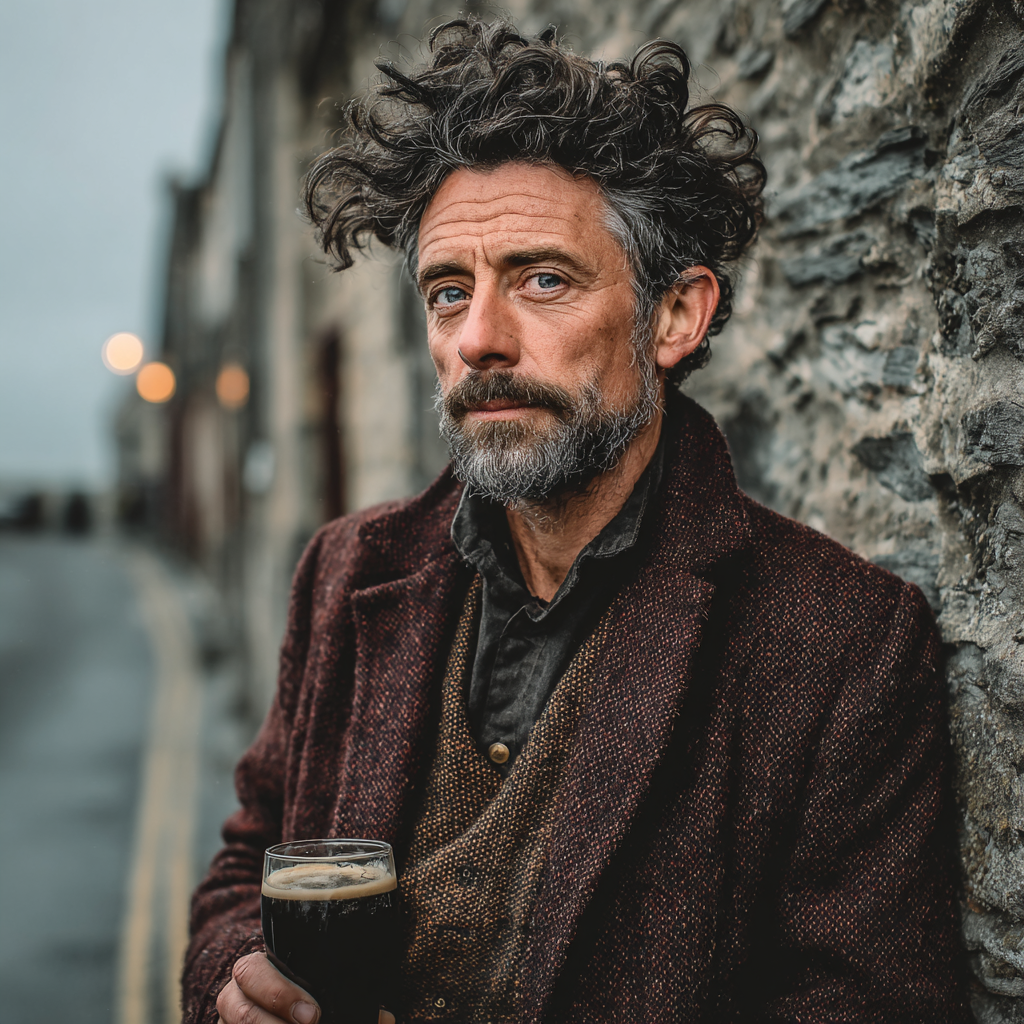
By Finn O'Sullivan
Irish storyteller and folklorist. Finn hunts for the narratives that do not make guidebooks—the pub legends, the family feuds, the neighborhood heroes. He believes every street corner has a story if you know who to ask.