
Most travelers blow through Panama in five days. Panama City, the Canal, maybe Bocas del Toro, then they fly home convinced they have seen the country. They have not. Three hundred kilometers northwest of the capital, the Inter-American Highway climbs into the Chiriquí Highlands and spits out a town that does not feel like Panama at all. Boquete sits at 1,200 meters, surrounded by cloud forest and coffee plantations, and it has spent decades hosting backpackers who figured out that mountain air costs nothing.
The first thing you notice is the temperature. After the humidity of Panama City or the Caribbean coast, Boquete's 15 to 24 degrees Celsius year-round feels like someone opened a window. The second thing is how small the town is. You can walk the center in twenty minutes, from the church at Parque José Domingo Médica to the last coffee shop on the main drag. That compactness is part of the budget appeal. You do not need taxis for daily life, you do not need tours to access trails, and you do not need a big hotel budget to sleep well.
Entry Formalities
Panama is one of the easier countries in Central America to enter, but the rules have teeth. Citizens of the US, Canada, the UK, the EU, Australia, and New Zealand get visa-free entry for 90 to 180 days depending on nationality. The catch that actually bites travelers: you must show a return or onward ticket out of Panama, and immigration officers enforce it. They can also ask for proof of funds, around $500 for the length of your stay. Have both ready.
Your passport needs at least six months of validity. If you are arriving from a yellow-fever risk country in South America or Africa, you need the vaccination certificate. Panama's $40 departure tax is almost always bundled into your airline ticket now. Overstaying is a bad idea: fines run $50 per month plus $1 per day, and Panama's exit checks are thorough. One more thing that catches people on land borders: if you enter at Paso Canoas from Costa Rica and plan to hop back and forth, count your days. Panama does not reset your clock on a quick border run the way some travelers assume.
Getting There and Around
The budget route runs through David, the regional capital an hour downhill. From Panama City, buses leave the Gran Terminal de Transportes at Albrook roughly hourly from early morning, operated by Panachif and TDP. The ride costs $15 to $25, takes six and a half to eight hours, and the seats are assigned, so buy at least an hour ahead on weekends. Pro tip for Albrook: you need a Metro Bus card (a reusable transit card, $2 at the machines) just to pass the turnstiles into the departure hall. Do not be the person trying to argue your way past the gate.
From David's bus terminal, the local bus to Boquete leaves every 25 to 30 minutes from about 5:30 AM to 9 PM. It costs $1.75, takes 30 to 45 minutes depending on stops, and you pay the attendant when you get off. You will be dropped on the west side of the central park; departures back to David leave from the southeast corner. Total from the capital: under $30 and a full day of your life.
The fast alternative is flying: Copa from Tocumen (PTY) or Air Panama from Albrook's city airport (PAC) to David's Enrique Malek Airport (DAV), about an hour in the air, $80 to $150 one-way. A taxi or shuttle from DAV to Boquete runs $25 to $35. Worth it if you have four days or fewer. Coming from Bocas del Toro, hostel shuttles charge $30 to $40 for the four-and-a-half to six-hour journey including the boat transfer, or you can take the cheap chain: boat to Almirante ($6 to $10), bus to David ($10 to $15), local bus up the hill ($1.75).
In town, everything is walkable. Local colectivos to trailheads and surrounding villages leave from the north side of the park for $1 to $3. Shared taxis around town cost $0.50 to $1. Rental cars run $50 to $100 a day and only make sense split three or four ways, mostly if you want the Caldera hot springs or the Pacific coast on your own schedule.
Where to Sleep
This is where Boquete earns its budget reputation. Hostel dorm beds run $10 to $18 a night; private rooms in small guesthouses start around $25. On my last pass through in February I stayed at a place called The Yellow House, three kilometers from town, in a private bungalow for $25 a night. It had a kitchen, hot water, and a porch facing the valley. The big castle-like hostels in town (Bambuda Castle, up in Los Naranjos, is the famous one) charge $20-plus for dorms but throw in pools, climbing walls, and a social scene. The cheap options are clean, quiet, and the owners usually know the minibus schedules by heart. Book ahead for January: the annual flower-and-coffee festival fills every bed in town.
The Hiking Is the Point
Boquete's trails are the main draw and the main money-saver. None of the classic hikes require a guide, and none of the trail fees will hurt you.
The Pipeline Trail (Sendero La Cascada Escondida) costs $5, paid in cash at the house on the left just past the trail entrance. The gate opens around 8 AM and last entry is about 3 PM. It follows an old aqueduct through cloud forest along the Quebrada La Mina stream: 3.2 kilometers one way, two to three hours round trip, ending at a waterfall and a small cave. Colectivos from town run every morning for $2.50 per person; the ride takes 30 to 40 minutes. It is not a difficult walk, but the density of the forest is real. You will see epiphytes, hear birds you cannot identify, and understand why this region produces expensive coffee.
The El Pianista Trail is tougher and free. It is 8.2 kilometers through rolling pasture that turns into thick cloud forest, taking four to six hours round trip. Colectivos cost about a dollar each way. This trail made news for the wrong reasons in 2014 when two Dutch tourists went missing and were later found dead, and the lesson is not subtle: download an offline map, tell someone your plan, and do not leave the marked path. The forest is too dense to navigate without one.
The Lost Waterfalls Trail (Tres Cascadas) charges $10 for independent hikers, with guided versions running $35 to $45 if you want the slippery bits narrated. It passes three waterfalls in succession through genuinely muddy terrain. Proper shoes matter. Boquete's trails are not manicured. They are farm roads, indigenous paths, and old utility routes that hikers adopted. Expect mud in any season.
Volcán Barú, the 3,475-meter volcano that dominates the skyline, is the most demanding option. The national park entrance is $5 to $7 for foreigners, paid at the ranger station, and the gate opens around 4 AM for summit attempts. Most people start at midnight to reach the top for sunrise: six to eight hours up a steep, cold trail. Guided night hikes run $100 to $150 including transport and breakfast, or you can arrange a taxi to the trailhead for $10 to $15 and walk yourself. If walking at 3,475 meters sounds miserable, 4x4 sunrise tours (meaning a truck, not your legs) run $75 to $95. The summit on a clear morning shows both the Pacific and the Caribbean, the only place on the continent where you can see both oceans at once. On most days it shows fog and exhaustion. Check the forecast and manage expectations.
The Sendero Los Quetzales, the famous trail connecting Boquete to Cerro Punta on the other side of the volcano, is billed as one of Central America's best hikes. It is. It is also expensive if you do it the easy way: guided full-day trips with vehicle transfers run $150 to $200 per person. Budget travelers can cut this drastically by taking the public bus toward Cerro Punta to the ranger station, hiking one way, and catching a bus down the far side, though timing the connections takes planning and some Spanish. The trail is about 19 kilometers point to point, climbs through four ecosystems, and offers your best chance to spot a resplendent quetzal between January and April, when the wild avocado trees fruit.
Coffee Is Why Boquete Exists
And coffee tours are where you might actually want to spend money. The Boquete valley sits inside Panama's premier coffee-growing region, and the estates here produce Geisha that breaks auction records. Finca Dos Jefes runs organic tours for about $30 where you roast your own beans to take home. Finca Lérida, one of the oldest estates in the valley, charges around $40 and covers the farm's history, the processing plant, and a tasting across multiple varieties. Elida Estate, an award-winning producer, charges $50-plus for its premium tour. All tours require advance booking by email or WhatsApp. Most farms do not allow walk-ins, and the good ones fill days ahead in high season.
The cheaper move is to skip the tour and drink Geisha in town. A pour-over of high-grade Boquete Geisha costs $4 to $8 at the specialty shops along the main street, which sounds steep until you remember what the raw beans sell for at auction. The Perfect Pair, a chocolate-and-coffee shop downtown, runs tastings and chocolate-making workshops that cost less than the farm tours, and their dark chocolate bars made with local cacao run $10 to $14. Whatever you do, buy a bag of beans before you leave. A kilogram of very good Boquete coffee in town costs $15 to $25; the same bag costs $60 in Panama City gift shops.
Adrenaline and Hot Springs
For organized adventure, whitewater rafting on the Río Chiriquí Viejo runs $65 to $75 for a half day with gear, guide, and lunch included (the mellower Chiriquí Nuevo runs $55 to $65). Zip-lining at the Tree Trek canopy adventure costs $55 to $75 depending on how many cables you ride. Both are professionally run and genuinely fun, but neither is cheap, so pick one.
The Caldera hot springs, about 30 kilometers away, are best reached by rental car or an organized dirt-bike tour around $140. If you are on a strict budget, skip them. The town has no natural soaking pools of its own, and the commercial setup out at Caldera is overpriced for what it is.
Eating and Self-Catering
Food in Boquete is neither expensive nor memorable, which is fine. The supermarket on the main street has everything you need for self-catering, and a hostel kitchen plus supermarket ingredients keeps daily food costs under $10. Restaurants serve the standard Central American menu, rice, beans, chicken, and fried plantains for $5 to $8 a plate at the local sodas. The fancier farm-to-table places attached to coffee estates charge $15 to $25 for dinner and cater to retirees and tour groups. The budget play: cook breakfast and lunch, eat out once a day, and spend the savings on coffee. Tuesday brings a small farmers' market near the park with cheap fruit, honey, and Ngäbe-Buglé handicrafts.
When to Come
The dry season from December to April brings the most sunshine, the clearest summit views, and the highest prices. Mid-January adds the Fiesta de las Flores y del Café, ten days of flower displays, concerts, and coffee stalls that is genuinely charming and books the town solid. The green season from May to November brings afternoon rain, fewer people, and noticeably lower accommodation rates. Quetzal spotting peaks January to April, coinciding with the avocados fruiting in the cloud forest. If you do not mind wet boots, May and June offer the best value of the year.
The Honest Math
The balboa is pegged 1:1 to the US dollar, and dollars are what everyone uses, so there is no exchange-rate game to play. Dorm bed ($12 to $18) or private room ($25), self-catered food ($8 to $12), one trail fee and a colectivo ($5 to $10), and you are living on $30 to $40 a day. Add a coffee tour every other day and you are still under $60. Boquete is one of the cheapest mountain destinations in Central America, and the quality-per-dollar on the hiking is unmatched. Where it gets you is the splurge stack: coffee tour plus rafting plus a guided volcano summit in the same week adds $200 fast. Pick one big-ticket item and let the rest be trails and pour-overs.
What to Skip
The commercial hot springs at Caldera unless you have a rental car and a free afternoon; the cost-to-soak ratio is poor.
Zip-line "eco-adventure" parks that market themselves as sustainable without explaining a single thing about the ecosystem. The real cloud forest is on the free trails.
Any restaurant with a printed menu in three languages and no prices. Walk out. The $6 soda two doors down is better anyway.
Booking every activity through your hostel. The markup on packaged tours is significant. Walk to the bus stop, ask for the minibus schedule to the trailheads, and pay cash at the trail gate.
The "cheapest" café Geisha. If a $3 cup claims to be estate Geisha, it is not. Real high-grade Geisha starts around $4 to $5 a cup for a reason.
Skipping David entirely on a rushed day trip. Boquete in one day means one trail and no coffee. Give it at least three nights or save it for a longer loop through Chiriquí.
Practical Notes
Boquete has ATMs but they run out of cash on weekends and holidays; withdraw in David before you come up. The town has a small health clinic and a pharmacy; anything serious means David or Panama City. Cell service works in town but fades fast on the trails, so download offline maps before you hike. Spanish helps but is not essential, English is widely spoken thanks to a large retiree population. The Ngöbe-Buglé indigenous community lives in the surrounding mountains and some trails cross their territory: respect signage, do not photograph people without asking, and buy handicrafts directly from artisans rather than middlemen. Finally, weather at 1,200 meters changes fast. Pack a rain layer even in dry season.
The Verdict
I spent five days in Boquete and averaged under $35 a day including accommodation, food, two coffee tours, and three hikes. The only day I went over budget was the Elida Estate tour, and only because I wanted to understand what a ten-thousand-dollar kilogram of coffee actually tastes like. It tasted like jasmine and citrus and the vague suspicion that I had been conned by marketing. Buy the $40 Finca Lérida tour instead. It is the sweet spot.
Boquete will not impress you with monuments or nightlife. It will impress you with the fact that a town this small, this cheap, and this surrounded by forest exists six hours from a world capital. That is enough.
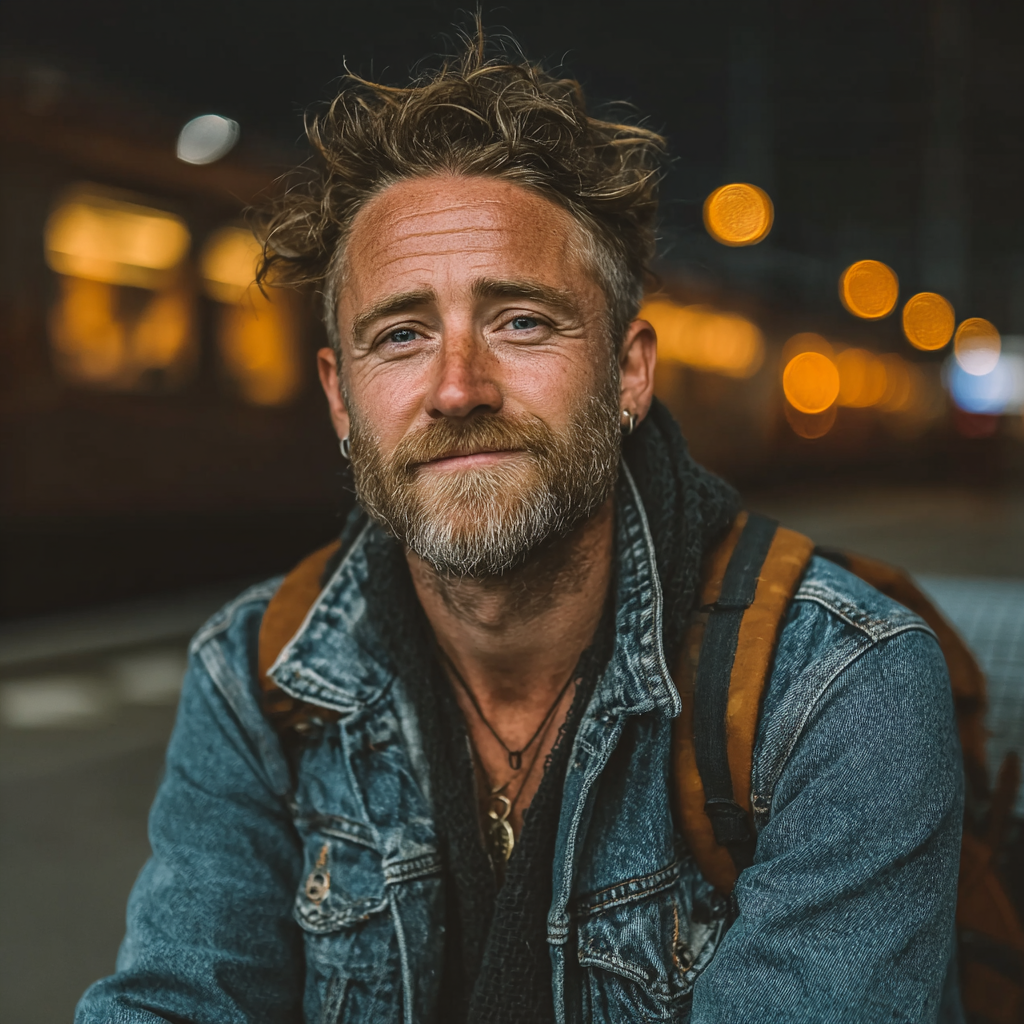
By James Wright
Budget travel expert and former backpacker hostel owner. James has visited 70+ countries on shoestring budgets, mastering the art of authentic travel without breaking the bank. His mantra: "Expensive does not mean better—it just means different."