
: # Guide Metadata (for database insertion only - NOT part of article content)
- Title: Granada, Nicaragua: Colonial Ghosts, Volcano Shadows, and the Best Nacatamales in Central America
- Destination: Granada
- Country: Nicaragua
- Category: Culture & History
- Author: Finn O'Sullivan
- Word Count: ~3,400
- Slug: granada-nicaragua-culture-history-guide
Granada claims to be the first European city founded on mainland America. That was 1524. Francisco Hernández de Córdoba chose this spot on the northwest shore of Lake Nicaragua for the same reason people still come: flat land, fresh water, and a volcano watching from the south. The volcano is Mombacho, and it still watches.
Most travelers pass through Granada on their way to somewhere else. They stay two nights, walk Calzada, eat a $12 burrito, and declare the city "cute." This misses the point. Granada is not cute. It is old, complicated, and full of people who have seen empires rise and fall. The city has been sacked by pirates, burned by retreating armies, and flooded by the lake that made it possible. Through all this, the buildings stayed standing. The people rebuilt. That is the story here.
I am Finn O'Sullivan, and I write about places that refuse to disappear. Granada is one of them.
The Grid and What It Means
Granada is built on a grid, the Spanish colonial standard. The central square is Parque Central (Calle El Comercio, between Calle 3 de Noviembre and Calle Real Xalteva). The cathedral faces it. The streets run north-south, east-west, numbered and lettered with stubborn logic. Avenida Guzmán becomes Calle Atravesada becomes Avenida Cervantes. The names change but the grid holds.
This order was imposed. Before Córdoba, this was a Nahua settlement called Xalteva. The Chorotega people fished the lake and traded with communities up and down the isthmus. When the Spanish arrived, they saw the lake as a potential canal route to the Pacific. The canal never came here—it went to Panama instead—but the dream shaped the city's early growth.
Walk the grid in early morning, before the heat builds. The buildings speak. Granada has some of the best-preserved colonial architecture in Central America, not because of preservation laws but because of poverty. No money to tear down, no money to modernize. The result is a city of pastel facades, wooden balconies, and interior courtyards hidden behind heavy doors. Look for the blue house on Calle La Libertad with the 300-year-old ceiba tree growing through its roof. The tree came first. The house adapted.
The Cathedral of Granada (Catedral de Nuestra Señora de la Asunción) sits on the east side of Parque Central. It is painted a striking yellow, built between 1905 and 1915 after previous cathedrals were destroyed by fire and war. Entry is free. The interior is simple but the terracotta domes and murals on the ceiling—Noah's Ark, Adam and Eve—tell the stories the city has learned to repeat. Time needed: 15 to 30 minutes. Early morning is best, before the light gets too sharp.
The Churches and What They Survived
Granada's churches are not just places of worship. They are archives of damage and repair. The Iglesia de la Merced (Calle Real Xalteva, between Calle 14 de Septiembre and Calle Atravesada) is the best example. Construction finished in 1539, but pirates razed it in 1655. It was rebuilt with a baroque facade between 1781 and 1783, then damaged again by William Walker's forces in 1854. The front has been left with its burned appearance, a deliberate scar. The interior was redone in 1862.
The climb to the bell tower costs 30–40 córdobas (about $1–2 USD). The staircase is narrow, winding, and steep. Take your time. At the top, you can see for miles: the grid of the city, the lake, the islets, and Mombacho rising behind it all. The tower closes during lunch hours. Go early morning or late afternoon for the best light.
Iglesia de Xalteva (Calle Real Xalteva, near the eastern edge of the city center) was built during the colonial era and used as a military fortress because of its strategic position. It was destroyed during the National War and again by an earthquake. The final restoration was completed in 1921. The salmon-pink facade and the carved altar inside are worth the visit. Across the street is Parque de Xalteva, named for the Indigenous people who lived here before the Spanish arrived. The park is quiet, shaded by trees, and mostly used by locals.
The Market and Real Commerce
Mercado Municipal Ernesto Fernández (Avenida del Comercio, between Calle 14 de Septiembre and Calle Atravesada) is four blocks east of the cathedral. This is the working market, the one built in 1888 and rebuilt after fires in 1908 and 1913. The iron framework came from Belgium. The tiles came from England. The goods come from everywhere.
The market opens at 4 AM. Truckers arrive from Rivas with plantains. Fishermen bring guapote from the lake, a freshwater fish with teeth like a barracuda. By 6 AM, the produce section is full: yuca, plantains, chayote, jocote, mamoncillo. Vendors sell cheese from the highlands around Jinotega, where the grass is different and the cows produce milk with higher fat content.
Find Doña Rosa near the north entrance. She has sold fruit juices here for forty years. Her daughter helps now. The daughter's daughter sits on a stool and does homework between customers. The family tree is visible in the business. Order a fresco de cacao, made from the raw cacao bean, not the processed powder. It costs 20–30 córdobas. It tastes like chocolate before it became chocolate—earthy, slightly bitter, nothing like the sweet drink tourists expect.
This is the real economy of Granada. A hostel worker makes $300 a month. A plate of gallo pinto at the market comedor costs 60 córdobas ($1.65). The same dish on Calzada costs 200. The math is obvious and uncomfortable. Go where the locals go. Eat where the plastic tables are.
Food: Where the Real Meals Hide
Calle Calzada runs from the cathedral to the lake. This is where the tourists go. The street is lined with restaurants, hostels, and bars. Horse-drawn carriages—coches—wait at intersections, offering tours in Spanish, English, German. The drivers know five languages and the history of every building. One driver, Eduardo, has been giving tours for thirty years. His father did the same. His grandfather built carriages. The family business evolved.
The food on Calzada is overpriced and mediocre. This is not a secret. The locals eat two blocks east, at the comedor near the market, where a plate of gallo pinto—rice and beans—costs 60 córdobas, about $1.65. The same dish on Calzada costs 200. The view is not worth the markup. Walk east, toward the market. Find the places with plastic tables and handwritten menus. Order nacatamales, the Nicaraguan tamal, steamed in banana leaves, filled with pork, rice, and mint. Eat standing up, the way the market vendors do.
Nacatamales are sold only on Saturday and Sunday mornings. Look for a sign or listen for the calls. Street carts and stands in the market offer them. Occasionally someone sells them from a basket on the street. If you are lucky, you will find a house near the centre selling them right out of their home kitchen. Prices vary depending on where you buy, but you can easily find them for 50 córdobas ($1.40).
Vigorón is the dish you must try first. It is served on a banana leaf: boiled yuca, topped with chicharrones (crispy pork rinds) and curtido (cabbage slaw with vinegar and chile). The best vigorón is found in Parque Central, at the kiosks on the corners. A plate costs 60–80 córdobas ($1.65–$2.20). Add the pickled onions and chilies from the jar on the counter. They pack a punch, but they are the perfect condiment.
Quesillo is another street food staple. A warm tortilla is stuffed with quesillo (local cheese) and crema, then rolled and filled with caramelized pickled onions and optional salsa picante. They are sold at stalls all over town for 30 córdobas ($0.80). The first time I tried one, I was sitting on a bus in Rivas, sweating, and a food hawker boarded selling them from a basket. I ordered without asking what it was. It was the best decision I made that day.
If you want a sit-down breakfast, Kathy's Waffle House (Calle El Arsenal, near the lake) is the best choice. The waffles are excellent, but they also serve traditional Nicaraguan breakfast. They close at 2 PM, so go early. The Garden Café (Calle El Arsenal, near the lakefront) is popular with tourists for its courtyard setting and relaxed meals. It is more expensive than local spots but the ambiance is worth a visit.
For dinner, Restaurante El Zaguán (Calle La Calzada) is a reliable choice. The steaks are good, the prices are fair, and the staff is friendly. It is a place you will want to return to. Gaia Forest Cafe & Bistro (Calle El Arsenal) has a beautiful courtyard garden and a decent menu. It is popular with tourists, so expect slightly higher prices. Go for a drink and a small bite, then eat elsewhere.
The beer is Toña or Victoria, both Nicaraguan lagers, both acceptable in heat. Drink them at El Tercer Ojo, a bar on Calle Cervantes with a courtyard and live music on Fridays. The band plays cumbia and bolero. The audience is mixed—locals, expats, travelers who stayed longer than planned.
Lake Nicaragua and the Islets
Lake Cocibolca, as the Nahua called it, is the largest lake in Central America. Eighteenth-century pirates sailed up the San Juan River from the Caribbean and raided Granada, using the lake as their highway. The city built fortifications. The pirates kept coming. Eventually, the Spanish established a military presence at the river's mouth, at a place called El Castillo. The raids slowed but never stopped entirely.
Today, the lakefront is a public space. Local families picnic here on Sundays. Children swim in the brown water, despite warnings about pollution. The truth is complicated—the lake is cleaner than it was twenty years ago, but industrial agriculture upriver still sends runoff full of pesticides. Don't swim. Do watch the sunset. The sun drops behind Mombacho, turning the volcano into a silhouette, then a shadow, then a memory of the day's heat.
Las Isletas are 365 small islands in the lake near Granada. They were created when Mombacho erupted, thousands of years ago, throwing rock and ash into the water. Some islets have houses, weekend retreats for wealthy Nicaraguans and expats. Some have monkeys, descendants of pets released decades ago. Some have nothing but birds.
Boat tours leave from the municipal dock (Malecón, at the end of Calzada). A private tour costs $25–40 for two hours. The boats are narrow panga boats with outboard motors. The drivers know which islets have the best birdwatching, which have the friendlier monkeys, which have the historical interest. One islet has the ruins of a Spanish fort. Another has a school, reachable only by boat, where children commute by kayak.
Mombacho Volcano
Mombacho rises 1,344 meters above the lake. The volcano is active but not dangerous—its last major eruption was in 1570. Today, it is a cloud forest reserve, a place where moisture from the Caribbean meets the drier Pacific air and produces constant mist.
The Reserva Natural Volcán Mombacho is located 10 km from Granada. The road up is paved but steep. A 4WD vehicle is required, or you can pay for a truck shuttle at the base. The shuttle costs $22 USD return, which includes the $5 entry fee. The truck leaves when it has at least seven people, or at set times—10:30 AM is the most reliable departure. You can also get to the entrance by bus from the Nueva Terminal de Buses a Rivas (ask for Nandaime, and get off at "La Entrada de Mombacho"). The bus costs 10–13 córdobas and takes about 30 minutes.
The summit has four craters, dormant, covered in vegetation. Clouds move through the forest at walking pace. Orchids grow on tree branches. The howler monkeys here sound deeper than their lowland cousins, their voices carrying through the mist.
There are three hiking trails at the summit:
Mombacho Crater Trail (1.9 km, 88m elevation): Free. A loop of the caldera with miradors offering views of Granada and the Isletas. No guide required. Takes about 1.5 hours.
El Tigrillo Trail: Must be done with a guide. Costs $17. Takes 2.5 hours and reaches two additional viewpoints.
El Puma Trail (4 km): Must be done with a guide. Costs $17. The most difficult trail, takes four hours to complete.
The hike around the crater rim takes two hours. The trail is muddy, even in dry season. Guides carry machetes, mostly for show, but also to clear the path when vines encroach. The view from the top—when clouds permit—includes Granada, the lake, and a string of volcanoes extending north toward Managua. The weather at the summit is unpredictable. Pick a clear day if possible, but even then, the volcano has its own microclimate.
The Revolution and Its Marks
Granada played a role in Nicaragua's revolutionary history, though less than León to the northwest. The Sandinistas had support here, but the city was also a stronghold of the Somoza regime. The fighting in 1979 damaged some buildings near the center. You can still see bullet scars on the yellow church on Calle Real Xalteva.
The revolution is memory now, taught in schools, debated in families. The city has moved on to other concerns: tourism, crime, the cost of electricity. Nicaragua remains poor—per capita income is around $2,000 annually. The contrast between tourist prices and local wages creates tension. A restaurant meal for two tourists costs $40. The math is obvious and uncomfortable.
The Museo de San Francisco (Calle Cervantes, near the cathedral) is worth a visit. It houses artifacts from the pre-Columbian era, colonial period, and the revolution. The building was originally a monastery, then a fortress, then a university. Entry is 50 córdobas. Open 8 AM to 6 PM, Tuesday to Sunday. Closed Monday.
What to Skip
The canopy tour on Mombacho is overpriced and crowded. The zip-lines are shorter than advertised, and the safety briefings are rushed. If you want adventure, hire a local guide for the hiking trails instead. The view from the crater is better than any zip-line.
The horse-drawn carriage tours at midday are uncomfortable for the horses and the passengers. The sun is direct, the pavement radiates heat, and the animals work hard. If you must take a carriage, go early morning or evening. Pay the asking price—haggling over $5 when the driver makes $20 a day is poor form.
The lake swimming at the public beach near the port is not recommended. The water quality varies, and there are cleaner spots up the shore. Ask at your hostel about day trips to private reserves with lake access.
The tourist restaurants on Calzada that advertise "international cuisine." They are expensive, the food is mediocre, and they exist only because tourists are too tired to walk two blocks further. The real food is east of the cathedral, not west of it.
Practical Logistics
Granada is hot. Average temperatures range from 27°C to 32°C year-round. The dry season runs December to April. The wet season brings afternoon thunderstorms that cool the air but turn streets to rivers. The city floods easily—the lake level rises, the drainage system fails, and intersections become ponds. Bring waterproof shoes and a sense of humor.
Accommodation ranges from $8 hostel beds to $200 boutique hotels. The mid-range—$40–80—offers the best value. Hotel Casa San Francisco (Calle Corral #207, diagonal from the San Francisco Convent) is a boutique hotel with a courtyard, pool, and rooftop terrace. Rates start around $55. Hostel Oasis (Calle El Arsenal, near the lakefront) has a pool, free breakfast, and dorm beds from $9. It is probably the best hostel in the city. Hotel Colonial (Calle La Calzada) is a reliable mid-range option, located right on the tourist strip.
Safety requires common sense. Don't walk alone on unlit streets after 10 PM. Don't carry obvious cameras in the market. The violent crime rate is lower than in Managua, but petty theft is common. Use the hotel safe. Keep a copy of your passport separate from the original. The police presence in the city center is visible, but so are the pickpockets near the bus terminal.
Transport: The bus to Managua costs $2 and takes an hour. The bus to León costs $3 and takes two hours on a road that varies from paved to "under repair." The bus to the Costa Rican border at Peñas Blancas costs $10 and takes four hours. First class does not exist. Bring water and patience. Taxis within the city should cost 30–50 córdobas. Agree the price before you get in. Tuk-tuks are cheaper and more fun, but slower.
Money: Nicaragua uses the córdoba (NIO). As of 2024, the exchange rate is roughly 36–37 NIO to $1 USD. US dollars are widely accepted, but you will get change in córdobas. ATMs exist in the city center but are not always reliable. Bring some cash. Credit cards are accepted at hotels and some restaurants on Calzada, but not at the market or local comedores.
Language: Spanish is the official language. English is spoken by most carriage drivers and tourist-facing staff, but less so in the market. Learn a few phrases. "Buen día" goes further than "hello." A smile goes further than both.
Tipping: 10% is standard at restaurants. Tip carriage drivers if the tour was good. Tip market vendors by returning to their stall. The best tip you can give is repeat business.
Author's Note
The city reveals itself slowly. On the third day, you notice the wooden shutters that close against afternoon rain. You recognize the woman selling tortillas from a basket on her head. You learn which pharmacy is open late, which hardware store sells the good machetes, which bar has the coldest beer.
Granada is not a destination for tick-box tourism. It rewards slowness. The city has survived pirates, dictators, and neglect. It will survive tourism too. What matters is whether you see past the surface—the painted facades and the carriage rides—to the place underneath, where people live, work, and remember.
Start your mornings early. Watch the mist rise off the lake. Drink the cacao fresco before the heat builds. Talk to the carriage drivers, the market vendors, the schoolchildren in their uniforms walking to class. They are the reason Granada exists. Everything else is scenery.
— Finn O'Sullivan
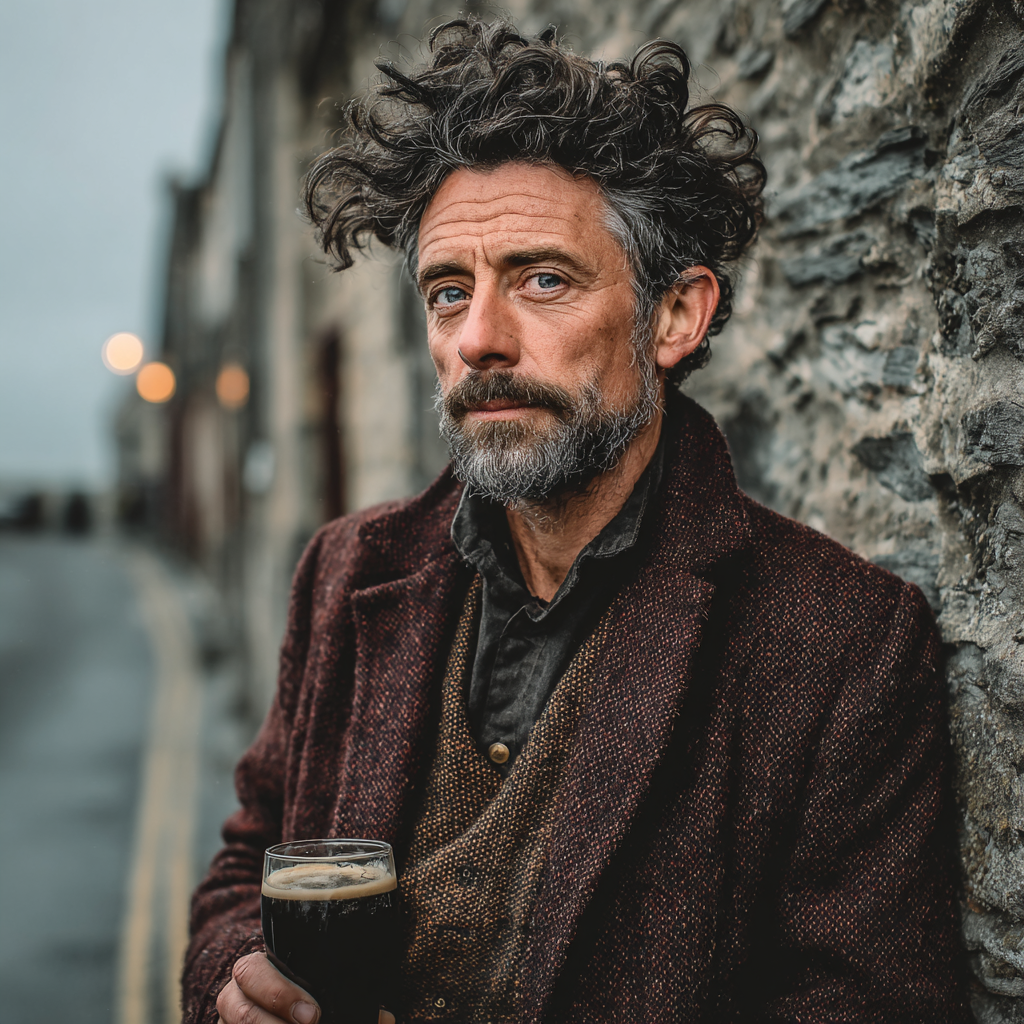
By Finn O'Sullivan
Irish storyteller and folklorist. Finn hunts for the narratives that do not make guidebooks—the pub legends, the family feuds, the neighborhood heroes. He believes every street corner has a story if you know who to ask.