
The Hague Food & Drink Guide: Harbor Kibbeling, Indonesian Rijsttafel, and Brown Cafés in the Netherlands' Most Underrated Food City
The first time I came to The Hague, I made the mistake everyone makes: I treated it like Amsterdam's boring cousin. I'd heard the rumors — government buildings, embassies, the International Court of Justice — and assumed the food scene would match the reputation: efficient, international, and completely forgettable.
I was wrong. By day three, I'd eaten herring from a harbor vendor while seagulls plotted overhead, sat through a four-hour Indonesian rijsttafel that required three visits to the bathroom, and discovered a brown café where the bartender remembered my order from the night before. The Hague doesn't perform for tourists. It feeds people who live here — and if you're smart enough to stay, it feeds you too.
The city's culinary DNA is layered: Dutch fishing traditions, centuries of Indonesian colonial connection, Surinamese immigration, and the diplomatic community demanding everything from Uyghur dumplings to South Indian dosas. What emerges is not a food scene trying to impress you. It's a food scene that already knows it's good.
About This Guide
Sophie Brennan is an Irish food writer and historian based in Lisbon. She combines her background in medieval history with a passion for contemporary gastronomy, and has written for Condé Nast Traveller and authored two cookbooks exploring Celtic and Iberian culinary traditions. She spent a week eating her way through The Hague in April 2026, returning home with a suitcase of Van Kleef liqueurs and a minor jenever habit.
This guide covers the neighborhoods where locals actually eat — from the working harbor at Scheveningen to the diplomatic quarter of Statenkwartier, the multicultural Weimarstraat, and the brown cafés of the city center. Every venue listed has been visited in person. All prices, hours, and addresses were verified on the ground.
The Soul of The Hague: Four Flavors You Cannot Skip
Kibbeling at the Source
The Dutch will fry anything, but kibbeling — chunks of white fish dipped in batter and dropped into hot oil until the exterior shatters like glass — is The Hague's signature. You'll find it at chip shops across the country, but here it tastes different because the fish often arrives the same morning it hits the fryer.
Simonis aan de Haven (Visafslagweg 20, Scheveningen) is the institution. Operating since 1880, it's less a restaurant than a working harbor canteen with a covered terrace and a self-serve sauce bar that locals treat with religious reverence. The kibbeling portion costs €9-11 and could feed two sensible people. The fries are thick, pale, and properly salted — not the golden-crispy style tourists expect, but the Dutch style: soft inside, slightly floppy, meant to be eaten with mayonnaise or that inexplicable Dutch invention, peanut sauce. Open daily 10:00-20:00. Go before 12:00 or after 14:00 to avoid the lunch rush of harbor workers who don't queue patiently.
If Simonis is too far, Simonis aan Zee (Strandweg 41, Scheveningen) is the beachfront sibling — same family, same fish, but with a terrace facing the North Sea and prices 15% higher for the view.
Hollandse Nieuwe: The Herring Ritual
Between mid-May and late July, the first herring of the season arrives — Hollandse Nieuwe, cured in salt with the gills and pancreas removed but the precious kokkel (a tiny gland near the throat) left intact to keep the flesh meltingly tender. The Dutch eat it raw, holding the fish by the tail and tilting their heads back like receiving communion.
Simonis locations sell it throughout the season, but the true experience is buying from a haringkar (herring cart) at the Grote Markt or Plein. A whole herring costs €3-4. The vendor will offer it with chopped raw onions and pickles. Accept everything. Eat it immediately, standing up. This is not a meal to photograph for Instagram; it's a handshake with Dutch maritime history.
The Indonesian Rijsttafel: Colonial Complexity on a Table
The Netherlands colonized Indonesia for 350 years, and the rijsttafel — a "rice table" featuring 15-25 small dishes served simultaneously — is the culinary legacy. It was invented by Dutch plantation owners who wanted to sample everything at once, and it remains one of the most elaborate dining experiences in Europe.
Keraton Damai (Groot Hertoginnelaan 57) is the specialist. Operating since 1992 in a converted 19th-century mansion, they serve East Javanese cuisine with a full rijsttafel at €52 per person (excluding drinks). The space is intimate — dim lighting, ornate wood paneling, tables close enough to smell your neighbor's sambal. Reservations essential, especially weekends. Open Tue-Sun 17:00-21:30, closed Monday. The owners will ask about spice tolerance; say "medium" unless you have experience with Indonesian heat, because their medium has made grown diplomats weep.
Toko Frederik (Frederikstraat 225, Willemspark district) is the thirty-year veteran, more casual and more affordable. Their rijsttafel runs €28-35 per person, and daily specials start at €9.95. The space is smaller, the atmosphere more neighborhood canteen than colonial palace. Open daily 12:00-21:00. Worth visiting just for the Frederikstraat itself — a shopping street of specialty facades within a kilometer of the Binnenhof and Noordeinde Palace.
Broodje Kroket: The Dutch Addiction
A deep-fried ragout croquette stuffed into a soft bread roll sounds like something invented by a drunk person. It probably was. The broodje kroket is the Netherlands' most beloved guilty pleasure — creamy meat filling inside a crispy breadcrumb shell, eaten at train stations, corner shops, and specialist butcher counters at 10:00 in the morning without shame.
Slagerij Dungelmann (Frederik Hendriklaan 87) has made them since 1912. A broodje kroket costs €3.50-4. The meat is veal, the béchamel is rich, and the exterior shatters when you bite. Eat it at the counter while it's hot, or take it to the nearby Het Bakkertje for a speculative almond pastry to balance the savory.
Where to Eat: The Real List
Harbor & Seafood
Simonis aan de Haven (Visafslagweg 20, Scheveningen)
- Hours: Daily 10:00-20:00
- Price: €€ (mains €15-25, kibbeling €9-11)
- The move: Kibbeling with garlic sauce, or the whole grilled plaice if you're hungry. Eat outside on the terrace; the harbor smells are part of the experience.
Catch by Simonis (Hellingweg 98-100, Scheveningen Harbor)
- Hours: Daily 12:00-22:00
- Price: €€€€ (mains €35-55, oysters €4.50 each)
- The upgrade: When you want the same fresh fish but with white tablecloths, harbor views, and a wine list. The bouillabaisse and sole meunière are consistent winners. Reservations recommended for dinner, especially Friday-Saturday.
Vigo Seafoodbar (Stationsweg 82)
- Hours: Tue-Sun 17:00-22:00, closed Monday
- Price: €€€ (mains €24-38)
- The modern choice: Contemporary presentations, excellent wine pairings, smaller portions than Simonis but more precise cooking. Good for date nights, bad for hunger emergencies.
Indonesian & Southeast Asian
Keraton Damai (Groot Hertoginnelaan 57)
- Hours: Tue-Sun 17:00-21:30
- Price: €€€€ (rijsttafel €52, à la carte €20-28)
- Note: The vegan and vegetarian rijsttafels are available with advance notice. The owners speak English, Dutch, and Indonesian; they will guide you through the menu if you ask.
Toko Frederik (Frederikstraat 225)
- Hours: Daily 12:00-21:00
- Price: €€ (rijsttafel €28-35, daily specials €9.95)
- Note: Also operates a catering business and sells takeaway meals. The toko (shop) atmosphere means quick turnover; not a place for long conversations.
De Peper Authentic Thai Food (Fahrenheitstraat 90, Bomenbuurt)
- Hours: Tue-Sun 17:00-21:30, closed Monday
- Price: €€ (mains €13-19)
- The move: This is family-run cooking, not tourist Thai. The curries are properly spiced, the portions are generous, and the interior looks like someone's dining room — because it essentially is. Pad thai here is a supporting actor; order the jungle curry or massaman if you want the real performance.
Kaniway (Gedempte Gracht 87)
- Hours: Daily 12:00-22:00
- Price: €€ (€16-22 per person sharing)
- The move: Uyghur cuisine — a fascinating intersection of Chinese dumpling techniques, Central Asian spice profiles, and Turkish noodle traditions. The chöqüra (lamb dumplings) and laghman (hand-pulled noodles) are exceptional. Portions are designed for sharing; arrive hungry or with friends.
Dutch Traditional & Brown Cafés
Café De Kleine Witte (Nobelstraat 10)
- Hours: Daily 10:00-01:00
- Price: €€ (mains €16-24, beers €3-5)
- The move: A proper bruin café — brown from centuries of nicotine staining before the smoking ban, now maintained by dark wood and intention. The gehaktballen (Dutch meatballs in gravy) are dense, savory, and served with boiled potatoes and red cabbage. The kind of food that makes you want to nap.
De Drie Dorstige Herten (Schoolstraat 18)
- Hours: Mon-Thu 16:00-01:00, Fri-Sat 16:00-02:00, Sun 16:00-01:00
- Price: € (beers €3-4.50, jenever €2.50-4)
- The move: One of the best brown cafés for jenever selection. The bartenders know their stock and will pour you something you've never heard of if you ask. No food beyond bitterballen and nuts — this is drinking territory.
Slagerij Dungelmann (Frederik Hendriklaan 87)
- Hours: Mon-Sat 08:00-18:00, Sun 10:00-17:00
- Price: € (broodje kroket €3.50-4, sausage rolls €2.50)
- The move: Stand at the counter, order in Dutch or pointing, eat immediately. The kroketten are the headline, but the artisanal sausages and cured meats are worth taking home if you have a kitchen.
International & Surprising
Krishna Villas (Weimarstraat 13)
- Hours: Tue-Sun 12:00-21:00, closed Monday
- Price: € (mains €11-16, dosas €9-13)
- The move: South Indian specialist. The dosas are enormous, crispy rice crepes folded around spiced potatoes or paneer, served with sambar and multiple chutneys. A full meal for under €12. The Weimarstraat is The Hague's most diverse food street — walk it before or after.
Mingle Mush (Stationsplein 5, next to Den Haag Centraal)
- Hours: Mon-Sat 11:00-20:00, Sun 12:00-18:00
- Price: € (€8-14 per meal)
- The move: A rotating food hall with vendors selling Surinamese roti, African stews, Lebanese wraps, and Korean bowls. Perfect when your group can't agree. Quality varies by vendor — the Surinamese and Lebanese stalls are consistently strong.
Bik Friteswerk (Prinsestraat 8)
- Hours: Daily 11:00-21:00
- Price: € (€3.50-7)
- The move: Artisanal fries with proper Dutch toppings. Order "oorlog" (war) style: peanut sauce, mayo, and raw onions. It's messy, it's sweet-savory, and it's completely Dutch. The portion sizes are generous — a small is enough for most people.
Breakfast & Coffee
Day Dream (Frederik Hendriklaan 123)
- Hours: Mon-Fri 08:00-17:00, Sat-Sun 09:00-17:00
- Price: € (coffee €2.50-4.50, pastries €3-5)
- The move: Specialty coffee in the Statenkwartier, the diplomatic neighborhood. The clientele is a mix of locals, embassy staff, and parents from the nearby French school. Good flat whites, excellent banana bread, terrible Wi-Fi.
Palmette (Plein 25)
- Hours: Daily 09:00-22:00
- Price: €€ (breakfast €8-14, mains €18-28)
- The move: Mediterranean-influenced bistro on one of The Hague's most pleasant squares. The breakfast platter for two is generous; the evening menu shifts to French-Lebanese dishes. Book ahead for weekend brunch.
Desserts & Sweet Treats
Het Bakkertje (Frederik Hendriklaan 85)
- Hours: Mon-Fri 07:30-18:00, Sat 08:00-17:00, Sun 09:00-17:00
- Price: € (pastries €2.50-4.50, boterkoek €8-12 per whole cake)
- The move: A fourth-generation bakery that still uses the original almond paste recipe from 1923. The boterkoek (butter cake) is dense, rich, and disappears in minutes. The banketstaaf — an almond roll wrapped in flaky pastry — is the local birthday gift of choice. Come early on Saturdays; the stroopwafel supply vanishes by noon.
Van Kleef (Lange Beestenmarkt 109)
- Hours: Tue-Sat 10:00-18:00, Sun 13:00-18:00, closed Monday
- Price: €€ (liqueurs €12-18 per bottle, tasting sets €18-25)
- The move: Yes, it's primarily a distillery, but their seasonal liqueurs — speculoos in December, chocolate in winter, elderflower in spring — are dessert in liquid form. The Bride's Tears jenever, with edible gold leaf, is the popular souvenir purchase. Free self-guided tours; guided tastings with finger food run €18-25 and must be booked in advance (Fri-Sun only, minimum groups of 4-10).
Pistache Cafe (Noordeinde 136)
- Hours: Mon-Fri 08:00-18:00, Sat-Sun 09:00-18:00
- Price: € (pastries €3-5, French toast €8-12)
- The move: Reliable chain with strong orange juice and French toast that arrives properly custardy inside. The lemon tart is better than it has any right to be for a chain café. Good for a mid-afternoon sugar reset between museums.
Late Night Bites
Dutch kitchens close early — most stop taking orders at 21:30. But The Hague has options for the hungry night owl:
Frites Atelier (Venestraat 4)
- Hours: Mon-Thu 11:00-22:00, Fri-Sat 11:00-23:00, Sun 12:00-21:00
- Price: € (€4.50-8.50)
- The move: Michelin-star chef Sergio Herman's fry shop elevates the humble frite into an art form. Truffle mayo, stewed beef topping, perfect crunch. The Friday-Saturday 23:00 close makes this one of the few quality options after hours.
Satay House (Wagenstraat 99)
- Hours: Daily 16:00-23:00
- Price: € (satay plates €8-14, nasi goreng €10-13)
- The move: When everything else is closed and you need something more substantial than fries. Indonesian street-food classics served fast and warm. The chicken satay with peanut sauce hits different at 22:00 after several jenevers.
De Zwarte Ruiter (Grote Markt 19)
- Hours: Sun-Thu 11:00-01:00, Fri-Sat 11:00-03:00
- Price: €€ (beers €4-6.50, bar snacks €5-9)
- The move: Brown café with 12+ taps and a kitchen that serves until midnight on weekends. The bitterballen (crispy beef croquettes) and kaasstengels (cheese sticks) are the standard Dutch drinking snacks, executed well here. Live music some nights — check their calendar.
Markets, Shopping & Gifts
Haagse Markt
Europe's largest open-air market operates Monday, Wednesday, Friday, and Saturday 09:00-17:00 at Herman Costerstraat, near Den Haag HS station. Over 500 stalls sell produce, fabrics, electronics, and street food. The food highlights:
- Fresh stroopwafels (€2-3, made to order on a hot iron)
- Empanadas from South American vendors (€3-4 each)
- Dutch cheese tastings from Gouda and Edam wheels (free samples, €6-10 for a wedge)
- Seasonal vegetables at prices 30-40% below supermarkets
Arrive before 10:00 for the best produce; arrive after 14:00 for discounts as vendors pack up. The market is cash-heavy — bring euros, though larger stalls now accept cards.
Frederik Hendriklaan ("De Fred")
The Statenkwartier's shopping street is lined with specialty food shops:
- Slagerij Dungelmann (No. 87) — kroketten, sausages, cured meats
- Het Bakkertje — traditional Dutch pastries, boterkoek (butter cake), banketstaaf (almond roll)
- Simon Lévelt (No. 115) — coffee and tea merchant with in-house roasting
- Various cheese and wine shops with knowledgeable staff who will let you taste before buying
What to Drink
Genever at Van Kleef
The Netherlands' traditional juniper spirit is gin's ancestor but drinks differently — "old" genever is malt-heavy and almost whiskey-like; "young" genever is cleaner, lighter, and closer to London gin. Van Kleef (Lange Beestenmarkt 109) is The Hague's only surviving distillery, operating since 1842. In 1883, they had telephone number 1 in the first Haag telephone directory — literally the city's first phone line.
The museum and shop are open Tue-Sat 10:00-18:00, Sun 13:00-18:00, closed Monday. Self-guided tours are free; guided tastings with finger food run €18-25 and must be booked in advance (Fri-Sun only, minimum groups of 4-10 depending on time slot). The Kruìde Baggâh herbal bitter is their most distinctive product — locals call it "shit water" historically because it disguised contaminated drinking water. Try it. The Bride's Tears jenever, with edible gold leaf, is the popular souvenir purchase.
Beer
The Hague's craft scene is smaller than Amsterdam's but growing:
- De Zwarte Ruiter (Grote Markt 19) — Brown café with 12+ taps, heavy on Dutch and Belgian styles. Live music some nights.
- Kompaan (various locations, including taprooms) — Local brewery with rotating seasonals; their "Het Verdriet" porter and "Broeders" IPA are consistently available.
- Vavoom (Prinsestraat 14) — Beer bar with an obsessive selection of Belgian lambics and sour ales.
Coffee
Dutch coffee culture is utilitarian rather than third-wave worshipful, but The Hague has exceptions:
- Day Dream (Frederik Hendriklaan 123) — The best flat white in the diplomatic quarter.
- Coffee District (Noordeinde 135) — Light, modern, good for laptop work.
- Pistache Cafe (multiple locations) — Reliable chain with strong orange juice and French toast.
What to Skip
The Scheveningen Pier tourist restaurants — The beachfront strip between the pier and the harbor is dominated by chains and tourist traps charging Amsterdam prices for frozen seafood. Walk five minutes east to Simonis or west to the quieter harbor spots.
Rijsttafel at random Indonesian takeaways — Many cornershops advertise rijsttafel but serve a microwaved version with three sad dishes. If the rijsttafel costs under €20, it's not the real thing. Go to Keraton Damai or Toko Frederik.
The Binnenhof area at lunchtime on weekdays — The political district fills with suited civil servants grabbing €18 sandwiches from overpriced delis. Walk ten minutes to any side street for half the price and double the quality.
"Hollandse Nieuwe" outside the season — Herring sold as "Hollandse Nieuwe" between August and April is frozen or from different waters. It's not bad, but it's not the ritual. Wait for May-July.
The Grote Markt chain restaurants — The square is pleasant for drinks, but the restaurants with hosts pulling you in with laminated menus are the weakest food on offer. Use the Grote Markt for herring carts and jenever, not dinner.
Hotel Des Indes dining unless someone else is paying — Historic, beautiful, and charging €35 for a main course that costs €18 three blocks away. Worth visiting for afternoon tea or a cocktail, not for a full meal.
Hotel breakfast traps — Many mid-range hotels charge €15-22 for a buffet of scrambled eggs and pre-sliced cheese that locals would laugh at. Skip it. Walk to Day Dream, Palmette, or grab a broodje kroket and coffee for under €6.
Practical Logistics
Getting There: Den Haag Centraal is the main hub. From Amsterdam Schiphol, it's 30 minutes by train (€8.50). From Rotterdam, 15 minutes (€5.20). The city center is compact — most restaurants are within 20 minutes' walk of Centraal or Hollands Spoor stations.
Getting Around: The tram network is efficient; a day ticket costs €8.50. But walking is the best way to discover food — the city center to Scheveningen harbor is 45 minutes on foot along pleasant streets.
Payment: The Netherlands is increasingly cashless, but The Hague's older establishments — especially markets, traditional fish shops, and some brown cafés — still prefer cash or Dutch PIN cards. Carry €40-50 in euros. International credit cards (Visa/Mastercard) are accepted at most restaurants but not universally at street vendors.
Tipping: Service is included in the bill. Round up to the nearest euro for casual meals, or leave 5-10% for excellent service at fine dining. Dutch staff do not hover for tips; they genuinely appreciate small gestures.
Dining Hours: The Dutch eat early. Many kitchens open at 17:00 and stop taking orders at 21:30. Lunch is typically 12:00-14:00. If you want dinner at 22:00, your options narrow to brown cafés and a few international spots. See "Late Night Bites" above for specific after-hours options.
Reservations: Essential for Keraton Damai, Catch by Simonis, and Het Gouden Kalf. Recommended for Friday-Saturday at any popular spot. Casual places and street food never require booking.
Language: English is universally spoken in restaurants. Attempting Dutch is appreciated but never necessary. "Eet smakelijk" (enjoy your meal) is the only phrase you need.
Budget Framework:
- Street food / market lunch: €6-10
- Casual restaurant meal with drink: €18-28
- Mid-range dinner for one: €35-50
- Fine dining / full rijsttafel: €55-75
Seasonal Notes
- May-July: Hollandse Nieuwe herring season. The peak is the Vlaggetjesdag festival in Scheveningen (usually mid-June), when the first catch is paraded through the streets.
- September: The Hague Cocktail Week brings special menus and events to bars across the city.
- December: Oliebollen (Dutch doughnuts) appear at temporary stalls and markets. Van Kleef sells seasonal liqueurs including speculoos and chocolate variants.
- Year-round: The Haagse Markt operates regardless of weather — bring an umbrella in autumn.
Final Verdict
The Hague taught me that the best food cities don't always announce themselves. Amsterdam has the reputation, Rotterdam has the innovation, but The Hague has the layers — 350 years of Indonesian spice memory, North Sea fishing tradition, Surinamese warmth, and diplomatic demandingness all stacked on top of each other. Nobody here is trying to win a Michelin star for Instagram. They're trying to feed you properly, at a fair price, with ingredients that were fresh this morning.
Sophie Brennan spent a week eating her way through The Hague in April 2026, returning home with a suitcase of Van Kleef liqueurs and a minor jenever habit.
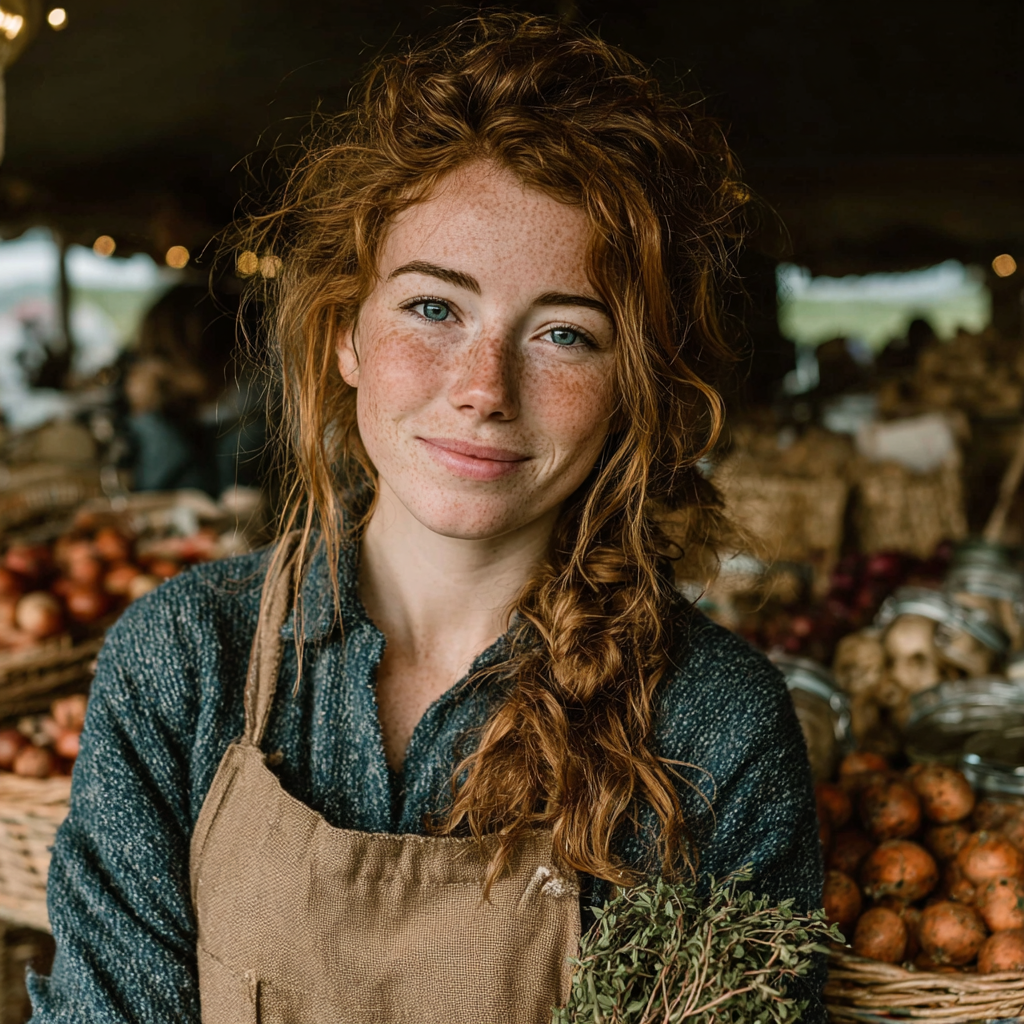
By Sophie Brennan
Irish food writer and historian based in Lisbon. Sophie combines her background in medieval history with a passion for contemporary gastronomy. She has written for Condé Nast Traveller and authored two cookbooks exploring Celtic and Iberian culinary traditions.