
The Hague: Royal Courts, Indonesian Kitchens, and the Beach That Saved a City
Some cities announce themselves. Amsterdam performs. Rotterdam shouts. The Hague, by contrast, clears its throat and continues working — which is exactly what it has been doing since the thirteenth century, when counts of Holland built a hunting lodge by a pond and accidentally founded the seat of what would become one of Europe's most quietly powerful states.
I have spent weeks here over several years, and the city still slips past easy description. It is the political capital of the Netherlands without being the tourist capital. It is home to Vermeer's most famous girl, the world's oldest international court, and the largest Indonesian dining culture outside Indonesia itself. It contains a royal palace the public mostly cannot enter and a beach resort that still feels like a village that happens to have 11 kilometers of sand.
This is not a day-by-day itinerary. It is a map of obsessions. Follow the threads that interest you and ignore the rest.
The Working Capital: Power, Proximity, and the Binnenhof You Cannot Currently Enter
Here is the first thing every current guide gets wrong: you cannot walk into the Binnenhof right now. The gothic government complex around the Hofvijver lake — the political heart of the Netherlands since around 1250 — closed in 2021 for the largest renovation in its history, and the works are expected to run until around 2031. The famous Knight's Hall (Ridderzaal), the courtyard where Dutch prime ministers are sworn in, the whole theatrical inner court: all behind construction fencing. On Prinsjesdag — the third Tuesday of September, when the King addresses parliament — the ceremony now happens at the Koninklijke Schouwburg theatre while the Ridderzaal is out of commission. Parliament itself sits in temporary accommodation on the Bezuidenhoutseweg, a short tram ride northeast.
Before you cross it off the list: the renovation has actually made the political quarter more interesting to understand, not less. Start at the Buitenhof, the square on the complex's city side. A free viewing tower (the uitkijktoren, installed in 2024) lets you climb above the fencing for a panoramic look at the works and down into the historic courtyard. It is the closest most visitors will get to the Ridderzaal this decade, and it frames the whole enterprise honestly: what you are seeing is a functioning democracy maintaining its eight-hundred-year-old office building.
Then walk the Hofvijver perimeter, which remains open and remains one of the great understated city views in the Netherlands — gothic spires reflected in still water, herons standing in the shallows, office workers eating sandwiches on benches. The far (bank) side gives you the classic postcard angle of the Binnenhof skyline with the Ridderzaal's towers rising behind it. Budget fifteen unhurried minutes. Free, always open, best in morning light or after dark when the complex is floodlit.
If you want the politics to have narrative, ProDemos (the visitor center for Dutch democracy at Buitenhof 19) runs guided tours of the political quarter and the temporary parliamentary complex — bookable online from roughly €10–12. It is the difference between looking at a construction site and understanding what a construction site full of sovereign power means.
Continue south along the Lange Voorhout, the double allée of linden trees that is The Hague's most aristocratic street. Two things to know as you walk it. First, from late April to late September it hosts an antique and book market on Thursdays and Sundays (10:00–18:00), plus a small farmers' market on Wednesdays — one of the more civilized browsing experiences in the country. Second, its grandest building at number 74 holds a queen's winter palace and an impossible staircase (more below).
At the top of the street, Noordeinde Palace — the King's actual working palace — is not open to the public, but the gate and forecourt are worth a look, and the surrounding Noordeinde street is the city's antiquarian and design-shopping strip. Pair it with Grote Kerk (St. Jacobskerk, Kerkplein 1, free entry), the fifteenth-century church where generations of Dutch royalty were baptized and which still towers, slightly crooked and utterly serene, over the old town.
And then there is the Peace Palace (Carnegieplein 2, tram 16), home of the International Court of Justice since 1913. The grounds are lovely, the building — funded partly by Andrew Carnegie — is a granite-and-sandstone argument about what law should look like. Interior access is only via guided tours, which run on selected days and must be booked well in advance through vredespaleis.nl. If you did not book, the free visitor centre beside the gate gives you the story in twenty minutes. Verdict: the outside is free and worth it; the inside is for the legally or diplomatically inclined.
Vermeer's City: The Golden Age in Four Rooms
The Hague's museums are not numerous; they are dense. Four of them, taken together, tell the story of Dutch art from the seventeenth century to the edge of abstraction.
The Mauritshuis (Plein 29, on the Hofvijver) is the crown. This seventeenth-century mansion, built for Count Johan Maurits — a man whose wealth came partly from a sugar plantation in Brazil worked by enslaved people, a fact the museum now addresses openly in its displays — holds a collection where nearly every painting is a name you know: Vermeer's Girl with a Pearl Earring and View of Delft, Rembrandt's The Anatomy Lesson of Dr. Nicolaes Tulp, Fabritius's The Goldfinch, Potter's The Bull. Admission is €21 for adults, free for under-18s and Museumkaart holders. Hours: Monday 13:00–18:00, Tuesday–Sunday 10:00–18:00, with late opening until 20:00 on Thursdays — the quietest window of the week for the Vermeer room. From 2026 there is also a €4 rate for the final two hours (16:00–18:00), but it applies only to Netherlands residents; tourists pay full price whenever they come. Book a timed slot online — the rooms are intimate and a tour group fills one fast. One caveat: the Girl occasionally travels on loan (she spent late summer 2026 in Osaka). Check mauritshuis.nl before you visit if seeing her is the point of your trip. Budget 1.5–2 hours. Go at opening, straight to the Vermeer, then circle back.
Panorama Mesdag (Zeestraat 65, around €16, Museumkaart accepted; Tuesday–Sunday 10:00–17:00) is one of the most strangely moving art experiences in Europe. In 1881 the marine painter Hendrik Willem Mesdag wrapped a 120-meter canvas around a purpose-built drum and painted Scheveningen as it then was — a working fishing village of barking seals, drying sails, and beached bomschuiten — and when you climb the viewing platform the painted foreground blends with real sand into an optical trick that has been working for 140 years. Stand still for ten minutes. It is the entire pre-tourist North Sea coast, frozen mid-afternoon.
The Kunstmuseum (Stadhouderslaan 41, tram 16; €20, free with Museumkaart; Tuesday–Sunday 10:00–17:00) is the city's quiet masterpiece: a brick Berlage building from 1935 that holds the world's largest Mondrian collection, including the last, unfinished Victory Boogie Woogie. The galleries move from decorative arts through Hague School landscapes to De Stijl in a sequence that makes modernism feel inevitable rather than shocking. The restaurant under the glass atrium is good enough that locals come just for lunch.
Escher in Het Paleis (Lange Voorhout 74; about €15; Tuesday–Sunday 11:00–17:00; note: Museumkaart not accepted) occupies the former winter palace of Queen Mother Emma. Upstairs, royal rooms with chandeliers; on the middle floor, M.C. Escher's prints getting steadily more impossible, culminating in the two mirror rooms where you stand inside his tessellations. It is the most fun museum in the city and the one children remember.
The Indonesian Kitchen: Eating the Colonial Ledger
You cannot understand The Hague without eating Indonesian food. The Netherlands ruled the Dutch East Indies for more than three centuries, and when Indonesian independence came in 1949, tens of thousands of Indo-Dutch people repatriated — disproportionately to The Hague. The result is the rijsttafel: a "rice table" of a dozen or more small dishes — rendang, satay, gado-gado, sambal everything — invented in the colonies as a colonial banquet and now the city's signature meal, a cuisine served on dishes that trace an empire.
Garoeda (Kneuterdijk 18, near the Binnenhof) has been doing this since 1937 and does it best: a classic dining room, candlelight, waiters who have worked there for decades. A full rijsttafel for two lands around €40–45 including drinks. Book ahead on weekends.
For everyday Indo-Dutch eating, the city is full of tokos: fast, warm, absurdly cheap. Toko Frederik on Frederikstraat and Trio nearby serve mie ayam (chicken noodles) and nasi goreng for under €15 in rooms where half the clientele is Dutch-Indonesian grandmothers and the other half is office workers. This is the food the repatriated community actually ate — the rijsttafel was Sunday; the toko was Tuesday. Both matter.
Ramatée (Wagenstraat 96) rounds out the story with Surinamese-Indonesian cooking — roti, saoto soup, ginger beer — a reminder that The Hague's colonial web extended through the whole Dutch empire, and that the kitchen absorbed all of it. A meal here is about €7–12.
Then there is the street. The Haagse Markt (Herman Costerstraat, between the Transvaal and Schilderswijk neighborhoods; entrances at Hoefkade and Hobbemaplein) is the largest open-air market in the Netherlands and one of the biggest in Europe — roughly 500 stalls open Monday, Wednesday, Friday, and Saturday, 9:00–17:00, free to enter, reachable by trams 6 and 11. Dutch cauliflower sits next to fresh ketumbar; Turkish grandmothers queue beside Antillean teenagers. Come hungry and graze: warm borek for a few euros, kibbeling (fried battered cod nuggets) from the fish stalls, Surinamese bara, stroopwafels made in front of you. This is not a tourist attraction with costumes; it is Tuesday's groceries for a third of the city, and that is exactly why you should go. Budget an hour and €10.
One more requisite street food: haring. The raw-cured herring ritual — hold the fish by the tail, tilt your head back, lower — is available from stands around the Buitenhof and at Scheveningen harbor. If whole fish intimidates, ask for it in a bun with onions and pickles, or as broodje haring. Around €4–5. Do it once.
The Beach That Saved a City
The Hague might have become a dull administrative capital — Brussels on a smaller scale — if not for Scheveningen. The fishing village swallowed by the city in the nineteenth century gave The Hague something Amsterdam and Utrecht never had: the sea. When resort architectettes and grand hotels rose here in the late 1800s, bathing culture made the city fashionable, and the seafront still functions as the locals' shared living room.
Take tram 1 or 9 from the center (twenty minutes) to the Kurhaus (Kurhausweg 1), the 1885 grand hotel whose glass-domed concert hall still anchors the promenade. You can walk in and have coffee under the dome. The pier behind it offers bungee jumping and a zip line if your museum legs need adrenaline. The Strandweg promenade stretches for kilometers in both directions; walk south toward the harbor and away from the crowds for the best views back to the domed skyline.
At the working end of the harbor, eat at Simonis aan de Haven (Dr. Lelykade) — kibbeling, shrimp croquettes, fried sole, eaten at shared tables with the fishing boats visible through the door. A generous seafood lunch runs €12–20. This is the direct descendant of the fishing fleet in Mesdag's panorama, and eating here closes a 140-year loop. For herring at the source, look for the harbor herring stands near the fish auction.
Culture intrudes pleasantly at Museum Beelden aan Zee (Harteveltstraat 1, hidden in the dunes above the northern beach; about €15; Tuesday–Sunday 10:00–17:00), an international sculpture museum with rotating exhibitions and an extraordinary setting. The dunes between museum and water are dotted with large-scale outdoor works; the walk itself is worth the tram fare.
The honest coda: Scheveningen in high summer is crowded and commercial; Scheveningen in October, under a moving gray sky with kite surfers working the swells, is one of the finest free spectacles in the Netherlands. Both versions are real.
Between Meals: Coffee, Jenever, and Brown-Café Politics
Dutch café culture is not derivative of anything; the brown café — dark wood, low light, generations of regulars etched into the bar top — is a native institution, and The Hague's version has a parliamentary edge to it.
De Zwarte Ruiter (Grote Markt 27) is the essential grand café: high ceilings, a terrace that watches the city's main square, and a clientele that mixes court clerks, lobbyists, and artists from the Pulchri Studio artists' society two doors down (Lange Voorhout 15 — worth a look; exhibitions are free and the bar is convivial). Beer from around €4, coffee around €3.
Café de Paas (Bierkade 10, behind the Grote Kerk) is the jenever pilgrimage: dozens of Dutch gins and genevers, including aged oude genever served in tulip glasses filled to the brim — the convention is to bend and sip the first mouthful before picking the glass up. A double with a beer chaser lands around €8–10. The building is a former bank vault; the décor is a glorious nineteenth-century clutter.
For specialty coffee, the Zeeheldenkwartier does the work: the blocks around Piet Heinstraat and Elandstraat hold a cluster of serious espresso bars and bakeries, and this is where locals actually drink their morning coffee rather than the tourist-ring cafés around the Binnenhof. Grab a flat white and a cardamom bun and walk the antique-shop stretch of Noordeinde.
Day Trips: Delft, Rotterdam, Leiden
The Hague sits at the center of a rail web so dense it feels like cheating. Three add-ons, all direct trains from Centraal Station, no reservations needed, payable by contactless check-in/check-out (OVpay):
- Delft — 15 minutes, roughly €5–6 each way. Vermeer's town: the canal-ringed Markt, the New Church tower climb (€7 or so, 376 steps, the best view in the province), the Royal Delft pottery works where the Delft Blue tradition still operates, and View of Delft made literal at the exact bend he painted. Half a day minimum; a full day if you add the Prinsenhof where William of Orange was assassinated in 1584 — the bullet holes are still in the stairwell.
- Rotterdam — 20 minutes, roughly €7–8. Architectural counterweight: the Markthal food hall under a vaulted ceiling of giant fruit, the Cube Houses, the harbor cruise past the container terminals, and a completely different Dutch personality — pragmatic, rebuilt, unapologetically modern. Even a three-hour visit recalibrates what you think Dutch cities look like.
- Leiden — about 30 minutes. The oldest university town in the country (founded 1575), all canals, almshouses, and the Leiden American Pilgrim Museum, where the Pilgrims lived for a decade before sailing. Quieter than Delft, just as pretty, and the Hortus Botanicus — one of the oldest botanical gardens on earth — is a genuine delight.
What to Skip
- Madurodam (€25 for adults, tram 9 or bus). Holland in miniature: windmills an inch tall, a tiny Schiphol where the planes actually "take off." It is ingeniously engineered and historically significant — it opened in 1952 and helped fund the Netherlands' first cancer hospital — but unless you are traveling with children under ten, it is a half-day and a chunk of budget you will wish you had spent at the Mauritshuis.
- The Passage as an attraction. The Passage (connecting Buitenhof to the Koninklijke Schouwburg) is the Netherlands' oldest covered shopping arcade — opened in 1885, a national monument, genuinely elegant. Walk through it on your way somewhere; it takes ten minutes and costs nothing. Just do not schedule your afternoon around it, and do not mistake it for the Galleria Vittorio Emanuele in Milan, which it is not.
- Dinner on the Scheveningen boulevard terraces. The beachfront restaurants along the Strandweg promenade largely serve the same laminated-menu trifecta — overpriced fish, frozen shrimp cocktails, €6 coffees — to a captive walking audience. Eat lunch at Simonis at the harbor, then ride the tram back into town for dinner. Your rijsttafel money goes twice as far.
- The interior of the Peace Palace on spec. If you did not book a guided tour weeks ahead, you are not getting in, and the free visitor centre plus the exterior is a twenty-minute stop. Do not build an afternoon around it; build it around the nearby Kunstmuseum instead.
Practical Information
Getting around. The center is compact and walkable — everything in this guide except the beach and the Kunstmuseum is within a twenty-minute walk. Trams 1 and 9 run center-to-Scheveningen; tram 16 serves the Kunstmuseum and Peace Palace; trams 6 and 11 reach the Haagse Markt. A day pass runs about €9–10; single rides are €3.50–4 with contactless tap-in/tap-out (OVpay works with any bank card). Bikes rent at Centraal Station; the city is flat and cycle lanes are excellent.
Museum strategy. Most Hague museums are closed Mondays — plan Monday for the market (open), the Hofvijver, and Indonesian food. If you will visit more than two museums in the country, the Museumkaart (around €80 for adults, valid one year nationwide) pays for itself quickly; the Mauritshuis, Panorama Mesdag, and Kunstmuseum all accept it. Escher in Het Paleis does not. Book timed slots online for the Mauritshuis regardless — the small rooms crowd fast.
Weather and timing. Temperate and changeable, always. Summer brings beach crowds; autumn brings empty museums and low gold light; winter is gray but atmospheric; spring brings the Japanese Garden at Clingendael Estate — open only a few weeks around April–June and again in October (check clingendael.nl; free), and worth planning a trip around. Pack a shell even in July.
Budget framework. The Hague runs cheaper than Amsterdam. Daily ranges: budget €95–165 (hostel/Airbnb, tokos and market grazing, one museum, trams); mid-range €220–330 (three-star hotel, rijsttafel dinner, two museums, taxis when raining). Indonesian food is the value play: a €14 mie ayam beats most €30 bistro plates in town.
Where to stay.
- Hotel des Indes (Lange Voorhout 54–56) — the grand historic option, brilliantly positioned between the old town and the museums. From roughly €220.
- Grand Hotel Amrâth Kurhaus (Kurhausweg 1, Scheveningen) — the seafront splurge: dome, promenade, dawn walks on the sand.
- The Hague Marriott (Johan de Wittlaan 30) — reliable mid-range near the center, walking distance to most sights.
- Budget: hostels and Airbnbs in the Zeeheldenkwartier, a handsome residential district with the best everyday food streets (Frederikstraat, Piet Heinstraat) and frequent trams into the center.
Final Thoughts
The Hague rewards visitors who look past its administrative reputation. It does not perform. What it has is substance — eight centuries of governance maintained through a decade of renovation, collections built by discernment rather than conquest, and kitchens where the colonial ledger is still being read aloud, plate by plate.
Give it two full days, three if you add Delft. Climb the viewing tower and look at a democracy mid-repair. Eat rijsttafel and think about what empire tastes like. Stand in front of Vermeer's girl and let her look back at you — she has had almost four centuries of practice. Then ride the tram to the end of the line and watch the North Sea do its slow work.
The Hague does not need to be loved loudly. It needs to be understood on its own terms.
Safe travels.
— Sophie Brennan
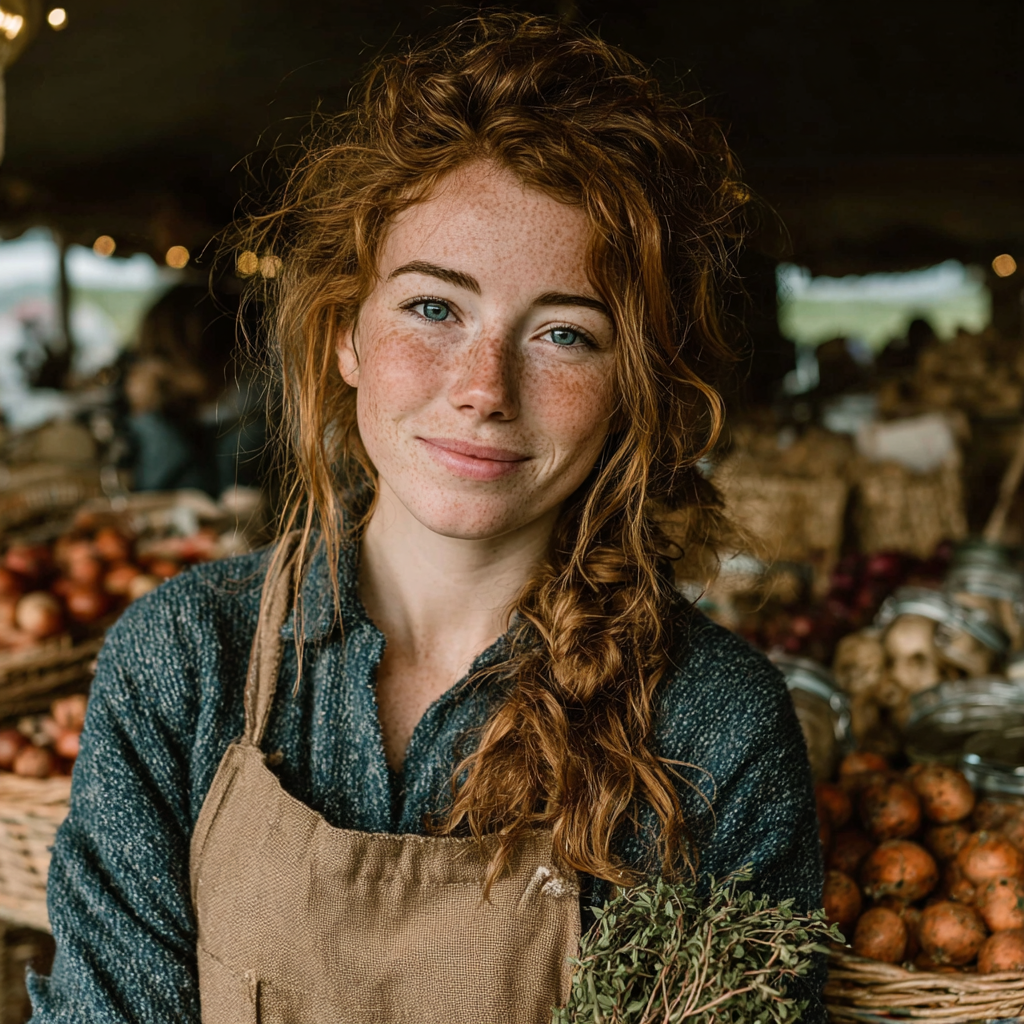
By Sophie Brennan
Irish food writer and historian based in Lisbon. Sophie combines her background in medieval history with a passion for contemporary gastronomy. She has written for Condé Nast Traveller and authored two cookbooks exploring Celtic and Iberian culinary traditions.