
Eindhoven Unfiltered: How a Lightbulb Factory Created Europe's Most Unexpected Design Capital
By Finn O'Sullivan
The first time I stepped out of Eindhoven Centraal, I thought the city had made a mistake. Where were the canals? The gabled houses? The postcard charm that sells the Netherlands to the world? Instead, I found a plaza of glass and steel, a station that looked like it had been designed by someone who really, really liked geometry. I had come from Amsterdam that morning, and Eindhoven felt like a different country entirely.
That is the point. Eindhoven is not trying to be Amsterdam. It is not trying to be anywhere else. This is a city that was built by a single company, remade by its own children, and turned into something that does not fit any category you have seen before. A city where a red-brick factory that once built military radios now hosts vegan food markets and experimental art installations. Where the local dialect is having a renaissance because the young people decided their grandparents' language was cooler than standard Dutch. Where the biggest museum in town collects Russian avant-garde art and contemporary political installations with equal enthusiasm.
I spent five days here in March 2026, walking the factory floors, drinking in brown cafés where the regulars still speak Brabants, and talking to designers who came to study at the Design Academy and never left. What I found was not a city with culture. I found a city that is culture in the most literal, physical sense—every brick, every café, every LED installation is part of a story about transformation. And like all good stories, it starts with a single lightbulb.
The Philips Legacy: One Company, One City
The Lightbulb Moment That Built Everything
In 1891, Gerard Philips and his father Frederik opened a small incandescent lamp factory on Emmasingel. At the time, Eindhoven was a provincial town of roughly 5,000 people, the kind of place a train might pass through without stopping. By the 1920s, Philips had become one of the largest electronics companies on earth, and Eindhoven had exploded to over 100,000 residents. Gerard had deliberately chosen Eindhoven because the local Brabant labor force was known for being skilled, Catholic, and willing to work for wages lower than Amsterdam's. He was not being generous. He was being practical. And in doing so, he created one of the most unusual company towns in European history.
Philips did not merely employ Eindhoven. It built the houses, funded the schools, established the hospitals, and provided the entertainment. The Philips Stadium—still home to PSV Eindhoven football club—was a company initiative. The Philips Music Center was company-funded. When Philips employees went on holiday, they stayed at Philips holiday parks. When they got sick, they went to Philips hospitals. This was not capitalism as we know it today. It was a paternalistic system that created a civic culture where innovation, education, and community welfare were inseparable.
The Philips Museum tells this story properly. Housed in the original 1891 factory building on Emmasingel, it traces the evolution from carbon filament lamps to modern healthcare technology. The vintage radios are charming, the early X-ray machines are slightly terrifying, but what makes the visit essential is the original 1891 factory floor—still there, still smelling faintly of industry—and the interactive lighting lab where you can design your own LED installation.
- Address: Emmasingel 31, 5611 AZ Eindhoven
- Hours: Tuesday–Sunday 11:00–17:00 (also open Mondays during school holidays)
- Closed: King's Day (April 27), Christmas, New Year's Day
- Entry: €12.50 adults, €6.00 students and children 4–17, free for children under 4 and Museumkaart holders
- Do not miss: The original factory floor and the Mission Eureka multimedia family game
- Phone: +31 40 235 9030
Strijp-S: From Forbidden City to Creative Playground
The most visible legacy of Philips is Strijp-S, the former industrial complex that was once a restricted "forbidden city" where the company conducted secret radio and military research. The name comes from Philips's internal map designation—"Strijp S," where S stood for "signal." During World War II, this was a strategic target. Today it is Eindhoven's most vibrant cultural quarter, and the transformation is so complete that it feels like a metaphor for the entire city.
Walking through Strijp-S, you pass red-brick factory halls that now contain design studios, independent cinemas, and craft breweries. The MU Hybrid Art House at Torenallee 40-06 occupies a former industrial space and focuses on digital art, technology, and new media. Exhibitions here deliberately blur the line between art and design, and the programming is sharper than what you will find in many larger cities.
- Address: Torenallee 40-06, 5617 BD Eindhoven
- Hours: Tuesday–Sunday 11:00–18:00
- Entry: €12 adults
The Veemgebouw food hall is where Strijp-S's industrial past meets its social present. The building was once a Philips warehouse; now it houses STR'eat, a food-court concept with rotating vendors serving everything from Asian street food to Dutch bitterballen. It can get loud—there is often a DJ playing—but the energy is genuine, and the food is better than it needs to be.
On the third Sunday of each month, the FeelGood Market takes over Ketelhuisplein with vintage stalls, local art, and street food. The market runs 12:00–18:00 and is one of the best ways to see Strijp-S at full volume. Come hungry and bring cash—some vendors still do not take cards.
Do not leave Strijp-S without visiting The Pastry Club for a pastry and to admire the building itself, or stopping at Natlab, the independent cinema in a former Philips laboratory that hosts open-air film nights in summer.
Art, Architecture & the Edge of Taste
Van Abbemuseum: The City’s Cultural Conscience
The Van Abbemuseum is not what you expect in a mid-sized Dutch city. Its collection includes Picasso, Chagall, Kandinsky, and one of Europe's most significant holdings of Russian avant-garde art. But what defines the museum is its commitment to politically engaged contemporary work—exhibitions that challenge, that discomfort, that refuse to be merely beautiful.
The building itself embodies this tension. The original 1936 structure by A.J. Kropholler was one of Europe's first purpose-built modern art museums. The 2003 extension by Abel Cahen adds aggressive geometry and red accents that some locals still complain about. I think it works. The clash between the two buildings is exactly the right metaphor for Eindhoven: old and new forced into dialogue, neither winning, both necessary.
- Address: Stratumsedijk 2, 5611 ND Eindhoven
- Hours: Tuesday–Sunday 11:00–17:00; also open select holidays and during Dutch Design Week
- Closed: King's Day, Marathon Eindhoven day (check dates), Christmas Day
- Entry: €16 adults, €8 students and CJP cardholders, free for children under 13, family pass (2 adults + max 3 children) €32
- Free entry: Every Tuesday 15:00–17:00, first Sunday of each month, Museumkaart and Rembrandt pass holders
- Do not miss: The El Lissitzky collection and the museum bookshop—one of the best art bookshops in the Netherlands
- Phone: +31 40 238 1000
The Evoluon & Next Nature Museum
The Evoluon is Eindhoven's most recognizable landmark—a flying saucer-shaped building that opened in 1966 as a Philips technology museum. Designed by Louis Kalff and Leo de Bever, it embodied the 1960s faith that technology would solve everything. Today it houses the Next Nature Museum, which opened in 2024 and explores the future of food, technology, and human identity through immersive exhibitions.
The irony is perfect. The building that once celebrated technological optimism now hosts a museum that asks whether that optimism was misplaced. The RetroFuture exhibition examines how past generations imagined the future, while Spacefarming explores food cultivation in space. It is surprisingly child-friendly—my visit included a three-hour stay that felt like half that.
- Address: Noord Brabantlaan 1A, 5652 LA Eindhoven
- Hours: Wednesday–Sunday 11:00–17:00; also open Mondays and Tuesdays during school holidays
- Entry: €17.50 adults, €8.50 students/teens 13–17, €5 children 4–12, free under 3 and Museumkaart holders
- Parking: €2/hour, max €10/day
- Getting there: Bus 401, 402, or 403 from Central Station to "Evoluon" stop (7 minutes)
The Blob and Modern Eindhoven
Eindhoven's city center contains some of the Netherlands' most divisive contemporary architecture. The Blob (Binary Linear Object Building) by Italian architect Massimiliano Fuksas is a glass structure of organic, amorphous shape that looks like it landed from another planet. Locals either love it or hate it. There is no middle ground. That is Eindhoven in a sentence.
The De Admirant tower continues this modern aesthetic. Nearby, Sint-Catharinakerk (St. Catherine's Church) on Markt 1 provides the counterpoint—the original medieval church was destroyed in World War II, and the current building (completed 1967) deliberately incorporates modern elements while maintaining traditional proportions. The result is a church that feels honest about its damage and its rebirth.
- St. Catherine's Church: Markt 1, 5611 EC; open Tuesday–Saturday 10:00–17:00
The Brabant Soul: Carnival, Dialect & Brown Cafés
Regional Identity in a Company Town
Eindhoven sits in the province of North Brabant, and this regional identity is not decorative—it is foundational. Brabanders are known for a "Burgundian" lifestyle that emphasizes good food, good drink, and prolonged socializing. The local dialect, Brabants, was suppressed for generations by the Dutch state, which promoted standard Dutch as the language of education and advancement. In Eindhoven, where Philips required a standardized workforce, the dialect faded faster than in rural villages.
But Brabants is having a renaissance. Young Eindhoven residents are learning it as an act of cultural reclamation. You will hear it in traditional brown cafés, at the weekly markets, and during Carnival, when the city temporarily renames itself "Lampegat" (Lamp Hole)—a self-deprecating reference to its lamp-making history.
Carnival is the key to understanding Brabant culture. In the days leading up to Ash Wednesday, Eindhoven transforms with parades, costumes, and music that has nothing to do with the orderly Netherlands of popular imagination. The city becomes loud, messy, and temporarily ungovernable. If you want to see the real Eindhoven—the one that exists beneath the design polish—come during Carnival.
- When: February/March (dates vary with Easter)
- Duration: 3–5 days
- Tip: Book accommodation months in advance; the city fills completely
Brown Cafés and the Art of Gezelligheid
A brown café is not a bar. It is a social institution. The walls are stained by decades of tobacco smoke (even after smoking bans, the color remains), the furniture is older than most patrons, and the conversation is the main entertainment. In Eindhoven, brown cafés are where the Brabants dialect survives, where regulars have assigned seats, and where strangers are welcomed slowly but genuinely.
Stratumseind is the longest pub street in the Netherlands—over 50 bars and restaurants packed into 225 meters. It is famous for nightlife, but visit during late afternoon, before the crowds arrive, and you will find brown cafés where the bartender remembers your order from yesterday. The architecture ranges from traditional Dutch to ultra-modern, and the blend is exactly Eindhoven's cultural DNA.
Design Capital: When the City Becomes a Gallery
Dutch Design Week
Every October, Eindhoven hosts Dutch Design Week (DDW), the largest design event in Northern Europe. For nine days, the entire city becomes a showcase—exhibitions in former factories, churches, private homes, and street corners. What distinguishes DDW from Milan or London is its emphasis on process over product. You will see prototypes that do not work yet, experiments that might never work, and concepts that challenge whether "working" is the right criterion.
The Graduate Show at the Design Academy Eindhoven is the week's highlight. The academy consistently ranks among the world's top design schools, and its alumni include Hella Jongerius, Maarten Baas, and Piet Hein Eek. The school building, designed by Mecanoo architects at Emmasingel 14, is not generally open to visitors, but the surrounding area features student work in shop windows and public installations year-round.
- When: Late October (check ddw.nl for exact dates)
- Entry: Many exhibitions free; passe-partout tickets available for special events
- Tip: Book accommodation 3–4 months in advance; the city fills completely
GLOW Eindhoven
Every November, GLOW transforms Eindhoven into an open-air museum of light art. International artists create installations using projection, LED, and technology, and the festival draws over 750,000 visitors. It is the perfect expression of Eindhoven's identity as the "City of Light"—not the romantic Parisian version, but something more technical, more experimental, and occasionally more beautiful.
The Blob is often used as a projection surface during GLOW, turning its controversial shape into a canvas. The festival is free, which means it is crowded. Weekday evenings are significantly more pleasant than weekends.
- When: Early to mid-November (check gloweindhoven.nl)
- Entry: Free
- Duration: 5–7 days
- Tip: Bring layers; November evenings in Brabant are cold, and you will be outside for hours
Where to Eat: Design Meets Dinner
Eindhoven's food culture mirrors its design culture—innovative, occasionally pretentious, but genuinely committed to doing things differently. The city has embraced New Dutch Cuisine, but it also respects tradition. A three-course menu at a design-forward restaurant might be followed by a €3.50 portion of oorlog fries from a street vendor. That combination is exactly right.
Strijp-S Dining
De Kazerne (Piet Hein Eekstraat 1) is a restaurant and art exhibition in one. The space is decorated in black and charcoal, the art changes regularly, and the three-course chef's menu costs approximately €44. Wine by the glass runs €7–10. It is more expensive than most Eindhoven restaurants, but the atmosphere is genuinely special—this is a place where the design and the food are equals.
Het Ketelhuis (Ketelhuisplein 1) occupies a renovated Philips building and serves rotating three-course meals on the ground floor while hosting events upstairs. The waiters explain the weekly menu while sitting at your table, which sounds intrusive but feels intimate. The summer terrace is one of the best in the city. Main courses €22–28.
Piet Hein Eek (various locations, currently at Halvemaanstraat) is the restaurant of Eindhoven's most famous furniture designer. The space doubles as a showroom for his work, and lunch is the best time to visit—production is open, and you can watch craftspeople at work while eating. Lunch €15–22.
City Center & Kleine Berg
De Vooruitgang (Markt 11) is a local institution that burned down and reopened with one of the prettiest interiors in Eindhoven—walls decorated with wine bottles, plants, and actual rugs. It is primarily a drinks destination, but the food is solid. On Friday nights, the back room becomes a club. Come early on weekends or do not come at all.
Welp (Kleine Berg 5) is a golden-oldie on one of Eindhoven's most atmospheric streets. The round tables are perfect for groups, the service is professional without being formal, and it is an ideal starting point for an evening of bar-hopping along the Kleine Berg.
Le Cozy (Kleine Berg 14) has bistro chairs and a terrace made for people-watching. The menu is classic French, which makes it an outlier in Eindhoven—but a pleasant one.
Specialty Beer & Coffee
Van Moll and Stadsbrouwerij are the two essential craft beer cafés. Both brew in the Eindhoven region, both are low-key and unpretentious, and both represent the city better than any tourist-oriented bar could. Van Moll has board games. Stadsbrouwerij serves simple, good meals alongside its beers.
For coffee, CoffeeLab (various locations, including Strijp-S) serves excellent specialty coffee in industrial settings that double as co-working spaces. Day Dream (if you find one, they are expanding) is the local specialty coffee chain to watch.
What to Skip
1. The Scheveningen Pier comparison. Eindhoven is not Amsterdam, Rotterdam, or Utrecht. If you are looking for canal rings or historic grandeur, you are in the wrong city. The charm here is industrial, not picturesque. Skip the disappointment by adjusting your expectations before arrival.
2. Chain restaurants on Markt. The historic market square has several laminated-menu establishments serving identical international food at inflated prices. Walk five minutes to the Kleine Berg or Strijp-S and eat something actual locals chose.
3. GLOW on weekend nights. The festival is magical, but Saturday evening crowds can make it impossible to see installations properly. Come on a Tuesday or Wednesday, or arrive before 18:00 on weekends.
4. DDW without a plan. Dutch Design Week covers the entire city, and wandering randomly will leave you exhausted and confused. Download the DDW app, pick three must-see exhibitions, and accept that you will miss everything else.
5. The DAF Museum unless you care about trucks. It is a quality museum—€9 entry, Tongelresestraat 27, open Tuesday–Sunday 10:00–17:00—but the collection is niche. If you are not interested in automotive history, skip it and spend that time at Strijp-S.
6. Stratumseind after midnight on weekends. The street becomes a concentrated mass of drunken energy that even locals avoid. Visit before 22:00 for the atmosphere; after that, the gezelligheid turns into something less charming.
Practical Logistics
Getting There
By train: Eindhoven Centraal is served by intercity trains from Amsterdam (€24–28, 1h 20min), Rotterdam (€20–24, 1h), Utrecht (€18–22, 50min), and Maastricht (€16–20, 1h). The station is a 10-minute walk from the city center.
By plane: Eindhoven Airport (EIN) is 15 minutes from the center by bus. Lines 400 and 401 depart every 10–15 minutes from the north side of Central Station. A single bus ticket costs approximately €4.
By bus (international): FlixBus stops at John F. Kennedylaan 2, just outside Central Station.
Getting Around
Eindhoven is a "15-minute city"—everything is accessible by bike. Rent a bicycle from the station or use the city bike-share system. If you prefer public transport:
- OV-chipkaart: The anonymous card costs €7.50 and works on all buses and trains. Top up at station machines.
- OVpay: Contactless payment with your bank card or phone. No card purchase needed, same fares.
- Bus to Strijp-S: Lines from Central Station take 7–10 minutes. A single journey costs approximately €2–3.
- Strijp-S train station: Direct trains from Eindhoven Centraal, €1, 3 minutes.
Walking is also entirely viable—the city center, Strijp-S, and the museum quarter are all within comfortable walking distance.
Budget Framework
- Street food/snack: €4–8 (fries, herring, market food)
- Casual lunch: €12–18
- Casual dinner: €18–28
- Mid-range restaurant: €35–50 (three courses with wine)
- Museum entry: €12–17.50
- Coffee: €2.80–4.00
- Beer (café): €4–6
- Beer (brown café): €3.50–5.00
Best Times to Visit
- October: Dutch Design Week—essential for design enthusiasts, but book accommodation 3–4 months ahead.
- November: GLOW light festival—magical and free, but cold. Bring layers.
- February/March: Carnival—experience the real Brabant culture, but book far ahead.
- April–September: Pleasant weather, outdoor terraces open, markets active.
- Year-round: Museums and Strijp-S operate regardless of season.
Language & Tipping
English is widely spoken, especially in design and tech circles. Learning a few Dutch phrases is appreciated:
- "Dank je wel" (Thank you)
- "Alstublieft" (Please)
- "Proost" (Cheers)
Tipping is not obligatory. Service is included in bills. Round up or leave 5–10% for excellent service.
About the Author
Finn O'Sullivan is an Irish storyteller and folklorist who hunts for the narratives that do not make guidebooks—the pub legends, the family feuds, the neighborhood heroes. He has spent the last decade wandering post-industrial cities across Europe, looking for the human stories behind urban transformation. In Eindhoven, he found a city that wears its reinvention on every brick, where the old factory walls still remember what they were and the people inside have decided to build something entirely new. He believes every street corner has a story if you know who to ask—and in Eindhoven, the street corners are louder than most.
Finn O'Sullivan spent five days in Eindhoven in March 2026, drinking in brown cafés where the Brabants dialect still lives, walking factory floors that now host art installations, and talking to designers who came for school and stayed for life.
Why Eindhoven Matters
This city does not preserve its past in amber. It actively reshapes it. The Philips factory that built radios for the resistance during World War II now houses a food hall where you can eat Korean barbecue while a DJ plays techno. The restricted industrial zone that required employee passes now hosts monthly markets where anyone can wander in. The dialect that was supposed to die is being taught in evening classes by people who grew up speaking standard Dutch.
Eindhoven is not beautiful in the conventional sense. It is interesting in a deeper one. It is a working model of how a city can lose its original purpose and find a new one without forgetting where it came from. The lightbulb factory is still there. It is just making different kinds of light now.
That is not tourism. That is a lesson. And like all the best lessons, it comes with good beer, better design, and the occasional Carnival parade where the entire city pretends to be called Lamp Hole for three days. Eindhoven does not ask you to love it. It dares you to understand it. Take the dare.
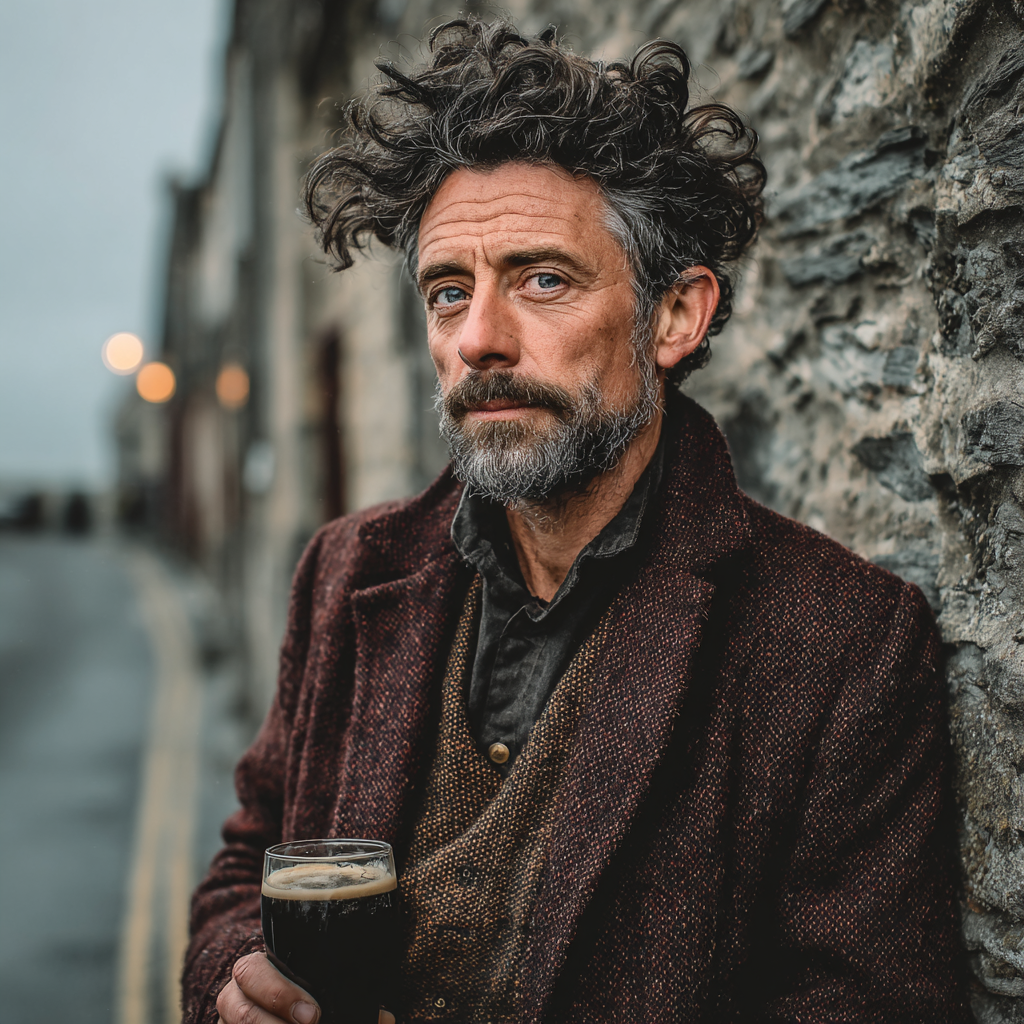
By Finn O'Sullivan
Irish storyteller and folklorist. Finn hunts for the narratives that do not make guidebooks—the pub legends, the family feuds, the neighborhood heroes. He believes every street corner has a story if you know who to ask.