
Eindhoven Under €50: A Factory City Reinvented Itself—and Your Wallet Can Too
By James Wright
Budget travel expert and former hostel owner. James has visited 70+ countries on shoestring budgets, mastering the art of authentic travel without breaking the bank. His mantra: "Expensive does not mean better—it just means different."
I came to Eindhoven by accident. A missed connection in Amsterdam, a €19 FlixBus ticket south, and suddenly I was standing outside a train station surrounded by buildings that looked like they had been designed by someone who had never heard the word "budget." Glass towers, designer furniture stores, a giant glowing Philips sign. I assumed I'd blown my week's allowance in an hour.
I was wrong. Eindhoven is the cheapest city in the Netherlands that doesn't feel cheap. While Amsterdam charges you €6 for a coffee and stares at you while you drink it, Eindhoven gives you world-class design museums for free, feeds you Michelin-quality sandwiches for €7, and lets you sleep in a design hostel for €35. The Dutch call this city "De Lichtstad"—The City of Light—because Philips made light bulbs here for a century. But for budget travelers, it's the city of light prices.
This is not a place that tolerates its industrial past; it celebrates it. Former factories are now free art galleries. Workers' canteens are now craft beer bars where the cheapest option is brewed on-site. Even the homeless shelters look like architectural statements. Here is how to experience Europe's most underrated design city for under €50 a day—without feeling like you're missing anything.
The Free Museums: Where Philips' Money Went
Van Abbemuseum
Address: Stratumsedijk 2, 5611 NH Eindhoven
Hours: Tuesday–Sunday 11:00–17:00 (closed Mondays)
Admission: €16 adults, €8 students, free for under-13s and Museumkaart holders
If you only pay for one museum in Eindhoven, make it this one. The Van Abbe is what happens when a lightbulb fortune gets spent on Picasso and Mondrian instead of yachts. The collection spans El Lissitzky's constructivist wonders to contemporary installations that will make you say "I could do that" (you couldn't).
The building itself is a masterpiece of old-meets-new: a 1936 granite facade married to a glass-and-steel extension that hovers over the Dommel River. Take the free audio guide—it's actually good, narrated by curators who sound like they're letting you in on secrets. Don't miss the tower room with its panoramic view over the city's rooftops; it's the best free viewpoint in Eindhoven.
Budget hack: Every first Thursday evening of the month, admission is free from 17:00–21:00. Time your visit right and save the €16 for dinner.
DAF Museum: Trucks, but Make It Art
Address: Tongelresestraat 27, 5613 DA Eindhoven
Hours: Tuesday–Sunday 10:00–17:00 (closed Mondays)
Admission: €9 adults, €7 students, free for under-13s
I know what you're thinking. A truck museum? For nine euros? Trust me. DAF started here in 1928 as "Van Doorne's Aanhangwagen Fabriek" (trailer factory), and this museum in the original factory complex is a love letter to Dutch engineering. The vintage cars from the 1950s and 60s are gorgeously preserved—turquoise paint jobs, tail fins, interiors that look like Mad Men props. The truck simulator lets you drive a virtual DAF through the city (free with admission), and the history of the continuously variable transmission (CVT) is actually fascinating, I promise.
PreHistorisch Dorp: Time Travel on a Shoestring
Address: Boutenslaan 161B, 5644 TV Eindhoven
Hours: Tuesday–Sunday 10:00–17:00 (closed Mondays)
Admission: €16.50 adults, €13 children 4–12
This open-air museum reconstructs 15,000 years of human habitation in the Brabant region. Iron Age farmers, medieval blacksmiths, Viking traders—they're all here, played by actors who take their smithing very seriously. You can grind grain, throw spears, and learn to start a fire without matches (a skill that will definitely impress people at parties). It's cheesy in the best way, and the hands-on approach means you learn by doing, not by reading placards.
The math: DAF (€9) + Van Abbe (€16) + PreHistorisch Dorp (€16.50) = €41.50. All three are free with the Museumkaart (Dutch Museum Card, €75/year), so if you're touring the Netherlands for more than a week, the card pays for itself quickly.
The Neighborhoods: Where to Wander Without Spending
Strijp-S: The Factory That Became a City
Ten minutes south of the center by bike, Strijp-S is Eindhoven's crown jewel of urban reinvention. This was Philips' main factory complex—a city within a city where 12,000 workers once manufactured radios and televisions. When production moved overseas in the 1990s, the red-brick factory halls could have become ruins. Instead, they became something better.
Now, Strijp-S is a creative quarter where design studios occupy former assembly lines, and the workers' cafeteria (Het Veem) is now a food hall serving €6 Vietnamese banh mi. The old Testlab building hosts free exhibitions during Dutch Design Week and cheap gigs year-round. The iconic white "S" logo on the water tower still looms over everything, a reminder that this place used to make the future.
Don't miss: The murals. Strijp-S has one of Europe's densest collections of street art, including works by Studio Giftig and international artists who came for the annual Step in the Arena festival (June). Download the free Strijp-S app for a self-guided mural tour.
Getting there: Bus 401, 402, or 403 from the station (€1.90 with OV-chipkaart), or rent a bike and pedal down the Vestdijk.
Witte Dame and the Design District
The Witte Dame (White Lady) on Emmasingel is exactly what it sounds like—a white porcelain palace that once served as Philips' lamp factory. Today it houses the Design Academy Eindhoven, the public library, and several cafes. On Wednesdays and Saturdays, the square outside hosts a market (Markt op het Kardinaal van Rossumplein) where you can buy €3 stroopwafels still warm from the iron.
Walk down Rechtestraat and you'll pass De Bergen, the old artists' quarter where narrow streets like Bergstraat and Dommelstraat hide independent boutiques, vintage shops, and cafes that haven't raised their prices since 2015. Café De Bergen (Kleine Berg 35) serves a budget lunch special for €9.50 that includes soup, bread, and coffee.
The City Center: Modernist Dutch Style
Eindhoven's center was rebuilt after WWII in that clean, functionalist Dutch style—lots of glass, steel, and open squares. It lacks the medieval charm of Amsterdam, but that's the point. This is a working city, not a museum. The Piazza shopping center has free Wi-Fi and public seating if you need to regroup. The Blob (Binary Large Object) on the Emmasingel is a glass bubble building that looks like a dropped water droplet—worth a photo, free to admire.
Eating Well for Under €15
Lunch: The Friture Culture
The Dutch fry their food with the seriousness of the French, and Eindhoven has excellent frite shops. The frite shops near the station do a cone of twice-fried potatoes with mayonnaise for around €4.50. Add a kroket (deep-fried ragout, crispy outside, molten inside) for about €2.50. It's not health food; it's happiness food. The snackbars along Vestdijk are where locals go after the bars close—the "kapsalon" (fries topped with shawarma, melted cheese, and garlic sauce) runs about €8 and feeds two.
Dinner: World Cuisine on a Budget
Eindhoven's immigrant communities have created a surprisingly diverse food scene. The Turkish bakeries and takeaways around Kerkstraat serve lahmacun (crispy flatbread with minced lamb and herbs) for around €5, and the Surinamese lunch spots near Stratumsedijk do a filling roti with chicken for roughly €9. Suriname's Dutch-Creole cuisine—spicy, generous, and the best value in town.
For something more upscale but still affordable, Down Town Gourmet Market (Smalle Haven 2–14) is a food hall in a former car showroom. Twelve vendors share a space with long communal tables. You can get artisanal burgers, Indonesian rijsttafel, or handmade pasta for €10–€14 per person. The industrial-chic setting—exposed brick, Edison bulbs, vintage motorcycles hanging from the ceiling—makes it feel like a splurge.
Grocery hack: Albert Heijn (Markt 35) and Lidl (Vestdijk 12) are centrally located. A loaf of bread, Dutch cheese (€3), and a bottle of local beer (€1.50) makes a riverside picnic on the Dommel for under €8.
Coffee: Third Wave Without the Price Tag
Espresso bars in De Bergen (the arts-quarter streets around Kleine Berg and Bergstraat) pour single-origin filter coffee for €3–€3.50—half what you'd pay in Amsterdam. The specialty spots here roast their own beans, and the baristas will talk your ear off about processing methods if you let them.
Drinking Like a Local: Cheap Beer, Real Character
Eindhoven's craft beer scene punches above its weight. Van Moll (Aalsterweg 224, just east of the center) is the city's pioneering craft brewery, housed in a former workshop. Their core IPA costs around €4.50, and the brewpub serves platters of local cheese for about €7. The atmosphere is pure Eindhoven—industrial chic, no pretension, engineers arguing about hop varieties at the bar.
The brown cafés around Dommelstraat are the old-school Dutch kind—dark wood, stained glass, beer-soaked floors. The classic 'kroeg' on Wilhelminaplein has been pouring draft lager for over a century; during happy hour (typically 17:00–19:00) a beer runs about €3.
For nightlife, Effenaar (Dommelstraat 2) is the legendary music venue where Radiohead played before they were famous. Cover charges vary (€5–€20), but the bar upstairs is free to enter and has local DJ sets on weekends. During Dutch Design Week, it hosts free lectures and exhibitions.
Sleeping Cheap: Design Hostels and Budget Hotels
Eindhoven's accommodation is half the price of Amsterdam's, but you still need to book early during Design Week (October) and GLOW (November).
Stayokay Eindhoven is the city's design-conscious hostel, a short trip from the center. Beds in shared dorms typically run €35–€45, and the common areas alone—part industrial heritage, part modern Dutch design—are worth a look even if you don't sleep there.
Boutique Hotel Lumière (Hooghuisstraat, in the heart of the center) offers compact doubles from around €75–€90. It occupies a former cinema, and breakfast includes local specialties.
Campanile by the airport offers practical rooms from around €60, often including parking—a smart pick if you have an early flight.
Pro tip: Eindhoven Airport is a major low-cost carrier hub. If you have an early departure, sleeping airside-adjacent beats a 4 AM bus from Amsterdam.
When to Visit: Timing is Everything
September is my favorite month. The weather is still mild, the Design Academy students have returned (giving the city creative energy), and the Lichtjesroute (Route of Lights, 18 September–11 October 2026) illuminates the suburbs. This 22-kilometer driving and cycling route, lit by thousands of small lights in artistic installations, commemorates the liberation of Eindhoven in 1944. The route is free—rent a bike (€8/day) and follow the glowing path through neighborhoods you'd never otherwise see. On the opening night (18 September), the city holds a parade and the lights switch on at 19:00.
October brings Dutch Design Week (17–25 October 2026), the largest design event in Northern Europe. Over 2,600 designers show their work in factories, garages, and vacant shops across the city. Many exhibitions are free; some require tickets (€10–€15 for major shows). Book accommodation months in advance—prices triple.
November hosts GLOW Eindhoven (7–14 November 2026), a free light art festival that turns the entire city center into an open-air museum after dark. From 18:30 to 23:00, international artists project installations onto buildings, churches, and parks. The theme for 2026 is "Connect." Bring a thermos of coffee and walk the 5-km route; it's magical, and it costs nothing.
Avoid: Late January and February, when the Dutch winter is gray and rainy, and many outdoor attractions are closed.
Day Trips Worth the Bus Fare
If you have an extra day, Eindhoven's location in Brabant makes it a perfect base for exploring the province.
Nuenen: Van Gogh's Village (10 minutes away)
Bus 6 from the station runs frequently (about €2.50, 12-minute ride)—check the Hermes/Bravo app for live times. Vincent van Gogh lived here from 1883 to 1885, and the entire village is an open-air museum dedicated to his Nuenen period. The Van Gogh Village Museum (Berg 29, open daily 10:00–17:00 except Mondays; €16 adults, kids under 18 free, free with Museumkaart) traces his life here through the people and places that appeared in his early masterpieces. This is where he painted The Potato Eaters, and the museum's Vincents Lichtlab (built with ASML, Eindhoven's tech giant) lets you experiment with light and color exactly as Vincent did.
The real magic is outside: 24 outdoor locations are marked with free information panels, including the water mill at Opwetten, the church he painted twice, and the vicarage where he lived. Follow the free Vincents Lichtroute app for a self-guided walk. You can see the whole village in half a day and easily stay under €20 including lunch at one of the brown cafes on Berg.
's-Hertogenbosch: The Medieval Counterpoint (25 minutes away)
If Eindhoven is the future, 's-Hertogenbosch (Den Bosch) is the past. Trains run every 15 minutes (€8.20 each way, 25 minutes). The city's St. John's Cathedral (free entry, €5 tower climb) is a Gothic masterpiece covered in grotesque carvings. Take a boat tour of the Binnendieze—the canal network under the city—for €10.50, and eat a Bossche Bol (giant chocolate-covered cream puff, €4) at Jan de Groot (Torenstraat 9), where locals have been buying them since 1936.
Combined day trip cost: Train €16.40 + cathedral tower €5 + boat €10.50 + pastry €4 = €35.90. Worth every cent.
What to Skip
- The PSV Stadium Tour: Unless you're a die-hard football fan, the €15 tour of Philips Stadion is underwhelming. The exterior architecture is more interesting than the locker rooms.
- Artificial Intelligence Center (De Hub): Overhyped and often closed for private tech events.
- Expensive "Concept Stores": The design shops on Rechtestraat sell €200 lamps and €50 notebooks. Look, don't buy.
- The "Eindhoven" Sign: It's just a small red-letter sign near the station. Take a photo if you happen to walk by, but don't make a special trip.
- Taxi Rides: The city is compact. Everything is walkable or bikeable. Taxis are €3/km—an unnecessary luxury.
Practical Logistics
Getting There:
Eindhoven Airport (EIN) is 15 minutes from the city by bus 401 (€1.90). It's a Ryanair hub with cheap flights from across Europe. The train station has direct connections to Amsterdam (1h20m, €17), Utrecht (50m, €13), and Maastricht (1h, €15).
Getting Around:
Rent a bike from one of the rental shops near the station (typically €8–€12/day). The city is flat, bike lanes are excellent, and parking is free. For public transport, use OVpay—simply check in and out with your contactless bank card or phone on regional buses and NS trains. No card purchase needed.
Money:
Credit cards are accepted everywhere, but carry some cash for markets. Tipping is not mandatory—round up for good service.
Language:
Everyone speaks English. Dutch is appreciated but not necessary. Learn "Dank je wel" (thank you) and you'll make friends.
Safety:
Eindhoven is very safe. Standard urban awareness applies at night around the Stratumseind bar street, which can get rowdy on weekends.
Eindhoven doesn't ask for your money. It asks for your curiosity. Give it that, and you'll leave with change in your pocket and a new appreciation for what a factory town can become when it stops making products and starts making culture. The lightbulb factory is gone. The light remains. And for once, it's not priced at a premium.
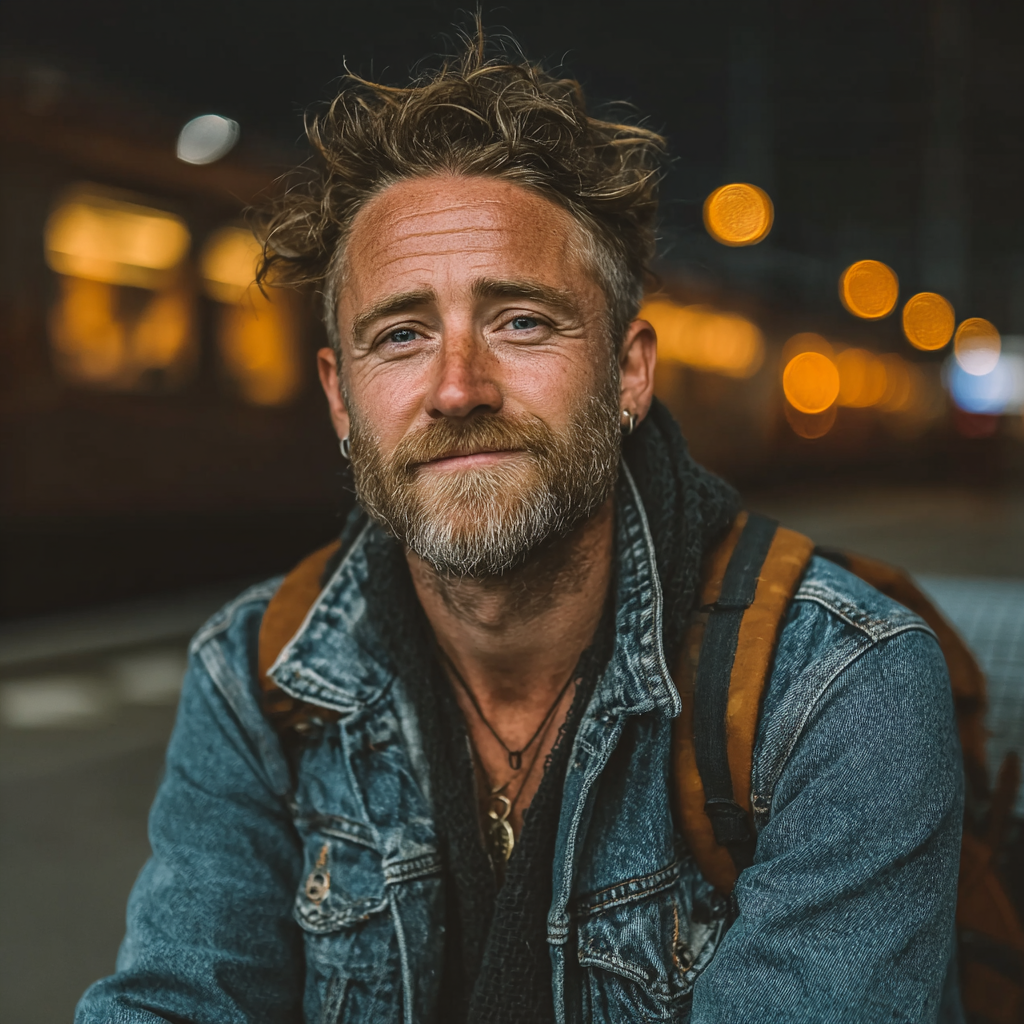
By James Wright
Budget travel expert and former backpacker hostel owner. James has visited 70+ countries on shoestring budgets, mastering the art of authentic travel without breaking the bank. His mantra: "Expensive does not mean better—it just means different."