
Eindhoven: Inside the Factory City That Rebuilt Itself in Glass and Light
I came to Eindhoven for the Blob. That absurd, amorphous glass structure by Massimiliano Fuksas sitting on 18 Septemberplein like a visitor from another dimension. I stayed for Strijp-S, where red-brick factory halls built for Philips radio production now house Design Academy graduates, craft breweries, and digital art labs. And I returned—three times now—because Eindhoven taught me something no other Dutch city has: that the most interesting architecture isn't the kind that preserves the past, but the kind that argues with it.
I'm Yuki Tanaka. I photograph buildings for a living—Monocle, Dezeen, Wallpaper—and I usually work in cities where heritage means protection. Kyoto's wooden machiya. Copenhagen's brick warehouses. Eindhoven flipped that script. Here, heritage means transformation. The city didn't preserve its industrial skeleton; it reanimated it. Every building I shot here has two lives: what it was built for, and what it became. That tension is what makes Eindhoven the most photographically honest city in the Netherlands.
Strijp-S: Where the Forbidden City Went Public
Strijp-S was once a restricted zone. Philips employees needed passes to enter. The company manufactured radio components, vacuum tubes, and eventually television sets behind these brick walls. When manufacturing left for Asia in the 1990s, Eindhoven had a choice: demolish 270,000 square meters of industrial architecture, or reimagine it. They chose reimagination.
Today, Strijp-S is the city's creative cardiovascular system. The Anton Building—formerly the heart of Philips radio production, with its distinctive clock tower—now contains apartments and studios. Microlab, housed in a factory hall where thousands once assembled electronics, is a workspace for startups and freelancers. The architecture remains almost brutally honest: exposed brick, industrial trusses, factory windows. Nothing is prettied up. The building's new function doesn't hide its old one.
Ketelhuisplein, the central square, takes its name from the former boiler house (ketelhuis) that powered the complex. On weekends it fills with design markets, food trucks, and students from the Design Academy testing public installations. The square's physical character hasn't changed much—the paving, the industrial scale, the loading bays—but its social function has inverted completely. What was once infrastructure is now public space.
MU Hybrid Art House sits in a former factory building at Torenallee 40-06. The exhibitions here—digital art, technology hybrids, new media—transform five or six times a year, which means even repeat visitors encounter new work. The industrial architecture provides a striking counterpoint: raw brick walls behind projection mapping, factory windows framing LED installations. The building itself becomes part of the curatorial statement.
- Location: Torenallee 40-06, 5617 BD Eindhoven
- Hours: Mon-Fri 10:00-18:00, Sat 12:00-18:00, Sun 12:00-17:00
- Entry: €7.50 regular, €5 students, €4 CJP card, free under 18
- Photography policy: Check current exhibition rules—some installations restrict camera use
Radio Royaal occupies what was once a Philips transformer building at Ketelhuisplein 10. The interior preserves high ceilings, exposed ductwork, and vintage industrial lighting. But the food is contemporary—French and German-influenced plates served in a space that still carries the weight of its electrical past. There's a foosball table and air hockey in the back, which sounds absurd until you realize it fits the building's new identity: serious about food, unserious about everything else.
- Location: Ketelhuisplein 10, 5617 AE Eindhoven
- Hours: Tue-Sat 17:00-22:00
- Price: €39 for three courses, €12 appetizers, €23.50 mains
- Reservation: Recommended for dinner, especially during Dutch Design Week
For a more casual Strijp-S meal, Down Town Gourmet Market at Smalle Haven 2-14 gathers nineteen vendors under one roof. The building itself is nothing special—a converted warehouse—but the variety is: Korean barbecue next to Neapolitan pizza next to Indonesian rijsttafel. The architecture matters less here than the social density. This is where Eindhoven's international workforce—Philips engineers, Design Academy students, ASML technicians—actually eats together.
- Location: Smalle Haven 2-14, 5611 EJ Eindhoven
- Hours: Fri-Sat 12:00-00:00, Sun-Thu 12:00-23:00, closed Mondays
- Price: €10-15 per meal
If you're photographing Strijp-S, come at twilight. The industrial windows catch the last light differently than Amsterdam's canal houses. These buildings were designed for maximum interior illumination, which means the glass panels are enormous. At golden hour, the brick facades warm up and the window grids create geometric shadows across Ketelhuisplein. I once spent two hours photographing the same wall as the light shifted. A local designer sat down next to me, offered coffee from a thermos, and said: "You're waiting for the building to look honest. It only does that twice a day."
Buildings That Refuse to Be Backgrounds
Eindhoven's city center architecture doesn't politely blend in. It insists on being looked at.
The Blob is the most obvious example. Massimiliano Fuksas's 2003 structure sits on 18 Septemberplein as an organic, amorphous glass form that seems to have landed among the more conventional buildings. It houses shops and connects to the underground bicycle parking. But its real function is provocation. After decades of Philips-driven functionalism, the Blob announced that Eindhoven was willing to be playful, even frivolous, about its built environment. Photograph it from across the square, with the more traditional buildings framing it. The contrast is the point.
- Location: 18 Septemberplein, 5611 AL Eindhoven
- Access: Free exterior, shops inside have regular hours
The Evoluon is Eindhoven's most recognizable silhouette. Louis Kalff designed this flying saucer-shaped building in 1966 as a Philips technology museum, and for locals it symbolizes the Space Age optimism that defined the company at its peak. Today it houses the Next Nature Museum, which explores the relationship between technology, nature, and humanity. The exhibitions inside are thoughtful, but for photographers and architects, the exterior is the main event. The building sits in a park setting, accessible by bike from the city center in about fifteen minutes.
- Location: Noord Brabantlaan 1A, 5652 LA Eindhoven
- Hours: Wed-Sun 11:00-17:00 (also open Mon-Tue during school holidays)
- Entry: €16 regular, €8 students
- Getting there: 15-minute bike ride from Strijp-S; OV-fiets at train station €4.15/day
The Van Abbemuseum is where Eindhoven's architectural story gets more complex. The original 1936 building was one of Europe's first purpose-built modern art museums—a sober brick structure by architect A.J. Kropholler. Then in 2003, architect Abel Cahen added an extension with geometric red forms that crash into the original building like a deliberate argument. The extension houses the main entrance now, which means visitors experience the clash immediately. The collection—Picasso, Chagall, Kandinsky, El Lissitzky—is exceptional, but I return for the building's conversation with itself.
- Location: Stratumsedijk 2, 5611 ND Eindhoven
- Hours: Tue-Sun 11:00-17:00
- Entry: €16 adults, €8 students, free first Sunday of each month
- Don't miss: The museum bookshop, which carries design and theory titles you won't find in Amsterdam
St. Catherine's Church (Sint-Catharinakerk) provides the necessary counterpoint. The original medieval church was destroyed in World War II; the current building from 1967 incorporates modernist elements while maintaining traditional ecclesiastical function. It's easy to overlook among the contemporary architecture, but it's essential to understanding Eindhoven's self-image. The city doesn't reject its history—it rebuilds it.
- Location: Markt 1, 5611 EC Eindhoven
- Access: Free entry, tower visits when open
Philips: The Company That Built a City
You cannot understand Eindhoven's architecture without understanding Philips. The company didn't just employ Eindhoven; it designed it. Housing, healthcare, entertainment, electricity—Philips determined the physical shape of daily life here for nearly a century.
The Philips Museum, housed in the company's first factory building from 1891 at Emmasingel 31, traces this evolution from Gerard Philips's carbon filament lamps to today's medical technology. The building itself is the exhibit: the original factory floor is preserved, and visitors can see how the production lines determined the building's proportions. The high windows, the loading docks, the brick patterns—all functional decisions that became aesthetic signatures.
- Location: Emmasingel 31, 5611 AZ Eindhoven
- Hours: Tue-Sun 11:00-17:00
- Entry: €12 adults, €9 students
- Phone: +31 40 235 9030
- Don't miss: The interactive lighting lab where you create your own installations
Witte Dame (White Lady), the former Philips radio factory at Emmasingel 14-16, now houses the Design Academy Eindhoven's public spaces, design shops, and cafes. The building's name comes from its white-tiled facade—originally a hygienic requirement for electronics manufacturing, now an accidental design signature. The cafe is excellent for watching students present work-in-progress to industry partners. The conversations you'll overhear are more revealing than any exhibition label.
- Location: Emmasingel 14-16, 5611 AZ Eindhoven
- Access: Public spaces and cafe generally open during business hours
The DAF Museum offers a different industrial narrative. Van Doorne's Aanhangwagen Fabriek started as a small blacksmith shop and grew into a major truck and car manufacturer. The collection includes vintage DAF cars and the innovative DAF 600 with its Variomatic continuously variable transmission—the first of its kind in production vehicles. The museum building itself is unremarkable, but the engineering story is pure Eindhoven: practical innovation driven by industrial necessity.
- Location: Tongelresestraat 27, 5613 DA Eindhoven
- Hours: Tue-Sun 10:00-17:00
- Entry: €9 adults
What strikes me about Eindhoven's industrial heritage is the absence of nostalgia. Amsterdam preserves its canal houses; Eindhoven repurposes its factories. The buildings aren't museums of themselves—they're functional spaces that happen to carry industrial memory. That attitude is visible in every brick. The city doesn't mourn Philips's manufacturing decline; it metabolized it.
Where Design Meets the Plate
Eindhoven's food scene carries the same design intelligence as its architecture. These aren't just restaurants in design districts—they're restaurants that understand their physical context.
De Vooruitgang on Markt 11 has been operating since 1893, and its Art Nouveau interior has been carefully preserved. It's the closest thing Eindhoven has to a traditional Dutch grand cafe, with high ceilings, brass fixtures, and a certain unhurried formality. The croquettes are proper—crispy exterior, creamy interior, served with mustard and bread. In a city obsessed with the future, De Vooruitgang stubbornly occupies the past.
- Location: Markt 11, 5611 EC Eindhoven
- Hours: Daily 10:00-01:00
- Price: €12-18 for lunch, €3.50-5 for bitterballen
Restaurant Wiesen holds a Michelin star and exemplifies New Dutch Cuisine—traditional ingredients reinterpreted through contemporary technique. The dining room is restrained, letting the food carry the design statement. This is where Eindhoven's innovation culture meets its agricultural hinterland. Reservations are essential, especially during Dutch Design Week when the international design community descends on the city.
- Location: Stratumsedijk 7, 5611 ND Eindhoven
- Hours: Wed-Sun 18:00-22:00
- Price: €75-100 for dinner
- Reservation: Book weeks in advance, especially mid-October
Stratumseind, the longest pub street in the Netherlands at 225 meters with over fifty bars, is where Eindhoven's social architecture reveals itself. The range is extraordinary: traditional brown cafes with regulars who have assigned seats, ultra-modern design bars with cocktail programs, student pubs with €2 beers. The architecture tells the social story. Start with dinner at 't Zusje for tapas-style sharing plates, then walk the length of the street to see how Dutch gezelligheid manifests across economic strata.
- 't Zusje location: Stratumseind 6, 5611 EN Eindhoven
- Price: €20-30 for dinner
- Best time: Thursday-Saturday evenings, when the street reaches maximum density
For a genuinely local breakfast experience, skip the hotel buffet and find a bakery in the Woensel neighborhood. Woenselse Market on Saturdays (08:00-17:00 at Woensel Markt, 5625 Eindhoven) sells stroopwafels still warm from the iron, herring with onions, and Indonesian spices that reveal the city's colonial connections. The market building itself is functional 1960s architecture, but the social life inside is where Eindhoven's working-class identity survives most visibly.
What to Skip
Eindhoven is compact and honest, but a few common visitor patterns waste time and money.
Don't book a generic canal cruise. Eindhoven doesn't have Amsterdam's canal ring, and any "canal tour" here is a thin substitute. The Dommel River runs through the city, but it's not the primary experience. Spend that time in Strijp-S instead.
Don't visit the Evoluon expecting a comprehensive science museum. The Next Nature Museum is thoughtful but focused—it's about technology-nature relationships, not general science. If you want broad interactive science, go to NEMO in Amsterdam. Come here for the architecture and the specific curatorial angle.
Don't eat on Markt square during weekday lunch rush. The terraces fill with office workers from nearby banks and insurance companies. The food isn't bad, but the atmosphere is generic business-district energy. Walk five minutes to Strijp-S or De Vooruitgang for something with actual character.
Don't skip the Design Academy graduation show if you're here in late October. Dutch Design Week transforms the entire city into an exhibition space. Individual locations charge for some events, but the atmosphere on the streets is free and extraordinary. The 2026 dates are October 17-25. Book accommodation six months ahead.
Don't expect Delftware or windmills. Eindhoven is not that Netherlands. If you need traditional Dutch postcard scenery, take a day trip to Kinderdijk or Zaanse Schans. Eindhoven's Dutch identity is industrial, technological, and design-forward. Arrive with those expectations.
Don't photograph the Blob at midday. The glass reflects harshly and the interior shops create visual clutter. Come at dawn or dusk, when the organic curves catch the ambient light and the surrounding buildings provide context rather than competition.
Practical Logistics
Getting Around
Eindhoven is best explored by bike. The city is compact, very flat, and the infrastructure is excellent. OV-fiets at the central train station costs €4.15 per 24 hours but requires an OV-chipkaart. Local bike shops rent for €8-12 per day without card requirements.
- OV-fiets: Central Station, €4.15/day (requires OV-chipkaart)
- Local rental: €8-12/day
Public transport is efficient but unnecessary for the city center. Buses cover the wider region well.
- Day pass: €8.50
- OV-chipkaart: €7.50 card + pay-per-ride
When to Visit
April-October: Pleasant weather, longer days for photography, outdoor terraces active.
Late October (Dutch Design Week, October 17-25, 2026): Essential for design enthusiasts. The entire city becomes an exhibition. Book hotels months in advance—prices triple and availability vanishes.
November (GLOW Festival): A week-long light art festival that's entirely free. The city center transforms with projections, installations, and illuminated architecture. Dates vary annually but usually fall in the second week of November.
Avoid: King's Day (April 27) if you dislike crowds; the city is manageable but hotels sell out.
Where to Stay
Budget: Stayokay Eindhoven, dorms €25-35/night. Clean, central, acceptable for short stays. Mid-range: Crown Inn Eindhoven, €55-75/night. Functional, well-located. Design-focused: Inntel Hotels Art Eindhoven, €80-120/night. Art-themed rooms, walking distance to Strijp-S. Splurge: Hotel Mariënhage, €140-180/night. Housed in a former monastery, the architecture is extraordinary.
Money-Saving Tactics
- Museumkaart: €64.90 for year-long access to Dutch museums. Pays for itself in four or five visits if you're touring the Netherlands.
- Free photography: Strijp-S exterior, Evoluon exterior, city center architecture walk, Genneper Parken.
- Lunch specials: Many restaurants offer set lunch menus (11:00-15:00) at half the dinner price.
- Van Abbemuseum: Free first Sunday of each month.
Photography Notes
- Strijp-S is best at twilight (golden hour to blue hour transition)
- The Blob requires an overcast day or specific angles to avoid harsh reflections
- Evoluon exterior works in any light—the saucer shape creates its own drama
- Van Abbemuseum's red extension photographs beautifully against grey skies
- Most museums allow non-flash photography; check individual policies for special exhibitions
- Drone regulations are strict in the Netherlands; Strijp-S and the city center are generally no-fly zones without permits
Connectivity
Eindhoven is aggressively cashless. Carry minimal cash. Credit and debit cards work everywhere, including street food vendors. Tipping is not mandatory; round up or add 5-10% for exceptional service. Public toilets cost €0.50-1.00 and are found in train stations, department stores, and some cafes.
Language
English is universally spoken in Eindhoven due to the international tech and design workforce. Dutch is appreciated but never necessary. Most museum labels are in Dutch and English.
About the Author
Yuki Tanaka is an architectural photographer based between Tokyo and Rotterdam. Her work documenting industrial repurposing projects across Europe has appeared in Monocle, Dezeen, Wallpaper, and Frame. She holds a particular fascination for cities that treat their built heritage not as preservation projects but as design briefs. Eindhoven is her favorite subject in the Netherlands—not because it's beautiful in conventional terms, but because it's honest about what transformation looks like.
"I don't photograph pretty cities," she says. "I photograph cities that know what they are. Eindhoven knows exactly what it is."
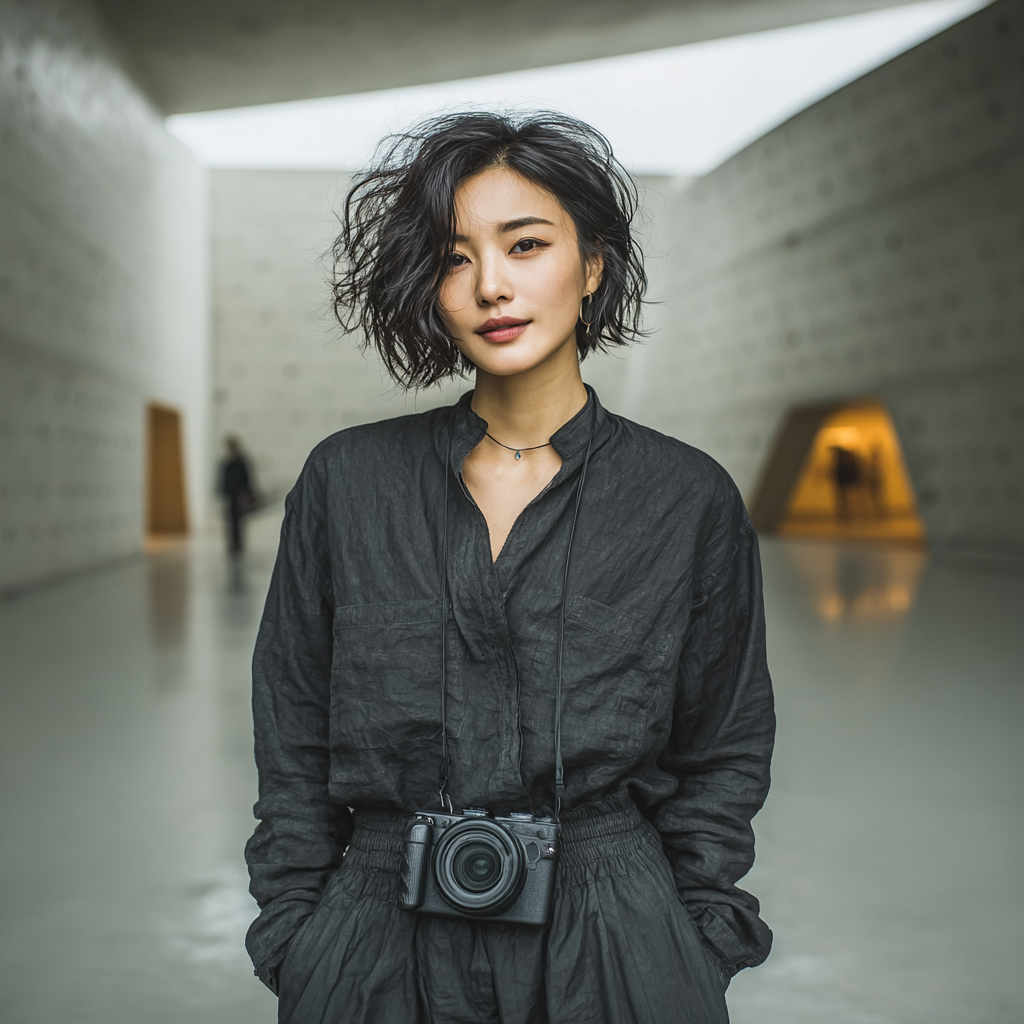
By Yuki Tanaka
Architectural photographer based in Tokyo. Yuki captures the dialogue between ancient structures and modern design across Asia and Europe. Her work has been featured in Monocle, Dezeen, and Wallpaper. She sees buildings as frozen stories waiting to be told.