
Amsterdam does not care if you are alone. The city is too busy being itself to notice whether you have a travel companion. This is its gift to the solo traveler. You can sit in a brown cafe for two hours with a jenever and a book, and nobody will ask what you are waiting for. You can bike through the Jordaan at 8 AM, when the canals are still and the houseboats have not started their engines. You can eat an entire rijsttafel by yourself, which is arguably the only way to eat one, because sharing twelve small plates with a picky eater is a form of torture.
The first thing to know is that Amsterdam is small. The entire central canal ring is walkable in under an hour. The tram system is reliable but mostly unnecessary if you are staying in Centrum, Jordaan, De Pijp, or Oud-West. Most solo travelers regret buying multi-day transit passes because they end up walking everywhere. The second thing is that bikes are not optional. They are the native mode of transport, and using one will make you feel less like a tourist and more like a resident. Rent from a proper shop like Black Bikes or Mike's Bike Tours, not the bright-red tourist contraptions near Centraal Station. A standard city bike costs €10-14 per day. Learn the hand signals. Stay out of the bike lane when walking. Do not stop in the middle of a bridge to take a photo. The locals will not be gentle.
Where to Stay
Solo travelers in Amsterdam have two good options: a well-run hostel or a small hotel in the Jordaan or De Pijp. The Flying Pig Downtown, near Centraal Station, is a classic. Dorm beds run €35-50 in shoulder season, €60+ in summer. The bar is loud and the lobby smells like patchouli, but the staff know the city and the crowd is international without being aggressively party-oriented. ClinkNOORD, across the IJ river in Noord, is newer and cleaner. A free ferry departs from behind Centraal Station every few minutes, and the rooftop views are better than most hotels charge for. If you are past the hostel years, Hotel V Nesplein in the Theater District has compact solo-friendly rooms starting around €120, or Hotel Fita in Oud-West, a quiet family-run place near the Vondelpark, around €100-130. Avoid the Damrak and Leidseplein hotel corridors. They are overpriced, noisy, and surrounded by tourist restaurants that serve frozen bitterballen.
What to Do Alone
The Anne Frank House is the obvious answer, and it is genuinely worth it, but you must book tickets online exactly six weeks in advance. The release is at 10 AM Amsterdam time. If you miss this window, you are not getting in. Same-day tickets do exist but sell out within minutes. If you fail, the Jewish Museum and the National Holocaust Memorial at Hollandsche Schouwburg are less famous and equally important.
The Rijksmuseum is a solo-travel paradise. You can stand in front of Rembrandt's Night Watch for twenty minutes without anyone asking if you are ready to leave. The museum opens at 9 AM. Arrive then, head straight to the Gallery of Honour on the second floor, and work backward. By 10:30 the tour groups arrive and the experience deteriorates. The Van Gogh Museum is across the square and requires a timed entry ticket, though it is easier to book than the Anne Frank House. The Stedelijk, Amsterdam's modern art museum, is less crowded and has a better cafe.
For something completely different, go to Electric Ladyland. It is the world's only museum of fluorescent art, housed in a basement near the Anne Frank House. Admission is €5. The owner, a man named Nick who has been running it since 1999, will give you a private tour if you show up on a weekday afternoon. He will explain phosphorescence with the intensity of someone who has waited his entire life for someone to ask.
The Jordaan neighborhood is best explored without a plan. Start at the Noordermarkt on a Saturday morning, when the organic farmers' market sets up around the 17th-century church. Buy a goat cheese sandwich from one of the stalls and eat it on the canal edge. Walk west toward the Bloemgracht, where the houses are narrower and the bridges lower. The Reestraat and the Berenstraat have independent shops that sell things you did not know you needed, like hand-thrown ceramic mugs or vintage maps of the Dutch East Indies.
Vondelpark is where solo travelers go to remember that they are traveling. Locals run, picnic, and play open-air theater in summer. The rose garden near the center peaks in June. The park's Blauwe Theehuis, a circular pavilion built in 1937, serves coffee and beer under a canopy of trees. Bring a book or eavesdrop on the Dutch teenagers arguing about their exams.
Where to Eat Alone
Amsterdam is one of the best cities in Europe for dining solo. The brown cafe tradition makes it normal to sit at the bar for an entire evening. Café Hoppe, on the Spui, has been open since 1670. The floor is uneven, the ceiling is stained from centuries of smoke, and the jenever selection is serious. Order a young jenever with a beer chaser, the traditional kopstoot. The bartenders are professionals who will talk if you want to talk and leave you alone if you do not. Café 't Smalle, on the Egelantiersgracht in the Jordaan, has a canal-side terrace where solo diners are the norm. The menu is basic Dutch bar food: uitsmijter (open-faced ham and egg sandwich), bitterballen, cheese plates. Nothing costs more than €15.
For a full meal alone, try an Indonesian rijsttafel. The Dutch colonial legacy means Amsterdam has some of the best Indonesian food outside Indonesia. Sampurna, near the Flower Market, serves a rijsttafel with twelve small dishes for €32. It is designed for groups but works perfectly for one hungry person. Kantjil & de Tijger is slightly cheaper and equally good. If the portion feels excessive, remember that cold Indonesian food makes an excellent breakfast.
De Pijp is the neighborhood for solo food exploration. The Albert Cuyp market runs Monday through Saturday and sells everything from raw herring (€3, with onions and pickles, eat it like the locals do, head tilted back) to freshly baked stroopwafels (€2, still warm). Nearby, Bazar is a converted church serving Middle Eastern and North African dishes in a loud, communal atmosphere where being alone is irrelevant. The lamb tagine is €18 and feeds two, or one very committed solo diner.
For a splurge, Restaurant Greetje near the Artis Zoo serves modern Dutch cuisine in a dining room where the tables are close enough that you will end up talking to your neighbors. The tasting menu is €75, but the à la carte options are more reasonable. Solo diners are seated at the bar or at small tables near the kitchen, which is actually the best view in the house.
How to Get Around
The OV-chipkaart is the rechargeable transit card, but for short stays it is rarely worth the hassle. Single tram tickets cost €3.40 and can be bought from the driver or the GVB app. Most solo travelers end up buying four or five tickets total and walking the rest. The ferry to Noord is free and runs 24 hours. It is the best public transit experience in the city, especially at sunset, when the IJ river turns silver and the skyline looks like a Dutch Golden Age painting that has been invaded by modern architecture.
Biking is the better option. Amsterdam has over 500 kilometers of bike lanes, but the rules are unforgiving. No phones while riding. No riding on pedestrian-only streets in the Red Light District. Lock your bike with two locks, one through the frame and rear wheel, one through the front wheel. Bike theft is the city's most common crime, and tourists are the easiest targets. Never leave a bike outside overnight unless you are prepared to lose it.
Day Trips
Haarlem is fifteen minutes by train and feels like Amsterdam without the tourists. The Grote Kerk dominates the main square, and the Teylers Museum is the oldest museum in the Netherlands, founded in 1784. Entry is €14 and the collection of fossils and old scientific instruments is charmingly disorganized.
Zaanse Schans is the windmill village that appears on every postcard. It is twenty minutes from Centraal Station and free to walk around, though the individual windmill tours cost €5-6 each. It is touristy but genuine — the mills still operate, and the cheese and clog demonstrations are exactly as cheesy as you expect. Go early, before 10 AM, or the footbridges become impassable.
Utrecht is thirty minutes by train and has a canal system with wharf-level cafes built into the medieval storage cellars. It is what Amsterdam might have looked like if it had not discovered mass tourism.
What to Skip
The Heineken Experience is a €21 branded museum where you learn that Heineken is brewed with water, malt, and hops, which you already knew. The free beer at the end does not justify the entry fee. The Madame Tussauds on Dam Square is worse. The Red Light District is safe but exhausting after dark, when the bachelor parties arrive and the atmosphere shifts from tolerance to voyeurism. Walk through during the day if you are curious, then go elsewhere for dinner.
The hop-on hop-off canal boats are overpriced and slow. A regular canal cruise from a company like Blue Boat or Lovers costs €16 and covers the same route in a more efficient hour. Better yet, skip the cruise and walk the canal ring at dusk. The streetlights reflect off the water, and the houseboats glow from within. It costs nothing and looks better than any guided view.
Practical Notes
Amsterdam is expensive. A coffee is €3-4, a beer €5-7, a simple dinner €20-25. Budget €80-100 per day excluding accommodation. The city is safe, but pickpockets operate on trams and around Centraal Station. The emergency number is 112. Most locals speak excellent English, but learning dank je wel and alstublieft earns goodwill. Tipping is not mandatory; round up or leave 10% for good service. Tap water is excellent. Shops close early by European standards, often 6 PM, and most are closed on Sundays outside the tourist center.
The Real Reason to Go Alone
Amsterdam rewards the solo traveler because its best experiences are interior. The light on a canal at 7 AM. The smell of jenever in a brown cafe that has not changed in three centuries. The moment in the Rijksmuseum when you realize you are standing in front of a painting you have seen in a hundred books, and it is smaller and more powerful than you expected. These moments do not require company. They require attention, which is easier to give when nobody is standing next to you, checking their phone, asking what is for dinner.
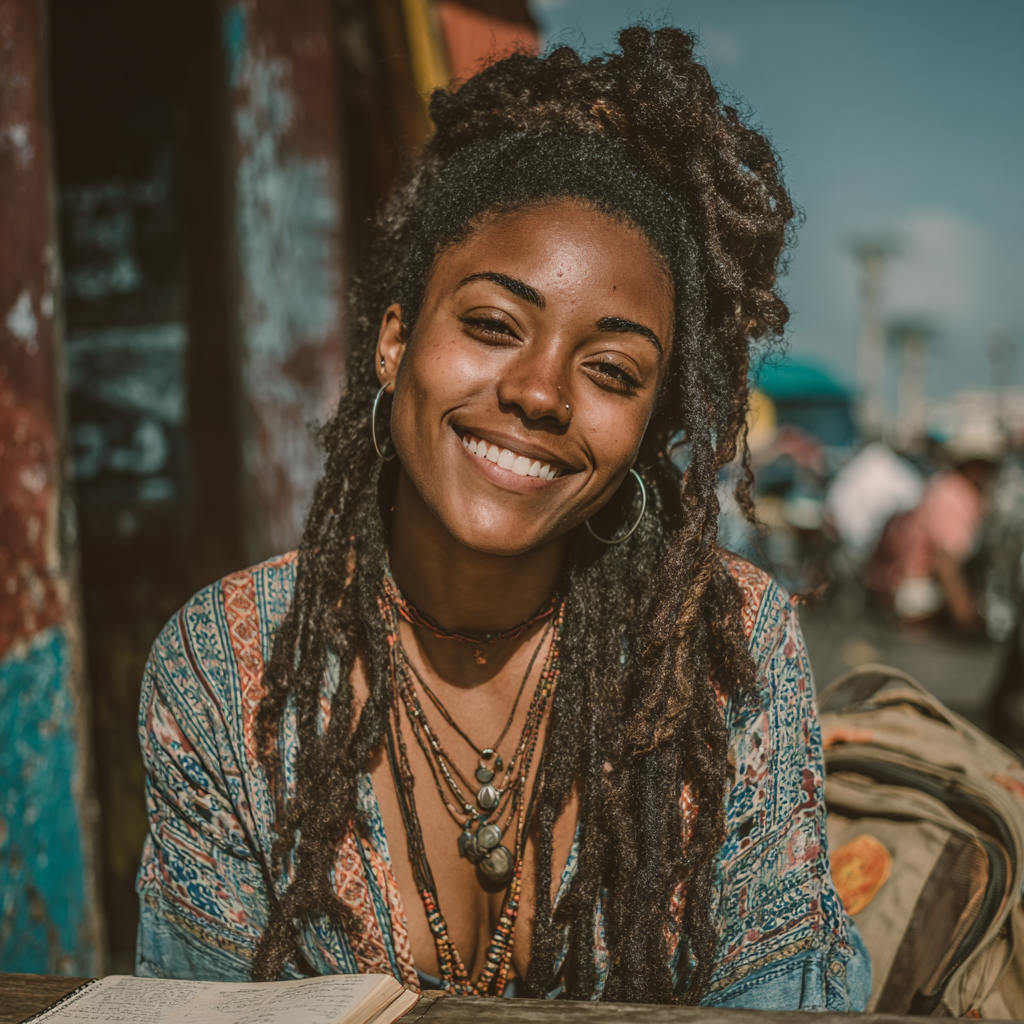
By Maya Johnson
Solo travel evangelist and digital nomad veteran. Maya has spent six years traveling alone across 50+ countries on a freelance writer budget. She writes honest, practical guides for women who want to explore the world independently and safely.