
Yangon: Where Gold Stupas Rise Above Britain's Last Great Asian Colonial City
By Elena Vasquez, Culture & History Correspondent
Elena is a former archaeologist turned travel writer who spent three years documenting Southeast Asia's fading colonial heritage. She has a particular obsession with cities where empires leave behind more than monuments — where the architecture of power becomes the backdrop of ordinary life. She last visited Yangon in February 2025.
Most travelers treat Yangon like a connecting flight they can't avoid. They land at midnight, sleep near the airport, tick off the Shwedagon Pagoda at dawn, and vanish on the 8 AM bus to Bagan. This is not just a mistake. It is a failure of imagination.
Yangon is not a layover. It is the densest surviving concentration of British colonial architecture in Asia, home to the most sacred Buddhist site in Myanmar, and the place where the country's past and present collide most violently and most beautifully. The British laid the street grid in the 1850s. Between 1890 and 1940, they built what remains the finest collection of Victorian and Edwardian municipal architecture on the continent. And then they left. What remains is a city in the middle of becoming something else — and that uncertainty is exactly what makes it worth visiting.
You need three days minimum. Not because there is a checklist to complete, but because Yangon reveals itself slowly. The heat, the dust, the broken sidewalks, the sudden gold of a stupa at sunset — these are not obstacles. They are the city itself.
Sacred Spaces: The Gold and the Living
The Shwedagon Pagoda is not a monument you observe from a distance. It is a working religious city-within-a-city, and it demands your full attention.
The stupa rises 99 meters above Singuttara Hill and is covered in 27 metric tons of gold leaf, with thousands of diamonds and rubies set into its crown. The complex covers 114 acres and contains hundreds of smaller shrines, prayer halls, and Buddha images. The central stupa is said to enshrine eight hairs of the Buddha, and the site has been a place of worship for over 2,600 years.
Foreigners pay 10,000 kyat (approximately $4.75 USD) for entry at any of the four main entrances. You must remove your shoes and socks at the gates. The southern entrance has the longest covered walkway and the most impressive collection of vendor stalls selling flowers, incense, and religious offerings. The eastern entrance, near the Singuttara Hill steps, is quieter and preferred by regular worshippers.
The best time to visit is late afternoon, around 4:30 PM, when the marble floors have cooled and the golden stupa shifts from blinding yellow to deep amber as the sun drops. Stay for sunset. The lights come on, the complex transforms, and the northwest corner viewing platform offers a direct line of sight back toward the downtown skyline — a useful reminder that this ancient site sits in the middle of a metropolis of 5 million people.
What you will see: families bathing Buddha statues at planetary posts corresponding to their day of birth. Monks in maroon robes sitting in meditation. Children running between pavilions while their grandparents pray. This is not performance. This is Tuesday, or Friday, or the full moon. The Shwedagon does not open and close for tourists. It simply exists, and you are welcome inside.
Hours: 4:00 AM – 10:00 PM daily. Address: Shwedagon Pagoda Road, Dagon Township. Tip: The marble floors are scorching at midday. Bring socks you don't mind walking in, or stick to the covered walkways.
Sule Pagoda sits at the center of a major traffic roundabout at the intersection of Maha Bandoola and Sule Roads. It is smaller than Shwedagon but older — by some accounts, over 2,000 years — and its location makes it the geographic and spiritual heart of downtown. The pagoda's octagonal base contains small shops and astrologers who will read your fortune for 2,000 kyat. The main stupa is 46 meters tall and covered in gold leaf.
Foreigners pay 5,000 kyat to enter. The real reason to come is the surrounding streets, where you will find the best concentration of street food in the central city. Sule Pagoda is not a destination. It is an anchor. Everything radiates from here.
Hours: 4:00 AM – 10:00 PM daily. Address: Sule Pagoda Road, at the intersection with Maha Bandoola Road.
Botahtaung Pagoda, near the riverfront in Botahtaung Township, is one of the few pagodas in Myanmar where visitors can walk inside the main stupa. The original structure was destroyed during World War II, and the current pagoda was rebuilt in 1957. Inside, you walk through mirrored corridors past glass cases containing relics, including what is claimed to be a hair of the Buddha. The pagoda is less crowded than Shwedagon and offers a more intimate experience of Burmese Buddhist practice.
Entry is free. Come in the early morning, before the heat builds, and you will likely be the only foreigner there.
Hours: 6:00 AM – 10:00 PM daily. Address: Botahtaung Pagoda Road, Strand Road vicinity.
The Colonial Grid: Architecture as Archaeology
Downtown Yangon is a grid of colonial buildings that would make any preservationist weep. Walk down Pansodan Street and you will see rows of five-story buildings with rusted iron balconies, crumbling cornices, and trees growing out of third-floor window frames. The British constructed this between 1890 and 1940, and much of it is rotting in real time.
The High Court building, completed in 1911, has a red-brick clock tower modeled after the Guildhall in London. It is still in use. Address: Pansodan Street and Maha Bandoola Road intersection. You cannot enter freely, but the exterior is best viewed from the southeast corner at sunset, when the red brick catches the last light.
The former Rowe & Company department store, once known as the Harrods of the East, now houses government offices. The building sits at the corner of Pansodan and Strand Roads, and its curved facade is one of the most photographed structures in the city. Address: 35 Pansodan Road. The ground floor has a small shop where you can buy postcards and old maps of Rangoon.
The Strand Hotel, opened in 1901, has been restored to something approaching its former elegance. The lobby is worth walking through even if you are not staying there — high ceilings, rattan furniture, and the particular hush of a place that remembers when it was the finest hotel in Asia. A gin and tonic on the veranda costs $8 USD, roughly what a local earns in a day. Address: 92 Strand Road. Hours: The lobby and restaurant are open to non-guests from 10:00 AM – 10:00 PM.
The Secretariat is the most historically significant building in the city. This massive Victorian complex, completed in 1905, was the seat of British colonial administration and later the independent Burmese government. On July 19, 1947, independence hero General Aung San and six of his cabinet ministers were assassinated here in a council chamber on the upper floor. The building was closed to the public for decades but now offers guided tours for 5,000 kyat.
The assassination room has been preserved with the original furniture, including the chairs where each man sat. The guides do not embellish. They state the facts and let the room speak for itself. It is one of the most quietly devastating historical sites in Southeast Asia.
Tours: 9:30 AM – 4:30 PM, Tuesday through Sunday. Address: 300 Thein Phyu Road, Botahtaung Township. Tip: Tours are limited to 20 people per group and fill up by mid-morning. Arrive by 9:00 AM to secure a spot.
Leave at least one morning free to walk the downtown grid before the heat builds. Start at the Strand Hotel, walk north on Pansodan Street past the High Court and Port Authority buildings, turn west on Maha Bandoola Road past Sule Pagoda, and continue to the Indian Quarter around Anawrahta Road. The architecture is crumbling but magnificent, the street food is cheap and abundant, and the pace of life is unchanged from a century ago. Take photos while you can. Many of these buildings will not survive another monsoon season.
Local Life: Trains, Lakes, and Neighborhoods
The Yangon Circular Train is the best way to see the city beyond the tourist core. This slow, diesel-powered railway loops around the metropolitan area for 46 kilometers, stopping at 39 stations over the course of three hours. Trains depart from Yangon Central Station roughly every 45 minutes from 6:10 AM to 5:10 PM. A full loop ticket costs 300 kyat, about 15 cents.
The train passes through industrial zones, vegetable markets, rice paddies, and dense residential neighborhoods. Vendors walk the aisles selling peanuts, sliced mango with chili powder, and boiled quail eggs. There are no doors on the carriages, and passengers hang from the steps. The train is not a tourist attraction. It is public transportation used by tens of thousands of Yangon residents daily. Keep your hands inside the carriage and your camera discreet.
Yangon Central Station is located at: Kun Chan Road, between Bogyoke Aung San Road and Anawrahta Road. The ticket counter is on the main platform, to the left of the entrance. You do not need to book in advance.
Kandawgyi Lake is an artificial reservoir built by the British in the late 19th century. It sits east of Shwedagon and is surrounded by a boardwalk popular with joggers and couples in the early morning and evening. The Karaweik Palace, a concrete reproduction of a royal barge, sits on the eastern shore and functions as a restaurant and performance venue. The food is mediocre and overpriced. Skip the restaurant and walk the boardwalk instead, particularly at dawn when the lake reflects the golden stupa and the air is cool. The eastern side of the lake, near the Yangon Zoological Gardens, has the best views and fewer tourists.
Hours: The boardwalk is open 24 hours. Address: Kandawgyi Lake Park, Natmauk Road.
Chaukhtatgyi Buddha Temple, in Tamwe Township northeast of downtown, houses one of the largest reclining Buddha images in Myanmar. The statue is 66 meters long and 16 meters high, with feet decorated in 108 sacred symbols. The temple is open from 6:00 AM to 8:00 PM and entry is free, though donations are welcome. The real draw here is not the statue itself but the surrounding neighborhood, which contains several monastic compounds where you can observe monks going about their daily routines. The nearby Ngahtatgyi Buddha Temple has a seated Buddha image that is older and, to some eyes, more impressive.
Address: Shwegondaing Road, Tamwe Township. Both temples are within walking distance of each other. Hire a taxi for the round trip from downtown; negotiate 4,000 kyat each way.
Food and Markets: Eating in the City That Refuses to Sleep
Bogyoke Aung San Market, still known to most locals as Scott Market, is a colonial-era bazaar built in 1926. The building is a long, two-story structure with a clock tower at the center and hundreds of stalls selling jade, gemstones, lacquerware, textiles, and souvenirs. The market opens at 10:00 AM and closes at 5:00 PM, Tuesday through Sunday. It is closed Monday.
The jade section occupies the eastern wing and is worth walking through even if you have no intention of buying, simply to watch the dealers assess stones under handheld LED lights. The central lane has antique shops where you can find British-era coins, colonial postcards, and old maps of Rangoon. Bargaining is expected. Start at 40 percent of the asking price and be prepared to walk away.
Address: Bogyoke Aung San Road, at the intersection with Shwegondaing Road. Tip: The best antique dealers are on the second floor, northeast corner. The ground floor is mostly jade and tourist souvenirs.
Chinatown occupies the grid between Lanmadaw and Latha townships, centered on 19th Street. This is where Yangon eats after dark. Street-side vendors set up charcoal grills at sunset and cook skewers of marinated pork, chicken, fish, and vegetables until midnight. A plate of grilled meat with a Myanmar beer costs around 4,000 kyat. The atmosphere is loud, smoky, and completely unpretentious.
Try the mala-style grilled frog if you are adventurous, or stick to the pork belly skewers, which are consistently excellent. The surrounding streets contain gold shops, herbal medicine stores, and tea houses where old men play Chinese chess and drink sweet milk tea from sunrise until late afternoon.
Best time to arrive: 6:30 PM, when the grills are hot and the beer is cold. Address: 19th Street, between Anawrahta Road and Maha Bandoola Road. The best stalls are on the south side of the street, between 32nd and 35th Streets.
For a proper sit-down meal, Feel Myanmar Food on Pyay Road serves an excellent selection of curries and salads at local prices. A full meal with rice and three curries costs around 3,500 kyat. The fish curry is the standout, and the pickled tea leaf salad (lahpet thoke) is made fresh each morning. Address: 124 Pyay Road, Kamayut Township. Hours: 10:00 AM – 9:00 PM daily.
For a more upscale experience, Rangoon Tea House on Pansodan Road serves modern Burmese cuisine in a restored colonial building. The lahpet thoke here is the best in the city — crisp, complex, and properly balanced — though at 8,500 kyat it is priced for foreigners. The tea leaf salad is worth the markup. The building itself is half the reason to come; the other half is the excellent selection of Shan teas. Address: 77 Pansodan Road. Hours: 8:00 AM – 9:00 PM daily. Reservations recommended for dinner after 6:00 PM.
For coffee, Bar Boon on Bo Galay Zay Street serves a proper flat white for 3,000 kyat in a room where the air conditioning actually works. It is where Yangon's small but growing community of journalists and NGO workers congregate in the afternoons. Address: 37 Bo Galay Zay Street. Hours: 7:30 AM – 7:00 PM, closed Sunday.
The River and the Work
The riverfront along Strand Road has been partially redeveloped, but much of it remains a working port. Walk south from the Strand Hotel toward the Botataung Jetty in the early morning to watch stevedores unload cargo from small wooden boats. The smell of dried fish, diesel fuel, and river mud is overpowering, but the activity is genuine commerce, not a performance for tourists.
Further south, the Aung Mingalar Bus Station and ferry terminals connect Yangon to the rest of the country. If you are traveling onward to Pathein, Mawlamyine, or the delta region, this is where your journey begins. The ferry to Pathein departs at 6:00 AM and takes roughly four hours. Tickets are purchased at the terminal on the morning of departure; arrive by 5:30 AM to secure a seat. The fare is 8,000 kyat for foreigners.
Address: Botataung Jetty, Strand Road at the intersection with Botataung Pagoda Road. Best time to visit: 6:00 – 8:00 AM.
What to Skip
Karaweik Palace Restaurant. The building is a concrete reproduction of a royal barge, and the food is mediocre at inflated prices. The cultural performances are staged for tour groups. Walk the boardwalk of Kandawgyi Lake instead, and eat dinner at a fraction of the cost in Chinatown.
The National Museum, Pyay Road. The collection — including the Lion Throne of King Thibaw, the last monarch of Myanmar — is historically significant. The building is not. It is poorly lit, many labels are faded or missing, and the air conditioning is unreliable on the best of days. Admission is 5,000 kyat, and the experience is frustrating. Unless you have a specific interest in the royal throne, your time is better spent walking the colonial grid or riding the circular train. The throne room on the ground floor is genuinely impressive, but the rest of the museum is not worth the detour unless you are already in the neighborhood.
Hours: 9:30 AM – 4:30 PM, Tuesday through Sunday. Address: 26 Pyay Road, Dagon Township. My advice: If you must go, go for the throne room and leave.
Any tour that promises access to the old Minister's Building. The Secretariat has opened for tours, but any operator claiming private access to restricted areas is selling something that does not exist. Stick to the official tours at the Secretariat itself.
Airport-area hotels for more than one night. The transit hotels near Yangon International Airport are overpriced, underwhelming, and geographically isolated from everything that makes the city worth visiting. If you must stay near the airport for an early flight, book the Hotel Kantharyar, which is clean, quiet, and charges $25 USD for a room with air conditioning. Otherwise, stay downtown. The inconvenience of a longer taxi ride to the airport is outweighed by walking distance to Shwedagon, the colonial grid, and 19th Street.
Practicalities: How to Survive and Move
The best time to visit Yangon is November through February, when temperatures drop to a manageable 25–30°C and the monsoon rains have ended. March to May is brutally hot, with temperatures regularly exceeding 40°C. June to October is the rainy season, when streets flood and transportation becomes unreliable.
Getting around requires patience. Taxis are plentiful and cheap, but drivers rarely use meters. Negotiate the fare before getting in. A trip across downtown should cost 2,000–4,000 kyat. Rideshare apps like Grab operate in Yangon and are more reliable, though you will need a local SIM card with data. The Ooredoo and Telenor networks have the best coverage. A SIM card costs around 1,500 kyat, and data packages are inexpensive.
Most guesthouses and hotels are concentrated in the downtown area between 33rd and 41st Streets, and in the Sule Pagoda vicinity. Budget travelers can find clean rooms with fan and shared bathroom for $15–25 USD per night. Mid-range hotels with air conditioning and breakfast start around $40 USD. There are no international chain hotels in Yangon, which is either a drawback or a relief depending on your perspective.
Power outages are common, even at better hotels. Bring a flashlight and a power bank. Internet access is slow and heavily censored. Purchase a VPN before arriving if you need reliable access to international news or social media. ATMs exist but are unreliable, and many charge high fees. Bring pristine US dollar bills in small denominations. Bills with creases, marks, or older than 2006 are often rejected. Currency exchange is straightforward at licensed shops along Sule Pagoda Road.
Yangon is not an easy city. The sidewalks are broken, the traffic is chaotic, and the heat can be overwhelming. But it rewards those who stay longer than a transit night. Watch the gold light change on Shwedagon at dusk. Eat grilled pork on 19th Street until your clothes smell of charcoal. Ride the circular train until the city dissolves into rice paddies. Walk through the colonial grid before the buildings crumble completely. This is a city in the middle of becoming something else, and that uncertainty is exactly what makes it worth visiting.
Stay three days. You will not see everything. You will see enough to understand why you need to come back.
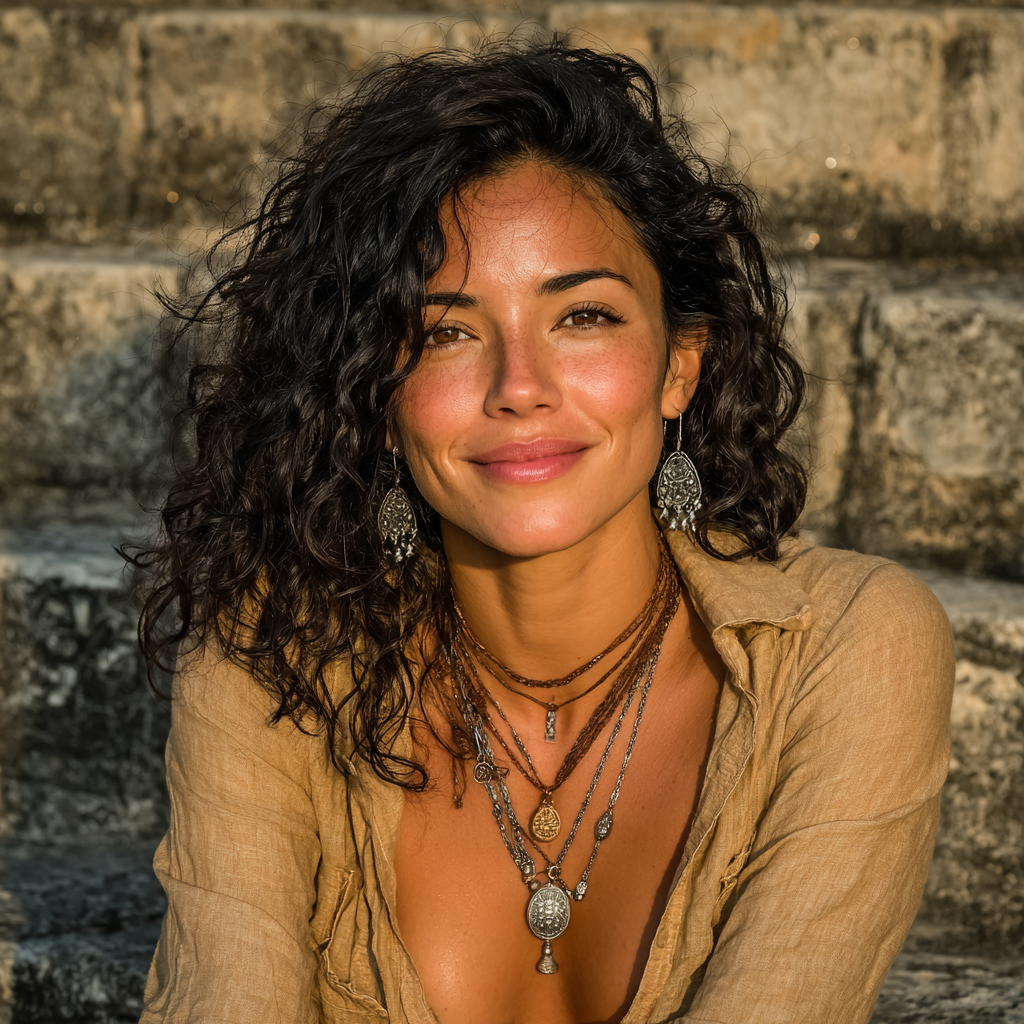
By Elena Vasquez
Cultural anthropologist and culinary storyteller. Elena spent a decade documenting traditional cooking methods across Latin America and the Mediterranean. She holds a PhD in Ethnography from Barcelona University and believes the best way to understand a place is through its kitchens and ancient streets.