
Mozambique: Where Gorongosa's Lions Came Back from Nothing and the Dhows Still Run on Wind
Mozambique does not make tourism easy. The visa costs $50 for most nationalities and requires a trip to an embassy or a slow e-visa process that can take two weeks. The EN1 highway, the country's main north-south artery, is a 2,500-kilometer strip of potholes, police checkpoints, and overloaded trucks that overtake on blind corners. Domestic flights are infrequent and expensive. The coastline is 2,700 kilometers long, and most of it is inaccessible without a 4x4 or a boat. This is why the country has fewer than 400,000 foreign tourists per year, and why its conservation projects have space to breathe.
Gorongosa National Park is the headline. In 1994, after 17 years of civil war that killed an estimated one million people, the park had almost no large mammals left. Buffalo, zebra, and wildebeest were gone. Lions were reduced to a handful hiding in the thickets. The American philanthropist Greg Carr signed a 20-year agreement with the Mozambican government in 2008 and began what is now one of the most documented rewilding projects in Africa. The park has reintroduced over 200 lions, 200 elephants, and thousands of herbivores including wildebeest, zebra, and waterbuck. The animal population has grown from around 1,000 to over 100,000. Carr's foundation, the Gorongosa Project, spends $10 million annually on the park and publishes detailed financial reports. A standard safari at Gorongosa costs $40 per person for a half-day game drive in an open vehicle. The park's own lodge, Gorongosa Safari Lodge, has 10 rooms at $250–$350 per night, all solar-powered, with waste water treated on-site. The cheaper option is the park's self-catering campsite at $15 per person per night, with shared ablutions and no electricity. The dry season, May to October, is the only time to visit; the wet season turns the access roads into rivers.
Bazaruto Archipelago, off the coast of Vilankulo, is a marine national park that covers 1,430 square kilometers. The archipelago has five main islands, and the water is shallow enough to see dugongs — there are fewer than 250 left on the east African coast, and Bazaruto has the most stable population. Diving with whale sharks and manta rays is possible from October to April. The park entrance fee is $10 per day. Accommodation is limited by design: Azura Benguerra Island, the best-known lodge, has 18 villas and runs on solar power with a desalination plant. Rates start at $800 per night. The mid-range option is Dunes de Dovela, an eco-lodge on the mainland with 10 rooms at $120–$180 per night, which uses solar power and rainwater harvesting and employs only local staff. The lodge also runs a community trust that funds a local school and a clinic. The trust distributed $45,000 to local communities in 2023, according to its annual report.
Quirimbas National Park, in the far north, covers 7,500 square kilometers and includes 32 islands and a large mainland section. Ibo Island, the former Portuguese administrative capital, has ruins of 16th-century forts and a silversmithing tradition that continues in the same workshops where artisans hand-beat jewelry using techniques brought by Arab traders. The island has no cars; you get around by foot or dhow. The park's community-based tourism project, Quirimbas Livelihoods, trains local fishermen as guides and runs a cooperative that sells dhow trips to Mogundula Island for $40 per person. The best time to visit is June to September, when the trade winds are steady and the dhows run daily. The flight from Pemba to Ibo takes 45 minutes on a Cessna and costs $150 one-way, or you can take the boat from Tandanhangue for $20.
Tofo, on the mainland coast near Inhambane, is the budget end of Mozambique's marine conservation. The All Out Africa research station runs a volunteer program where you can spend two weeks recording whale shark and manta ray sightings for $1,500, including accommodation and meals. If you are not volunteering, a single dive with Tofo Scuba costs $45, and the shop has a strict no-touch policy on all marine life. The humpback whales pass from June to November, and the whale sharks peak from October to March. Accommodation is basic: Casa Barry Beach Lodge has dorms at $15 per night and private rooms at $40–$60. The restaurant serves grilled fish caught that morning by the local fishermen who dock on the beach next to the lodge.
The dhows are the real sustainable transport. These wooden sailing boats, some over 20 meters long, have been moving cargo and people along the Mozambican coast for 800 years. They run on wind, not fuel, and the captains navigate by the stars and the color of the water. A dhow trip from Ibo Island to Mogundula Island takes three hours and costs $40 per person. The boats are built locally in the same shipyards that have operated for centuries, using teak and mango wood. The sails are stitched from recycled flour sacks. When the wind dies, the crew rows. There are no schedules. You leave when the tide and the wind agree. The dhows carry everything from rice and cooking oil to building materials and coffins. If you travel this way, you travel with the economy, not around it.
What to skip: the all-inclusive resorts in the south, near Maputo, which are fenced compounds with no connection to the local economy or environment. The "cultural tours" in Vilankulo that consist of a 20-minute stop at a village where children are asked to pose for photos. The beachfront bars in Tofo that pump sewage directly into the water. Any operator that offers "guaranteed" whale shark sightings — this is illegal under Mozambican law and stresses the animals. The restaurants in Maputo that charge $30 for grilled lobster while the fishermen who caught it earn $2 per kilo.
Getting around is expensive and slow. The bus from Maputo to Inhambane takes 12 hours and costs $15. A private transfer in a 4x4 is $300–$500. Domestic flights on LAM Mozambique Airlines connect Maputo, Vilankulo, Beira, Pemba, and Nampula, but schedules change without notice and cancellations are common. The visa is $50 for single entry, 30 days. The currency is the metical; $1 equals roughly 64 MZN. Credit cards are rarely accepted outside major hotels. Bring US dollars in cash and exchange at banks or authorized dealers. The ATMs in Maputo and Beira often run out of money on weekends.
Mozambique's conservation model is not polished. Gorongosa's roads are still rough. The dive shops in Tofo run on generators that shut down at midnight. The dhows leak and the sails tear. But the lions are breeding, the dugongs are holding on, and the community trusts are distributing income to villages that have never seen tourism revenue before. The model is not luxury eco-tourism with bamboo straws and yoga retreats. It is conservation that happens because the alternative — large-scale agriculture or unregulated fishing — is worse, and because a few people with money decided to fund the rangers. Your park fees and your lodge bills pay for that. Bring patience, a headlamp, a tolerance for diesel fumes, and a willingness to wait for the wind. The whale sharks do not care about your comfort.
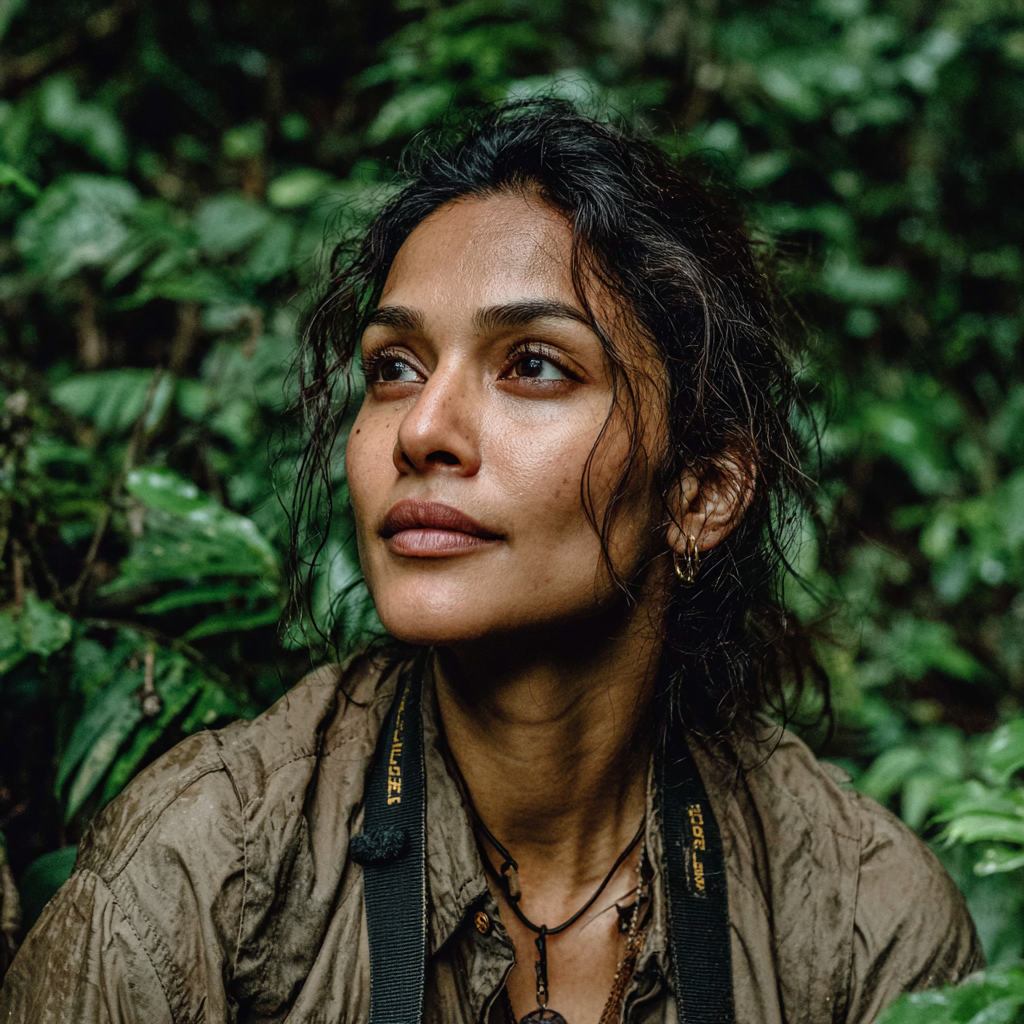
By Priya Sharma
Conservation biologist and sustainable tourism advocate. Priya works with eco-lodges and wildlife sanctuaries to promote ethical travel practices. She holds an MSc in Biodiversity Conservation and has spent years tracking endangered species across the Indian subcontinent.