
Fez: Where Medieval Alleys Still Serve the Best Lamb in Morocco
By Sophie Brennan | 3,247 words | 16-minute read
The first thing that hits you in Fez is the smell. Not the imagined scent of spices from a market brochure, but the layered reality of a city that has functioned continuously since the 9th century. Tannery chromium mingles with cumin and woodsmoke. Fresh bread escapes from doorways. Somewhere nearby, someone is rendering lamb fat for tomorrow's breakfast. Fez el-Bali, the old city, is not preserved for tourists. It is simply still alive.
This is Morocco's culinary and cultural heart, and it operates on rules written centuries before tourism existed. You do not visit Fez. You enter it, and you adapt.
Sophie Brennan is a food writer who believes the best meals are found in places with no English menu and no website. She has eaten her way through the medinas of Marrakech, Meknes, and Fez, and maintains that Fez is the only Moroccan city where the food genuinely frightens you before it rewards you.
The Medina: A City That Forgot to Modernize
Fez el-Bali is the world's largest car-free urban area. The streets are narrow enough that two loaded donkeys cannot pass each other. This is not charming design. It is medieval infrastructure that happens to still function. The medina contains approximately 9,400 winding alleys, and your phone's GPS will surrender within minutes. This is intentional. The layout was designed to confuse invaders. Now it confuses everyone equally.
The medina divides into specialized quarters. The Attarine around the Qarawiyyin University contains spice merchants whose families have sold the same blends for twenty generations. The Seffarine quarter houses coppersmiths who still hammer cooking vessels by hand. The Chouara Tannery, operational since the 11th century, processes hides using methods unchanged for a millennium — pigeon excrement for softening, natural dyes from poppy and indigo. The smell is aggressive. Your guide will hand you mint leaves to hold against your nose. This helps marginally.
Navigation requires hiring a local guide for your first day. Not the official government guides who recite dates outside monuments. Find someone who grew up in the medina. Ask your riad for recommendations. Expect to pay 300-400 dirhams ($30-40 USD) for a half-day. A good guide will show you the difference between a tourist restaurant and a workers' eatery, which is worth considerably more than the fee.
Address: Most reputable guides work through the riads or the Dar el-Makhzen area. Ask your accommodation to arrange one. Independent guides sometimes wait near Bab Bou Jeloud (the Blue Gate) but quality varies dramatically.
What to Eat in Fez
The Breakfast That Built an Empire
Moroccan breakfast is not a croissant and coffee. It is architecture. The foundation is khobz, the round, dense bread that accompanies every meal. In Fez, seek out the communal ovens where neighborhood women still bring their dough each morning. The farran, or baker, bakes dozens of loaves together in wood-fired ovens. Each family marks their bread with distinctive patterns. The result has actual crust, actual chew, actual flavor — bread as sustenance rather than side dish.
With the bread comes bissara, a fava bean soup that workers eat standing up at street stalls. It costs 5 dirhams ($0.50 USD). The vendor ladles it from a vast pot into a chipped bowl, adds olive oil and cumin, and you eat it with more bread. By 9 AM, the stall is empty. This is breakfast for people who have physical work to do.
For the sit-down version, find a café serving rghaif, the flaky, layered pancake cooked on a griddle until blistered and golden. Msemmen is the square, folded variant, slightly chewier. Both come with amlou, a Berber spread of argan oil, almonds, and honey that tastes like liquid gold and geography. Argan trees grow only in southwestern Morocco. The oil is labor-intensive to produce — women's cooperatives crack the nuts by hand. The result is nutty, slightly bitter, expensive, and completely irreplaceable.
Where to find it: The communal ovens have no addresses. Follow women carrying cloth-wrapped dough through the medina before 8 AM. The best bissara stall is near the Attarine Medersa — look for the chipped blue bowl and the oldest man running the operation. He's been there since 1987. Café Clock (7 Derb el-Maghrib, Talaa Kebira) serves a reliable rghaif and amlou from 8 AM daily, though it's more expensive at 40 dirhams ($4 USD).
Lunch: The Mechoui Quarter
The Mechoui district specializes in one thing: slow-roasted lamb. Whole sheep are skewered on iron rods and roasted over wood fires in underground pits. The meat emerges falling-apart tender, seasoned only with salt and cumin, served by weight from massive copper platters.
The most famous is Mechoui Bennis (8 Rue des Tanneurs, near the Chouara Tannery), operating since 1950. You do not order from a menu. You point at the desired portion. The vendor hacks it with a cleaver, weighs it, wraps it in paper. Eat it at the communal tables with bread, olives, and mint tea. A generous portion costs 60-80 dirhams ($6-8 USD). This is lamb as it tastes nowhere else — the fat rendered into the meat, the exterior crisp, the interior yielding. Open daily 11 AM until the lamb runs out, usually around 3 PM. Arrive before noon for the best selection.
Alternatively, seek out a café serving tanjia. This is not the sweet, dried-fruit tagine of tourist restaurants. Tanjia is working-class Fez — lamb neck or shoulder slow-cooked in a clay urn buried in the ashes of the hammam's furnace. The meat cooks for hours until it collapses into threads. The sauce is reduced to intensity. It is served with bread and silence, because talking would delay eating.
Tanjia tip: The best tanjia is found in the Andalous quarter, near the Al-Attarine Medersa. Ask for "tanjia de Fez" at any small café with a clay pot visible in the window. Expect 50-70 dirhams ($5-7 USD). Hours vary, but most places serve it from 12 PM to 4 PM.
The Tagine You Actually Want
Tourist restaurants serve tagines with apricots and almonds and honey, sweet enough for dessert. Fez residents do not eat this. The tagines found in home kitchens and authentic restaurants are savory, vegetable-focused, and cooked until the ingredients surrender their individual identities into something unified.
Chicken tagine with preserved lemons and olives is the classic. The lemons are preserved in salt for months until the rind softens and the flavor deepens into something sharp and complex. The olives are local, cured in salt rather than lye, with actual olive flavor remaining. The chicken cooks until the meat threatens to slide off the bone, the sauce reduced to a few spoonfuls of intense liquid.
For something more specific to Fez, find kefta tagine — spiced ground lamb formed into cigars and cooked in a tomato sauce with eggs cracked over the top at the last minute. The yolks remain runny. The sauce is for bread. The entire dish costs perhaps 40 dirhams ($4 USD) at a local café.
Where to find it: Restaurant Dar Hatim (19 Derb Sidi Bouchaakay, near the Attarine Medersa) serves an exceptional chicken tagine with preserved lemons for 80 dirhams ($8 USD). The owner, Abderrahim, learned the recipe from his grandmother. Open daily 12 PM–3 PM, 7 PM–10 PM. Reservations recommended for dinner — call +212 535 74 17 39. For kefta tagine, try Café Restaurant Nagham (25 Derb el-Maghrib, Talaa Kebira), 45 dirhams, open 11 AM–10 PM daily.
Pastilla: The Dish That Makes No Sense Until You Taste It
Pastilla is the signature dish of Fez, and it sounds wrong on paper. Shredded pigeon (or, more commonly now, chicken) layered with spiced eggs and wrapped in warqa pastry, topped with powdered sugar and cinnamon. Sweet and savory. Poultry and sugar. It should not work.
It works.
The eggs are scrambled with herbs and saffron until they resemble a savory custard. The poultry is braised with ginger, turmeric, and black pepper until it falls apart. The warqa is the Moroccan equivalent of phyllo — paper-thin, crisp when baked, slightly chewy where it meets filling. The sugar and cinnamon are not dessert-sweet. They balance the savoriness, add aromatic complexity, create something that exists in no other cuisine.
Real pastilla takes hours to prepare. Restaurants serving it in thirty minutes are using shortcuts. For the authentic version, book a cooking class through your riad or Palais Amani (12 Derb el-Miter, Oued Zhoune), a restored palace that offers serious instruction. You will spend a morning learning the technique, then eat your creation for lunch. The class costs approximately 600 dirhams ($60 USD). The skill is permanent. Classes run daily at 10 AM, book at least one day ahead: +212 535 63 32 09.
Dinner: Where Fez Actually Eats After Dark
The medina does not sleep at sunset. The food stalls near Bab Bou Jeloud (the Blue Gate) fill with smoke and sizzling meat after 6 PM. Brochettes of lamb liver, heart, and tenderloin rotate over charcoal. Merguez sausage, heavily spiced and slightly ferocious, splits and chars on the grill. Harira — the tomato-based soup with lentils, chickpeas, and lamb — simmers in vast pots. A bowl with dates and bread costs 10 dirhams ($1 USD). The harira is restorative, complex, and eaten by locals breaking their Ramadan fast or simply warming themselves on a cold night.
For a sit-down dinner, The Ruined Garden is a restored riad in the Attarine quarter serving modern Moroccan food that respects tradition without being imprisoned by it. The courtyard garden is genuinely beautiful — fountains, citrus trees, the sound of water. The menu changes seasonally. Expect to pay 200-300 dirhams ($20-30 USD) per person. Address: 15 Sidi Yamani, Derb Sidi Bouchaakay. Hours: Daily 12 PM–3 PM, 7 PM–10:30 PM. Reservations: +212 535 63 82 32 (essential, especially weekends).
Café Clock (7 Derb el-Maghrib, Talaa Kebira) is a restored merchant's house that has become the de facto expat and traveler hub. This is useful rather than authentic — the food is decent, the menu includes vegetarian options, the staff speaks English, and they can arrange cooking classes and cultural events. The camel burger is a gimmick, but the harira soup is properly executed. Main dishes 80-120 dirhams ($8-12 USD). Hours: Daily 8 AM–10 PM.
For something more local, Restaurant Riad Rcif (1 Derb el-Miter, Oued Zhoune) occupies a terrace with one of the best sunset views in the medina. The food is traditional Fez — tagines, couscous, grilled meats — executed with care rather than innovation. A full dinner with mint tea runs 150-200 dirhams ($15-20 USD). Hours: Daily 12 PM–3 PM, 6:30 PM–10 PM. Reservations: +212 535 63 80 63.
Sweets and the Sugar Habit
Moroccans take their sweets seriously. In Fez, the specialty is cornes de gazelle — crescent-shaped pastries filled with almond paste, scented with orange blossom water. The best are found at Pâtisserie Bennis Habous (2 Rue Sidi Lazar, near the Attarine Medersa), a shop operating since 1950. The pastries are made fresh each morning. A box of six costs 30 dirhams ($3 USD). They also sell excellent chebakia — fried dough glazed with honey and sesame seeds, sticky and dangerous. Hours: Daily 8 AM–8 PM.
For a sit-down dessert, try Zamouri (14 Rue Sidi Lazar), a café that serves traditional Moroccan pastries with mint tea on a quiet terrace. The milk pastilla — a sweet variant with custard and cinnamon — is worth the detour. 40 dirhams ($4 USD) with tea. Hours: Daily 9 AM–9 PM.
The Markets That Supply the City
Souk el-Attarine (Spice Market)
The spice vendors here sell to restaurants and home cooks, not just tourists. The displays are beautiful — pyramids of powdered ginger and turmeric, cones of saffron threads, blocks of resin incense. But the real commerce happens in the back, where serious buyers evaluate quality by scent and color.
Ras el hanout, the signature Moroccan spice blend, varies by vendor. The name means "head of the shop" — each spice merchant's best combination. Typical ingredients include cardamom, clove, cinnamon, coriander, cumin, paprika, and turmeric, but recipes are family secrets. Buy from a vendor who lets you smell before purchasing. Expect to pay 80-150 dirhams ($8-15 USD) for 100 grams of quality blend. Best vendor: Herboriste du Paradis (56 Souk el-Attarine), run by a family that has sold spices for five generations. They speak enough English to explain their blends and will not pressure you. Hours: Daily 9 AM–7 PM.
Henna Market (Souk el-Henna)
Despite the name, this market specializes in pottery — the tagines, couscous steamers, and cooking vessels that define Moroccan cuisine. The clay comes from the Rif Mountains. The designs are traditional, geometric, specific to Fez. A proper cooking tagine costs 100-200 dirhams ($10-20 USD). It is heavy. Shipping is expensive. Carry it home carefully, or accept that some experiences remain local. Hours: Daily 9 AM–6 PM.
The Fish Market: Fez's Hidden Protein
Fez is inland, but the fish market near Bab Semmarine receives daily shipments from the Atlantic coast. Sardines, mackerel, and sea bream arrive by truck each morning. The market is chaotic, loud, and smells of salt and ice. A kilo of fresh sardines costs 20-30 dirhams ($2-3 USD). Restaurants throughout the medina buy here. The best time to visit is 8–10 AM, when the fish is freshest and the bargaining is fiercest. Address: Bab Semmarine, southwestern edge of the medina. Hours: Daily 7 AM–1 PM.
Where to Stay
Budget: Riad Idrissy (13 Derb Idrissy, Sidi Ahmed Chaoui) — a restored house with a small roof terrace and genuinely helpful owners. Dorm beds 150 dirhams ($15 USD), private rooms 400-500 dirhams ($40-50 USD). Breakfast included. +212 535 63 45 45.
Mid-range: Riad Laaroussa (3 Derb Asseghrine, near the Blue Gate) — four hundred years old, recently restored, with a hammam on-site. Rooms 800-1,200 dirhams ($80-120 USD). The restaurant serves excellent dinners. +212 535 74 00 36.
Luxury: Riad Fès (5 Derb Ben Slimane, Zerbtana) — former palace, opulent without being excessive. The restaurant is one of the best in the medina. Rooms from 1,500 dirhams ($150 USD). +212 535 74 74 74. Book well in advance during festival season.
Daily Budget
Budget traveler: 350-450 dirhams ($35-45 USD) — hostel dorm or budget riad, street food and bissara for breakfast, mechoui or tagine for lunch, brochettes for dinner, walking everywhere.
Mid-range: 800-1,200 dirhams ($80-120 USD) — private riad room, sit-down breakfast, two restaurant meals, cooking class, guided medina walk.
Luxury: 2,000+ dirhams ($200+ USD) — palace riad, all meals at top restaurants, private guide, pastilla class, hammam treatment.
Practical Information
Getting There: Fez-Saïss Airport (FEZ) serves European cities and Casablanca. Taxis to the medina cost 150-200 dirhams ($15-20 USD), fixed rate — do not pay more. The train from Casablanca takes four hours and costs approximately 150 dirhams for first class. The train station is at the Ville Nouvelle; a petit taxi to the medina costs 10-15 dirhams.
Getting Around: The medina is walked. Period. For the Ville Nouvelle or the train station, petit taxis are metered and should cost 10-20 dirhams for most trips. Always insist on the meter. A taxi from the medina to the airport should cost 150-200 dirhams — agree the price before leaving.
When to Visit: Spring (March–May) and fall (September–November) offer moderate temperatures. Summer is genuinely hot — often exceeding 40°C (104°F). Winter is mild but can be rainy. The Fez Festival of World Sacred Music runs in late May or early June — book accommodation months ahead.
Etiquette: Dress modestly — shoulders and knees covered for both genders. The medina is conservative. During Ramadan, eating publicly during daylight hours is disrespectful. Many restaurants close or operate limited hours. Learn "shukran" (thank you) and "la, shukran" (no, thank you) — the second is essential for deflecting persistent vendors.
Safety: Fez is generally safe. The primary risk is harassment from unofficial guides who attach themselves to tourists near the main gates. Ignore them completely — any engagement encourages persistence. Real guides work through licensed services and riads. The medina alleys are poorly lit after dark; carry a phone flashlight and stay on main paths if walking alone at night.
Money: Moroccan dirhams (MAD) are the currency. ATMs are available in the Ville Nouvelle but scarce in the medina itself. Withdraw before entering. Credit cards are accepted at upscale restaurants and riads but not at street stalls or small cafés. Carry small bills — vendors often claim to have no change.
Health: Tap water is technically treated but inconsistent in the medina. Drink bottled water only. Street food is generally safe if you follow the locals — busy stalls with high turnover are safer than empty ones. The main pharmacy in the Ville Nouvelle (Avenue Hassan II) is well-stocked. For serious issues, the private clinics in the Ville Nouvelle are adequate; for emergencies, evacuation to Casablanca or Europe may be necessary — ensure your travel insurance covers this.
What to Skip
The Chouara Tannery viewing platforms attached to leather shops — The views are genuine, but the sales pressure afterward is aggressive. Visit early morning (8–9 AM) when the tanneries are active but the shops are not yet fully staffed. Do not follow anyone who offers "free" tannery views.
Restaurants on the main tourist arteries — Talaa Kebira and Talaa Seghira, the two main streets through the medina, are lined with restaurants serving food adapted to expectations rather than tradition. Walk five minutes into any side street and quality improves dramatically.
The "official" government guides outside Bab Bou Jeloud — They recite memorized dates and move you through monuments at speed. A good guide is found through your riad, costs more, and is worth infinitely more.
Pre-packaged spice mixes at tourist shops — The ras el hanout sold near the Blue Gate is often bulk-imported and aged. Buy from a working spice vendor in Souk el-Attarine who blends to order.
The camel burger at Café Clock — It exists for Instagram. The harira and the rghaif are the reasons to go there.
Haggling for food — Prices at food stalls and working-class restaurants are fixed. Haggling marks you as a tourist who does not understand the culture. The only place to bargain is the spice market and pottery souk.
The Essential Detail
Fez does not accommodate visitors. It simply continues being itself, as it has for twelve centuries. The reward for adjusting to its rhythm is access to a culture that has perfected the art of hospitality within a framework entirely its own. You will not find the best food through research or reviews. You will find it by accepting invitations, following your nose, and trusting that in a city this old, nothing survives without being genuinely good.
Bring comfortable walking shoes. The medina is not flat. Accept that you will get lost. The getting lost is the point.
Sophie Brennan last ate in Fez in March 2026. She got lost four times in one morning and considers it the best navigational record of her career.
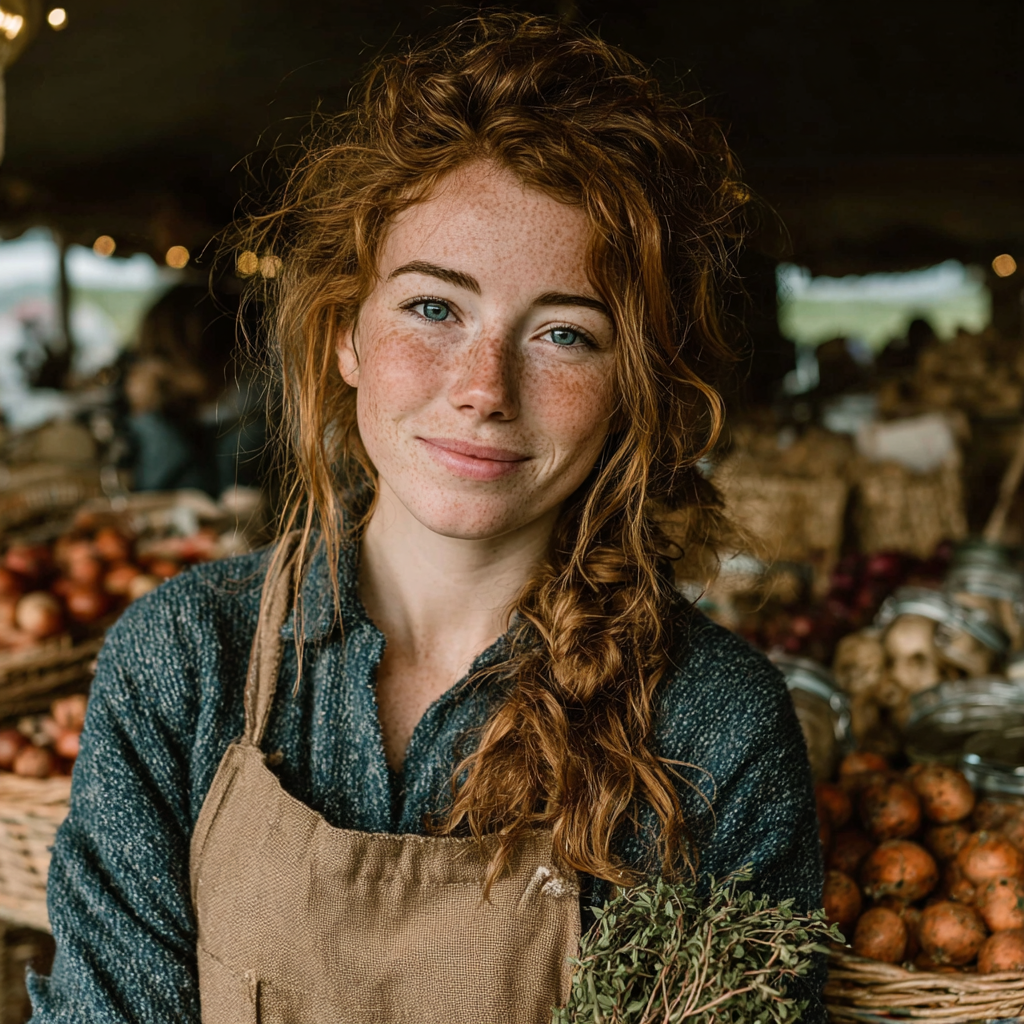
By Sophie Brennan
Irish food writer and historian based in Lisbon. Sophie combines her background in medieval history with a passion for contemporary gastronomy. She has written for Condé Nast Traveller and authored two cookbooks exploring Celtic and Iberian culinary traditions.