
Marrakech Unrushed: A Wellness Seeker's Guide to Hammams, Riads, and the Medina's Real Rhythms
By Amara Okafor
The first time I walked into a hammam in Marrakech, I made every mistake possible. I brought the wrong soap, tried to keep my towel on, and sat in the hot room until I nearly fainted. A woman named Fatima, who ran the local bathhouse in the Dar el Bacha neighborhood, took pity on me. She showed me how to use the kessa glove properly, how to breathe in the steam, and when to move between the hot, warm, and cold rooms. That afternoon cost about 40 dirham (roughly $4) and changed how I understood the city.
Marrakech rewards the traveler who slows down. The medina demands it. The heat insists on it. And the rhythm of local life — the call to prayer at dawn, the afternoon closures when shopkeepers retreat for couscous and rest, the evening promenades along the ramparts — will restructure your day whether you plan for it or not.
This is not a checklist city. You cannot "do" Marrakech in three days and leave satisfied. You settle into it. You let the steam open your pores, the riad walls muffle the souk chaos, and the pace of the place teach you something you did not know you needed to learn.
Where to Stay: The Riad Question
You have two real options in Marrakech's medina: a riad or a hotel in the Ville Nouvelle. The guidebooks often push riads as the "authentic" choice, but the reality is more nuanced.
A proper riad is a house built around an interior garden or courtyard, typically with a central fountain and rooms on upper floors. The thick earthen walls — sometimes a meter deep — keep interiors cool even when the medina bakes at 45°C. The inward-facing design creates a private world separated from the street chaos. Good riads do this well. Bad riads feel like theme parks — too much brass, too many lanterns, staff who treat you like a tourist to be managed rather than a guest.
Riad Yasmine (Derb Chtouka, 35, Mouassine; riad-yasmine.com) gets the balance right. Run by Alice and Gabriel, a French couple who opened it in 2002, this eight-room house is one of the riads that started the whole trend — its green-and-white courtyard pool has been photographed a million times, but the atmosphere inside is genuinely calm. Rooms combine local textiles with polished tadelakt walls, and the homemade breakfast (fresh msemen, orange juice, local yogurt) is served on the rooftop until late morning. Doubles run from about 1,150 dirham ($115) in low season to 2,000 ($200) in spring and fall. Book directly through their website well in advance — this is one of Marrakech's most requested small hotels, and the whole riad rents from €1,500 a night if you are traveling with a group.
Riad Kniza (34 Derb l'Hotel, Bab Doukkala; riadkniza.com; +212 524 376 942) is the choice if you want old-school Moroccan hospitality. The owner, Mohamed Bouskri, inherited the house from his grandfather and restored it with museum-quality pieces. It has 11 rooms, heavy antique furniture, and staff who have worked there for decades. Rates in 2026 run roughly 1,700–3,500 dirham ($170–350) depending on room and season, and typically include airport transfer and dinner on your first night. The courtyard has a small plunge pool and a library of books on Moroccan art and history.
One thing nobody tells you: Marrakech levies a city tourist tax of roughly €3–4 per person per night, collected by your riad or hotel at checkout. It is rarely included in the quoted rate, so budget for it.
For longer stays, consider an apartment rental in the residential parts of the medina. The Sidi Ben Slimane neighborhood, northwest of Jemaa el-Fnaa, has less tourist traffic and better local food options. Expect to pay 400–600 dirham ($40–60) per night for a two-bedroom place with a kitchen. You lose the pool and the staff, but you gain the ability to cook with ingredients from the markets and the rhythm of a neighborhood where children play football in the alleys at dusk and old men drink tea on doorsteps.
If the medina feels overwhelming, Les Jardins de la Koutoubia (26 Rue de la Koutoubia; lesjardinsdelakoutoubia.com) sits just outside the walls, a two-minute walk from Jemaa el-Fnaa. It has a proper spa, a large heated pool, and rooms that blend Moroccan craftsmanship with modern comfort. Rates run 2,500–4,000 dirham. You trade some authenticity for sanity — sometimes that is the right call.
The Hammam: A Practical Guide
Moroccan bathhouses fall into two categories: tourist hammams and neighborhood hammams. You should try both.
Tourist hammams are cleaner, more comfortable, and significantly more expensive. La Mamounia's spa (Avenue Bab Jdid; lamamounia.com) charges around 1,500 dirham ($150) for a basic hammam treatment in marble-clad rooms where attendants speak four languages. Open 9 AM to 9 PM daily. The Selman Marrakech (Route d'Amizmiz, Km 5; selmanmarrakech.com), outside the city center, costs slightly less and has a more intimate feel with heated stone slabs and rose-scented steam. Open 10 AM to 8 PM. These places provide everything: robe, slippers, disposable underwear, high-end black soap, and professional attendants.
In the middle sits Hammam de la Rose (160 Derb Sidi Ahmed Soussi, just off Rue el Ksour; +212 524 38 99 04; hammamdelarose.com; daily 10 AM–8 PM), a riad-turned-hammam near the Mouassine district that bridges the two worlds. A traditional hammam session here runs about 450 dirham, massages start around 250 dirham, and a combined ritual is roughly 600 dirham ($60). You get the vaulted steam rooms and kessa scrub without the five-star markup — this is the sweet spot for a first-timer who wants the real thing with trained staff.
Neighborhood hammams cost 10–20 dirham ($1–2) for entry. You bring your own soap, towel, and kessa glove. The experience is communal, functional, and — for first-timers — potentially overwhelming. Men and women bathe separately, typically on different days or in different sections. Hours are usually 6 AM to 10 PM, with women in the morning and early afternoon, men in late afternoon and evening. Call ahead or ask your riad to confirm current schedules, as these vary by neighborhood and shift during Ramadan.
Hammam Dar el-Bacha (just south of the Dar el Bacha palace) is the most accessible historic neighborhood option for visitors. The building dates from the 17th century. Local entry runs 10–20 dirham; visitors are typically welcomed at around 100 dirham, sometimes with an attendant included — confirm the arrangement before you commit. Bring a plastic mat to sit on (sold outside for 5 dirham), your own black soap (savon beldi), and a change of clothes. The process is straightforward: you sit in the hot room until you sweat, you scrub yourself (or pay an attendant ~50 dirham to do it), you rinse in progressively cooler rooms, and you finish with a bucket of cold water. Women-only most mornings; schedules shift after 4 PM. Fridays see reduced hours.
The health benefits are real. The heat and steam clear sinuses. The vigorous exfoliation removes dead skin. The cold plunge at the end stimulates circulation. More importantly, the hammam is where you see Marrakech without the performance. Women discuss family problems. Older men play cards in the changing area. The social fabric of the neighborhood is maintained here. On my third visit, Fatima introduced me to her sister, who sold me a jar of homemade ghassoul clay mask for 25 dirham. It became my weekly ritual.
Eating in the Medina
Jemaa el-Fnaa, the main square, is worth visiting once. The food stalls open at sunset. The atmosphere is carnival-like — snake charmers, henna artists, musicians competing for attention. The food is adequate but overpriced. A mixed grill plate costs 80–120 dirham ($8–12) and tastes like it was cooked for volume rather than flavor.
Better meals are found in the side streets. Chez Lamine (14 Rue des Banques, near the square; open noon to 4 PM daily) has been serving mechoui (slow-roasted lamb) since 1978. They cook whole sheep in underground pits lined with eucalyptus wood. The meat is served by weight — 60 dirham ($6) for 250 grams, enough for one person with bread and salad. Arrive before 2 PM; they often sell out by mid-afternoon. The interior is bare — plastic tables, tiled floors — and the lamb is some of the best in North Africa.
For breakfast, find a msemen vendor. These square, layered pancakes are fried on griddles at street corners throughout the medina. A plain msemen costs 2 dirham. With honey and soft cheese (jben), it is 5 dirham. The best ones are made fresh — look for a crowd and a griddle that is actively smoking. Near the Mouassine fountain, a woman named Aisha sets up at 7 AM most mornings. Her msemen are thinner, crispier, and she remembers your order after one visit.
The food souks, north of Jemaa el-Fnaa, are where residents shop. Herbs, spices, olives, and preserved lemons are sold from open barrels. The mint for tea — the reason Marrakech smells of fresh mint in the mornings — comes from here. Prices are unmarked. Expect to negotiate, though the margins are small. A large bundle of mint costs 5 dirham. A kilogram of good quality olives runs 30–40 dirham. Ask for "lhamd mrakad" (preserved lemons) from the barrels near the dried fruit vendors; they are essential for tagines and cost 15 dirham for a small bag.
Cafe Clock (224 Derb el Cadi, Kasbah; cafeclock.com) serves as a reliable fallback. The menu includes both Moroccan standards and Western options. The rooftop has views of the Atlas Mountains on clear days. They also host storytelling evenings and cooking classes — check the current schedule on their site. A lunch of vegetable tagine with bread costs 70 dirham. The staff are used to solo travelers and will seat you at a communal table if you ask.
Le Jardin (32 Souk Sidi Abdelaziz, Medina; lejardin.ma) hides behind an unmarked door in a plant-filled courtyard. The menu is modern Moroccan — lamb burger with harissa mayo, grilled octopus with chermoula — and the setting feels like a secret garden. Mains run 120–180 dirham. Open noon to 11 PM. Reservations recommended after 7 PM.
Navigating the Souks
The souks occupy the northern half of the medina, stretching from Jemaa el-Fnaa to the Ben Youssef Madrasa. The main arteries are crowded with tour groups and aggressive sales tactics. The side alleys are where the actual commerce happens.
Leather goods dominate the Attarine souk. The tanneries are located outside the medina walls in the Bab Debbagh district. You can visit them — the process of treating hides with pigeon dung and natural dyes is genuinely interesting — but be prepared for the smell and for guides who demand tips. A straightforward visit without a "guide" is possible if you walk directly to the viewing terraces; some will still ask for 20 dirham. The finished products sold in the souk range from cheap tourist bags to high-quality goods. A well-made leather satchel, properly tanned and stitched, costs 400–800 dirham ($40–80) after negotiation. Start at half the asking price and be prepared to walk away.
The carpet souks require even more caution. Berber rugs are genuine cultural artifacts with real value. They are also sold with elaborate stories and inflated prices. A small (1.5m x 1m) Beni Ourain rug, hand-woven from wool, represents roughly three weeks of work. A fair price is 2,000–3,500 dirham ($200–350). Larger pieces, older pieces, and those with complex patterns command more. If you do not know what you are looking at, do not buy. There are reputable dealers — Mustapha Blaoui (17 Rue Bab Doukkala; open 9:30 AM to 7 PM) and Maison Tiskiwin (25 Rue Riad Zitoun el Jadid; open 10 AM to 6 PM, closed Sunday) — but their prices reflect their expertise.
For smaller souvenirs, the metalworkers in Place Rahba Kedima sell lanterns, tea sets, and practical kitchen items. A hand-hammered copper tea pot costs 150–250 dirham. Six small tea glasses run 30–50 dirham. These make better gifts than the imported trinkets sold near the square. The spice vendors here also sell ras el hanout — the "head of the shop" blend — for 20–40 dirham per 100 grams depending on quality. Ask to smell before buying; the cheap stuff is mostly turmeric and filler.
The Ville Nouvelle and Beyond
Guéliz, the French colonial district built outside the medina walls, operates on a different rhythm. The streets are wider. The buildings are Art Deco and modernist rather than medieval. The cafes have outdoor seating where women smoke and work on laptops without attracting attention.
Cafe de France (Place de France, Avenue Mohammed V) has been open since 1925. The coffee is mediocre but the people-watching is excellent. Locals play cards for hours. Waiters in white jackets move slowly. A petit noir costs 15 dirham.
Grand Cafe de la Poste (Corner of Boulevard El Mansour Eddahbi and Avenue Imam Malik; grandcafedelaposte.com), in a former postal building, serves alcohol and French bistro food. A croque monsieur costs 65 dirham. A glass of local Flag Speciale beer is 40 dirham. The leather banquettes and ceiling fans feel like colonial Casablanca. Open 8 AM to midnight.
The Majorelle Garden (Rue Yves Saint Laurent, Guéliz; jardinmajorelle.com) is the city's most visited site, and the logistics have tightened. Entry for foreign visitors is now 170 dirham ($17), plus 60 dirham more for the Pierre Bergé Berber Museum (230 MAD combined); the neighboring Musée Yves Saint Laurent adds 140 MAD, with triple combos running 290–330 MAD. Tickets are sold online only at tickets.jardinmajorelle.com with fixed timed entry — arrive without one and you will be turned away, and arriving more than 30 minutes late can void your slot. The garden opens daily at 8 AM (last entry 6 PM, closes 6:30 PM); the YSL museum is closed Wednesdays. Go at opening, before the tour buses, when the cobalt-blue villa and cactus alleys are still quiet. The Villa Oasis section of the garden is closed Wednesdays.
If the crowds or prices put you off, the Menara Gardens (Avenue de la Menara; free, open sunrise to sunset) are less manicured and more used by actual Marrakchis — an olive grove, a reflecting pool, and views of the Atlas Mountains without the queues.
If you have a full day, the Ourika Valley in the Atlas Mountains provides escape from the city heat. Local bus number 35 leaves from the Bab Rob bus station (near the medina's western gate) at 9 AM, 11 AM, and 2 PM. The journey takes 90 minutes and costs 30 dirham. The valley has hiking trails, Berber villages, and waterfalls that flow year-round. Guides at the trailhead offer their services for 200–300 dirham. You do not need one for the main path to the first waterfall, but their knowledge of side trails and local history adds value if you are going further. The village of Setti Fatma, 60 kilometers from Marrakech, has the best trailheads and riverside cafes serving tagine and mint tea for 50 dirham.
What to Skip
The Majorelle Garden after 9:30 AM. By mid-morning the paths are packed with tour groups taking selfies against blue walls, and at 170 dirham the value drops fast. If Yves Saint Laurent's legacy matters to you, book the first timed slot at 8 AM sharp through the official site. Otherwise, the Menara Gardens offer more space and zero entry fee.
Horse-drawn carriage rides around the medina. They cost 200–300 dirham for a loop that mostly exposes you to exhaust fumes from the taxis behind you. The horses are often poorly cared for. Walk the ramparts at sunset instead — start at Bab Agnaou and follow the wall northwest for twenty minutes.
Argan oil sold in the medina. Most of it is diluted with cheaper oils or imported from factories rather than women's cooperatives. If you want the real product, buy directly from the Coopérative Tamounte in the Ourika Valley (150–200 dirham per 100ml of culinary-grade oil) or from the Ensemble Artisanal near the Koutoubia Mosque, where government-certified cooperatives sell tested oil for 180–220 dirham.
The "Berber pharmacy" spice shops near Jemaa el-Fnaa. They are theater — men in lab coats mixing "magic" remedies while explaining that every spice cures something. The spices are often old, overpriced, and packaged for tourists. Buy from the food souks where locals shop.
Restaurants with touts outside. If someone is aggressively inviting you in, the food is rarely good. The best places in the medina have no signage, no menu in English, and no one standing in the doorway.
Practical Logistics
Getting In and Out
Marrakech Menara Airport (RAK) is about 6 kilometers southwest of the medina. In 2026, a petit taxi (the small beige cars with a blue stripe) to the medina runs 100–150 dirham by day; after 8 PM a legal 50 percent night surcharge applies, so expect 150–200. Insist on the meter or agree the price before entering — the official airport taxi desk inside the terminal sells fixed-fare vouchers if you would rather not negotiate. The airport express bus (L19/L20) runs into Guéliz and near Jemaa el-Fnaa for about 30 dirham, though with luggage the taxi is easier. If your riad offers a pickup (typically 200–280 dirham), take it on arrival — someone who knows the way through the medina's maze is worth the small premium when you are jet-lagged.
Entry formalities: Most Western nationalities — US, UK, EU, Canada, Australia, New Zealand — enter Morocco visa-free for up to 90 days. You need a passport valid at least six months beyond your stay with a blank page for the entry stamp, and border officers may ask for a return or onward ticket and proof of accommodation. One catch that trips up Europeans: national ID cards are not accepted for Morocco, so you must travel on a passport. Travel insurance is not mandatory but is strongly recommended.
The ONCF train station (Avenue Hassan II, Guéliz) connects Marrakech to Casablanca (under 3 hours, from ~150 dirham), Rabat, and Tangier via Casablanca. First class is worth the small premium — assigned seats, air conditioning, and working toilets.
Getting Around
Walking is the only way to navigate the medina itself. The alleys are too narrow for cars. Motorcycles are everywhere and move fast — listen for horns and step into doorways when they approach. Download an offline map (Maps.me works well) but accept that you will get lost. The medina is designed to confuse invaders. It still works on visitors. After three days, you will recognize landmarks: the Mouassine fountain, the scent of the leather district, the sound of the metalworkers.
For longer distances, petit taxis are cheap and plentiful. A ride from Guéliz to the medina should cost 20–30 dirham on the meter. Many drivers claim the meter is broken; insist or find another taxi. There are thousands of them. After 8 PM, rates increase by 50 percent.
Money and Costs
Morocco is largely cash-based. Many restaurants and shops in the medina do not accept cards. There are ATMs at the major banks in Guéliz and near Jemaa el-Fnaa, but they sometimes run out of cash on weekends. The dirham runs about 10 to the US dollar. Carry a mix of small and large bills. Change 100-dirham notes at hotels or shops when possible; taxi drivers and street vendors rarely have change for 200s.
A comfortable daily budget runs 600–1,000 dirham ($60–100): 400 for accommodation, 150 for food, 50 for transport and entry fees. Budget travelers can survive on 300 dirham by eating street food and staying in hostels. Luxury travelers should expect 2,500+ dirham for high-end riads and restaurant meals.
Dress and Behavior
Dress modestly. Shoulders and knees should be covered, especially for women. This is not just respect — it reduces harassment. The more covered you are, the less attention you attract from the young men who cluster in tourist areas. Men should avoid shorts in the medina; lightweight trousers are cooler anyway.
Learn basic French. Morocco was a French protectorate until 1956, and French remains the language of administration and commerce. "Bonjour," "s'il vous plaît," "combien?" and "merci" will get you further than English. Arabic greetings — "salaam alaikum" — are appreciated but not expected from tourists. In tourist riads, English is usually fine.
Health and Safety
Tap water is technically treated but most travelers stick to bottled water (5 dirham for 1.5L). The heat is the real health risk — dehydration creeps up on you. Drink more than you think you need, especially after a hammam where you have sweated out salts. Carry oral rehydration salts from a pharmacy (10 dirham per sachet).
The medina is safe but chaotic. Pickpocketing is rare but keep your phone secure when taking photos in crowds. Aggressive salesmanship is the main annoyance, not danger. A firm "la, shukran" (no, thank you) and walking away works better than engagement. Women traveling alone may receive attention; wearing a ring (any ring) and mentioning a husband — real or imaginary — usually ends persistent approaches.
When to Go
March through May and September through November are ideal. Temperatures stay between 20–28°C (68–82°F) with eight or more hours of sun. The roses in the Ourika Valley bloom in April. The almond blossoms in the Atlas foothills appear in late February.
The summer months (June–August) regularly exceed 40°C (104°F). The city empties of locals, who flee to the coast or mountains. Many restaurants and shops reduce hours. If you must visit in summer, plan your days around the heat: souks in the morning, hammam or riad pool in the afternoon, dinner after 9 PM when temperatures drop.
Winter brings cold nights — the medina's stone houses are built to stay cool, not warm — but daytime temperatures are pleasant and crowds are thin. A good riad will provide blankets and hot water bottles. December and January are excellent for photographers; the low sun casts long shadows across the pink walls.
Ramadan, the Islamic month of fasting, changes the city's rhythm. It ran from mid-February to mid-March in 2026; the next one falls around early February to early March 2027. During daylight hours, many cafes close. Eating or drinking in public is disrespectful. After sunset, the city comes alive with iftar meals. Non-Muslims are often welcomed at these communal dinners. The experience is worth planning around, but requires sensitivity and advance research on exact dates.
Final Notes
Marrakech is not a city you conquer. It is a place you adapt to. The frustration many travelers feel comes from trying to maintain their normal pace and expectations. The medina resists this. The heat resists this. The culture of taking time — for tea, for conversation, for the long lunch — is stronger than your schedule.
Bring a good book. Sit in gardens. Accept that you will not see everything. The city has been here for a thousand years. It will be here when you return.
If you are buying argan oil, the women's cooperatives in the Ourika Valley sell it directly for 150–200 dirham per 100ml — about half what you will pay in the medina. Check that it is culinary grade (toasted, nutty smell) if you plan to cook with it, or cosmetic grade (lighter scent) for skin and hair. The best indicator of real argan oil is the sediment at the bottom of the bottle; refined factory oil is perfectly clear.
The hammam is not a spa treatment. It is a weekly ritual, a social institution, and a reminder that taking care of your body is not a luxury. Fatima told me, "You come here to get clean, but you leave because you remember how to slow down." She was right. That is the real reason to come to Marrakech.
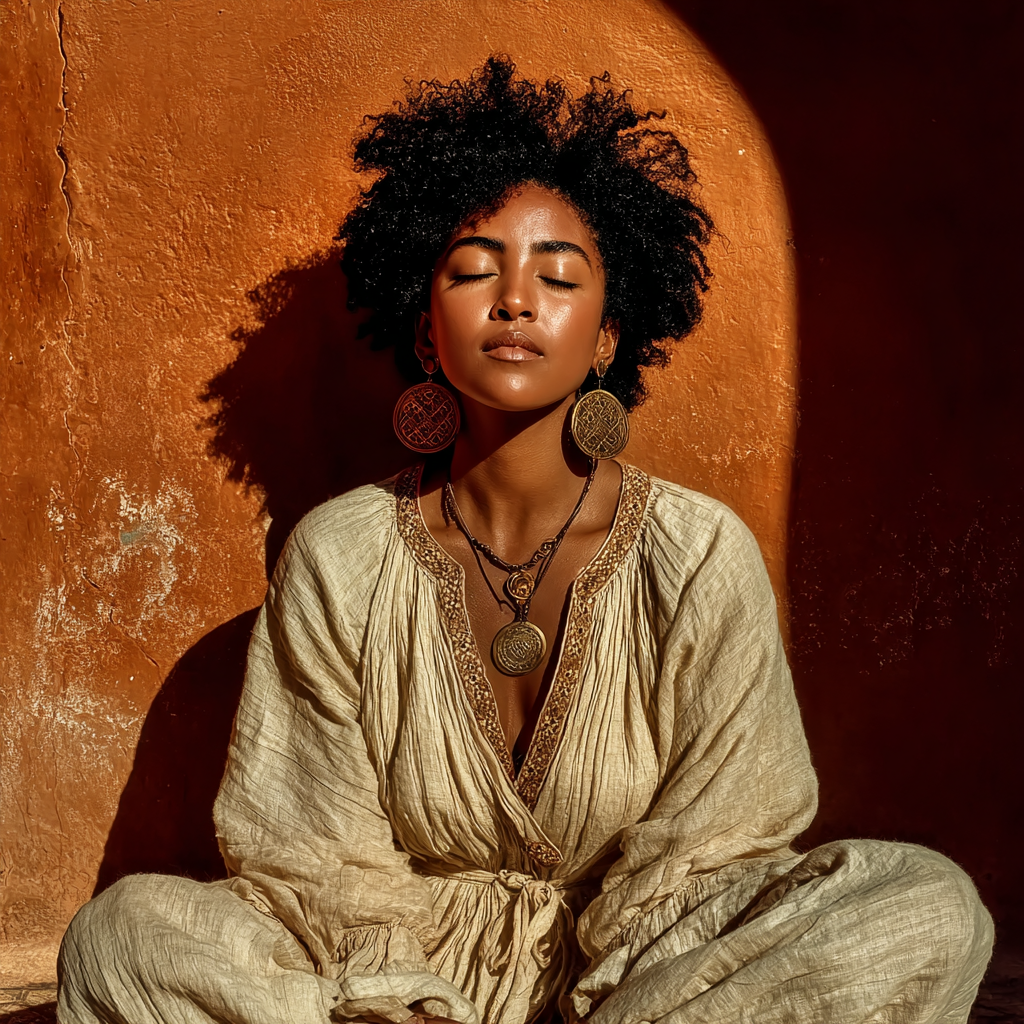
By Amara Okafor
Nigerian-British wellness practitioner and cultural historian. Amara specializes in traditional healing practices and spiritual tourism. Certified yoga instructor and Ayurvedic consultant who writes about finding inner peace through cultural immersion.