
Monaco is smaller than Central Park and has more Rolls-Royces per capita than anywhere else on earth. That is not a compliment. It is a warning. Most visitors arrive from Nice on the twenty-minute train, walk to the casino, take a photo of a Bentley, and leave convinced the place is a theme park for oligarchs. It is. But it is also something else: a laboratory for how luxury travel actually works when every detail is scrutinized daily by people who have seen five hundred five-star properties and are not impressed by marble lobbies.
I inspected hotels here for twelve years. The ones that survive do so because they understand something the flashier places in Dubai and Miami do not: money buys space, but service requires institutional memory. Monaco has been at this since 1863. The good properties remember your name. The bad ones remember your credit limit.
Where to Stay
The Hotel de Paris Monte-Carlo is the headline act, and for once the reputation is earned. The building dates to 1863, the lobby is Belle Époque, and the rooms facing the Place du Casino have terraces where you can watch Ferraris idle at red lights. But the real value is in the service architecture. The concierge desk has direct lines to restaurant managers who do not answer phones for the public. The spa, the Thermes Marins, is accessed via an underground corridor so guests never cross the street in a bathrobe. Rooms start at €750 in low season and climb past €3,000 for suites during the Grand Prix. The Louis XV-Alain Ducasse restaurant is downstairs. You are paying for the network, not the thread count. The thread count is excellent, but the network is why you came.
The Hotel Hermitage, across the square, is the quieter sibling. Same ownership, smaller lobby, lower profile. The rooms are lighter, with pastel tones and sea views that face the port rather than the casino garden. The Michelin-starred restaurant, Le Vistamar, focuses on fish. Rates run €600-€2,200. If you are here for business or are trying to avoid being seen, this is the better choice. The corridor connecting the two hotels means Hermitage guests use the same spa and pool complex as the de Paris guests. You get the infrastructure without the theater.
Monte-Carlo Beach, ten minutes east along the coast, is the seasonal alternative. Open April to October, it has a 1930s ocean-liner aesthetic, a private beach, and an Olympic-size saltwater pool carved into the rocks. Rooms are simpler than the de Paris but the location is the point. You wake up, swim, eat breakfast on the terrace, and do not think about the casino until evening. Rates €500-€1,800.
The Maybourne Riviera, technically in Roquebrune-Cap-Martin just outside Monaco, is the insurgent option. Opened in 2021, it is a glass-and-steel cliffhanger with a Ceto restaurant by Mauro Colagreco. The rooms are larger than anything in Monaco proper, the views are better, and the staff have not yet accumulated the institutional rigidity of the older properties. Rates €700-€2,500. The trade-off is location. You are not in Monaco. You are looking at it.
Where to Eat
Louis XV-Alain Ducasse at the Hotel de Paris holds three Michelin stars and has since 1990. The menu is Provence-Mediterranean, the ingredients are sourced within a tight radius, and the dining room is gilded without being suffocating. Tasting menus run €350-€450 without wine. Lunch is the smarter reservation. The kitchen is less rushed, the light in the room is better, and you can walk afterward to digest. Dinner here is a performance. Lunch is a meal.
Le Grill, on the eighth floor of the Hotel de Paris, is the rooftop option. The specialty is wood-fired meat and fish, the view covers Italy on a clear day, and the roof retracts in summer. Mains €80-€150. The soufflé is the signature dessert and requires twenty minutes' notice. Order it when you sit down.
Blue Bay, at the Monte-Carlo Bay Hotel, is where Marcel Ravin cooks Caribbean-influenced French food that earned two Michelin stars. The terrace overlooks the Mediterranean. The duck with passion fruit is the dish people remember. Tasting menus €180-€260.
For something lower-key, Elsa at the Monte-Carlo Beach is the only all-organic Michelin-starred restaurant in France. The menu changes daily based on what the market boats bring in. Mains €45-€75. It is quieter, the portions are reasonable, and you can wear linen without feeling underdressed.
Joël Robuchon's namesake at the Metropole Hotel has one star and a more accessible price point. The counter seating lets you watch the kitchen work. Tasting menu €160. This is where you eat if you want the precision without the ceremony.
What to Do
The Casino de Monte-Carlo is unavoidable and worth entering once. The main gaming rooms require a €10 entry fee and enforce a dress code after 8 PM: jacket for men, no sportswear. The Salle Garnier, the opera house attached to the casino, is where the Monte-Carlo Ballet performs from September to July. Tickets €35-€150. The building is smaller than La Scala or the Palais Garnier, which means every seat is close enough to see the sweat.
The Prince's Palace, on the Rock in Monaco-Ville, is open for tours June to October. The state apartments are roped-off Versailles-lite, but the changing of the guard at 11:55 AM daily is free and precise. The Cathedral next door holds the tombs of Prince Rainier and Grace Kelly. It is a working church, not a museum, which means there is no ticket counter and no audio guide. Walk in, look, leave.
The Oceanographic Museum, also on the Rock, is the better cultural investment. Built into the cliff face in 1910, it has a 450,000-liter shark lagoon, a roof terrace with views across to Italy, and an aquarium collection that predates most of the visitors. Entry €19. The building itself, all neoclassical grandeur over the sea, is more impressive than the palace.
The Formula 1 circuit is public roads for eleven months of the year. You can walk the full 3.3-kilometer track in under an hour: start at the Fairmont Hairpin, climb past the tunnel, walk the pit straight, and finish at Rascasse. The grip marks on the asphalt are visible in July. During race weekend in late May, the same walk requires a grandstand ticket starting at €300.
The harbor is the city's living room. Yachts over thirty meters line the quays from April to October. You cannot board them, but you can sit at the Café de Paris on the square and watch the crews wash them. A harbor cruise on a tender boat runs €25 and gives you the angle on the cliffs and the buildings that you cannot get from land.
What to Skip
The shopping at the Metropole and the Carré d'Or is the same brands you find on Bond Street or Fifth Avenue with worse exchange rates. The nightclub scene at Jimmy'z and Twiga is expensive and repetitive unless you are twenty-four and someone else is paying. Larvotto Beach, the public beach, is narrow, pebbled, and crowded by 10 AM. The private beach clubs charge €80 for a lounger and do not justify it. Monte-Carlo Beach hotel guests get the same water for free.
Practical Logistics
The helicopter transfer from Nice Côte d'Azur Airport takes seven minutes and costs €150-€200 one-way. It lands on the Fontvieille heliport with a chauffeured car to your hotel. The train from Nice costs €4.10 and takes twenty minutes. Both deliver you to the same two square kilometers. Choose based on whether you are trying to impress yourself or save time.
There is no airport in Monaco. The closest is Nice, thirty kilometers west. Taxis from Nice run €90-€120. Uber does not operate in Monaco; the local taxi app is Monaco Taxi.
Walking is the primary transport inside Monaco. The vertical distance is what gets you. The path from the harbor up to the Rock is steep. Elevators are built into the rock face and are free. Locals use them. Tourists do not know they exist. Find the elevator at the Place des Pecheurs to skip the climb.
The bus system is efficient and costs €2 per ride. Lines 1 and 2 cover the main destinations. The hop-on hop-off tourist bus is €22 and unnecessary unless you have mobility constraints.
There is no income tax for residents, which explains the density of Ferraris. There is also virtually no street crime. The surveillance infrastructure is comprehensive and unapologetic.
Monaco does not need you to like it. It needs you to pay the cover charge. If you understand that going in, the place becomes functional. The hotels are genuinely good, the restaurants are genuinely precise, and the absurdity of the setting becomes part of the package rather than a reason to dismiss it. Stay one night, eat one serious meal, walk the circuit, and leave before the gilt starts to feel normal. That is the correct dosage.
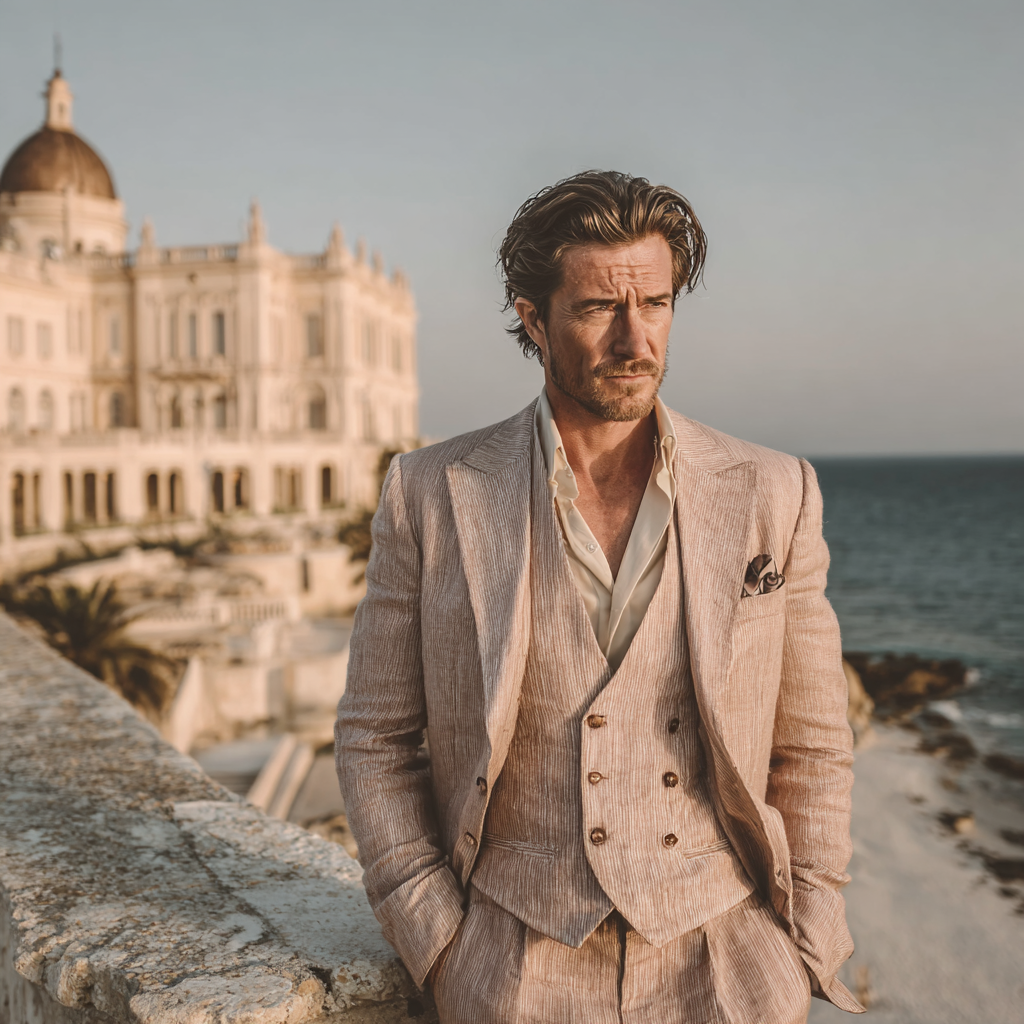
By Leo Novak
Luxury hospitality critic and former hotel inspector. Leo has slept in over 500 five-star properties across 40 countries. He notices the thread count, sure—but more importantly, he notices whether the staff remember your name and if the concierge actually knows the city.