
Mole, Nuns, and Midnight Cemitas: A Food-Lover's Guide to Puebla, Mexico
The first time I tasted proper mole poblano in Puebla, I understood why this city has been called the stomach of Mexico. It was a Monday afternoon at Fonda de Santa Clara, and the dining room upstairs was filling with three-generation families settling in for Sunday lunch that had stretched into its second day. A waiter in a pressed white jacket delivered my plate: a chicken thigh submerged beneath a sauce so dark it absorbed the light, glossy with rendered fat and redolent of chocolate, chile, sesame, and something else I couldn't name. "Cinnamon," the waiter said, watching my face. "Clove. Also, a little bread." He said this last part as though it were a secret. In Puebla, mole is always a little bit of a secret.
This is a city where nuns invented national dishes in convent kitchens, where Lebanese immigrants reshaped taco culture, and where the best food often comes from a stall wedged between a butcher and a candle shop. Puebla is Mexico's fourth-largest city, but its Centro Histórico feels like a village that just happens to have 2,600 colonial buildings and a UNESCO World Heritage designation. The Spanish founded it in 1531 on the route between Mexico City and Veracruz, and for nearly five centuries it has been absorbing influences—Spanish, Arab, indigenous, French—and turning them into something unmistakably its own.
I came for the mole. I stayed for the cemita sandwiches at midnight, the raisin liqueur served with a cube of cheese, and the realization that Puebla's greatest culinary achievement is not any single dish but the sheer generosity of its food culture. This is a city that feeds you whether you're ready or not.
The Holy Trinity: Mole, Chiles en Nogada, and the Legacy of the Convent
Puebla's culinary identity was forged in the kitchens of colonial convents, where nuns—many of them the daughters of Spanish nobility—developed the dishes that would become national icons. The most famous story claims that mole poblano was created in the 16th century by the nuns of Santa Rosa Convent to honor a visiting archbishop. The legend is almost certainly apocryphal, but the convent's connection to the dish is real. Today the Ex-Convento de Santa Rosa houses a museum where you can see the original kitchen where mole was supposedly born, its massive talavera-tiled stoves and copper pots preserved exactly as they were four centuries ago (Calle 3 Norte 1203, Centro Histórico; open Tuesday–Sunday 10am–5pm; admission ~40 pesos).
Mole poblano is a sauce of staggering complexity. A proper version contains upward of 30 ingredients: multiple chiles (ancho, mulato, pasilla), chocolate, sesame seeds, almonds, peanuts, raisins, plantain, tomato, garlic, onion, cinnamon, clove, anise, coriander, and more. Each cook has their own recipe, guarded like a family secret. The sauce is labor-intensive—recipes often begin with "toast each ingredient separately"—and the result is a flavor that operates on multiple frequencies simultaneously: smoky, sweet, bitter, spicy, nutty, and deeply savory.
El Mural de los Poblanos is the most respected temple of mole in the city. Located in a restored colonial house with murals by local artist Antonio Álvarez Morán, the restaurant earned a Michelin Guide recognition in 2025 for its commitment to traditional technique. The space is serious—arched doorways, tiled floors, hushed conversations—but the food is the main event. The mole poblano here is dark as espresso, with a sheen that catches the light. Order it with turkey (the traditional pairing) or with their enchiladas tres moles if you want to compare Poblano, pipián verde, and pipián rojo side by side. The chiles en nogada in season are equally unmissable: a poblano chile stuffed with picadillo (spiced meat and dried fruit), draped in a walnut cream sauce, and scattered with pomegranate seeds—the green, white, and red of the Mexican flag. The restaurant provides a certificate of authenticity proving all ingredients were sourced from within the state.
El Mural de los Poblanos 📍 16 de Septiembre 506, Centro Histórico ⏰ Daily 1:00pm–11:00pm (closes 6:00pm Sunday) 📞 +52 222 242 0503 💰 ~$30–50 USD per person for dinner 🔗 elmuraldelospoblanos.com
For a more democratic mole experience, Fonda de Santa Clara has been serving Poblano classics since 1965. The restaurant has two locations: the original at 920 Avenida 3 Poniente (near the Uriarte talavera workshop) and a second location at 307 Avenida 3 Poniente, closer to the zócalo. The zócalo location is tourist-friendlier but livelier—upstairs rooms host live music on Sunday afternoons, and the downstairs dining room draws a mix of visitors and locals. The comida corrida (set lunch) is a bargain at around 120–150 pesos (~$6–8 USD), but the move is to order à la carte: mole poblano, chiles en nogada (in season), or the restaurant's signature sopa poblana, a rich soup of corn, chile, and cheese. The staff will push the daily specials; smile, thank them, and order the mole anyway.
Fonda de Santa Clara 📍 307 Avenida 3 Poniente (zócalo) / 920 Avenida 3 Poniente (Uriarte) ⏰ Daily 8:00am–8:00pm 💰 ~$8–15 USD per person
Chiles en nogada is a seasonal dish, available primarily from July through September when pomegranates ripen and walnuts are fresh. The dish was allegedly created by Augustinian nuns in 1821 to celebrate Mexican independence, though like the mole origin story, this is likely romanticized. What is certain is that the dish requires ingredients that grow within a 50-kilometer radius of Puebla: the poblano chile, the walnut, the pomegranate, the local meat and fruit. In September, the city goes chile-mad. Restaurants compete for the most elaborate presentation. Street vendors sell miniature versions. The Mercado de Sabores has stalls where you can watch women assemble them by hand, stuffing the chiles, spooning the nogada, placing each pomegranate seed with tweezers.
The Cemita: Puebla's Greatest Sandwich and the Art of Excess
If mole poblano is Puebla's formal cuisine, the cemita is its id—a sandwich so overloaded, so structurally unsound, so aggressively flavorful that eating one feels like a small triumph over physics. The cemita begins with a sesame-seed bun the size of a personal pizza, sliced and layered with: a breaded and fried meat cutlet (milanesa), quesillo (stringy Oaxacan cheese), avocado, raw onion, pápalo (a pungent Mexican herb somewhere between cilantro and arugula), chipotle chiles, and sometimes ham or head cheese. The result is a sandwich that requires two hands, a napkin stack, and a certain fatalism about your shirt.
The cemita's origins are debated, but the consensus is that it emerged in Puebla's markets in the early 20th century, named for the cemita bread itself—a slightly sweet, sesame-crusted roll that may have Jewish-Spanish origins. The sandwich shares DNA with Mexico's torta tradition but is distinct in its specific combination of ingredients and its refusal to compromise. You do not order a "small" cemita. You do not ask for it without the pápalo. You accept the sandwich on its own terms or you do not eat it at all.
The best cemitas in Puebla are found in two places: the Mercado de Sabores and the Mercado del Carmen (also called Mercado Melchor Ocampo, at 21 Oriente No. 205). At the Mercado de Sabores, Cemitas y Tortas La Poblanita serves a classic version with all the traditional fixings for around 60–80 pesos (~$3–4 USD). The market setting is pure theater: butchers calling out prices, women grinding chiles on metates, the smell of frying meat mixing with the sweet perfume of fruit. Be warned: the market stalls have no bathrooms, and the seating is communal and competitive.
Mercado de Sabores 📍 Calle 11 Norte, Centro Histórico (near the corner of 11 Norte and 6 Oriente) ⏰ Daily 7:00am–6:00pm 💰 Cemitas 60–80 pesos; chalupas 35–50 pesos
For a slightly more composed experience, Cemitas Las Poblanitas at Mercado del Carmen offers the same sandwich with marginally more elbow room. Order the clásica with quesillo and milanesa, or go full send with the pata de res (beef foot) version if you're feeling adventurous. The chiles en vinagre and chipotles are self-serve; load up or regret it.
Cemitas Las Poblanitas 📍 Mercado del Carmen (Melchor Ocampo), 21 Oriente No. 205 ⏰ Daily 8:00am–5:00pm 💰 ~50–90 pesos
There is a third, more esoteric option. On Monday nights, the area outside Arena Puebla (where lucha libre matches draw crowds) transforms into an impromptu cemita festival. Vendors set up grills and fry stations, and the sandwiches here are bigger, messier, and somehow more authentic than their daytime counterparts. The crowd is half families, half lucha fans in masks, all of them eating cemitas with the focused intensity of people who know exactly what they're doing. Matches start at 8:00pm; arrive by 7:00pm to eat before the bell rings.
Tacos Árabes and the Lebanese Inheritance
Puebla's other great sandwich is the taco árabe, and its story is one of immigration and adaptation. In the early 20th century, Lebanese immigrants arrived in Puebla (and Mexico City) fleeing the Ottoman Empire. They brought with them shawarma—spit-roasted lamb shaved into pita bread. Over decades, the lamb became pork, the pita became a flour tortilla, and the spit became a vertical rotisserie called a trompo. The result is a taco árabe: thinly sliced, cumin-scented pork wrapped in a slightly chewy flour tortilla, dressed with nothing but a squeeze of lime and a dab of salsa.
The best tacos árabes are found at Taquería La Oriental (various locations, including one near the zócalo at 3 Poniente and 5 de Mayo). The restaurant has been serving the same recipe since 1932, and the pork is sliced so thin it practically melts. Order them by the half-dozen; one is never enough. The taquería is open late, and the crowd is young, loud, and mostly local. A plate of five tacos will set you back about 60 pesos (~$3 USD).
Taquería La Oriental 📍 Multiple locations; original at 3 Poniente near 5 de Mayo ⏰ Daily 6:00pm–2:00am 💰 ~60 pesos for 5 tacos
For a more upscale take, Tacos Tony (3 Poniente No. 149, Centro Histórico; daily until 9:00pm) serves tacos árabes alongside more traditional Mexican tacos in a sit-down setting. The quality is excellent, but the atmosphere is calmer—better for families, less good for the full late-night taquería experience.
The Lebanese influence on Poblano cuisine extends beyond tacos. The city's tradition of using nuts, dried fruit, and sweet spices in savory dishes—hallmarks of both mole and chiles en nogada—may owe something to Middle Eastern cooking techniques that filtered into convent kitchens through trade and cultural exchange. Puebla has always been a city at the crossroads.
Chalupas, Chanclas, and the Market Breakfast
Before noon in Puebla, the food scene shifts. The mole restaurants are closed or empty. The cemita vendors are setting up. The action moves to the markets and street corners, where breakfast is a serious, multi-dish affair.
Chalupas are the definitive Poblano breakfast antojito: small, thick tortillas fried in lard until they puff slightly, then topped with shredded chicken or pork, salsa (red, green, or both), raw onion, and sometimes a crumble of fresh cheese. They're served in sets of three or four, meant to be eaten standing up or perched on a plastic stool. At the Mercado de Sabores, chalupas cost 35–50 pesos per order and are best eaten before 10:00am, when the lunch crowd arrives and the griddle space gets repurposed.
Chanclas are less famous but equally essential: small rolls (similar to pambazo bread) split and filled with longaniza sausage in adobo, avocado, onion, quesillo, and a guajillo chile salsa. The name supposedly comes from the bread's shape, which resembles a sandal (chancla). El Mural de los Poblanos serves an elevated version, but the street-level experience is at any market stall with a griddle and a line.
For a sit-down breakfast, ATTA Salón Café has become the center of Puebla's specialty coffee scene. Located in a restored historic building at C. 5 Sur 705, the café is run by Ana Elvia Márquez, a coffee evangelist who sources beans from across Mexico and knows her way around a V60. The breakfast menu is simple—chilaquiles, molletes, pastries—but the coffee is the draw. Try the cold brew with vanilla and coconut cream, or the dirty golden milk latte. The space is calm, wifi is fast, and the contrast with the chaos of the markets is restorative.
ATTA Salón Café 📍 C. 5 Sur 705, Centro Histórico ⏰ Monday–Saturday 8:30am–8:00pm; Sunday closed 💰 Breakfast ~80–120 pesos; coffee ~45–70 pesos
Puebla also has a Coffee Passport program: pick up a passport booklet at any participating café (including ATTA) and collect stamps as you visit shops across the city. Other worthy stops include Calixto, Mexican Harvest, Café Espíritu, and Café Cultura. The passport is free and makes for a useful map of Puebla's best caffeine.
For a more traditional start, seek out the tamale vendor at the corner of 9 Oriente and 4 Sur (look for the OXXO; the vendor sets up on the adjacent sidewalk). The tamales here are 15 pesos each, sold from a steaming cauldron from roughly 7:00am until they run out, usually by 10:00am. Order the mole tamales if available; the salsa verde is excellent too. Eat them on the street. There are no chairs, no napkins worth the name, and no better way to start a day in Puebla.
La Pasita and the Cantinas of Puebla
Puebla's drinking culture is inseparable from its food culture, and no establishment embodies this better than La Pasita, the oldest cantina in the city. Located on Callejon de los Sapos in a building that looks like it hasn't changed since 1916 (because it hasn't), La Pasita is famous for two things: its namesake drink and its refusal to modernize.
The pasita is a sweet, raisin-based liqueur served in a shot glass with a cube of white cheese floating in it. The combination sounds bizarre—alcoholic prune juice with cheese—but the salt and fat of the cheese cut through the sweetness of the liqueur, creating something greater than the sum of its parts. The story goes that the original owner created the drink as a digestif for his regulars, and it became so popular that the cantina took its name. Today, La Pasita is crowded most nights with a mix of older locals who have been coming for decades and younger visitors who heard about it on TikTok. The atmosphere is loud, warm, and slightly sticky. There is no cocktail menu. There is barely a menu at all. You order pasitas, maybe a beer, and you talk to the people next to you.
La Pasita 📍 Callejon de los Sapos, Centro Histórico ⏰ Daily 10:00am–11:00pm 💰 Pasita ~35 pesos; beer ~40 pesos
For mezcal, Oaxaca de Mi Corazón (near La Pasita) offers a curated selection of artisanal mezcals in a more contemporary setting. The bartenders know their stuff and will guide you through the regional differences between Oaxacan and Pueblan mezcals. Puebla's mezcal tradition is younger than Oaxaca's but growing rapidly; look for producers working with wild maguey varieties from the nearby Sierra Negra.
Salón Mezcalli is the upscale option: a mezcal bar with Poblano small plates and an impressive collection of bottles from across Mexico. The space is sleek, the prices are higher, and the crowd is more dressed-up. Good for a date, less good for the rowdy cantina experience.
For beer, El Patio y las Ranas is a reliable brewpub with a rotating selection of Mexican craft beers and a courtyard that's pleasant on cool evenings. The food is decent—stick to the botanas (bar snacks)—but the real draw is the tap list.
The Sweet Tooth: Calle de los Dulces and Convent Candy
Puebla has a serious sugar habit, and the evidence is on Calle de los Dulces (6 Oriente, between 4 and 5 Norte), a single street lined with more than 40 candy shops selling traditional Poblano sweets. Many of these recipes trace back to the same convents that invented mole; nuns with time on their hands turned to confectionery, creating treats that have barely changed in centuries.
The essential purchases: tortitas de Santa Clara—shortbread cookies topped with a thick layer of sweetened condensed milk and a walnut half. Camote—cigar-shaped sweet potato candy in flavors ranging from vanilla to strawberry to pineapple. Dulce de leche con nuez—a rich milk candy topped with a whole walnut. Borrachitos—tiny sponge cakes soaked in syrup and alcohol. And palenqueta, a peanut brittle that's simpler than the others but addictive.
Dulcería La Central (6 Oriente and 4 Norte) is the most established shop on the street, with a selection that spans every Poblano sweet tradition. The staff will offer samples; accept everything. A mixed box of sweets costs around 150–250 pesos and makes an excellent gift—though it rarely survives the flight home uneaten.
Dulcería La Central 📍 Calle 6 Oriente and 4 Norte ⏰ Daily 9:00am–8:00pm 💰 ~150–250 pesos for a mixed box
For a more modern take on Puebla's sweet traditions, Casona María (reserve via WhatsApp: +52 221 202 1565) offers a seven-course tasting menu that includes dessert courses reimagining classic flavors. The chef visits each table to explain the dishes, and the experience is as much education as indulgence. This is special-occasion dining—expect to pay $40–60 USD per person—but it's a worthy splurge for anyone who wants to understand how Poblano cuisine is evolving.
Where to Stay: Sleeping in the Centro
Puebla's Centro Histórico is compact and walkable; staying within it means you can navigate most of the food scene on foot. The neighborhood is safe, lively, and full of architectural surprises—Talavera-tiled facades, hidden courtyards, Baroque churches around every corner.
Hotel Boutique Casa Reyna is the standout option: a 17th-century house converted into a 46-room boutique hotel, with a restaurant, spa, and pool. The building was originally indigenous workers' housing (a vecindad) on the "wrong" side of the river that divided Spanish and indigenous Puebla; that river is now Boulevard 5 de Mayo. The renovation by Ricardo Legorreta's firm preserved the original courtyards and added bold, modern design elements. Rooms start around $98–163 USD per night, and the location—Privada 2 Oriente 1007, on the edge of the Centro—is quiet but within 15 minutes' walk of the cathedral.
Hotel Boutique Casa Reyna 📍 Privada 2 Oriente 1007, Centro Histórico 💰 ~$98–163 USD/night 🔗 casareyna.com
For a more budget-conscious option, Hotel Gala (3 Poniente 150) is a solid three-star in the heart of the Centro, with clean rooms, decent showers, and a location that puts you within stumbling distance of the zócalo. Rooms run $40–70 USD/night.
Hotel 5 de Mayo (404 Blvd Heroes del 5 de Mayo) offers a step up: four-star amenities including a fitness center and indoor pool, with rooms around $60–100 USD/night. The location is slightly outside the Centro but still walkable.
For backpackers and solo travelers, the hostels near the zócalo offer beds for $15–25 USD/night. The area is safe and social, though expect noise on weekends.
Getting There and Getting Around
Puebla is 132 kilometers (82 miles) southeast of Mexico City, and the journey is straightforward. The ADO bus from Mexico City's TAPO terminal takes roughly two hours and costs 200–350 pesos (~$10–18 USD) depending on the service level. Buses depart every 30–60 minutes from early morning until late evening. Book in advance for weekends and holidays.
Puebla's CAPU bus station (Central de Autobuses de Puebla) is the main terminal, but it's located outside the Centro Histórico—about 20–30 minutes by taxi or Uber. Factor this into your arrival time. Uber works reliably in Puebla and is inexpensive; most rides within the Centro cost under 50 pesos.
Once you're in the Centro, walking is the best way to get around. The historic center is roughly 7 square kilometers, and most of the food destinations in this guide are within a 15-minute walk of the zócalo. The one exception is the Mercado del Carmen, which is slightly farther east; take an Uber or a local bus if you're not up for the walk.
For day trips, Cholula is 30 minutes west by colectivo (shared minivan) from behind the Mercado de Sabores. The town has the largest pyramid in the world by volume (yes, larger than Giza—though most of it is buried under earth and a church), a lively plaza, and its own food scene. Atlixco, 45 minutes south by bus from CAPU, is a pueblo mágico known as the "City of Flowers" with excellent views of Popocatépetl volcano.
When to Go
Puebla's climate is temperate year-round—days in the low-to-mid 20s Celsius, nights cool enough for a light jacket. The rainy season (June–September) brings afternoon downpours that typically clear within an hour; carry a light rain layer and plan indoor activities for late afternoons.
The most important consideration for food travelers is chiles en nogada season, which runs from mid-July through September. During this window, the dish appears on virtually every menu in the city, and restaurants compete for the most elaborate presentation. September is particularly festive, with Independence Day celebrations adding fireworks and street parties to the culinary agenda.
Day of the Dead (late October–early November) is another magical time, with altars, pan de muerto, and special menu items. The rest of the year is perfectly pleasant—just less dramatically so.
What to Skip
The tourist-trap restaurants on the zócalo itself—the ones with laminated menus in six languages and photographs of every dish. The food is edible but soulless, and the prices are inflated for the location. Walk two blocks in any direction and eat better for half the price.
The "Aztec" or "pre-Hispanic" shows marketed to tour groups. Puebla's indigenous heritage is real and important, but the dinner-theater versions are kitsch. If you're interested in pre-Hispanic culture, visit Museo Amparo (Calle 2 Sur 708; Tuesday–Sunday 10am–6pm; ~60 pesos), which has one of Mexico's finest collections of pre-Columbian art, remarkably curated to show the cultural context of each piece.
The free train to Cholula is no longer operating; ignore outdated guidebooks. Take a colectivo instead.
Angelópolis, Puebla's modern shopping and business district, is indistinguishable from any other Mexican mall zone. Unless you need something specific from a chain store, there's no reason to go.
Overpriced talavera from souvenir shops. Authentic Talavera pottery is beautiful and worth buying, but the certified workshops (like Uriarte, at 4 Poniente 911) offer better quality and fairer prices than the tourist shops. Look for the authentication mark; genuine Talavera de Puebla is protected by denomination of origin.
Final Bite
Puebla is not a city that reveals itself quickly. The first mole might overwhelm. The first cemita might defeat you. The first pasita might make you wince. But Puebla rewards persistence. By the third day, you'll be ordering mole like a regular, eating cemitas with your shirt strategically protected, and drinking pasitas without flinching at the cheese cube. The city doesn't adapt to you; you adapt to it. And once you do, you understand why Poblanos are so fiercely proud of their food. They know what they have. And now, so do you.
— Sophie Brennan
Sophie Brennan writes about the places where food and history collide. She has eaten her way through 23 Mexican states and still believes Puebla's mole is worth the 30-ingredient shopping list.
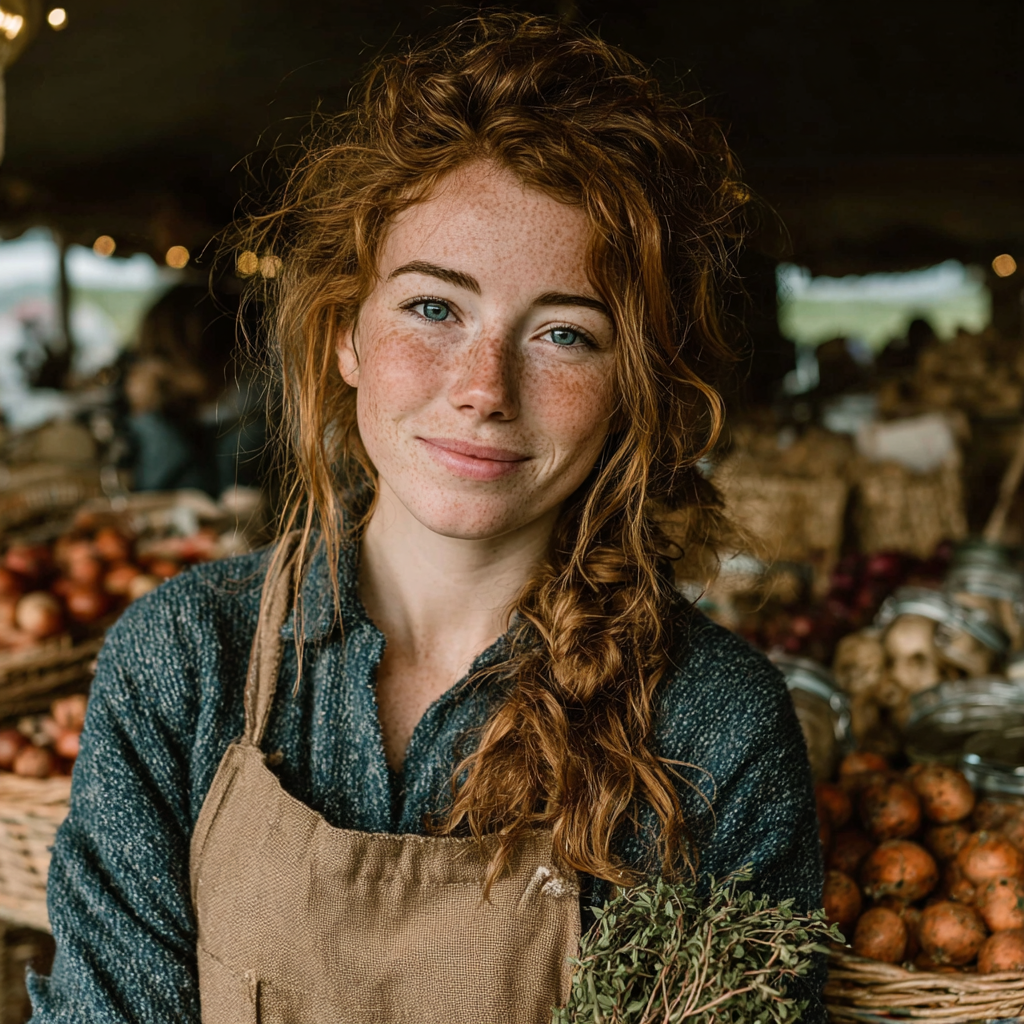
By Sophie Brennan
Irish food writer and historian based in Lisbon. Sophie combines her background in medieval history with a passion for contemporary gastronomy. She has written for Condé Nast Traveller and authored two cookbooks exploring Celtic and Iberian culinary traditions.