
Oaxaca's Seven Moles and Two Stars: Sophie Brennan's Guide to Mexico's Most Stubborn City
Author: Sophie Brennan
Published: 2026-10-07
Category: Food & Drink
Country: Mexico
Destination: Oaxaca City, Mexico
Word Count: ~4,050
Slug: oaxaca-food-culture-guide
Meet Your Guide
I came to Oaxaca the first time because a mezcalero in Mexico City told me I didn't understand Mexico until I'd eaten mole negro where it was born. I stayed because he was right, and also because I was wrong about everything else I thought I knew.
I'm Sophie Brennan. I write about food and the cultures that build it. I've eaten tagliatelle in Bologna's porticoes, sought out Lisbon's last traditional tascas, and spent a winter learning why the French Alps taste different from the Italian side. Oaxaca is the place that humbled me most. The mole here isn't a recipe—it's a language with seventeen dialects, one for each indigenous community that still speaks its own tongue in the valleys around this city.
I return every year. Not for research. For correction.
The City That Refuses to Explain Itself
Oaxaca City sits in a valley at 1,550 meters, surrounded by Sierra Madre mountains that block the Pacific moisture and create a climate of eternal spring with occasional violence. The colonial center is compact—fifteen minutes on foot from the Zócalo to the edge of the historic district—but the city doesn't care about your schedule. The pace is slower than Mexico City because the altitude demands it, because the sun is sharper here, because the place is older than the concept of hurry.
Seventeen distinct indigenous languages are still spoken in the state. Zapotec ruins stand ten minutes outside town at Monte Albán, but the living Zapotec culture is in the markets, in the grandmother on the corner of 20 de Noviembre who has been making memelas for thirty years and takes no orders, in the weavers from Teotitlán del Valle who still grind cochineal insects for red dye.
This is not Mexico City. The buildings are lower—colonial regulations limit height to preserve sightlines to church towers. The mezcal is better because the agave here grows slower at altitude. The mole comes in seven varieties, each the color of earth at different depths, and every family in every village has their own version. You will not understand it in a day. You will not understand it in a week. But you will taste something that has been refined over millennia, and that is enough.
The Michelin Question (2026 Edition)
On May 20, 2026, in Guadalajara, the Michelin Guide Mexico announced its third edition. Oaxaca de Juárez held 26 entries. Two stars. Five Bib Gourmands. And a correction most travel blogs still haven't made.
Two restaurants hold actual stars—both single stars, both held from prior editions:
Los Danzantes Oaxaca — 1★ + Green Star, held. The courtyard dining room off Calle Macedonio Alcalá that has anchored Oaxacan fine dining for a quarter-century. The Green Star means the kitchen runs on its own garden with close to no waste. Open daily, 13:00–22:30 (most listings still say 23:00—wrong). The hoja santa leaf stuffed with goat cheese in tomatillo sauce has survived every menu change and should survive your ordering too.
Levadura de Olla Restaurante — 1★, held. Chef Thalía Barrios García's love letter to her hometown of San Mateo Yucutindoo, served on a patio that feels miles from the city center despite sitting inside it. The food is Oaxacan tradition with vegetables in the lead—the plato de jitomates nativos (native tomatoes on beet purée) is the signature, and the meatless tamales follow her grandmother's recipe. Traditional cuisine, $$ price band. +52 951 269 9068
Five Bib Gourmands (Michelin's good-value award—a three-course meal at a sane price):
- La Olla — Chef Pilar Cabrera, around twenty-five years in. Reforma 402, Centro. Tue–Sun 12:00–21:30, closed Mondays (the all-day-breakfast hours still on review sites are outdated). Real menu prices as of 2026: guacamole MXN 95, mole negro MXN 290, mole amarillo with prawns MXN 335, arrachera MXN 320. This is a proper dinner for a fraction of the tasting-menu rooms.
- Las Quince Letras — Chef Celia Florián's research-driven traditional cooking. If you try one thing, make it the degustación de moles—a crash course in why Oaxacan cuisine is celebrated. Service can be slow; go when you're not in a hurry.
- Tierra del Sol — Chef Olga Cabrera's breakfast-and-brunch institution with terrace mountain views. Pair the memelas with a cup from the in-house atolería.
- Labo Fermento — fermentation-forward cooking; the adventurous pick.
- Xaok — the new wave on the Bib list.
The correction: Casa Oaxaca, Criollo, Itanoní, Zandunga, and Adamá are Michelin Selected—inspected and recommended, but not starred. Plenty of blogs will tell you Casa Oaxaca has a star. It does not. It remains excellent, and it remains my benchmark for mole negro. But order your expectations along with your food.
When to Go
November to April is the dry season. Mornings are clear, nights cool to 10°C, days warm to 25°C. This is the comfortable window. January and February are ideal—dry, sunny, uncrowded.
May to October brings the rains. Afternoon downpours arrive around 16:00, last an hour, turn streets into rivers, then stop as if switched off. July and August see the heaviest rain but also the Guelaguetza festival—the last two Mondays of July, when indigenous communities perform traditional dances in full ceremonial dress. It is spectacular, crowded, and hotels triple their rates.
Late October to early November is Day of the Dead. The city transforms. Marigolds fill the streets. Altars appear in every doorway. Cemeteries become festivals of remembrance. Hotels book out six months ahead. If you miss the window, stay in Tlacolula or Mitla and commute by collectivo—buses run every twenty minutes from Calle Bustamante.
Late September or early November (just before or after Day of the Dead) offers the best balance: good weather, manageable crowds, the city breathing normally.
Entry Formalities (2026 Rules)
Most Western travelers—US, Canadian, UK, EU, Australian—enter Mexico visa-free. What you need: a passport valid at least six months beyond entry, and a tourist permit (FMM).
The 2026 fee is MXN 983 (~$54), and if you fly in, it's already bundled into your airline ticket—there is nothing to pay at immigration and nothing legitimate to buy in advance. Websites selling "FMM applications" are charging you for a form that costs nothing.
The paper FMM card is being phased out at major airports (MEX, CUN, GDL have e-gates). At OAX you will typically get a passport stamp with a hand-written number of days in the corner. Check it before leaving the airport: 180 days is the maximum, no longer automatic. Officers grant 30, 90, or 180 based on your return ticket, hotel booking, and answers. Carry proof of onward travel. The digital record (FMMd) lives in INM's system—screenshot your entry confirmation.
Arriving by land (from Guatemala via Tapachula, for example): the paper process still rules. Stays of seven days or less in the border zone are free; longer stays or travel beyond the border region cost MXN 983 at the INM office. You must stop at immigration yourself—drive past and you enter Mexico with no record, which becomes a real problem when you fly home. Overstay fines in 2026 run 2,346–11,731 MXN (~$130–$650) depending on length—payable before departure.
Where to Sleep
The historic center is the only logical base. Everything worth eating is within walking distance. The streets are safe at night, though the usual precautions apply—don't flash expensive gear, stay aware in empty alleys after midnight.
Casa Oaxaca — Calle de la Constitución 104A, three blocks from Santo Domingo church. Restored 18th-century house, fourteen rooms around a courtyard pool. The restaurant serves what many consider the best breakfast in town: chilaquiles with black mole, eggs with chorizo and hierba santa. The mole negro here is the standard against which I judge all others. Rooms from $180 USD. Book well ahead—this is where chefs stay when they visit Oaxaca. +52 951 514 0168
Hotel Los Amantes — Calle Ignacio Allende 107. Eight rooms, contemporary design, rooftop terrace with valley views. The bar has an excellent mezcal selection and the staff will talk you through three agave varieties before you finish your first sip. Around $120 USD. +52 951 501 11 64
Hostal Luz de Luna Nuyee — Callejón de los Peces 16. Private rooms with shared baths, family-run, spotlessly clean. Six rooms total—book ahead. $35 USD. The owner, Doña Rosa, will tell you which market stall has the best chapulines that week.
For longer stays: Look for casas on Airbnb in the Xochimilco neighborhood, ten minutes north of the center. Residential, less touristed, excellent street food on every corner. Expect $40–60 USD per night for a one-bedroom with kitchen.
What to Eat
Oaxaca is the only Mexican state with a cuisine recognized by UNESCO as Intangible Cultural Heritage. This is not tourism marketing. The food here operates on principles developed over thousands of years: corn as sacred foundation, chiles as flavor architecture, mole as the summit of culinary complexity.
At roughly 18 pesos to the US dollar in late 2026, the math heavily favors the traveler. Street tacos run MXN 15–25, a full market-comedor meal MXN 80–150, mid-range restaurant mains MXN 180–350.
The Seven Moles (And Which Three to Prioritize)
The seven moles of Oaxaca are not seven recipes. They are categories, each with infinite variations by village and family. You will not taste them all. Focus on three, and understand them deeply.
Mole negro — Twenty-eight to thirty-five ingredients minimum, including multiple chiles (chilhuacle negro, pasilla, mulato), chocolate, nuts, seeds, and spices. It takes two to three days to prepare. The color is black-brown, the texture smooth as paint, the flavor impossibly layered—chocolate and chile and smoke and something almost medicinal. It is served over turkey or chicken, or as enmoladas (tortillas dipped in mole and folded).
Try it at Casa Oaxaca (Calle de la Constitución 104A, dinner only, reservations essential, +52 951 514 0168, mains MXN 450–650 / $25–35 USD) or Los Danzantes (Macedonio Alcalá 403, courtyard dining, daily 13:00–22:30, +52 951 501 11 84, mains MXN 360–540 / $20–30 USD). The version at Casa Oaxaca is darker, more bitter, more complex—chef Alejandro Ruiz's family recipe. Los Danzantes is lighter, more accessible, excellent for first-timers, and it holds an actual Michelin star with a Green Star on top.
Mole coloradito — Red, sweeter, based on ancho and guajillo chiles with almonds and sesame. This is the gateway mole. Try it at Los Pacos, Callejón de los Peces 8, a family restaurant that has made nothing else for forty years. Lunch only. Around MXN 150 (~$8). No reservations. Arrive by 13:00 or wait.
Mole verde — Lighter, bright with herbs—parsley, cilantro, epazote. Often includes green beans and chayote. Good for lunch when the heavier moles would put you to sleep. La Olla (Reforma 402, +52 951 516 00 09, Tue–Sun 12:00–21:30) does an excellent version with local herbs—MXN 335 with prawns at Bib Gourmand prices.
Criollo — Callejón Hidalgo 104, behind a wooden door with no sign. Chef Luis Arellano worked with Enrique Olvera at Pujol and returned to Oaxaca to research pre-Hispanic ingredients. The tasting menu changes with what the Chinantla communities bring down from the mountains. Dinner only, Tuesday through Saturday. Reservations essential—book two weeks ahead. Around MXN 1,600 (~$90 USD) with mezcal pairings. Michelin Selected—not starred, whatever the blogs say. +52 951 514 1755
Itanoní — Avenida Belisario Domínguez 513, across from the baseball stadium. A modest comedor serving nothing but antojitos made from native corn varieties—the kind of place Michelin Selected and the locals never stopped loving. The tortillas are hand-patted while you wait. The memelas (thick tortillas with beans and cheese) are the best in the city. The tetelas (triangular packets of beans and hierba santa) are revelation. A full meal costs under MXN 180 (~$10). Open Monday through Saturday, 07:00–17:00. Closed Sunday.
Street Food: The Foundation, Not the Alternative
The street food in Oaxaca is not secondary to restaurant dining. It is the foundation everything else builds on.
Tlayudas — The signature. A large, thin corn tortilla crisped on a comal, spread with asiento (unrefined pork fat), beans, quesillo (stringy Oaxacan cheese), cabbage, avocado, and your choice of meat. The best ones are made at Tlayudas El Negro, Calle de los Libres 209, open until 02:00. MXN 110–130 (~$6–7) feeds two people. The chorizo version is the classic; the tasajo (thin-cut beef) is for meat lovers.
Memelas — Smaller, thicker, served morning and evening. Look for the grandmother on the corner of 20 de Noviembre and Flores Magón. She has been there thirty years. She takes no orders, makes what she has, and closes when she sells out—usually by 10:00. Three memelas for MXN 40 (~$2). Bring exact change.
Chapulines — Grasshoppers, toasted with garlic, lime, and salt. Crunchy, nutty, slightly sour. Sold by the scoop from plastic buckets in the markets. Eat them on their own or scattered over guacamole. Start with a small portion (MXN 20 / ~$1). They are addictive and high in protein.
Nicoletta — Calle Macedonio Alcalá 802. Excellent esquites—corn kernels boiled in epazote, served in cups with mayonnaise, cheese, chile, and lime. The owner, Lupita, uses elote criollo, an heirloom variety with larger, chewier kernels. MXN 55 (~$3). Open daily, 11:00–21:00.
Markets: Where the Real City Lives
Mercado 20 de Noviembre — Calle de los Libres, between 20 de Noviembre and Flores Magón. The central food market. The meat hall is overwhelming—rows of butchers grilling skirt steak and chorizo over charcoal, the smoke thick enough to sting your eyes. You pick your meat, they grill it, you eat at communal tables with bowls of salsas and guacamole. This is not a tourist show. It is where Oaxacans shop and eat lunch.
Arrive before 12:00 to beat the rush. The fondas (small cooked-food stalls) in the back serve better food than most restaurants. A full meal of grilled meat, tortillas, and salsa costs MXN 150–220 (~$8–12). Open daily, 07:00–19:00.
Mercado de la Merced — Calle Insurgentes, four blocks east of 20 de Noviembre. Less visited, more local. The produce section is extraordinary—thirty varieties of dried chiles, piles of hoja santa, baskets of huitlacoche (corn fungus, black and rich), unfamiliar fruits like mamey and chicozapote. The fondas in the back serve breakfast and lunch to market workers. A plate of eggs with chorizo and tortillas costs MXN 75 (~$4). Open daily, 07:00–17:00.
Mercado Orgánico El Pochote — Calle Carmen Alto, Saturday mornings only, 09:00–14:00. Small producers sell heirloom tomatoes, artisanal cheeses, wild mushrooms, and mezcal. It is the best place to meet Oaxaca's alternative food community and the chefs who shop here before service. Free entry. Bring cash.
Mezcal: The Spirit That Refuses to Be Tequila
Tequila is from Jalisco. Mezcal is from Oaxaca. The distinction matters.
Mezcal is made from agave, roasted in underground pits, crushed by stone wheel or machine, fermented in open vats, and distilled in copper or clay. The process is ancestral, largely unchanged for centuries. Each village produces distinct styles. Each batch varies. The mezcal you drink in Oaxaca is not a brand—it is a place, a season, a person's decision about when the roast is done.
Mezcalería Cuish — Calle de Dómina 219, Colonia Centro. A tasting room run by a collective of mezcaleros from remote villages. They stock mezcals you will not find elsewhere—tobalá from the high mountains, madrecuixe from wild agave that takes twenty-five years to mature. Tastings are guided and educational. A flight of three runs MXN 270–360 (~$15–20). Open Monday through Saturday, 12:00–20:00. +52 951 135 80 95
In Situ — Calle de Allende 107, near Santo Domingo. A bar with a hundred varieties and knowledgeable bartenders. They will ask what you like—smoky, floral, mineral—and pour accordingly. The espadín entry-level flight is MXN 215 ($12). The wild-agave flights run MXN 450–720 ($25–40). Open daily, 13:00–23:00. +52 951 514 47 97. Bottles to go, priced fairly, if you want to take something home.
El Destilado — Callejón Hidalgo 104 (same courtyard as Criollo). A restaurant with a mezcal focus. The agave spirits menu is longer than the food menu. The bartenders can discuss terroir with the precision of sommeliers. A flight of three rare varieties costs MXN 540 (~$30). Dinner only, Tuesday through Saturday.
Buying bottles: skip the airport and hotel boutiques—commercial brands, often doctored, marked up 200%. Buy from the tasting rooms above (Cuish and In Situ both sell bottles to go at fair prices, MXN 540–1,100 / ~$30–60 for an excellent village espadín or tobalá). If you visit a working palenque in the valley, ask for something from San Luis del Río or Santa Catarina Minas. If the bottle has a slick label and a celebrity-founder story, put it down.
What to Do Between Meals
Oaxaca rewards aimless wandering. The colonial grid is logical. You will not get lost. You will get distracted, which is the point.
The Churches and Their Stories
Santo Domingo de Guzmán — The baroque church that dominates the city center. The interior is covered in gold leaf—three-dimensional gold leaf, carved into vines and flowers and the family trees of Dominican saints. It took 200 years to build, from 1575 to 1775. The attached Museo de las Culturas de Oaxaca (about MXN 75–90 / ~$4–5; open Tuesday through Sunday, 10:00–18:00) houses excellent Zapotec and Mixtec artifacts, including the contents of Tomb 7 at Monte Albán—the most significant archaeological find in Oaxaca's history, a Zapotec nobleman's burial with gold, jade, and carved bone. +52 951 516 29 96
Jardín Etnobotánico — Behind Santo Domingo, occupying the former monastery gardens. It contains only plants native to Oaxaca, organized by ecological zone. You cannot enter alone—guided tours only. English tours run Tuesday, Thursday, and Saturday at 11:00. Book a day ahead at the entrance kiosk or online. The tour takes two hours and will change how you see Oaxacan food. About MXN 90 (~$5). +52 951 516 15 90
Museo Textil de Oaxaca — Calle Hidalgo 917. Small, excellent, entry by voluntary donation (suggested MXN 50–100). Displays traditional textiles from Oaxaca's indigenous communities, with explanations of the symbolic patterns and natural dyes. The gift shop sells work from weaving cooperatives at fair prices. Open Tuesday through Sunday, 10:00–20:00. Closed Monday.
Shopping for Things That Last
La Mano Mágica — Calle Macedonio Alcalá 602. Sells authentic calzones (the distinctive wide, white pants worn by Oaxacan men) made by artisans from Santo Tomás Jalieza. They also carry excellent textiles and alebrijes—the painted wooden fantastical animals that originated here. Prices are fair, the provenance is documented, and the staff can explain the symbolism in the patterns. Open daily, 10:00–20:00.
Artesanías de Oaxaca — Calle 5 de Mayo 204. A cooperative shop with work from twenty-five villages. No bargaining—the prices are set by the artisans. Excellent for textiles, pottery, and woven baskets. Open daily, 09:00–21:00.
Day Trips: The Valley Beyond the City
Monte Albán — Fifteen minutes from the center. The capital of the Zapotec civilization, occupied from 500 BC to 750 AD. The site sits on a flattened mountaintop with 360-degree views of the valley. The architecture is severe, geometric—nothing like the flowing Maya styles of the Yucatán. Arrive at 08:00 when the gates open to have the place nearly to yourself.
Entrance as of 2026: MXN 210 (~$12) for foreigners, MXN 105 for Mexican nationals and residents with ID—part of the INAH's January 2026 fee overhaul (Category I). The ticket includes the site museum. Open daily, 08:00–17:00, last entry 16:00. Bring pesos—mountain connectivity makes card machines unreliable at the ticket window. Sundays are free for nationals and residents (ID required) and packed with local families. Guides wait at the gate for MXN 500–800 per group (~$28–45)—worth splitting and worth it, since the site has almost no signage. Wear a hat; there is no shade.
Getting there: a tourist minibus runs from Francisco Javier Mina in the center (~MXN 100 round trip); a taxi is MXN 150–200 one-way plus a wait-time fee; half-day tours run MXN 450–850 per person with guide and transport bundled.
Mitla — Forty-five minutes east by bus, often paired with Hierve el Agua. The geometric stone mosaics—greca fretwork in thousands of cut pieces—are unlike anything else in Mesoamerica, and the 2026 entrance fee matches Monte Albán at MXN 210. Go with a guide or do your reading first; the signage is minimal.
Hierve el Agua — Two hours by car on rough roads. Mineral springs that have formed white stone cascades over a cliff; the pools at the top are swimmable. Tour vans leave the center daily for around MXN 700–900 (~$40–50) including a mezcal palenque and the Tule tree, a 2,000-year-old Montezuma cypress with the world's widest trunk (14 meters around). Bring sturdy shoes, a swimsuit, and snacks—the on-site food is overpriced and mediocre.
Tlacolula Sunday Market — The valley's largest weekly market, thirty minutes east by bus. Indigenous Oaxaca without the polish of the city—women in traditional dress selling live turkeys, medicinal herbs, machetes, mezcal in plastic jugs. The barbacoa (pit-cooked goat) at the market entrance is worth the trip alone. Buses leave from the second-class station on Calle Bustamante every twenty minutes. The ride costs MXN 35 (~$2). The market runs 08:00–15:00. Sunday only.
Teotitlán del Valle — Thirty minutes by bus. A Zapotec weaving village where families have been making rugs and textiles for generations. The natural dyes—cochineal insects for red, indigo for blue, moss for yellow—are still used. Visit the workshop of Isaac Vásquez (Calle Benito Juárez 18, no phone, open daily) to see the full process from raw wool to finished rug. Prices range from MXN 900 ($50) for a small wall hanging to MXN 9,000+ ($500+) for a large room-sized piece. No hard sell—this is a working village, not a tourist trap.
What to Skip
1. The mole negro at tourist restaurants near the Zócalo. The places with laminated menus in four languages serve a diluted, sweetened version that tastes like chocolate sauce with chile powder. The real thing is bitter, complex, and takes days. Casa Oaxaca and Los Danzantes are the benchmarks. If a restaurant can't tell you how many ingredients are in their mole, don't order it.
2. Mezcal tastings at airport gift shops or hotel boutiques. These are commercial brands, often blended with additives, marked up 200%. The real mezcal is at Cuish, In Situ, or directly from palenques in the villages. If the bottle has a slick label and a story about a celebrity founder, put it down.
3. Day trips to Monte Albán after 11:00. The tour buses arrive then. The site is small, the crowds are large, and the sun is relentless. Go at 08:00 or don't go. The light at dawn is also better for photography—and with the 2026 fee at MXN 210, you want your money's worth of silence.
4. The Guelaguetza festival if you dislike crowds. Yes, it's spectacular. It is also 10,000 people in a stadium built for 11,000, with prices tripled everywhere. If you're not genuinely interested in indigenous dance, skip it and come in September instead.
5. Restaurants with hosts recruiting outside. The places where someone stands on the sidewalk with a menu, calling out "amigo, amiga." The food is mediocre, the prices inflated, and the atmosphere designed to process tourists quickly. Oaxacans do not eat at these places.
6. Buying alebrijes from airport gift shops or hotel lobbies. These are mass-produced in workshops outside the city, painted with synthetic dyes. The real ones, made with copal wood and natural pigments, come from workshops in San Martín Tilcajete or Arrazola. La Mano Mágica in the center carries verified authentic work.
7. "Palenque visits" that are retail showrooms in disguise. Many day-trip vans stop at a "mezcal distillery" that is a tasting room with a gift shop: no roast pit, no agave fields, no fermentation vats. The test: a real palenque has a horno you can see, piñas piled somewhere, and usually a dog asleep in the shade. Ask your driver directly: "¿Es un palenque de verdad o solo una tienda?" A real mezcalero will laugh.
8. Commission-shop "workshop visits" on van tours. If your Hierve el Agua or Mitla tour includes an unscheduled stop at an alebrije workshop or "family cooperative," you are at a commission stop. Some are genuinely good—Teotitlán workshops are the real thing when you choose them yourself. Browsing costs nothing; buying is optional. Prices at La Mano Mágica in the city are comparable anyway.
Practical Logistics
Getting There: Oaxaca's airport (OAX) has direct flights from Mexico City (multiple daily, 45 minutes, MXN 1,400–2,200 / $80–120), Houston (United), and seasonally Los Angeles—schedules change, check current routes. Most travelers fly to Mexico City and connect or take the ADO bus from Terminal TAPO (six hours, MXN 620–780 / ~$35–43, comfortable, WiFi, reclining seats). The bus is often more reliable than the flight—OAX is fog-prone in early mornings.
Getting Around: The historic center is entirely walkable. Taxis are plentiful and cheap—MXN 40–70 ($2–4) within the center. Use the DiDi app (Uber does not operate in Oaxaca). Collectivos (shared vans) serve surrounding towns from designated street corners—ask your hotel which corner goes to your destination. They leave when full, cost MXN 20–55 ($1–3), and are the most authentic way to travel.
Safety: Oaxaca is safer than Mexico City and most U.S. cities. The valley has been largely spared from the violence affecting northern Mexico. The usual precautions apply—don't flash expensive items, watch your bag in crowded markets, take registered taxis or DiDi at night. The historic center is safe to walk at night; just stay on main streets after midnight.
Money: The peso trades around 18 to the US dollar as of October 2026 (it has ranged 17.1–18.3 all year). ATMs are reliable and plentiful; most dispense MXN 500 notes—break them at the Oxxo or your hotel, because market vendors often can't. Most restaurants and shops accept cards. Markets and street food are cash only. Small bills are essential—exact change speeds transactions at busy stalls. Carry MXN 900–1,800 (~$50–100) daily for food and transport.
Spanish: English is spoken in hotels and tourist restaurants. Elsewhere, basic Spanish is useful and appreciated. The indigenous languages you hear on the street are Zapotec, Mixtec, and others—learning a greeting in Zapotec ("Shaa-lá" for hello) will earn genuine smiles. A phrasebook or offline translation app is essential for market interactions.
Health: The altitude (1,550 meters) affects some visitors for the first two days—drink more water than usual, go easy on mezcal the first night, and eat light until you adjust. The tap water is technically treated but don't drink it. Bottled water is MXN 20 (~$1) for 1.5 liters everywhere. Street food is generally safe if you follow the locals to busy stalls with high turnover. Avoid raw vegetables at stalls that look like they prepare them in advance.
Weather Packing: Dry season (November–April): layers. Warm days (25°C), cool nights (10°C). A light jacket for evenings. Wet season (May–October): rain jacket, quick-dry shoes, umbrella. The downpours are brief but intense. Sunscreen is essential year-round—the altitude means stronger UV.
Honest Math (daily food budget, per person):
- Street-level: MXN 450–650 / $25–35 (market fondas, tlayudas, mezcal by the copa)
- Mixed: MXN 900–1,400 / $50–80 (one restaurant meal, market lunch, a tasting flight)
- Full experience: MXN 2,200–3,600 / $120–200 (Casa Oaxaca or Criollo dinner, private Monte Albán guide, rare mezcal bottles)
A Final Note from the Author
Oaxaca reveals itself slowly. The first day, you eat a tlayuda and drink mezcal and think you understand. By the third day, you have tasted three moles and realize you understand nothing. By the fifth day, you are discussing agave varieties with a mezcalero and begin to grasp the depth.
Do not try to see everything. Pick two moles. Visit one ruin. Spend an afternoon in the markets without buying anything. Let the place work on you. That is how Oaxaca operates. It has been here for thousands of years. It is not in a hurry.
I will be back in November. Not because I have to. Because there is a grandmother on 20 de Noviembre who makes memelas I haven't tasted yet, and a mezcalero in San Luis del Río who roasts his agave for five days instead of three, and I need to know what that tastes like.
The Michelin inspectors figured out what the rest of us already knew. Two stars won't change this city. Nothing changes this city. That is the whole point.
See you there. Or don't. Oaxaca doesn't care either way. That is precisely why you should care.
— Sophie Brennan Food writer and culinary historian @sophiebrennan.travel
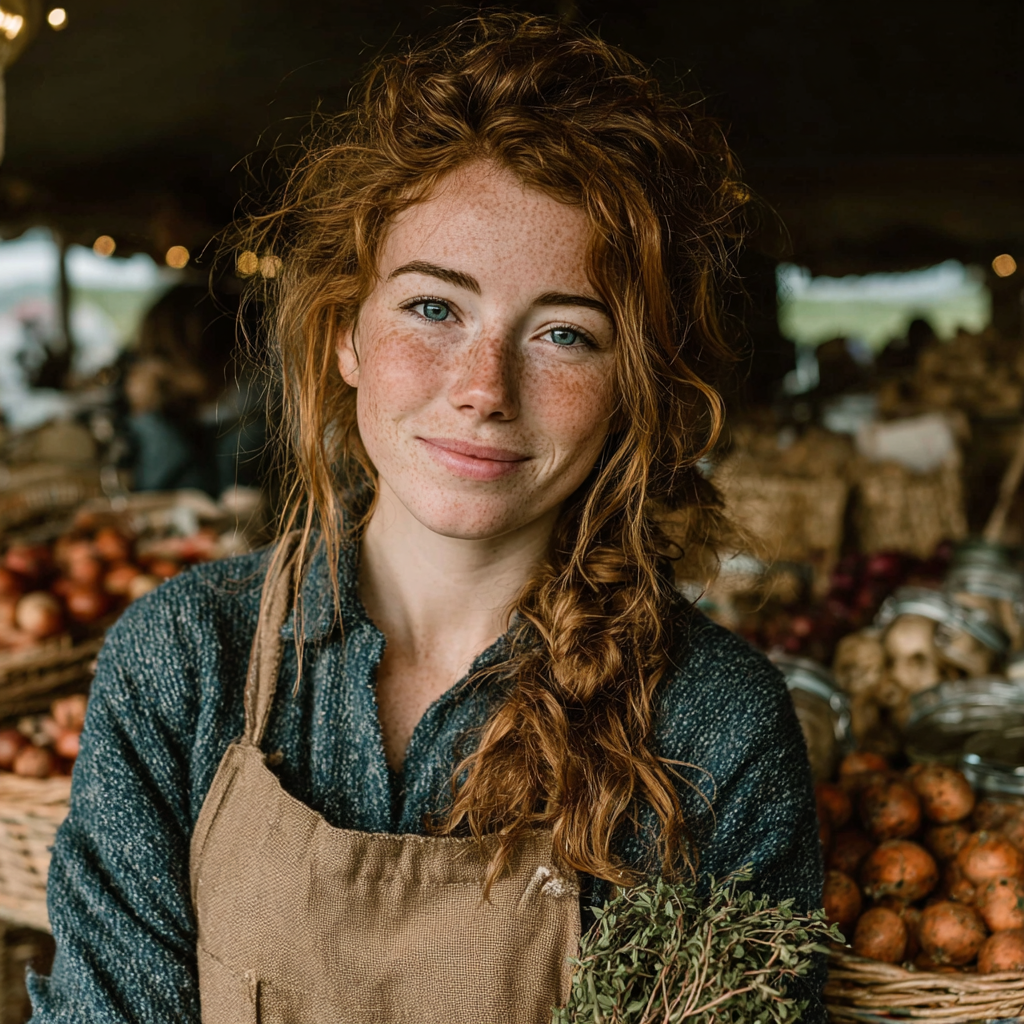
By Sophie Brennan
Irish food writer and historian based in Lisbon. Sophie combines her background in medieval history with a passion for contemporary gastronomy. She has written for Condé Nast Traveller and authored two cookbooks exploring Celtic and Iberian culinary traditions.