
The Maldives is not a luxury destination. It is a country of 1,200 islands, 200 of them inhabited, and most travelers never see it. They land at Velana International Airport, transfer to a seaplane, and disappear into a resort bubble where every worker is imported, every meal is flown in, and every coral reef is dying behind the overwater villas. This is a mistake. The real Maldives is on the local islands, in the atolls where communities have lived for a thousand years, and where a 2009 policy change finally allowed guesthouses to open.
Since that change, over 500 guesthouses have spread across 70 islands. You can now travel the Maldives for under $75 per day, sleep in clean air-conditioned rooms with private bathrooms, eat fresh-caught tuna curry with local families, and swim with whale sharks on a half-day trip that costs less than a resort cocktail. The environmental cost is lower too. Local islands use existing infrastructure, employ Maldivians, and keep profits in the community. The choice between a resort and a local island is not a choice between luxury and roughing it. It is a choice between isolation and actually being here.
Understanding the geography matters. The Maldives is organized into 26 atolls, ring-shaped reef systems formed from submerged volcanoes. The capital, Malé, sits on its own island in the North Malé Atoll. Most travelers arrive here and leave immediately. That is the first error. Malé is one of the most densely populated cities on earth, with 250,000 people crammed onto 2.2 square kilometers. The streets are narrow, the buildings are tall, and the harbor is a chaos of fishing boats and cargo ships. It is worth a few hours to see the Friday Mosque, built in 1658 from coral stone, and the fish market where yellowfin tuna the size of a person are laid out on the concrete at dawn. But do not plan to stay. The Maldives begins when you leave.
Getting around is the main logistical challenge. The public ferry system costs $1 to $5 per journey and connects many islands in the same atoll. The schedules are limited, ferries do not run on Fridays, and every trip between atolls requires returning to Malé. This is not a country for rushing. Island hopping demands patience. Plan to spend three or four nights per island. The popular local islands have speedboat services that cost $25 to $75 per trip and run more frequently. But the ferry is the sustainable choice. It uses less fuel, carries more people, and forces you to slow down.
Maafushi in the South Malé Atoll is the most developed local island. It has dozens of guesthouses, dive centers, restaurants, and a designated bikini beach where tourists can swim in normal swimwear. Everywhere else on local islands, modest dress is required. Maafushi is convenient but crowded. Guesthouses here cost $30 to $60 per night, often including breakfast. Dinner at a local cafe runs $5 to $10. A snorkeling trip to a nearby reef costs $25 to $40. The island is safe, friendly, and functional. It is also the best base for swimming with whale sharks near Dhigurah and Maamigili in the South Ari Atoll. The half-day excursions cost $35 to $50 per person and run year-round with a high success rate. These are the largest fish in the ocean, filter-feeders that grow to 12 meters long, and they are not afraid of humans. The encounters are regulated, but not perfectly. The key is to choose operators who use propeller guards on their boats and limit the number of swimmers in the water at once. Ask before you book.
For a quieter experience, Ukulhas in the Alif Alif Atoll is one of the cleanest islands in the Maldives. It has won national awards for waste management and runs a coral reef conservation program. The island is small enough to walk across in ten minutes. The house reef is accessible directly from the beach, and guesthouses provide free snorkeling gear. Rooms cost $40 to $80 per night. There is no nightlife, no shopping, and no pretense. The island runs on solar power and has a strict waste sorting system. This is what sustainable tourism looks like when the community sets the rules.
Thulusdhoo in the North Male Atoll attracts surfers. The breaks are consistent from March to October, and the island has a relaxed, creative atmosphere. Board rental costs $15 to $25 per day. The island is also home to a Coca-Cola factory, the only one in the Maldives, and the surf passes directly in front of it. The contrast is absurd. For divers, Rasdhoo in the Ari Atoll has better infrastructure. The channel between Rasdhoo and Madivaru is famous for hammerhead shark encounters at dawn, and the open-water certification courses cost $350 to $450. Fun dives run $50 to $80 per tank. The diving here is cheaper than at resorts and the sites are the same reefs.
The marine life is the reason most people come. Baa Atoll, a 40-minute seaplane flight north of Malé, was designated a UNESCO Biosphere Reserve in 2011. The main attraction is Hanifaru Bay, a narrow lagoon between islands where plankton blooms draw hundreds of manta rays during the southwest monsoon from May to November. The bay is a protected site. Diving is prohibited. Snorkeling is allowed in small groups with a guide, and the experience of drifting in the water while 50 or more mantas circle and feed around you is the single most remarkable wildlife encounter in the Maldives. The half-day trips from nearby islands or liveaboard boats cost $60 to $100. The season is short and the demand is high. Book in advance.
The dry season runs from November to April. The weather is stable, the seas are calm, and the prices are highest. The wet season from May to October brings afternoon rain and stronger winds, but the diving and snorkeling are still excellent. This is when the mantas are at Hanifaru Bay, the whale sharks are most reliable in the South Ari Atoll, and the guesthouses offer their lowest rates. The Maldives does not close down in the wet season. The storms pass quickly, and the underwater visibility often improves after a rain.
The green tax is a mandatory environmental levy of $6 per person per night, applied to all tourist accommodation. It is supposed to fund conservation and waste management. The results are visible on some islands and absent on others. The country faces a genuine crisis. Rising sea levels threaten the entire archipelago, with the highest natural point in the Maldives being only 2.4 meters above sea level. Coral bleaching events have killed large sections of reef. The 2016 El Niño bleached 73% of the nation's corals. The recovery has been partial. Many resorts have started coral restoration programs, planting nursery fragments on underwater frames. Some guesthouses on local islands have joined the effort. Ask your accommodation if they participate. The most credible programs are run in partnership with marine biologists and publish data on their survival rates.
What to skip is straightforward. Skip the resort day trips from local islands. These are marketed as a way to experience luxury for a day, but they cost $100 to $200 for access to a pool and a buffet, and the environmental footprint of the speedboat transfer negates the low-impact choice of staying on a local island. Skip the dolphin-watching tours that chase pods with multiple boats. The operators often harass the animals. Skip any souvenir made of coral, shell, or dried marine life. The trade is illegal and the products are fake half the time anyway. Skip the expectation that the Maldives is only for honeymooners. The local islands are full of solo travelers, backpackers, and families.
The practical logistics are simple. Most nationalities receive a 30-day visa on arrival. The local currency is the Maldivian rufiyaa, but US dollars are accepted everywhere. Bring small bills. The green tax is often collected in cash at check-in or check-out. Alcohol is illegal on local islands. Some guesthouses arrange boat trips to floating bars moored in the lagoon, but this is expensive and awkward. If you want to drink, stay at a resort or do without. Dress modestly away from the bikini beaches. Shoulders and knees should be covered when walking through villages. The call to prayer happens five times daily, and some shops close briefly. Plan around it.
The Maldives will not exist forever in its current form. The islands are sinking. The reefs are stressed. The tourism industry is the primary economic driver and the primary environmental threat. Travel here is a choice to witness a place that is actively disappearing. The sustainable option is not the luxury resort with a solar panel and a green certificate. It is the guesthouse on a local island where your money pays for schoolbooks and fishing nets, where the reef you snorkel is the same one the children swim in after class, and where the waste you sort is handled by a community that does not have the option to fly it to another country. This is the Maldives. Choose it while it is still here.
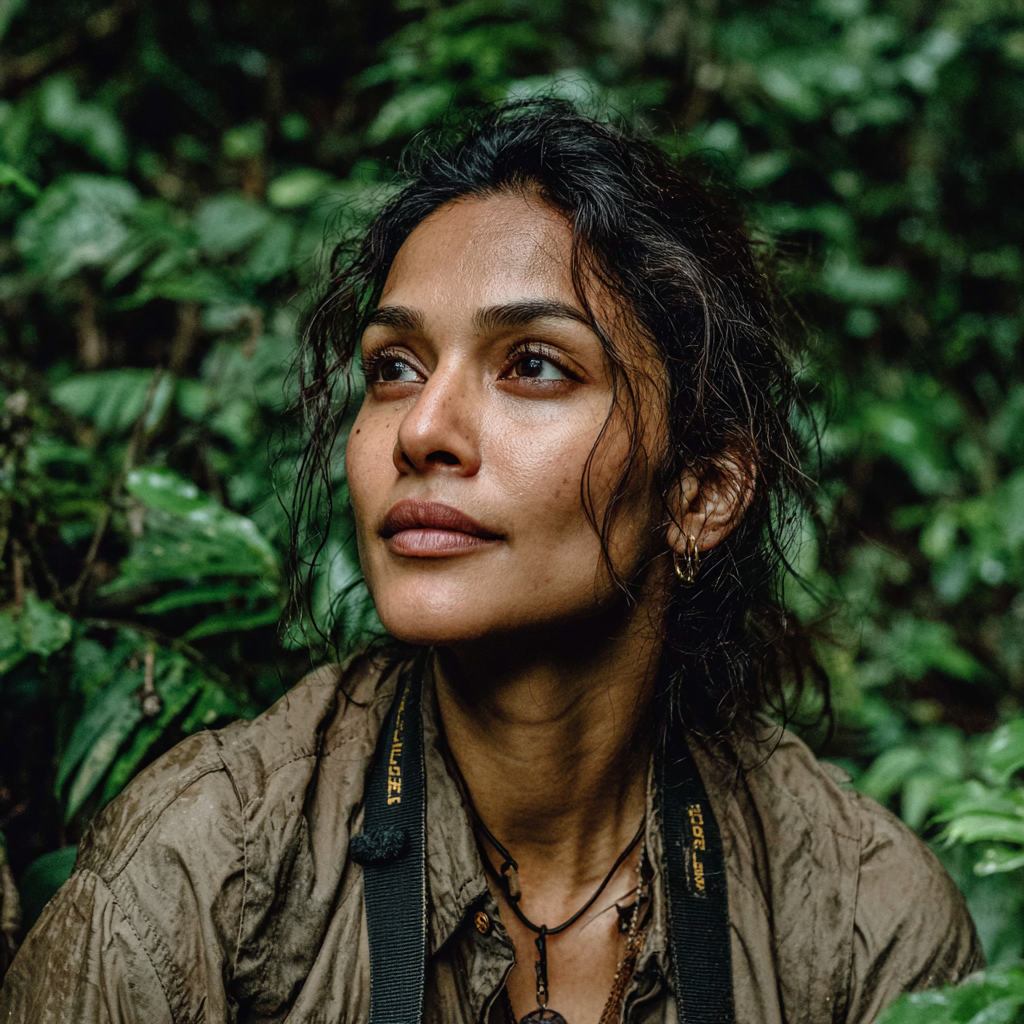
By Priya Sharma
Conservation biologist and sustainable tourism advocate. Priya works with eco-lodges and wildlife sanctuaries to promote ethical travel practices. She holds an MSc in Biodiversity Conservation and has spent years tracking endangered species across the Indian subcontinent.