
Luang Prabang: Dawn Monks, Royal Temples, and the Mekong Rhythm — A Culture & History Guide
The first time you see it, you will feel like an intruder. At 5:30 in the morning, the streets of Luang Prabang belong to the monks. Hundreds of them, barefoot and silent, walk the main roads in single file with their alms bowls. Locals kneel on bamboo mats and place sticky rice and fruit into the bowls without a word exchanged. Tourists stand at the edges with their cameras, and the monks do not look up. They have been doing this every day for centuries. The rest of the city wakes slowly, and that slowness is the point.
Luang Prabang sits on a peninsula where the Mekong and Nam Khan rivers meet, surrounded by forested hills on three sides. The old town is small enough to walk across in twenty minutes, but you will not want to walk fast. UNESCO gave it World Heritage status in 1995 not for any single monument but for the whole ensemble: thirty-four preserved temples, French colonial shophouses with wooden balconies, and the riverfront where cargo boats still unload produce the way they did before the airport existed. The city was the royal capital of Laos until 1975, and the communists moved the government to Vientiane partly because Luang Prabang felt too remote to govern from. That remoteness is what saved it.
The Temples: Where the City Keeps Its Memory
Wat Xieng Thong is the temple that justifies the trip. King Setthathirath built it in 1560, and it survived the destruction that flattened much of the city in the late eighteenth century. The main sim has roofs that sweep down nearly to the ground, a style you will not find outside Laos. The rear wall holds the Tree of Life mosaic, assembled from colored glass in the 1960s but executed in a tradition that predates the French colonial period. The Red Chapel houses the royal funeral chariot used for King Sisavang Vong's funeral in 1959. The compound is open from 6 AM to 6 PM daily. The entrance fee is 20,000 kip, roughly one dollar. Go early, before the tour buses arrive at 9 AM.
Wat Visoun, also called Wat Wisunalat, is older and less visited. It dates to 1513, making it the oldest operating temple in the city. The That Makmo stupa in the courtyard looks like a watermelon, which is exactly what locals call it. There is no entrance fee. The monks here are more likely to speak with visitors, not because they are performing hospitality but because they are bored and curious.
Wat Mai Suwannaphumaham sits on Sisavangvong Road near the night market and functions as the city's working heart. Its five-tiered roof and gilded facade with bas-reliefs depicting the Jataka tales make it the most photographed temple after Wat Xieng Thong. It is free to enter, though donations are expected. The evening chanting begins around 6 PM.
Mount Phousi rises 100 meters in the middle of the peninsula and offers the view that explains the city's layout. The climb is 328 steps from the main entrance near the Royal Palace, and the entrance fee is 20,000 kip. The summit holds Wat Chom Si and viewing platforms that face both rivers. Sunset is the popular time, which means crowds gather from 5:30 PM and the best spots are taken by 5:45. Sunrise is the better choice. The morning mist over the Mekong and the sound of the first drum from Wat Mai below are worth the earlier start. Bring water. There are no vendors at the top.
The Royal Palace and the Weight of 1975
The Royal Palace Museum, called Haw Kham, is the building that tells you what kind of kingdom this was. Built in 1904 during the French colonial period for King Sisavang Vong, it is modest by European royal standards. The throne room mixes Lao gilding with French chandeliers, and the royal apartments upstairs have been preserved as they were in the 1970s, down to the radios and armchairs. The Phra Bang Buddha, a small golden statue that gave the city its name, sits in a shrine room. The entrance fee is 30,000 kip for foreigners, and the museum is open from 8 AM to 11:30 AM and 1:30 PM to 4 PM. It is closed on Tuesdays. No photography is permitted inside, and you will leave your bag at the door. The strictness is a reminder that this was a private residence until 1975, when the last king, Sisavang Vatthana, was forced to abdicate. He died in a re-education camp in 1978, and the government has never confirmed where he is buried.
The Traditional Arts and Ethnology Centre, opposite Wat Xieng Thong on Sakkaline Road, is a small museum that explains what the temples do not. Laos has forty-nine officially recognized ethnic groups, and the exhibitions cover their textiles, crafts, and domestic tools. The center is run as a non-profit, and the entrance fee is 25,000 kip. Hours are 9 AM to 6 PM daily except Monday. Free guided tours run Tuesday and Thursday at 3 PM. The attached shop sells fair-trade textiles at prices that reflect the actual labor involved. This is the place to understand why the Hmong and Khmu vendors at the night market are selling different patterns.
The River: Pak Ou and the Mekong's Own Time
The Pak Ou Caves are 25 kilometers upriver and require a boat. The lower cave, Tham Ting, is a shallow overhang packed with thousands of Buddha images left by pilgrims over the centuries. The upper cave, Tham Theung, is deeper and darker, and you will need a torch. The caves are open from 8 AM to 5 PM, and the entrance fee is 20,000 kip. A shared boat departs from the pier near Saffron Coffee on Kingkitsarath Road at 8:30 AM and costs 65,000 kip per person. The trip takes two hours upstream with a ten-minute stop at the Lao Lao whiskey village, Ban Xang Hai, and one hour back. Private boats run about $40 and hold up to twenty-five passengers. The boat trip is half the point. The Mekong is wide and slow here, and the villages along the bank have no road access.
The French colonial presence is visible in the architecture but thin in the culture. The French built the palace, laid out the grid of the old town, and installed the verandas and shuttered windows on Sisavangvong and Setthathirath Roads. But the monks outlasted them, and the alms ceremony never stopped. The French left in 1953. The Americans came next, not with soldiers in Luang Prabang but with the CIA's secret war in the surrounding hills. You will not find monuments to that war in the city center, but the hill tribes carry it in their family histories. Ask gently at the TAEC museum if you want to understand what the Secret War did to the ethnic villages whose textiles fill the night market.
Food: From Morning Market to Mekong Fish
Luang Prabang eats early and eats well. The morning market, on a side street between Sakkaline Road and the Royal Palace, is the city's true dining room. Vendors sell khao piak sen, a rice noodle soup, from metal vats for 15,000 to 20,000 kip. Sticky rice is wrapped in bamboo baskets. Mok pa, river fish steamed in banana leaf with dill, lemongrass, and chili, runs 25,000 to 35,000 kip and is the dish you will remember. The market starts breaking down at 9:30 AM, and by 10 AM the street sweepers are already pushing the scraps into the gutters. Arrive by 7 AM.
The baguette sandwiches are the legacy of the French, but the fillings are pure Lao. Stalls near the Royal Palace and on Setthathirath Road sell khao jee, baguettes split and filled with laap, pate, or grilled pork, for 15,000 to 25,000 kip. These are breakfast, lunch, and the standard trail ration for the slow boat crowd.
For sit-down Lao food, the night market food strip on Sisavangvong Road sets up buffet-style stalls every evening from 5 PM. You fill a plate for 20,000 to 40,000 kip. Quality varies, so look for the stall with the most locals in line, not the most tourists.
Tam Mak Hung, on Phothisan Road near the Nam Khan bridge, is a no-frills spot where the som tum (green papaya salad) is made to order in a clay mortar. A plate with sticky rice costs around 30,000 to 40,000 kip. The owner, known to regulars as Auntie Tim, has been pounding papaya here for over two decades and will remember your spice preference by your second visit.
For a proper dinner, Tamnak Lao, on Norrasan Road near the Dara Market, is the city's most respected Lao restaurant. Dishes run 55,000 to 250,000 kip depending on the protein. The or lam, a Luang Prabang-style stew with dried buffalo skin, eggplant, and lemongrass, is the signature dish and is found almost nowhere outside the city. The phone number is +856 71 253 923, and reservations are wise on weekends. The Royal Palace white elephant terrace setting feels grand without being stiff.
Saffron Coffee, on Kingkitsarath Road along the Mekong bank, is the city's best roaster. They buy directly from Lao highland farmers and brew on a copper espresso machine. A flat white runs 30,000 to 40,000 kip. The river-facing terrace is the best morning vantage point in the old town. Rosetta Cafe, on Kingkitsarath Road further north, roasts their own beans as well and does a solid breakfast plate. For a sunset drink, the Belle Rive terrace on the Mekong charges premium prices for a view that justifies every kip.
Where to Stay: Three Tiers on the Peninsula
The old town peninsula is where you want to be. Everything in this guide is walkable from the grid between Sisavangvong Road and the Mekong bank.
Budget: Guesthouses off the main roads, particularly on the quieter southern end past Wat Xieng Thong, offer fan-cooled private doubles for 180,000 to 280,000 kip per night. Dorm beds run 110,000 to 175,000 kip. Walk-ins get better rates than booking platforms. If you stay four nights or more, ask for the weekly rate and expect 15 to 20 percent off.
Mid-range: Villa Champa and Villa Senesouk, both on Sakkaline Road, deliver the classic Luang Prabang experience: teak-floored rooms, verandas, courtyard gardens, and a breakfast of fresh baguettes and Lao coffee. Expect 350,000 to 600,000 kip per night. The Belle Rive Boutique Hotel, on the Mekong bank at the quieter north end of the old town, runs $98 to $130 depending on season. The river-facing rooms have balconies over the water, and the breakfast terrace is the kind of place that ruins you for normal mornings.
Splurge: The Grand Luang Prabang, affiliated by Melia, occupies a former royal residence at Ban Xiengkeo on the Mekong about 4 kilometers north of the old town. Rooms start around $103 and the property's sunset lawns are worth the trip even if you do not stay. For a full heritage splurge, Amanfayun-style riverside villas run $150 and up in high season.
Kuang Si Falls: The City Takes a Breath
Kuang Si Falls, 29 kilometers south of town, is the natural counterweight to all the temple walking. The water runs turquoise over limestone terraces into pools you can swim in. The entrance fee is 25,000 kip, and the falls are open from 8 AM to 5:30 PM. Tuk-tuks charge 200,000 to 250,000 kip for the round trip, or you can rent a motorbike for 100,000 to 150,000 kip per day. The bear rescue center at the entrance is a worthwhile ten-minute stop. The main pool gets crowded by 10 AM. Walk past it to the upper trails for smaller pools and fewer people. The wet season from September to November brings heavier water but sometimes murky pools after rain.
What to Skip
Skip the organized alms-giving tours. Several companies now sell packages that let tourists kneel on prefabricated mats and place pre-packaged food into monks' bowls. The monks tolerate it because refusing food is against their rules, but the practice has distorted the ceremony. If you want to observe, stand quietly on the opposite side of the street with your camera silent. Do not use flash. Do not touch the monks.
Skip the night market as a shopping destination. The textiles and crafts are genuine, but the same Hmong embroidery is sold at lower prices in the morning market near the Royal Palace. The night market is worth one slow walk for the lanterns and the atmosphere, but keep your kip in your pocket.
Skip the speedboat to Pakbeng if you are continuing to Huay Xai. It is faster by two hours and significantly more dangerous. The slow boat takes two days with an overnight in Pakbeng and costs 250,000 to 310,000 kip, but you will see the Mekong the way the cargo crews do, which is the entire reason to take a river route in the first place.
Skip the tuk-tuk drivers who offer "temple tours" near the post office. Every temple in this guide is walkable from anywhere on the peninsula. The only tuk-tuk trips worth paying for are Kuang Si Falls and the airport.
Practical Logistics
Getting in: Luang Prabang International Airport is 4 kilometers east of the old town. A tuk-tuk costs 50,000 kip and takes 10 to 15 minutes. Visa on arrival is available for most nationalities at $30 to $42 depending on your passport. Bring crisp USD bills with no tears or marks; the immigration counter does not give change. The airport has ATMs and exchange counters, but rates are poor. Exchange only enough for your transfer.
Money: This is a cash town. Most guesthouses, all the night market stalls, and nearly every local restaurant take kip or nothing. The BCEL ATM on Sisavangvong Road near the main bank branch is the most reliable, dispensing up to 2,000,000 kip per withdrawal with a 20,000 kip flat fee. Avoid the standalone ATMs in convenience stores, which cap at 500,000 kip and charge more. Exchange stalls along Sisavangvong Road take USD, Thai baht, and Vietnamese dong at fair rates.
SIM and connectivity: Lao Telecom and Unitel both have shops on Sisavangvong Road and at the airport. A tourist SIM with 30 GB of data valid for 30 days costs 60,000 to 80,000 kip. Bring your passport. Activation takes ten minutes. Coverage is solid 4G in town and drops to 3G or nothing on remote stretches of the Mekong. If your phone supports eSIM, set one up before you land so you have data from the moment you clear immigration.
Getting around: The old town is flat and walkable end to end. Tuk-tuks gather near the post office and charge 20,000 to 50,000 kip for trips within the old town. Agree on the fare before boarding. Bicycles rent for 20,000 to 30,000 kip per day from shops on Sakkaline Road.
When to come: November through February is the sweet spot, with dry days and cool nights that need a light jacket. March and April bring haze from slash-and-burn agriculture in the surrounding hills and heat that peaks near 40°C. The wet season from May to October brings afternoon storms that last an hour and turn the Nam Khan brown, but mornings are usually clear, guesthouses drop to floor rates, and the crowds thin out. Pi Mai Lao, the Lao New Year in mid-April, floods the peninsula with domestic tourists and water fights. It is either the best or the worst time to visit depending on your tolerance for being drenched by strangers.
Daily budget: A shoestring day runs about 250,000 kip (hostel, street food, walking). A comfortable day with a mid-range room, restaurant meals, and a tuk-tuk or two runs 600,000 kip. Beer Lao at a guesthouse costs 10,000 to 15,000 kip, which is roughly a third of what the same bottle costs in Bangkok.
The Last Word
Luang Prabang does not reward rushing. The city operates on river time. The Mekong rises and falls by several meters with the seasons, and the cargo boats adjust their schedules accordingly. The monks walk the same streets at the same hour regardless of the weather. The French tried to impose clocks and calendars, and their buildings remain, but the rhythm belongs to the temples. Stay at least three full days. Two is not enough to slow down to the speed the city demands.
Finn O'Sullivan writes about the places where history lives in daily routine rather than museum glass. He has spent years walking the Mekong corridor from Chiang Saen to Phnom Penh, and he still sets his alarm for 5 AM in temple towns.
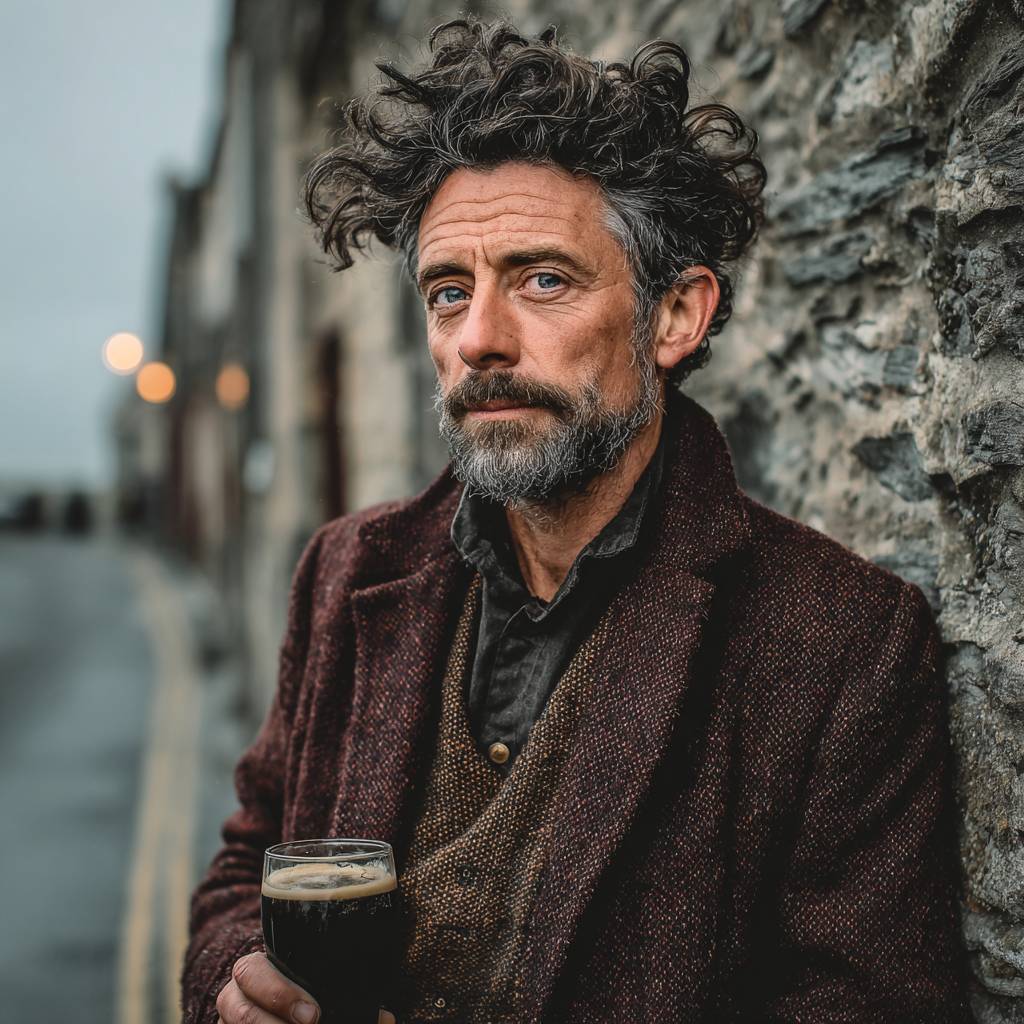
By Finn O'Sullivan
Irish storyteller and folklorist. Finn hunts for the narratives that do not make guidebooks—the pub legends, the family feuds, the neighborhood heroes. He believes every street corner has a story if you know who to ask.