
Bishkek does not care about your expectations. It is a city of straight Soviet avenues, snow-capped mountains on the horizon, and prices that feel like a typo. Most travelers pass through on their way to the Tian Shan mountains or the Kyrgyz countryside. They stay one night, complain about the architecture, and miss the point entirely. Bishkek is not a destination to admire. It is a base camp to exploit.
I have run hostels and traveled through seventy-plus countries on budgets that would make most people wince. Bishkek is the cheapest capital I have found outside Southeast Asia. Not cheap in a depressing way. Cheap in a functional, honest way. The kind of city where a taxi across town costs less than a coffee in Paris and where the local market feeds you for the price of a gum packet.
Here is how to do it properly.
Where to Sleep
The hostel scene in Bishkek is small, efficient, and built for people who actually need sleep. Apple Hostel on Orozbekova Street charges 650 som for a dorm bed, about $7.50 at current rates. That includes WiFi, a kitchen, and staff who know which marshrutka leaves for Ala-Archa Gorge and when. The Tien Shan Travel Guesthouse near the city center runs slightly higher at 900–1,200 som for a private room, around $10–14, but includes breakfast and a courtyard where trekkers compare notes before heading south. Both are within walking distance of the main sights and the Osh Bazaar.
If you want to go cheaper, homestays in the residential areas south of Chuy Avenue cost 500–700 som. The trade-off is a shared bathroom and a grandmother who will feed you whether you ask or not. I stayed in one for three nights. The total came to less than a single night in a Berlin hostel.
Book in advance for July and August. Summer is peak trekking season and beds fill with the Altai-to-Pamir crowd.
Where to Eat
The food in Bishkek is heavy, meat-focused, and staggeringly cheap if you know where to look. A stolovaya, the Soviet-style canteen, is your best friend. Plates of plov, lagman, or manty cost 100–200 som, roughly $1.15–$2.30. The ones near the Osh Bazaar and along Chuy Avenue are packed with office workers and students between noon and two. Go then. The food is hot, the turnover is fast, and no one is trying to upsell you.
For slightly more variety, the food stalls inside Dordoi Bazaar serve samsa, the Central Asian meat pastry, for 80–120 som. A large lagman bowl at a local café runs 150–250 som. Fresh bread from a tandyr oven is 20–30 som per loaf. I tracked my food spending for a week in Bishkek. It averaged $5.60 per day. That included three meals, tea, and one accidental second breakfast.
The sit-down restaurants along Abdrakhmanov Street cater to foreigners and charge 400–600 som per main. They are not bad. They are just unnecessary. Skip them unless you need a beer garden and a menu in English.
What to Drink
A 1.5-liter bottle of local beer costs 110 som, about $1.25. A draft pint at a basic pub runs 150–200 som. Tea at a chaikhana, the traditional teahouse, is 10–20 som. The ones near Ala-Too Square are open late and serve as informal meeting points for anyone planning a trip to Issyk-Kul or Karakol.
Imported alcohol is expensive. Avoid it. This is a country that makes its own vodka and beer. Drink like a local and your wallet will not notice the difference.
Getting Around
Bishkek is built on a grid. The main east-west artery is Chuy Avenue. The north-south streets are numbered. Walk as much as you can. The city center is flat, the sidewalks are wide, and the mountain air makes the distance feel shorter than it is.
When you need wheels, a marshrutka, the shared minibus, costs 16 som flat, about $0.18. They run on fixed routes and stop when you shout. The number 42 and 50 lines cover most of the center. A monthly transport pass costs 1,020 som if you are staying longer.
Taxis are where tourists get burned. Unmetered drivers at the airport or bazaar will quote 500–800 som for a five-kilometer ride. Do not accept this. Download Yandex Go. A ride across the city costs 100–200 som, roughly $1.15–$2.30. From the airport to the center, expect 300–400 som. The app removes the negotiation and the scams.
What to Do
Bishkek is not a city of monuments. It is a city of preparation. Most travelers use it to organize treks, buy gear, and recover from long bus rides. That said, there are a few things worth your time and almost none of them cost money.
Ala-Too Square is the center of gravity. The square is free, always open, and surrounded by the State Historical Museum, which charges 150 som. The White House, the presidential building, sits across the street. You cannot go in, but the Soviet grandeur of the exterior is worth a photograph.
Osh Bazaar is the real heartbeat. It is not a tourist market. It is a working bazaar where Bishkek buys its vegetables, meat, and electronics. Walk through the dried fruit section and sample the apricots and walnuts. No one charges for tasting. The eastern end sells Kyrgyz felt goods, traditional hats, and secondhand Soviet memorabilia. Prices are not fixed. Bargain. Start at half the asking price and settle around sixty percent.
Panfilov Park, a few blocks east of the bazaar, is a green strip with an old Soviet amusement park. The ferris wheel is rusted and probably unsafe, but the park itself is free and full of families, chess players, and old men reading newspapers on benches. It is a good place to understand the rhythm of the city without spending a som.
If you need a day trip, Ala-Archa Gorge is thirty kilometers south. Marshrutka 265 leaves from the bus station near Osh Bazaar and costs 80–100 som. The national park entrance is 200 som. From there, you walk into the Tian Shan foothills. The trail to the waterfall is two hours each way. The trail to the glacier is a full day. Bring water. The altitude starts at 1,600 meters and climbs fast.
What to Skip
The Dordoi Bazaar is enormous and famous, but it is primarily a wholesale market. Unless you are buying clothing in bulk, it is not worth the trek north of the center. The shops in the city center along Kurmanjan Datka Street sell the same souvenirs at inflated prices. The so-called walking tours of Soviet architecture are overpriced at $30. You can see the same buildings on your own in two hours. The Irish pub on Chuy Avenue charges European prices for beer you can find for a third of the cost three blocks away.
The Money
The currency is the Kyrgyz som. As of mid-2026, one US dollar buys approximately 88–90 som. Exchange offices are everywhere, especially near Chuy Avenue and the bazaar. The rates are honest and the spread is tight. Bring cash. Cards work in larger restaurants and some hotels, but the market, the marshrutkas, and the small guesthouses operate in paper.
ATMs are plentiful and most dispense both som and US dollars. The maximum withdrawal is typically $200 equivalent. Beem and Optima Bank ATMs are the most reliable. Some charge a 1–2 percent foreign transaction fee.
The Logistics
Bishkek is hot in July and August, with temperatures reaching 35°C. The city is at 800 meters, so the sun is direct. Carry water. Winter drops to minus 15°C and the heating in cheap accommodation can be inconsistent. Spring and autumn are the sweet spots. May and September offer clear skies, moderate temperatures, and lower prices before and after the trekking rush.
Visas are straightforward. Most Western nationalities get sixty days visa-free. Extensions are possible at the migration office on Shopokov Street for a small fee. Bring your registration slip from your hotel or guesthouse. The authorities check occasionally, though enforcement is relaxed.
A local SIM with data costs 95–150 som, about $1–$2, at any Beeline or MegaCom shop. The network covers the city and most of the main highways. You will need your passport to register the card.
The Bottom Line
A day in Bishkek on a tight budget breaks down like this. Dorm bed: $7.50. Three meals at stolovayas and stalls: $5. Transport: $1. Tea and snacks: $2. Total: $15.50. Add a beer and a taxi home and you are still under $20. Add the Ala-Archa day trip and you hit $25. That is the entire cost. No tricks, no hidden fees, no tourist tax.
Bishkek is not trying to impress you. It is trying to function. That is exactly what makes it useful. Use it as a base, use it as a rest stop, or use it as a lesson in how little money a capital city actually requires. I have spent more on a single train ticket in Switzerland than I spent in a week here. The mountains are what you came for. Bishkek is what makes them affordable.
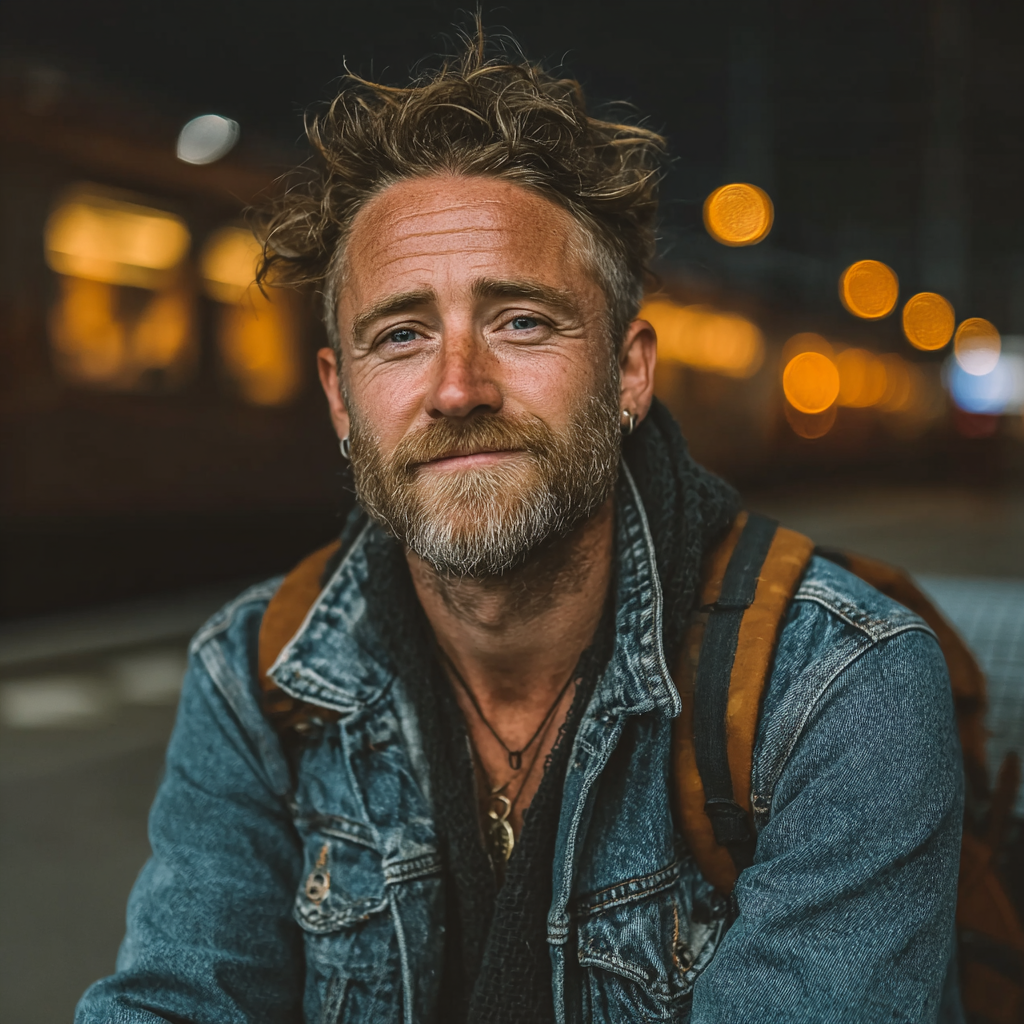
By James Wright
Budget travel expert and former backpacker hostel owner. James has visited 70+ countries on shoestring budgets, mastering the art of authentic travel without breaking the bank. His mantra: "Expensive does not mean better—it just means different."