
Most travelers treat Kenya like a theme park with better lighting. They fly into Nairobi, board a Land Cruiser, and spend three days grid-searching the Masai Mara for the same five animals every other jeep is chasing. The result is predictable: traffic jams around lion sightings, eroded riverbanks, and a tourism economy that enriches tour operators while the communities living next to the wildlife see little of the revenue.
There is another way to do this. Kenya has spent the last two decades building a conservation model that replaces the national park treadmill with community-owned conservancies. The math is simple. When local Maasai and Samburu landowners earn more from wildlife tourism than from cattle grazing, they stop selling bushmeat and start protecting predators. When tourists pay conservancy fees instead of park entry charges, the money funds schools and ranger salaries instead of central government budgets. This is not charity tourism. It is a functioning market where conservation pays its own bills.
The conservancy model started in the 1990s in Lewa, a former cattle ranch in Laikipia. Today Kenya has over 160 community and private conservancies covering roughly 11 percent of the country. The best of them restrict vehicle numbers, ban off-road driving in sensitive areas, and cap guest beds to prevent overcrowding. The trade-off is higher nightly rates, but you get dawn game drives with no other vehicle in sight and the knowledge that your money is keeping a rhino alive.
Ol Pejeta Conservancy, three hours north of Nairobi by road, is the most accessible introduction to this system. At 360 square kilometers it is East Africa's largest black rhino sanctuary, home to roughly 140 animals and the last two northern white rhinos on earth. The conservancy entry fee is $110 per non-resident adult per day, with children aged 3 to 11 at $55. Vehicle entry runs Ksh 1,000 for up to six seats. Unlike the national parks, Ol Pejeta allows night game drives, guided bush walks, and visits to the Sweetwaters Chimpanzee Sanctuary, the only place in Kenya where rescued primates live in semi-wild enclosures. The sanctuary tour is included in the conservancy day pass. Rhino tracking with armed rangers costs extra, roughly $40 to $60 per person depending on the operator.
Accommodation inside Ol Pejeta ranges from The Stables, a converted barn near the headquarters with rooms around $80 per night, to Kifaru House and Sweetwaters Serena Camp at $300 to $500 per night. The mid-range option, Ol Pejeta Bush Camp, sits on the banks of the Ewaso Nyiro River and runs about $250 per person per night in high season. All lodges inside the conservancy include the entry fee in their rates, so the math often works out better than staying outside and paying separately.
Lewa Wildlife Conservancy, neighboring Ol Pejeta to the east, is where the model was invented. It is a UNESCO World Heritage Site and protects 11 percent of Kenya's remaining black rhinos alongside one of the densest populations of endangered Grevy's zebra anywhere. Lewa's difference is its revenue-sharing structure. Approximately 60 percent of tourism income goes directly to community projects: clinics, schools, water systems, and a microcredit program for women. A five-night stay at Lewa Safari Camp or Lewa Wilderness costs roughly $700 to $1,200 per person per night in peak season, with lower rates from April to June. The price is steep, but the conservancy limits guest numbers so strictly that even during migration season you will share a sighting with two vehicles at most.
In the Greater Masai Mara ecosystem, the community conservancies have become the only sane way to experience the migration without drowning in traffic. The Mara National Reserve itself charges $200 per person per day during peak season from July through October, and the main crossing points can see fifty vehicles stacked around a single crocodile. The private conservancies bordering the reserve, like Naboisho and Ol Kinyei, offer a different contract. Naboisho, owned by roughly 500 Maasai landowners, caps the number of beds at 104 across four small camps. It has the highest lion density recorded in the Mara ecosystem and allows off-road driving, night drives, and walking safaris, all banned in the national reserve. Entry fees run about $120 to $150 per person per day, usually bundled into camp rates. Asilia's Naboisho Camp and Kicheche Valley Camp are the established lodges, with nightly rates from $450 to $750 per person depending on season.
Ol Kinyei Conservancy takes exclusivity further. It allows a maximum of eighteen guests at a time across two small camps. The conservancy sits on a migration corridor, meaning the herds pass through without the circus that gathers at the Mara River crossings. Porini Mara Camp and Gamewatchers Adventure Camp are the only options, both solar-powered and staffed almost entirely from local Maasai communities. Rates start around $350 per person per night in low season and climb to $550 in July and August.
The coast offers a parallel story. Diani Beach and Watamu have long been packaged as all-inclusive fly-and-flop destinations, but a handful of lodges are running on different principles. The Sands at Nomad, on Diani, runs entirely on solar power, bans single-use plastics, and contributes a percentage of revenue to Diani Turtle Watch, a local project monitoring nesting sites. Watamu Treehouse, built from reclaimed wood and glass, sits in coastal forest and sources food from surrounding subsistence farms. Both charge between $120 and $250 per night depending on room and season, well below the Serena and Voyager rates but with far lower environmental impact.
What to skip is as important as where to go. Avoid the balloon safaris over the Masai Mara unless the operator can prove their carbon offset program is audited. The balloons burn propane, disturb wildlife at dawn, and the $450 to $550 per person price rarely includes meaningful conservation contributions. Skip any lodge that advertises "cultural visits" where Maasai villagers perform dances on schedule. These are typically exploitative, paying performers below minimum wage. Instead, ask your camp to arrange an unscripted visit to aManyatta, a traditional homestead, with proceeds going to the family hosting you rather than a middleman.
Do not book the Nairobi National Park day trip as a standalone safari experience. The park is hemmed in by the city, its lion population is stressed by isolation, and the "safari with a skyline" photos are more gimmick than ecology. If you are passing through Nairobi, use the time to visit the Sheldrick Wildlife Trust elephant orphanage, where rescued calves are rehabilitated for return to Tsavo. Entry is by appointment only, with a minimum donation of $25 per person for the 11 AM public visit or $150 per person for the 5 PM foster visit where you watch the evening feeding.
The logistics of sustainable travel in Kenya require more planning than the package alternative. Domestic flights from Nairobi to the conservancy airstrips, Nanyuki for Ol Pejeta and Lewa or Mara North and Naboisho for the Masai Mara, cost $150 to $300 per sector on Safarilink or Air Kenya. Road transfers from Nairobi to Ol Pejeta take roughly four hours and cost $150 to $200 for a private 4x4. Inside the conservancies, self-drive is generally not permitted; you use the camp's guides and vehicles, which is part of the low-impact model.
The green season from April to June offers lower rates across all conservancies, often 30 to 40 percent below peak, and the landscape is genuinely beautiful when the grass is high and the skies clear after rain. The downside is that some camps close entirely in April and May, so confirm availability before booking. November is the short rains and a shoulder season with decent wildlife viewing and moderate prices.
Packing for a low-impact safari means bringing reusables and leaving the disposable culture at home. Carry a water bottle with a filter; most camps provide safe drinking water but single-use plastic bottles are banned in several conservancies. Bring a headlamp with a red-light mode for night drives, as white light disturbs nocturnal animals. Neutral-colored clothing in beige, olive, or brown is not just a cliché; bright colors and black attract tsetse flies and make you visible to wildlife from farther away, altering their behavior before you even arrive.
Behavior inside the conservancies matters. Stay in the vehicle unless a guide explicitly invites you to walk. The guides know which lions are habituated to foot traffic and which will charge. Do not ask your driver to get closer for a photograph; most conservancies have strict minimum distance rules, fifty meters for big cats and twenty-five meters for rhinos and elephants, and the good guides enforce them without exception. Turn off your phone's flash before you get in the vehicle; you will not need it and a single flash at night can disorient a hunting predator.
If you want to measure whether your trip actually helped, ask the lodge for their conservation contribution numbers before you book. Reputable operators publish annual impact reports: hectares of habitat protected, rhinos born, school fees paid, ranger salaries covered. If they cannot give you a number, your money is not doing the work you think it is.
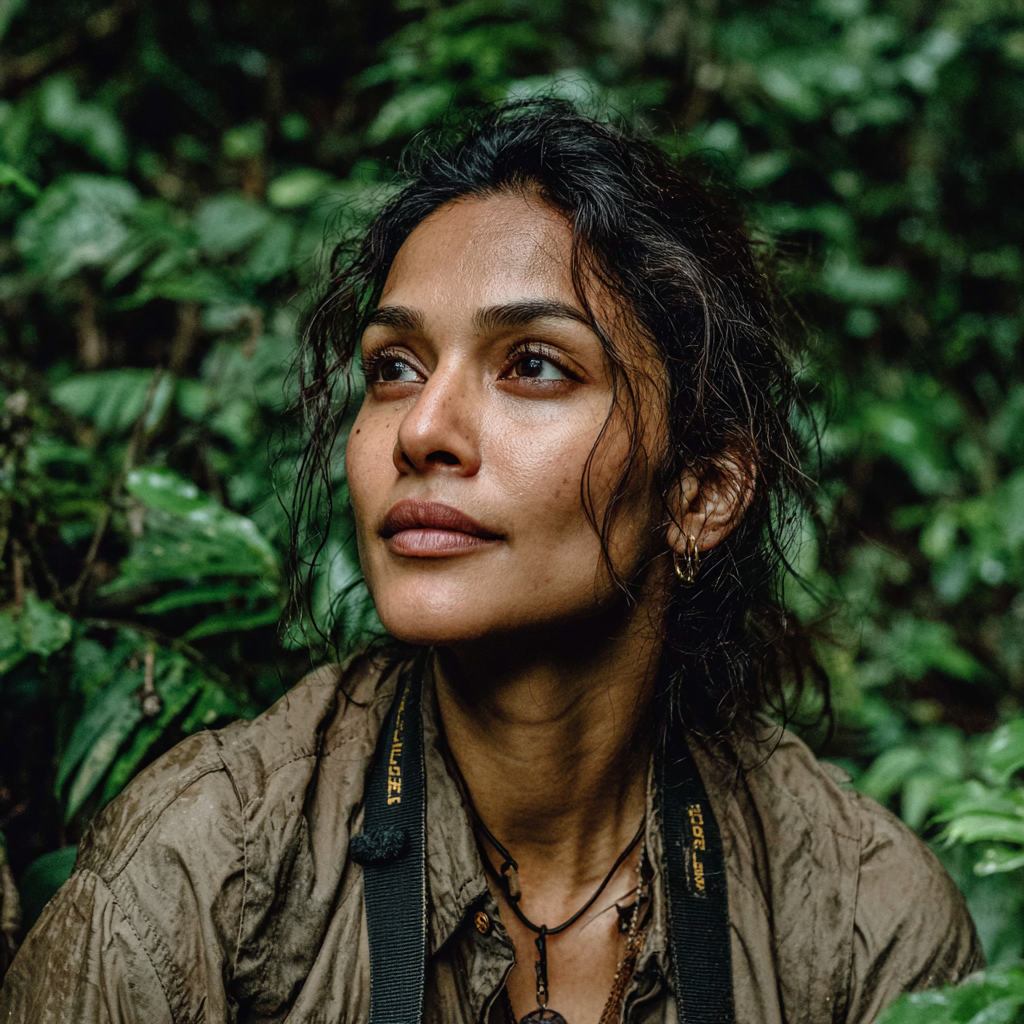
By Priya Sharma
Conservation biologist and sustainable tourism advocate. Priya works with eco-lodges and wildlife sanctuaries to promote ethical travel practices. She holds an MSc in Biodiversity Conservation and has spent years tracking endangered species across the Indian subcontinent.