
Kobe, Japan: Where Port City Grit Meets Culinary Grace — A Field Guide to Beef Worth the Hype, Sake Breweries Older Than Your Country, and the Chinatown That Refuses to Assimilate
The First Bite
I spent three days in Kobe eating until my belt threatened to snap, and I still missed more than I caught. That is the nature of this city. It does not announce itself. Kyoto has temples. Osaka has neon. Kobe has a harbor that opened in 1868 and a food culture that absorbed whatever came off the boat — Chinese, German, British, French — and never bothered to fully assimilate any of it. The foreign influences simply coexist, side by side, in a culinary ecosystem that is Japanese at its core but padded with layers you will not find elsewhere in the country.
This is a city where you can eat a bowl of egg-heavy akashiyaki dipped in dashi, drink ginjo-grade sake brewed three train stops away, and finish with cheesecake in a former missionary house. That is not a curated food tour. That is a normal afternoon.
What Kobe Actually Is
Most tourists treat Kobe as a day trip from Osaka. They ride in on the JR Special Rapid, eat an overpriced steak near Harborland, take a photo of the port tower, and leave convinced they have experienced the city. They have not. Kobe is not a destination you tick off. It is a place you eat your way through, slowly, over multiple days, letting the neighborhoods reveal themselves in increments.
The city sits on Osaka Bay, backed by the Rokko Mountains, and its geography has shaped everything about how it eats. The cold winds from Mount Rokko create ideal conditions for sake fermentation. The port brought foreign ingredients and techniques. The proximity to the Inland Sea means seafood from Akashi and Awaji arrives within hours. Understanding this triangle — mountains, sea, port — is the key to understanding why Kobe's food culture works the way it does.
The Beef: What It Actually Is, Where to Actually Eat It
Let us get the mythology out of the way. "Kobe beef" is not a generic term for Japanese wagyu. It is a registered trademark. To call beef "Kobe beef," it must come from Tajima-gyu cattle born and raised in Hyogo Prefecture, processed at approved slaughterhouses, and certified by the Kobe Beef Distribution Promotion Council. Only about 3,000 head of cattle qualify per year. Most of what tourists eat in Tokyo or Osaka is not Kobe beef. It is good wagyu, but it is not Kobe beef.
In Kobe, the restaurants that matter are old. Mouriya, at 1-9-9 Kitanagasa-dori, Chuo-ku, has been operating since 1885. Three generations have run it. The menu is simple: Kobe beef sirloin, Kobe beef tenderloin, or a combination, cooked on a teppan in front of you. Dinner courses run ¥10,000 to ¥20,000. Lunch is the same beef for roughly half the price, and reservations are easier to secure before 2 PM. The restaurant opens at 11:30 AM and closes at 10 PM. Book at least three days ahead.
Wakkoqu, at 1-1-2 Wakinohama-kaigan, Chuo-ku, near Shin-Kobe Station, is another fixture. It opened in 1953 and serves only A5-grade Kobe beef. The lunch set, with soup, salad, rice, and 120 grams of beef, costs around ¥6,500. If you want to test whether the beef is worth the price, order it rare. If the restaurant refuses, leave. Kobe beef has a high fat content that melts at room temperature. Cooking it well-done is a waste of money and a sign that the kitchen does not trust its product.
For a cheaper option, Kobe Beef Kaiseki 511 at 2-13-12 Shimoyamate-dori, Chuo-ku, offers lunch sets starting at ¥4,500. The beef is still certified, but the portions are smaller and the setting is less theatrical. It is a better choice if you want to taste the real thing without committing to a two-hour, ¥20,000 performance. Open 11:30 AM to 2:30 PM for lunch, 5:30 PM to 10 PM for dinner. Closed Wednesdays.
Akashiyaki: The Predecessor That Osaka Forgot
Everyone knows takoyaki, the sauced, mayonnaised, bonito-flaked octopus balls of Osaka. Kobe has something older. Akashiyaki, also called tamago-yaki in the region, is the dish that inspired takoyaki in the 1930s. The batter is mostly egg, not flour. The result is softer, fluffier, and closer to a savory souffle than a fried dumpling. It is served without sauce or toppings, on a wooden board, alongside a bowl of warm dashi broth. You pick up a ball with chopsticks, dip it, and eat it before it collapses.
In Kobe, many shops blur the line between akashiyaki and takoyaki. They serve the egg-heavy balls but add sauce on the side, creating what locals sometimes call "Kobe takoyaki." The best place to try the original style is Takoyaki Tachibana, founded in 1956, with a branch in the basement of San Plaza near Sannomiya Station. Ten pieces cost ¥700. They are so soft that they barely hold together when lifted. The dashi is made from bonito and kelp, light enough that you can drink the leftovers. Open 10 AM to 9 PM daily.
For a variation, walk ten minutes north to Kitano Takohei at 3-10-13 Yamamoto-dori, Chuo-ku, near the foreign residences. They offer eight different flavors, from plain dashi to plum-shiso, and a takoyaki udon that uses the same balls in noodle soup. Eight pieces cost ¥550. The shop closes at 6:30 PM and is closed Tuesdays.
Nankinmachi: The Chinatown That Never Left
Kobe's Nankinmachi is one of Japan's three major Chinatowns, and it feels like a separate district dropped into the city center. The entrance gates mark the boundary. Inside, the restaurants are Cantonese and Shanghainese, not the Japanized Chinese food you find in standard ramen shops. The specialty is the steamed meat bun, roughly the size of a fist, sold from windows for ¥400 to ¥500. The filling is pork with a hint of ginger and scallion. The dough is sweet and thick. It is designed to be eaten while walking.
For a sit-down meal, Kobe Motomachi Bekkan Botanen, at 1-5-5 Motomachi-dori, Chuo-ku, is a Cantonese restaurant founded nearly sixty years ago. The third-generation owner still uses handmade spices. The mushroom and beef saute with house-made oyster sauce is the dish to order, along with the shark fin soup with crab meat if you are not opposed to it. Prices run ¥1,500 to ¥8,000 per person. The restaurant is closed Wednesdays and stops taking orders at 8 PM.
Nankinmachi is not subtle. The lanterns are red, the signs are loud, and the crowds are dense on weekends. It is also authentic in a way that Tokyo's Yokohama Chinatown, with its focus on tourism, sometimes is not. The residents of Kobe eat here regularly.
Nada: The Sake District That Powers Japan
Take the Hanshin Main Line east from Sannomiya for fifteen minutes and you enter Nada Gogo, the five villages that produce roughly thirty percent of Japan's sake. The concentration is absurd. There are over twenty breweries between Uozaki and Ishiyagawa stations, many of them operating since the Edo period. The reason is geographical. Mount Rokko, to the north, provides cold winds that keep the district at an ideal temperature for fermentation year-round. It also provides miyamizu, the hard, mineral-rich water that defines Nada sake. Soft water makes feminine, delicate sake. Hard water makes masculine, dry sake. Nada sake is dry.
Kikumasamune, founded in 1659, is the most accessible brewery. It is a five-minute walk from Uozaki Station at 1-7-1 Uozaki, Higashi-nada-ku. The brewery museum is free and includes displays of Edo-period brewing tools. The highlight is the Taruzake Meister Factory, where craftsmen still build cedar casks by hand. Tours run twice daily at 10 AM and 2 PM. You can taste sake aged in those casks at the end. The shop sells the same sake that was served to Barack Obama at the Imperial Palace in 2014. Open 9:30 AM to 4:30 PM. Closed Mondays.
Fukuju, at 1-8-17 Ishiyagawa, Higashi-nada-ku, near Ishiyagawa Station, is smaller but more contemporary. The brewery has a restaurant and a sake bar built inside a converted warehouse. The beams and furniture are repurposed from old brewing machinery. Their ginjo-grade sake was served at a Nobel Prize dinner. Tasting flights cost around ¥1,000. The brewery is open from 9:30 AM to 5 PM, closed on some holidays.
Hakutsuru, at 4-5-5 Sumiyoshi, Higashi-nada-ku, between the two, runs a larger museum with English signage and a more polished tour. It is the best option if you want a structured explanation of the brewing process without prior knowledge. Open 9:30 AM to 4:30 PM. Closed New Year holidays. All three are within walking distance of the train line, and you can hit two in an afternoon if you move quickly.
Kitano-cho: Coffee, Cheesecake, and Foreign Ghosts
The Kitano-cho district, on the hillside north of Sannomiya, is where foreign merchants and diplomats built houses after the port opened. Many are now museums. The area also became Kobe's unofficial café quarter. The coffee culture here predates the third-wave movement by a century. Western-style bakeries and patisseries opened to serve the foreign community, and they stayed.
Kobe cheesecake is lighter than the New York version. It uses less cream cheese and more whipped egg white, reflecting the Japanese preference for airy textures. You will find it in most bakeries along Kitano-zaka and Yamamoto-dori. A slice costs ¥400 to ¥600. The area is also known for kurogoma ice cream, made with black sesame, and for Western-style confectionery shops that have been in business since the 1920s.
One specific spot is the café inside the Weathercock House at 3-13-3 Kitano-cho, Chuo-ku, the former Thomas residence. It is open from 9 AM to 6 PM and serves coffee with a view over the city. The house itself is a museum with a ¥500 entrance fee, but the café is accessible without a ticket. For a more modern option, walk down to Motomachi and find a branch of Nishimura Coffee at 1-26-3 Nakamachi-dori, Chuo-ku. They have been roasting since 1948. A cup costs ¥500 to ¥700. Open 8 AM to 10 PM.
Beyond the Obvious: What Most Visitors Miss
The Arima Onsen hot spring town, twenty-five minutes by train from Sannomiya, is one of Japan's oldest spa towns — dating to the 8th century. The golden springs (kinsen) are rich in iron and salt, said to help muscle pain and poor circulation. Day-trip entry to public baths costs ¥1,000 to ¥2,500. The town also has excellent soba shops and ryokan restaurants that serve multi-course kaiseki meals. Take the Kobe Municipal Subway to Tanigami, then the Kobe Electric Railway to Arima. Total journey: about 35 minutes.
Kobe Harborland, while touristy, has one genuinely worthwhile spot: the Brick Warehouse complex, converted from 1890s port buildings. The Anpanman Museum is for children, but the adjacent shopping and dining complex has several craft beer bars and a stand-up sushi counter that serves fresh catch from the morning auction. The sushi set, with ten pieces and miso soup, costs ¥1,500. Open 11 AM to 10 PM.
For a local drinking experience, the alleyways around Sannomiya Station — particularly the narrow lanes north of the east exit — are packed with tiny standing bars (tachinomiya) where salarymen drink after work. Most have no English menus and no seats. A beer costs ¥400 to ¥500, and the atmosphere is unvarnished Kobe. Look for the red lanterns and follow the noise.
Where to Stay
Kobe's accommodation landscape reflects its personality: practical, well-located, and less flashy than Osaka or Tokyo.
Budget: Kobe Guesthouse Maya at 4-13-14 Hyogo-dori, Hyogo-ku, is a clean, well-run hostel in a converted townhouse ten minutes from Sannomiya. Dorm beds start at ¥3,000 per night. Private rooms run ¥5,500 to ¥7,000. Shared kitchen, laundry, and a rooftop terrace. Book ahead in spring and autumn — it fills fast.
Mid-range: KOKO HOTEL Kobe Sannomiya at 63 Naniwamachi, Chuo-ku, opened in 2024 and offers compact but well-designed rooms starting at ¥8,500 per night. Five minutes from Sannomiya Station on foot. English-speaking staff, reliable WiFi, and a solid breakfast buffet for ¥1,500 extra.
Splurge: Oriental Hotel at 25 Kyomachi, Chuo-ku, is a Kobe institution — established in 1870, rebuilt multiple times, and still occupying prime waterfront real estate. Rooms start at ¥18,000 per night, but you are paying for history, location, and a breakfast buffet that includes both Japanese and Western options with views over the harbor. The lobby bar is worth a visit even if you are not staying.
What to Skip
The Kobe Luminarie, the winter light festival, draws enormous crowds and long lines for food stalls that are identical to those at any Japanese festival. If you are visiting for the food, avoid December evenings in the city center.
Meriken Park is pleasant for a walk but thin on dining options. The tourist-oriented Kobe beef restaurants near Harborland are overpriced and cater to cruise ship passengers. Walk ten minutes inland to Sannomiya or Motomachi and pay half the price for better beef.
Kobe Nunobiki Herb Garden, accessible by ropeway from Shin-Kobe Station, offers nice views but overpriced café food and a gift shop that sells the same lavender products you will find in every tourist town in Japan. Skip it unless you have a specific interest in herbs.
The Kobe City Museum has a decent collection but is not essential for a food-focused trip. If you have limited time, spend it eating rather than looking at pottery.
Rokko Garden Terrace sounds romantic — a mountaintop complex with views over the city — but the restaurants are mediocre and overpriced. The view is better from the observatory deck at Kikuseidai, which is free.
Practical Logistics
Getting there: Sannomiya Station is the hub. The JR, Hanshin, and Hankyu lines all converge here. From Osaka, the Hanshin Main Line takes roughly thirty minutes and costs ¥330. From Kyoto, take the JR Special Rapid to Osaka and transfer. The shinkansen stops at Shin-Kobe Station, one subway stop east of Sannomiya.
Getting around: The city is compact and walkable. Sannomiya to Motomachi is fifteen minutes on foot. Nankinmachi is five minutes south of Sannomiya. Kitano-cho is a ten-minute uphill walk north, or a short bus ride on the City Loop bus (¥260 per ride, day pass ¥700). The Nada sake breweries are on the Hanshin Main Line east of Sannomiya.
Money: Japan is still largely cash-based. Carry ¥10,000 to ¥20,000 in yen daily. Seven-Eleven ATMs accept foreign cards. Credit cards are accepted at hotels and major restaurants, but many smaller eateries and standing bars are cash only.
Language: English is limited outside major tourist spots. Learn basic phrases: "sumimasen" (excuse me), "kore kudasai" (this please), "o-kanjo kudasai" (check please). Pointing at menu pictures works everywhere.
Timing: Kobe is a year-round destination, but spring (March to May) and autumn (September to November) offer the best weather for walking. Summer is humid and crowded. Winter is mild but some smaller restaurants close for year-end holidays.
Daily budget: ¥8,000 to ¥12,000 per person covers food, transport, and entry fees if you eat one expensive meal and keep the rest moderate. A Kobe beef dinner alone can blow this budget, so plan accordingly.
Etiquette: Do not tip. It is considered rude. Say "itadakimasu" before eating and "gochisousama deshita" after. Do not eat while walking. In standing bars, place your payment on the counter, not in the staff's hand.
About the Author
Sophie Brennan is an Irish food writer and historian based in Lisbon. She holds a master's degree in medieval history from Trinity College Dublin and has spent the last decade writing about the intersection of food, culture, and place. Her work has appeared in Condé Nast Traveller, Saveur, and The Guardian. She is the author of two cookbooks exploring Celtic and Iberian culinary traditions. Sophie came to Kobe chasing a rumor about Portuguese tempura — that the dish was not Japanese at all, but a foreign import that had been absorbed and transformed. She found the rumor was only half true, but she also found a city that treats all foreign influence the same way: not as something to be rejected, but as something to be tasted, tested, and folded into the local identity. She spent three days eating her way through Kobe in October 2024, and she has been planning her return ever since.
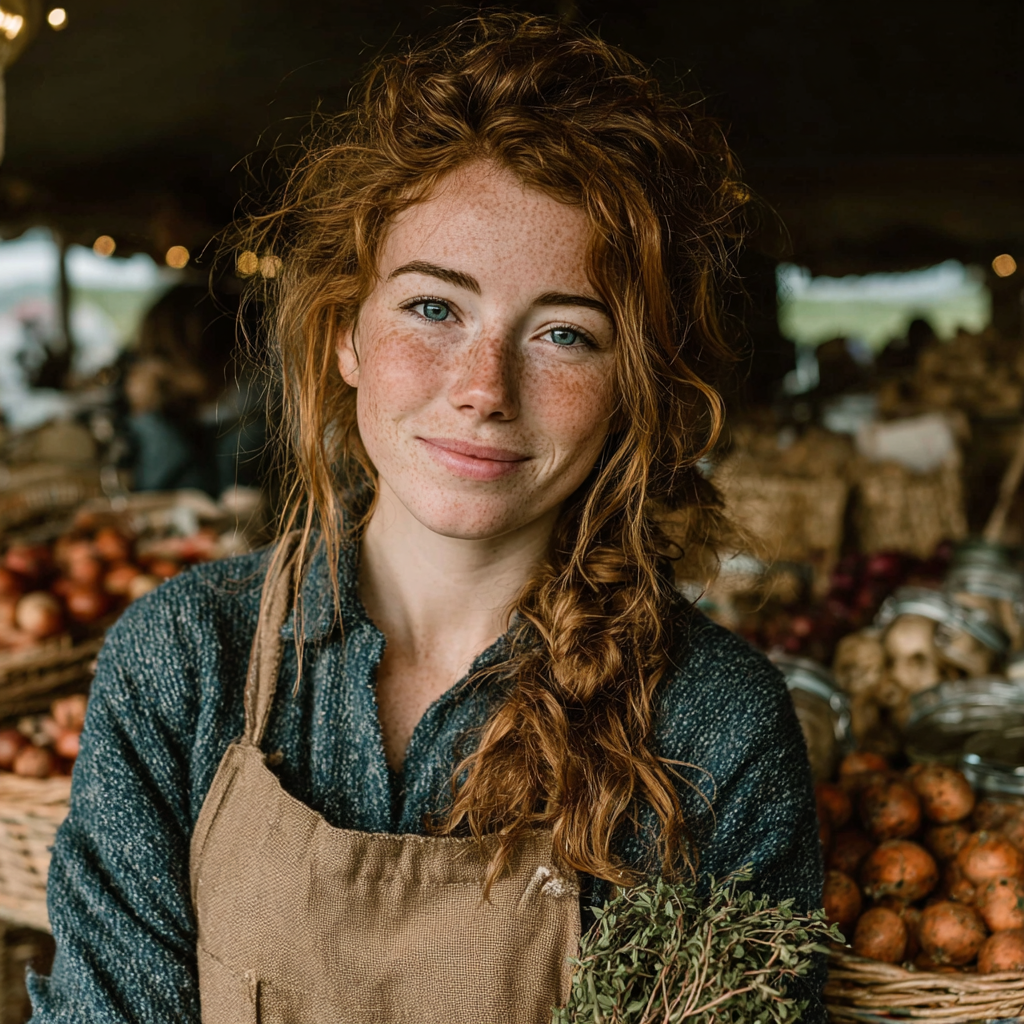
By Sophie Brennan
Irish food writer and historian based in Lisbon. Sophie combines her background in medieval history with a passion for contemporary gastronomy. She has written for Condé Nast Traveller and authored two cookbooks exploring Celtic and Iberian culinary traditions.