
The Sakura Photographer's Handbook: Where to Stand in Tokyo and Kyoto for the Perfect Shot
Tokyo and Kyoto during cherry blossom season are not the same place. One is a city that happens to have trees. The other is a forest that happens to have temples. I have photographed both for twelve years, published in Monocle and Dezeen, and I still misjudge the light at least once every season. The truth is, sakura photography is not about having the best camera. It is about knowing where to stand, when to arrive, and what to ignore. Here is everything I have learned, assembled after years of arriving too late, setting up in the wrong spot, and watching a storm strip an entire grove in forty-eight hours.
My name is Yuki Tanaka. I am a photographer based in Tokyo. My work has appeared in Monocle, Dezeen, and Wallpaper. I have photographed cherry blossom season in Japan for twelve years, and I still check the forecast daily. I do not chase the perfect full bloom shot to the exclusion of everything else. The photograph that matters is the one you take, not the one you planned.
Reading the Forecast (and Why It Will Still Surprise You)
The Japan Meteorological Corporation releases forecasts starting in January, updating every two weeks. The dates shift, but the pattern holds. Tokyo blooms first. Kyoto follows by roughly five days. This is not a suggestion. It is a fact that ruins itineraries every single year.
Tokyo: First blooms around March 19. Full bloom March 26. The season lasts roughly ten days, weather depending.
Kyoto: First blooms around March 24. Full bloom March 31. The gap means you cannot see both cities at peak in one trip unless you time it perfectly and move fast. Most people fail. Choose one city at full bloom, or accept that one will be early or late.
Rain is the variable that no forecast controls. A storm during full bloom can strip trees in forty-eight hours. Check the ten-day forecast daily. Adjust your plans accordingly. The best photographers I know treat sakura season like a military operation with flexible retreat options.
What beginners miss: the trees are beautiful at every stage. The buds are pink and tight. Early bloom has scattered flowers against bare branches. Falling petals create snowstorms. Even the green leaves that follow have their own palette. Full bloom lasts three to four days. You are planning an expensive trip around a four-day window. The anxiety is real. I have watched photographers melt down because they arrived two days early and the trees were still tight buds. Do not be that person. Build buffer days. Bring a book. Trust the process.
Tokyo: Where the Light Works (and Where It Betrays You)
Shinjuku Gyoen National Garden
Address: 11 Naitomachi, Shinjuku City, Tokyo 160-0014, Japan Admission: ¥500 adults; ¥250 for seniors (65+) and high school students with ID; free for junior high and under. Cash only at the gate. Hours during sakura season (March 24–April 24): 9:00–18:00, last entry 17:30. Open every day during cherry blossom season — no Monday closures. Getting there: 5-minute walk from Shinjuku-Gyoemmae Station (Tokyo Metro Marunouchi Line), 10-minute walk from Shinjuku Station Southeast Exit, or 5-minute walk from Sendagaya Station (JR Sobu Line). Advance reservations: Required for weekends and national holidays during peak bloom. Book via the Asoview system; reservations open a few weeks before peak season.
Shinjuku Gyoen has three distinct garden styles spread across 58.3 hectares. The Japanese garden photographs best in morning light, before 9am, when the sun clears the eastern buildings and the pond is still. The English landscape garden works at golden hour, the last hour before sunset, when light filters through the Somei-Yoshino canopy and turns the lawns amber. The French formal garden is frankly not worth your memory card unless you are shooting a wedding and the couple insists.
The garden contains over 1,100 cherry trees across more than 70 varieties, including early-blooming Kanzakura (which can start in February) and late-blooming Yaezakura (double-flowered cherries) that persist through late April. This staggered blooming significantly extends the usable season.
Best spot: The bridge over the Japanese garden pond, facing northwest. You get the reflection of the weeping cherry in still water, with the NTT Docomo Tower visible but not dominant in the background. This only works on windless mornings. Arrive at 8:30am if you want the first hour without crowds. The ticket booth queues start at 8:45am.
Hidden gem: Raku-tei Tea House inside the Japanese Garden. For about ¥800 you receive a bowl of whisked matcha and a wagashi shaped like a cherry blossom petal. Sit on the tatami, look out at the spring gardens, and listen to the bamboo water pipe. It is the single best place to wait for the light to shift.
Gear note: Tripods are prohibited throughout the park. Bring a monopod or practice your hand-holding technique. I shoot at 1/125 minimum to avoid motion blur on moving branches. VR/IS helps, but nothing beats a fast shutter when the wind picks up.
Ueno Park
Address: Uenokoen, Taito City, Tokyo 110-0007, Japan Admission: Free Hours: Open 24 hours (park grounds); museums and zoo have separate hours. Getting there: JR Yamanote Line to Ueno Station, Park Exit.
Ueno Park has over one thousand cherry trees. This sounds impressive until you see the crowds. By 10am on a weekend, you cannot move without stepping on someone's picnic blanket. By 2pm, the ground is a field of blue tarps and empty beer cans. The hanami parties here are legendary and, for a photographer, mostly useless.
When to go: Weekday mornings, 6am to 8am, before the park officially opens. The gates are unlocked. The hanami crowd arrives after 10am. The light at 6:30am in March is flat and even — perfect for blossom detail shots without harsh shadows.
Best spot: The path between the Tokyo National Museum and the Ueno Zoo, looking east toward the five-story pagoda. The Somei-Yoshino branches frame the pagoda. This works in overcast light, which is fortunate, because March mornings in Tokyo are often gray.
What to skip: The main promenade near Ueno Station. You will get a better photograph of someone's selfie stick than of any blossom. Also skip the food stalls near Shinobazu Pond during peak season — the smoke and crowds make photography impossible and the prices are insulting.
Meguro River
Address: Nakameguro, Meguro City, Tokyo 153-0061, Japan (best section between Ikejiri-Ohashi and Meguro Station) Admission: Free Hours: Best viewed 17:30–21:00 during illumination period (full bloom week) Getting there: Tokyu Toyoko Line or Tokyo Metro Hibiya Line to Nakameguro Station.
The Meguro River walk runs for four kilometers from Ikejiri-Ohashi to Meguro Station. The trees are Somei-Yoshino, planted in 1992, still young enough that their branches do not yet meet overhead. Give them another decade.
Best time: Blue hour, the thirty minutes after sunset, when the sky is deep blue and the paper lanterns along the river are lit. The Nakameguro Sakura Festival runs during full bloom week, which means food stalls and crowds. The lanterns stay up until 9pm.
Best spot: The bridge at Nakameguro Station, facing southwest. You get the river narrowing into the distance, both banks lined with pale pink, and the warm light from the cafes reflecting on the water. This requires a tripod. Police sometimes enforce the no-tripod rule on narrow bridges. Be ready to move quickly if asked.
Practical note: The restaurants along the canal require reservations during sakura season. If you want to eat with a view, book two weeks ahead. For a quieter option, grab a sakura mochi from a convenience store and eat it on a bench near the quieter section north of the station.
Kyoto: Where the Trees Outnumber the People (Barely)
Maruyama Park
Address: Maruyama-cho, Higashiyama Ward, Kyoto, 605-0071, Japan Admission: Free Hours: Open 24 hours. Night illumination during cherry blossom season: 18:00–22:00 (sometimes extended to 23:00 on weekends). Getting there: 10-minute walk from Keihan Gion-Shijo Station; 14-minute walk from Hankyu Kawaramachi Station; or city bus 100/206 from Kyoto Station to Gion stop, then 10-minute walk.
Maruyama Park is Kyoto's oldest hanami spot, built in 1886. The centerpiece is a single giant shidarezakura, a weeping cherry tree, supported by wooden struts because the branches are too heavy to hold their own weight. The current tree is a descendant of an original that lived over 200 years; it was planted from seeds in 1949 after the original was lost. It now reaches 12 meters high and is illuminated at night during full bloom week, creating the single most photographed scene in Kyoto.
Best time: The park never closes. Arrive at 6am for morning light without crowds. The northern edge, near the entrance to Yasaka Shrine, has lesser-known cherry trees with better afternoon light and fewer tripod setups. Return at 7pm for the illumination, which runs until 10pm during full bloom.
Best spot for the illuminated tree: Stand at the eastern edge of the clearing, low to the ground, shooting upward to catch the light filtering through the cascading branches. The white lanterns in the background blow out to pure white, which is fine. You are photographing the tree, not the lanterns.
Street food note: The park stalls sell takoyaki and matcha soft-serve during the festival. The quality is mediocre but the atmosphere is undeniable. For a real meal, walk ten minutes to a small udon shop in Gion where the menu is handwritten in Japanese and the broth has been simmering for decades.
The Philosopher's Path
Address: Tetsugaku-no-Michi, Sakyo Ward, Kyoto, 606-8426, Japan (runs from Ginkaku-ji to Nanzen-ji) Admission: Free Hours: Always open Getting there: 15-minute walk from Keihan Gion-Shijo Station; or city bus 5/17/32/100/203/204 to Ginkaku-ji-michi stop.
Tetsugaku-no-Michi runs for two kilometers along a canal from Ginkaku-ji (the Silver Pavilion) to Nanzen-ji. The path is named for Nishida Kitaro, a philosopher who walked this route daily to Kyoto University in the early twentieth century, meditating on existence while the seasons changed around him. The Somei-Yoshino trees number around four hundred. They bloom late in the season for Kyoto, often extending the viewing window by three or four days after other spots have peaked.
Best time: Overcast mornings, 7am to 9am. The path faces northeast. Direct morning light creates harsh contrast. Diffused light lets you expose for the blossoms without blowing out the sky.
Best spot: The section between Honen-in Temple and Anraku-ji Temple. The canal curves here. If you position yourself on the south bank, facing north, you get a composition that leads the eye around the bend. This requires patience. The path is narrow. You will wait for gaps in foot traffic. Bring coffee.
Practical note: The path is not continuous. It crosses roads four times. The crossing at Shirakawa Street is the most crowded. The crossing at Kitashirakawa is quieter. Look for the small cafes and artisan shops along the route — one of them, near the Eikan-do Temple turnoff, serves sakura mochi made by a family that has been doing it for three generations.
Arashiyama and the Sagano Romantic Train
Address: Arashiyama, Ukyo Ward, Kyoto, 616-0007, Japan Sagano Romantic Train: Saga-Arashiyama Station to Kameoka Station Admission: Arashiyama free; Sagano Romantic Train ¥880 one way Train hours: Approximately 9:00–16:00, multiple departures daily. Reservations recommended during sakura season. Getting to Arashiyama: JR Sagano Line to Saga-Arashiyama Station, or Randen tram to Arashiyama Station.
Arashiyama is the western district of Kyoto, across the Katsura River. The Sagano Romantic Train runs for seven kilometers from Saga-Arashiyama Station to Kameoka Station, following the Hozugawa River gorge. The train has no glass in the windows. You photograph through open air, wind in your hair, pollen on your lens.
Best direction: Take the train from Kameoka to Saga-Arashiyama, facing forward. The river gorge is on the left side of the train. The right side faces rock wall. Sit on the left. Book seat 5A or 5C if possible — these are the forward-facing window seats with the cleanest sightlines.
Best time: The 10:02am departure from Kameoka. This puts you in the gorge at 10:30am, when the sun has cleared the eastern ridge but has not yet created harsh overhead shadows.
Photography note: The train moves. Shoot at 1/500 or faster. The open windows mean wind. Hold your lens hood. I lost a lens hood to the Hozugawa River in 2019. I watched it spiral down into the rapids and had to finish the season with a lens that flared in every backlit shot. Do not be me.
Arashiyama on foot: After the train, walk the bamboo grove early (before 8am) for empty paths. The Togetsukyo Bridge offers iconic views of the Katsura River with sakura on the slopes behind. For a quieter angle, walk south along the riverbank past the tourist boats until you reach the old stone funaya (boat houses). The reflection shots here are better than the bridge, and you will share the spot with maybe three other photographers instead of three hundred.
What to Skip
Shinjuku Gyoen during midday on a weekend. The advance reservation system helps, but the crowds are still suffocating. If you must visit on a Saturday, arrive at 8:30am and leave by 11am. The garden is large enough that you can find quiet corners, but the famous spots become unusable.
Ueno Park after 10am. The blue tarps, beer cans, and karaoke machines make this a party, not a photography location. The morning window is sacred. After that, surrender it to the hanami crowd.
The main Meguro River promenade during the Nakameguro Sakura Festival. The food stalls are fun but the crowds are dangerous on narrow bridges. The best section is north of Nakameguro Station, where the festival tents thin out and the canal curves gently between residential buildings.
Any 'sakura forecast tour' that promises to take you to secret spots. There are no secret spots in Tokyo and Kyoto during cherry blossom season. Only early spots. The tour buses arrive at 9am. You need to be there at 6am.
The original shidarezakura location at Maruyama Park if you are expecting solitude. It is the most famous tree in Kyoto for a reason. Photograph it at 6am or during a light rain when the crowds scatter. Otherwise, use it as a landmark and shoot the lesser trees nearby.
Restaurants along the Philosopher's Path with English menus and picture boards. These are for tourists who have not learned that the best soba in Kyoto is served in a building with no sign, where the owner greets you with suspicion until you order correctly.
Technical Notes for Sakura Photography
Exposure
Cherry blossoms are pale pink or white. Camera meters read them as brighter than they are and underexpose. Add +0.7 to +1.0 exposure compensation. Check your histogram. The right edge should not touch the wall. If it does, you have blown highlights and no detail in the petals.
Focus
Autofocus hunts on moving branches. Switch to single-point AF, select a branch that is not moving, focus, then recompose. Or use manual focus with focus peaking if your camera supports it. In wind, pre-focus on a static element — a stone lantern, a bridge railing — and wait for blossoms to drift into the plane.
Depth of Field
For the classic "blossom tunnel" effect, shoot at f/2.8 or wider. The background becomes soft color. For shots that include architecture, stop down to f/8 so the pagoda or temple details remain sharp. I typically bracket: one wide open for atmosphere, one stopped down for detail.
White Balance
Daylight white balance (5200K) renders blossoms slightly warm, which looks correct to the eye. Auto white balance often cools them to pink-white, which looks clinical. Shoot RAW and adjust in post, or set daylight WB in camera. The Japanese light has a quality that Western camera algorithms do not understand.
Practical Logistics
Accommodation: Book six months in advance for sakura season. I mean this literally. By October, the good hotels in Gion are gone. In Tokyo, Shinjuku and Shibuya fill first. Consider staying in quieter neighborhoods like Yoyogi-Uehara or Kagurazaka — still on the Yamanote Line, but less tourist traffic.
Transport: The Japan Rail Pass is worth it if you are traveling between Tokyo and Kyoto. The Nozomi Shinkansen is not covered by the pass. The Hikari and Kodama trains are. The time difference is twenty minutes. Take the Hikari. From Kyoto Station to Gion, city bus 100 or 206 runs every few minutes. From Tokyo Station to Shinjuku Gyoen, the Marunouchi Subway Line is direct.
What to bring: Layers. March mornings are cold. Afternoons warm up. Rain gear. A plastic bag to sit on if you are doing hanami properly. Portable battery. The cold drains phone batteries fast. Hand warmers are not excessive before 8am.
Etiquette: Do not touch or shake branches to make petals fall. Do not climb trees. Do not set up a tripod where it blocks a path. The no-tripod rule in Shinjuku Gyoen is enforced by guards who have seen every excuse. Do not give them a new one.
The Weight of a Short Season
Cherry blossoms bloom for roughly ten days. Full bloom, when the trees are at their peak, lasts three to four days. You are planning an expensive trip around a four-day window. This creates anxiety. I have watched photographers melt down because they arrived two days too early and the trees were still tight buds.
Here is the truth: the trees are beautiful at every stage. The buds are pink and tight. The early bloom has scattered flowers against bare branches. The falling petals create snowstorms. Even the green leaves that follow have their own palette. The Japanese call the falling petals sakura fubuki — cherry blossom blizzard. It is as beautiful as full bloom, and it lasts longer.
Do not chase the perfect full bloom shot to the exclusion of everything else. The photograph that matters is the one you take, not the one you planned. The best image I ever made during sakura season was on a rainy morning at the Philosopher's Path, when the light was flat and gray and the only other person was an old man walking his dog. The dog stopped to sniff a fallen petal. The man waited. I pressed the shutter. That image has nothing to do with technical perfection. It has everything to do with being there, in the quiet, when the world is not watching.
Yuki Tanaka is a photographer based in Tokyo. Her work has appeared in Monocle, Dezeen, and Wallpaper. She has photographed cherry blossom season in Japan for twelve years and still checks the forecast daily.
Quick Reference
Forecast:
- Tokyo: First bloom ~March 19, full bloom ~March 26
- Kyoto: First bloom ~March 24, full bloom ~March 31
Entry Fees:
- Shinjuku Gyoen: ¥500 (¥250 reduced)
- Maruyama Park: Free
- Philosopher's Path: Free
- Sagano Romantic Train: ¥880 one way
Best Light:
- Morning: 6am to 9am, overcast preferred
- Golden hour: Last hour before sunset
- Blue hour: 30 minutes after sunset
Transport:
- Tokyo–Kyoto: Hikari Shinkansen (JR Pass eligible)
- Kyoto Station to Gion: City bus 100 or 206
- Tokyo Station to Shinjuku Gyoen: Marunouchi Line to Shinjuku-Gyoemmae
Prohibited:
- Tripods in Shinjuku Gyoen
- Tripods on narrow bridges (sometimes enforced)
- Touching or shaking branches
Required:
- Patience
- Flexible plans
- Backup batteries
- Six-month accommodation booking window
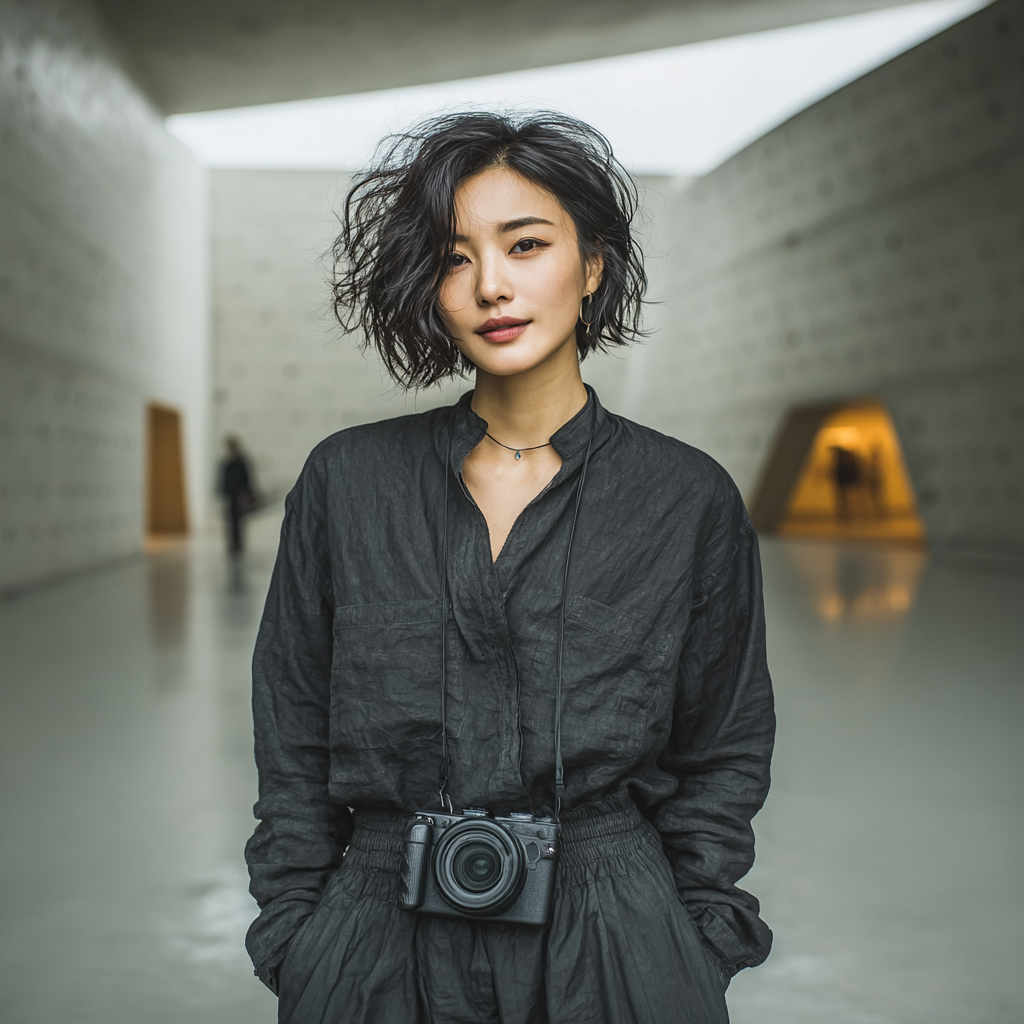
By Yuki Tanaka
Architectural photographer based in Tokyo. Yuki captures the dialogue between ancient structures and modern design across Asia and Europe. Her work has been featured in Monocle, Dezeen, and Wallpaper. She sees buildings as frozen stories waiting to be told.