
Kingston Travel Guide: Trench Town's Concrete Yards, Bob Marley's Bullet Holes, and the Sound-System Capital of the World
Most visitors to Jamaica land in Montego Bay, check into an all-inclusive, and treat Kingston like a layover. The locals call it "Mobay versus Kington" — one is a resort, the other is a city that actually functions. Kingston is hot, loud, occasionally dangerous, and completely uninterested in whether you find it charming. It is also the place where reggae was invented, where the island's best food is cooked, and where the real Jamaica — not the brochure version — still operates.
The city divides roughly in two. Downtown is the historic core, the port, the government buildings, the markets, and the poverty that tourists are warned about. Uptown is the residential sprawl climbing toward the Blue Mountains, where the galleries, studios, and better restaurants sit. Both matter. You cannot understand Kingston without walking through both, though you should do so with local guidance after dark.
About This Guide
I'm Finn O'Sullivan, an Irish writer and folklorist who has spent the better part of a decade tracing how communities remember — through music, food, and the stories people tell when no one is trying to sell them anything. Kingston is the purest example I've found of a city whose history lives in its streets rather than its museums. The museums are good, but the real archive is a Trench Town courtyard at dusk, a jerk drum hissing on Constant Spring Road, or a Sunday night sound-system session on a hill above the city. This guide is built the way I travel: slowly, on foot where it's safe, with locals, and always with an appetite. I'll tell you what to see, what to eat, what to skip, and how to move through a city that rewards respect and punishes carelessness.
Trench Town and the Invention of Reggae
Trench Town, west of downtown, is where reggae was born in the 1960s in government housing yards — concrete courtyards shared by multiple families. Bob Marley lived at 19 Second Street. Bunny Wailer and Peter Tosh were nearby. The sound came from these yards: one guitarist, a rhythm section, and voices harmonizing over the daily noise of cooking, arguing, and surviving.
The Trench Town Culture Yard is now a small museum at 6-8 Lower First Street. It is not polished. The concrete is cracked, the exhibits are modest, and the guides are usually former residents who knew the musicians. Entry is around 1,000 Jamaican dollars (about $6.50 USD), and the tour takes 45 minutes. You get oral history — which yard held which jam session, who lent Marley his first guitar, how the police treated the neighborhood before the music made it known. The Culture Yard closes by 4 PM. You can call ahead on 876-803-1509 to arrange a tour. The surrounding streets require the same caution you would apply to any low-income urban area. Do not wander alone with a camera. Go with the museum guide or a local fixer.
This is not heritage branding. The Culture Yard is run by the community, and the money stays there. That matters, and it's worth saying out loud to the guide who walks you through.
Bob Marley Museum
The Bob Marley Museum at 56 Hope Road, in uptown Kingston, is the opposite experience. This was Marley's house and recording studio from 1975 until his death in 1981. Entry is around 3,000 JMD ($20 USD), with guided tours every hour.
The bullet holes from the 1976 assassination attempt are still in the walls. The recording studio is preserved as it was — analog tape machines, rusted microphones, the couch where Marley slept between sessions. The guide will tell you that Marley survived the shooting, played the Smile Jamaica concert two days later, and left for London shortly after. What the tour does not emphasize is how politically charged that period was — Marley was shot because both the ruling Jamaica Labour Party and the opposition People's National Party wanted his endorsement, and neither got it.
The museum has a café with ital (Rastafarian vegetarian) food. It takes about 90 minutes. Tours run 9:30 AM to 4 PM, Tuesday to Saturday. Closed Sundays and Mondays.
The Third Man: Peter Tosh and the Wailers Museum
Every tourist knows Marley. Fewer know that the Wailers were a trio, and that the third man — Peter Tosh — taught the others guitar, wrote "Get Up, Stand Up," and left the band in 1973 to make solo records like Legalize It that were angrier and more political than anything Marley released. Tosh was murdered in a home invasion in 1987, and Jamaica spent decades under-remembering him. The Peter Tosh Museum, opened in 2016 at the Pulse Centre on 38A Trafalgar Road in New Kingston — the square outside is now Peter Tosh Square — is the correction.
Entry is US$20 for foreign visitors (JMD 2,000 for locals). Hours are Monday to Friday 9:30 AM to 6 PM, Saturday 10 AM to 6 PM, closed Sunday. Inside you'll find his M16-shaped guitar, the unicycle he famously rode on stage, tour jackets, passports, and unreleased audio. It takes about an hour, and it pairs deliberately with the Marley Museum: two versions of the same story, one polished and global, one raw and local. If you're a serious reggae fan, also look into the Wailers Museum at 9 Darley Crescent in Washington Gardens, the former home of Bunny Wailer, which opens by appointment (876-850-4403).
Port Royal: The Wickedest City on Earth
Before Kingston existed, Port Royal, at the mouth of the harbor, was the center of English power in the Caribbean. In the late 1600s, it was called "the wickedest city on earth" — a pirate port where Henry Morgan lived before becoming lieutenant governor. The city sank in 1692 when an earthquake dropped two-thirds of it into the harbor. Over 2,000 people died.
Today Port Royal is a quiet fishing village with a few colonial forts and seafood restaurants. Fort Charles, the only major fort that survived, charges around 500 JMD ($3 USD). The real reason to visit is the fish. Hellshire Beach, just east of Port Royal, is where Kingstonians drive on weekends for fried fish and festival bread. Vendors cook red snapper and parrot fish to order in oil-filled drums. A full plate runs about 1,500-2,000 JMD ($10-13 USD). The beach is not pristine — litter is a problem — but the food is genuine.
Take a ferry from the Kingston waterfront (about 30 minutes, roughly 300 JMD / $2 USD) or hire a taxi. Service is irregular, so check times before you go, and don't plan your day around the last boat without confirming it exists.
Downtown: Markets, History, and Controlled Chaos
Kingston's downtown is where the island's commerce still happens. Coronation Market, at the corner of Darling Street and Orange Street, is the largest produce market in the English-speaking Caribbean. It opens before dawn and is busiest between 6 AM and noon. Vendors sell yams, breadfruit, callaloo, scotch bonnet peppers, and mangoes in varieties you will not find in export markets. The market has no organized tourism infrastructure — no guided tours, no multilingual signs — which is precisely why it is worth visiting. Walk through with a local guide who knows the vendors. The food court upstairs serves cheap, excellent meals: curry goat, oxtail, rice and peas, and fresh coconut water for about 500-800 JMD ($3-5 USD).
The National Gallery of Jamaica is downtown at 12 Ocean Boulevard. It holds the best collection of Jamaican art in the country — Edna Manley sculptures, John Dunkley paintings, and contemporary work that addresses the island's violence, religion, and racial identity. Entry is free. The gallery is open Tuesday to Thursday 10 AM to 4:30 PM, Friday 10 AM to 4 PM, and Saturday 10 AM to 3 PM. Closed Sunday and Monday. The surrounding downtown streets are fine during business hours but empty quickly after 5 PM. Plan to leave before dark unless you have a car waiting.
The Walls Talk: Street Art and the Creative District
Kingston's most important gallery has no roof. In 2014, a small group of artists led by Marianna Farag started Paint Jamaica and turned the walls around 41 Fleet Street, in the Parade Gardens neighborhood just south of downtown, into a open-air exhibition. The idea caught. Today, the Kingston Creative district — anchored on Fleet Street, Water Lane, and the lanes around Duke Street — holds well over a hundred murals, from portrait tributes of Tosh and Marley to abstract Rastafari color fields to sharp political commentary on poverty and policing.
The district is free to walk, and it's best explored on a Saturday morning when the Kingston Creative art walk runs (book ahead through their website or social channels). Across from 41 Fleet Street, stop at Life Yard — part urban farm, part ital restaurant — for a vegan lunch eaten under shade trees in a community garden that shouldn't exist but does. This is the Kingston that is rebuilding itself from the ground up, and it's the most hopeful thing you'll see in the city.
Devon House and the Colonial Layer
Devon House, on Hope Road not far from the Bob Marley Museum, is a restored 1881 mansion built by George Stiebel, Jamaica's first Black millionaire. Stiebel made his fortune in gold mining in Venezuela and returned to Kingston to build this house in a style that mimicked the white plantation elite. The mansion is now a heritage site with guided tours, a craft market, and what locals claim is the best ice cream on the island. The ice cream is made on-site in flavors like rum raisin, soursop, and mango. A scoop costs around 400 JMD ($2.50 USD). The house tour costs about 1,000 JMD ($6.50 USD) and runs every half hour. Devon House is open daily from 9:30 AM to 6 PM.
The mansion is beautiful, but the real story is Stiebel himself — a mixed-race man who accumulated enough wealth to build what the white establishment could not ignore. That tension, between Black success and colonial structures, is still present in Kingston's class dynamics.
Eating Like a Kingstonian
Resort food is engineered for tourists. Kingston food is engineered for people who will complain loudly if it's bad. This is where you eat well.
Jerk is the religion. The canonical Kingston spot is PeppaThyme on Constant Spring Road (in the space that long housed Scotchies), where jerk chicken starts around J$1,100 (about $7) for a quarter pound, sold by weight from the smoke drum and eaten at picnic tables with festival bread and ginger beer. Closer to New Kingston, Sweetwood Jerk Joint near Emancipation Park does jerk pork and chicken with the same informal, standing-room energy. Jerk is supposed to be slightly charred, heavily scotched, and eaten with your hands. If it's neat, it's not jerk.
The patty war. Jamaica runs on patties — flaky turmeric-colored pastry pockets filled with seasoned beef, chicken, or callaloo. The country is split between Tastee and Juici Patties, and loyalties run deeper than politics. A patty costs under J$300 (under $2). Try both, pick a side, and don't mention it again in mixed company.
Saturday soup. On Saturdays, cookshops across the city sell soup — beef soup with dumplings, chicken foot soup (better than it sounds, and good for the skin, locals will tell you), and fish tea, which is neither tea nor soup but a light broth. Find it at the Coronation Market food court or any neighborhood cookshop with a line out front. If there's a line, that's your review.
Ital everywhere. Rastafarian cooking — fresh, vegan, no salt-heavy processing — shows up at Life Yard downtown, at the Marley Museum café, and at ital stands around the city. It's cheap, filling, and a throughline of Kingston food culture that most visitors never taste.
The Blue Mountains
The Blue Mountains rise behind Kingston's northern edge. Blue Mountain Peak, at 2,256 meters, is the highest point in Jamaica. The hike to the summit starts at Whitfield Hall and takes about seven hours round trip. Most hikers start at 2 AM to reach the peak by sunrise. The trail is steep but not technical — good shoes, water, and a flashlight are essential. A guide costs about 5,000-8,000 JMD ($32-52 USD).
The lower slopes grow Blue Mountain coffee. Estates above 1,000 meters produce the best beans. Craighton Estate and Clifton Mount accept visitors with advance booking. Tours run about 2,000-3,000 JMD ($13-20 USD). Expect to pay 3,000-5,000 JMD ($20-32 USD) for a pound. The coffee is genuinely different — mild, almost chocolatey — and buying it at the estate is the honest version of the souvenir.
Sound-System Sundays: Dub Club and Dancehall Nights
Reggae history is what happened in studios and yards. Sound-system culture is what happens tonight. Kingston is the birthplace of the sound system — mobile speaker stacks run by a selector — and the tradition never left. On Sunday night, everyone who cares about roots reggae drives up the winding road to the Kingston Dub Club at 7B Skyline Drive in Jack's Hill, an open-air venue on stilts overlooking the entire city lit up below. Entry runs J$1,500-2,000 (roughly $10-15 USD, cash), the music is vinyl-only roots, rockers, and dub, and the crowd mixes Rastafari elders, local musicians, expats, and tourists who did their research. Doors open around 8 PM and the session runs past midnight; arrive before dark to watch the sunset from the deck. Kamila's Kitchen on site serves ital food. Two warnings from experience: wear flat shoes (the steps down to the dancefloor are steep and uneven) and arrange your ride back before you go — the road down is narrow, unlit, and not something to negotiate with an unknown taxi at 1 AM.
If dancehall is more your speed than roots, the city runs on weekly sessions — Uptown Mondays is the long-running institution, and street dances pop up nightly in different neighborhoods. There's no venue list; the location moves. Ask your hotel driver, ask the bartender, go with a local crew, and keep your wits about you the way you would at any big urban party anywhere in the world.
What to Skip
Do not expect Caribbean beach perfection in Kingston. The city's waterfront is industrial and polluted. The public beaches near the city — Gunboat Beach, Lime Cay — are popular with locals but have litter and inconsistent safety, and the boats to Lime Cay run on island time. If you want the postcard Jamaica, go to Negril or Portland Parish. Kingston is not that.
Do not walk around with a camera on a strap in downtown after hours. Do not assume that because you are in the Caribbean, the crime risk is lower than in a major U.S. or European city. It is not. Use registered taxis (look for the red license plates), ask your hotel to arrange drivers, and trust your instincts.
Do not visit Trench Town unannounced or without a guide from the Culture Yard. The neighborhood is not a theme park, and arriving as a tourist with no introduction is disrespectful and unsafe.
Do not treat Kingston as a day trip from Montego Bay. The drive is three-plus hours each way on roads that punish optimism. Come for at least two nights, or don't come at all.
Do not buy marijuana on the street. Jamaica decriminalized possession of small amounts in 2015 — under two ounces is a small fine, not a crime — but public smoking and street dealing remain illegal and policed, and a tourist buying from a stranger is an easy mark. If it matters to you, do it through legal channels and private spaces, and don't be an idiot about it.
Skip the hotel restaurant. Every mid-range Kingston hotel has one, and every one of them is worse than the cookshop two streets away that charges half as much.
Practical Logistics
Getting in and around. Norman Manley International Airport is about 30 minutes from uptown by car. Taxis to uptown hotels cost about 2,500-3,500 JMD ($16-23 USD). There is no reliable public transit from the airport — pre-arrange a pickup. Inside the city, red-plate licensed taxis are the way to move; agree the fare before you get in. Downtown and uptown are separate worlds — don't try to walk between them.
Money. The Jamaican dollar (JMD) is the working currency. Tourist-facing spots quote in USD; cookshops, markets, and taxis want cash in JMD. Carry small bills. Cards work at museums, hotels, and better restaurants.
Weather and timing. The city is hot year-round, between 27°C and 32°C (80-90°F). The rainy season runs May to November, though Kingston gets less rain than the north coast. December to April is drier but more expensive and crowded with diaspora Jamaicans returning for the holidays. February is Reggae Month, with concerts and events across the city — book hotels early if you come then.
Museum rhythm. Most museums and heritage sites are closed Sundays and Mondays, so plan your cultural itinerary for Tuesday through Saturday. The Dub Club solves Sunday night; Saturday belongs to Hellshire Beach and the Creative District art walk.
How long. Two full days covers the reggae circuit, downtown, and one meal you'll think about for years. Three days lets you add the Blue Mountain hike or a slow Saturday in the markets. More than that and you'll start getting useful — the city's greatest trick is turning visitors into locals.
Safety, honestly. Kingston's danger is real but bounded. Violent crime is concentrated in specific communities you'll have no reason to enter. The precautions are the ones your grandmother would invent: don't flash valuables, don't wander unfamiliar streets at night, ask locals before you go somewhere new, and take the advice of your hotel driver seriously even when it's inconvenient. Thousands of travelers move through Kingston every year without incident. The city is difficult, yes — loud, poor in places, and occasionally violent. But it is also where the music was made, where the politics happened, and where the food is cooked by people who have no incentive to please tourists. That honesty is rare. It is what makes Kingston worth the effort.
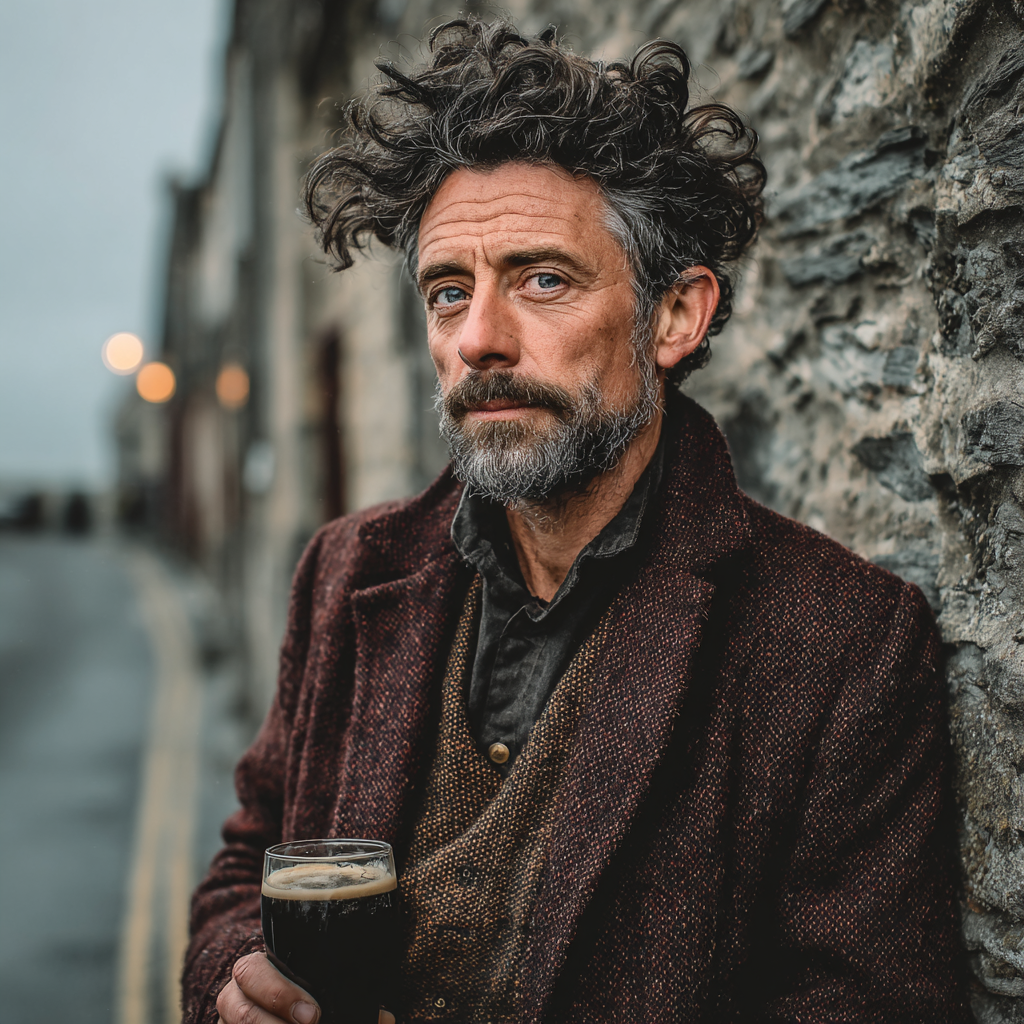
By Finn O'Sullivan
Irish storyteller and folklorist. Finn hunts for the narratives that do not make guidebooks—the pub legends, the family feuds, the neighborhood heroes. He believes every street corner has a story if you know who to ask.