
Turin does not announce itself. Where Rome flaunts antiquity and Florence parades Renaissance grandeur, Italy's fourth-largest city keeps its pleasures behind austere Baroque facades and under arcaded porticoes. This is by design. The House of Savoy built Turin as a capital of power, not display, and the city retains that restrained temperament. But behind the geometric rigor of its streets lies one of Italy's most satisfying food cultures — one that gave the world aperitivo hour, the Slow Food movement, and some of the country's most distinctive wines.
The aperitivo remains Turin's most exportable ritual, and understanding it requires abandoning the diluted version served elsewhere. Here, the pre-dinner drink is not an excuse for early drinking but a civilized pause — a moment to transition from work to evening, to stimulate rather than dull the appetite. The classic order is a Vermouth di Torino, the aromatized wine invented here in 1786 by Antonio Benedetto Carpano. At Caffè Mulassano (Piazza Castello 15), a jewel-box of a bar that has operated since 1907, barmen still mix vermouth with precision, serving it with small plates that might include grissini wrapped in prosciutto, local cheeses, or vegetable fritters. The bar's original 1907 woodwork and marble counters provide the proper atmosphere for this distinctly Piedmontese institution.
For a more contemporary aperitivo experience, Caffè San Carlo (Piazza San Carlo 156) occupies a corner of what locals call "the living room of Turin" — the symmetrical plaza with its twin churches and equestrian statue. The interior, all gilt and mirrors, dates to 1962, and the vermouth list runs to twenty varieties. Arrive around 6:30 PM to watch the ritual unfold: businessmen in tailored overcoats, students in vintage jackets, elderly couples who have occupied the same table for decades, all participating in the same choreography of small glasses and smaller plates.
Turin's cafè culture extends well beyond aperitivo. The city claims to have invented solid chocolate — the gianduiotto, a ingot-shaped confection of cocoa and hazelnuts that melts on the tongue rather than snapping between teeth. Peyrano (Corso Vittorio Emanuele II 76) has made these since 1915 in a workshop that still uses original molds. The gianduiotti come wrapped in gold foil, and the shop sells them by weight from glass cases that look unchanged since Mussolini's era. For hot chocolate — the thick, spoon-standing variety that Italians call cioccolata calda — Fiorio (Via Po 8) has served it since 1780 in rooms where Cavour and Dumas once sat. The recipe remains secret, but the result is closer to pudding than to American hot cocoa.
The Slow Food movement began here in 1986, founded by Carlo Petrini in response to a McDonald's opening near the Spanish Steps in Rome. The organization is headquartered in Bra, thirty minutes south, but Turin serves as its spiritual home and hosts the biennial Salone del Gusto, the world's largest food fair focused on artisanal producers. This philosophy permeates the city's restaurants. Del Cambio (Piazza Carignano 2) occupies a space that has hosted diners since 1757, making it one of Italy's oldest restaurants. The current iteration, under chef Matteo Baronetto, maintains the historic rooms — mirrors, stuccowork, the table where Cavour ate his final meals — while serving Piedmontese dishes that respect tradition without embalming it. The vitello tonnato comes with tuna from Sicily rather than the can, and the agnolotti del plin are hand-pinched as they have been for generations.
For a more casual expression of Slow Food principles, Eataly Lingotto (Via Nizza 230) occupies the former Fiat factory where cars rolled off assembly lines for decades. The conversion by Renzo Piano turned industrial space into a temple of Italian gastronomy, with multiple restaurants, a cooking school, and a market stocking products from Slow Food's network of small producers. The pizzeria here uses heritage grains, the butcher sources from Piedmontese farms, and the wine shop focuses on natural and biodynamic producers. It is easy to be cynical about Eataly's expansion to cities worldwide, but the original Turin location retains an authenticity that the copies cannot replicate.
The city's markets reward early mornings. Porta Palazzo (Piazza della Repubblica) claims to be Europe's largest open-air market, with over 800 stalls selling produce, cheese, meat, and fish from Tuesday through Saturday mornings. The atmosphere is chaotic in the best sense — vendors shouting prices, shoppers squeezing between stalls, the smell of fresh bread mixing with ripe cheese. Arrive before 9 AM to see the market at full operation, and head to the covered section for Gofreria Piemontese, a stall that makes gofre — a Turin specialty of waffle-like pastries filled with ricotta or chocolate.
For a more curated market experience, Mercato Centrale Torino (Via Bologna) opened in 2016 in a former steel foundry in the Aurora neighborhood. The vendors here represent a younger generation of producers: natural wine makers, craft brewers, third-wave coffee roasters, and vendors of artisanal charcuterie. The market's restaurant section includes a pizzeria using heritage grains and a bar focused on Vermouth di Torino cocktails. It lacks the anarchic energy of Porta Palazzo, but the quality is consistently high and the setting — exposed brick and industrial steel — reflects Turin's ongoing transformation from manufacturing center to creative hub.
The regional cuisine of Piedmont rewards the curious eater. The white truffles of Alba — found in the hills southeast of Turin from October through December — command prices that seem absurd until you smell one shaved over buttered tajarin pasta. Al Garamond (Via Garamond 10) serves this dish in season, the truffle shaved tableside by a waiter who understands the theater of the gesture. The restaurant occupies a converted 18th-century stable and maintains the brick arches and stone floors while offering one of the city's most refined expressions of Piedmontese cooking.
For a more accessible introduction to regional specialties, L'Acino Restaurant (Via Sant'Agostino 11) focuses on the cucina povera — the peasant cooking that sustained rural Piedmont for generations. The bagna cauda — a warm dip of anchovies, garlic, and olive oil served with raw vegetables — arrives in traditional terracotta pots over candles to keep it liquid. The brasato al Barolo, beef braised in the region's most famous wine, falls apart at the touch of a fork. The wine list emphasizes small Barolo and Barbaresco producers, many of whom sell exclusively to restaurants.
Turin's wine bars operate with a seriousness that can seem intimidating until you realize the bartenders want to share their obsessions. Vitello d'Oro (Via Sant'Agostino 17) stocks over 400 labels, with particular depth in Piedmontese varieties: Nebbiolo, Barbera, Dolcetto, and the underappreciated Arneis and Timorasso whites. The staff will guide you through flights organized by vineyard or vintage, and the small plates — local cheeses, cured meats, vegetable preserves — complement without competing.
For natural wine enthusiasts, Consorzio (Piazza Emanuele Filiberto 8) has been championing biodynamic and low-intervention producers since 2007. The list changes weekly based on what the owners discover in their travels through Italian vineyards, and the staff's enthusiasm is infectious even when the wines themselves challenge conventional notions of what wine should taste like. The food menu emphasizes offal and lesser cuts — veal tongue, beef cheek, sweetbreads — prepared with the same care as the wine selection.
The city's gelato culture predates the tourist-oriented chains that now dominate Italian piazzas. Grom (Via Garibaldi 23) began here in 2003 before expanding internationally, and the original location still makes gelato using seasonal ingredients from a designated farm in Piedmont. The pistachio comes from Sicily, the hazelnuts from the Langhe hills, and the sorbets use whatever fruit is perfect that week. La Romana (Via XX Settembre 63), a chain from Rimini, has found a devoted following in Turin for its creamy base and inventive flavors — try the crema di mascarpone with fig preserves.
Breakfast in Turin means coffee and something sweet at a neighborhood bar. The bicerin — layers of espresso, chocolate, and cream served in a glass that shows off the strata — is a Turin invention that predates the latte by a century. Al Bicerin (Piazza della Consolata 5) has made them since 1763 in a tiny room with marble-topped tables and a view of the Consolata church. The recipe remains unchanged: strong coffee, bitter chocolate, fresh cream, layered carefully so each sip contains all three elements.
For a proper sit-down breakfast, Caffè Fiorio (Via Po 8) serves brioche and coffee in rooms that have hosted everyone from Balzac to Nietzsche. The hot chocolate here is legendary — thick enough to require a spoon, made from a recipe that dates to the 18th century. Pair it with a cornetto filled with pistachio cream or apricot preserves.
Turin's restaurant scene extends beyond Piedmontese tradition. The city's immigrant communities have established enclaves with authentic cooking. The Quadrilatero Romano — the grid of streets north of Piazza Castello — contains Vietnamese pho shops, Syrian bakeries, and Senegalese restaurants serving thieboudienne. Ristorante Consorzio also operates in this neighborhood, occupying a space that has hosted food businesses since the 17th century.
For pizza, Turin developed its own style distinct from Naples or Rome. The crust is thicker than Neapolitan but thinner than Roman, with a crisp exterior and chewy interior. Pizzeria Starita (Via Bellezia 20) — an outpost of the famous Naples pizzeria — draws lines for its montanara, a fried-then-baked pizza topped with tomato and smoked mozzarella. Fermento (Via dei Mille 7) focuses on long-fermented dough made with heritage grains, topped with seasonal ingredients from Piedmontese farms.
The city's craft beer scene has exploded in recent years, with multiple brewers winning international awards. Birrificio Torino (Via Parma 82) operates a brewpub in a converted garage, serving eight house beers alongside burgers and fried foods that complement the hop bitterness. Mastro Birraio (Via Sant'Anselmo 10) focuses on Belgian-inspired styles — saisons, lambics, Flemish reds — that pair surprisingly well with Piedmontese food.
Turin's food culture resists hurry. The aperitivo requires time. The white truffle cannot be rushed. The bicerin must be sipped slowly to maintain the layers. This is a city that asks visitors to adjust their pace, to accept that a meal is not fuel but entertainment, that conversation matters as much as consumption. The Savoy architects designed Turin for processions and state occasions, and the city still moves with that formal grace. But behind the Baroque facades, in the small bars and family restaurants, the real pleasures reveal themselves to those willing to wait.
Practical Notes:
Reserve restaurants in advance, particularly on weekends. Turin dines late — 8:30 PM is considered early for dinner. Many restaurants close Sunday evening and Monday.
The Torino+Piemonte Card includes discounts at several restaurants and markets, though the best places rarely participate in tourist programs.
For truffles, visit between October and December when Alba's white truffles appear on menus. Never buy from street vendors — the real product is too valuable for sidewalk sales.
The city's arcades — over 18 kilometers of covered walkways — connect most central restaurants and bars, making Turin an excellent destination for rainy-day eating.
Porta Susa and Porta Nuova stations both connect to the center via metro, but walking between restaurants is the best way to experience the city's gastronomic geography. The Quadrilatero Romano, Vanchiglia, and San Salvario neighborhoods each offer distinct dining personalities within a twenty-minute stroll of each other.
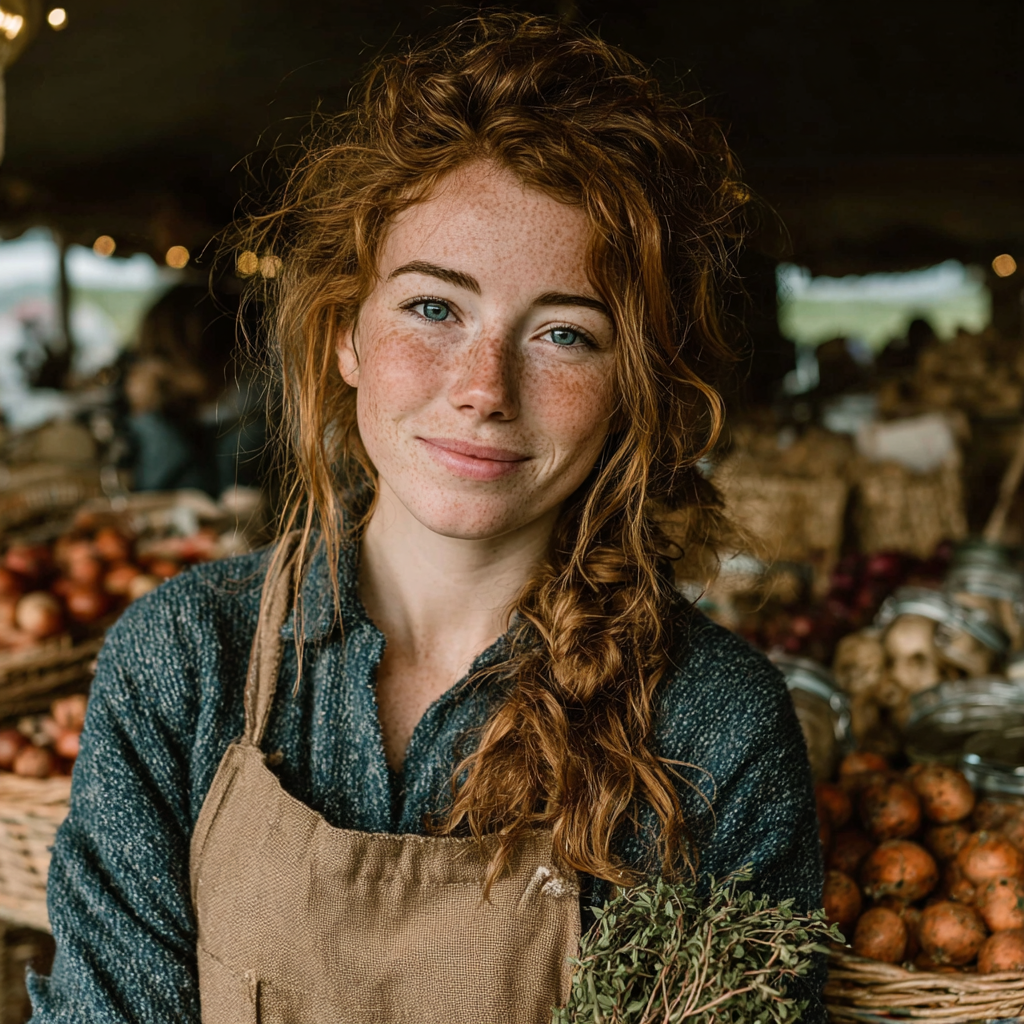
By Sophie Brennan
Irish food writer and historian based in Lisbon. Sophie combines her background in medieval history with a passion for contemporary gastronomy. She has written for Condé Nast Traveller and authored two cookbooks exploring Celtic and Iberian culinary traditions.