
Turin Is Not Florence: A Culture & History Guide to Italy's Most Dignified City
By Elena Vasquez | Culture & History
Turin doesn't announce itself like Rome or Florence. It doesn't need to. The city's grandeur reveals itself slowly—through the measured rhythm of porticoed boulevards, the dignified façades of Baroque palaces, and the quiet confidence of a place that was once the capital of a kingdom. This is not a city that performs for tourists. It simply exists, confident in its worth, waiting for visitors who appreciate what it offers.
I have walked these streets at dawn, when the only movement is the occasional tram clattering past Piazza Castello and the baristas unlocking their historic cafés. I have sat in Caffè Fiorio at 7 AM, drinking a bicerin where Cavour once plotted the unification of Italy. Turin doesn't reveal itself to rushing tourists. It rewards slow exploration, curiosity, and a willingness to look beyond the obvious. If you are looking for a city that has kept its soul while the rest of Italy sells pieces of itself to the tourism machine, Turin is where you need to be.
Meet Your Guide
I am Elena Vasquez, and I write about places where history refuses to stay in the past. My work focuses on culture, heritage, and the small details that reveal how a city thinks of itself. I don't do package tours or Instagram hotspots. I do early mornings in empty museums, conversations with elderly baristas who remember when the cafés had no menus, and the kind of slow walking that lets a city's character seep in through your shoes. Turin and I understand each other. It doesn't shout, and neither do I.
The Savoy Dynasty: Architects of Modern Italy
The House of Savoy ruled the Duchy of Savoy from the 11th century and expanded their territories to include Piedmont, eventually becoming kings of Sardinia and finally kings of unified Italy. Their story is woven into Turin's very fabric. For centuries, Turin was a royal capital, and the evidence is everywhere—from the Residences of the Royal House of Savoy (a UNESCO World Heritage site) to the cafés where the kingdom's intellectuals once gathered.
Turin was Italy's first capital in 1861. Though the government moved to Florence four years later, the city never lost its regal bearing. The Savoys built 22 palaces and villas in and around Turin, many now UNESCO World Heritage sites. These weren't just homes—they were statements of power, designed to impress visitors with the dynasty's wealth and sophistication.
The Royal Residences
Palazzo Reale (Royal Palace)
- Address: Piazzetta Reale, 1
- Hours: Tuesday–Sunday 8:30 AM–7 PM (last entry 6 PM); Monday 10 AM–7 PM for select routes
- Admission: €15 full price; €2 reduced (ages 18–25); free for under 18, teachers with school groups, ICOM members, and disabled visitors with companion
- Tip: The first Sunday of each month is free for state museums, but arrive by 8:15 AM to avoid the queue that forms by 9:00 AM
The official residence of the Savoys from 1645 to 1865, this palace demonstrates the dynasty's evolution from regional dukes to European royalty. The façade is relatively modest, but the interiors explode with Baroque opulence—gilded stucco, Flemish tapestries, and crystal chandeliers that weigh hundreds of kilograms. Don't miss the Scala delle Forbici (Scissors Staircase), an architectural marvel by Filippo Juvarra that seems to float without visible support. The Shroud Chapel (Cappella della Sacra Sindone), designed by Guarino Guarini, is a masterpiece of Baroque architecture—though the Shroud itself is rarely displayed.
The Royal Armory houses one of Europe's finest collections of arms and armor, including weapons that belonged to Napoleon and exotic pieces from the Ottoman Empire and Japan. The collection is arranged chronologically, and the curators have done an exceptional job of contextualizing each piece with the historical conflicts that shaped the kingdom.
Palazzo Madama
- Address: Piazza Castello
- Hours: Tuesday–Sunday 10 AM–6 PM
- Admission: €10
- Combined ticket with Palazzo Reale: €20
This palace encapsulates Turin's layered history. The site began as a Roman gate, became a medieval fortress, then a Renaissance palace, and finally a Baroque masterpiece when Juvarra added the extraordinary façade in the 18th century. The interior houses the Museo Civico d'Arte Antica, with collections spanning from the Middle Ages to the Baroque. Highlights include Antonello da Messina's Portrait of a Man and a collection of medieval illuminated manuscripts. The basement reveals Roman foundations that are remarkably intact—walk the glass pathways directly over 2,000-year-old walls.
Palazzo Carignano
- Address: Via Accademia delle Scienze, 5
- Hours: Tuesday–Sunday 8:30 AM–7:30 PM
- Admission: €8
This undulating Baroque palace, designed by Guarino Guarini, was the birthplace of King Victor Emmanuel II and the seat of Italy's first parliament from 1861 to 1865. The curved brick façade is one of Turin's most distinctive architectural landmarks. Today it houses the Museo del Risorgimento, chronicling the movement for Italian unification. The original Chamber of Deputies has been preserved exactly as it was in 1861—a time capsule of Italy's birth as a nation. Stand at the speaker's podium and imagine the debates that forged a country.
The Residences Outside Turin
Palazzina di Caccia di Stupinigi (10 km from center)
- Hours: Tuesday–Sunday 10 AM–5:30 PM
- Admission: €12
- Getting there: Bus 63 from Porta Nuova (40 minutes, €2)
This hunting lodge is Juvarra's masterpiece—a Rococo fantasy of stucco, mirrors, and gilding. The central hall features a stag's head made of gold and precious stones. The surrounding park was designed for hunting parties that could last for days. What strikes you is the sheer exuberance of the decoration; after the restraint of Turin's city palaces, Stupinigi feels like the Savoys finally let their hair down.
Venaria Reale (15 km from center)
- Hours: Tuesday–Sunday 9 AM–6 PM
- Admission: €18
- Getting there: Train from Porta Susa to Venaria (15 minutes, €2.50)
The largest royal palace in Italy, recently restored to its 18th-century splendor. The scale is overwhelming—this was the Savoys' Versailles, designed to compete with the French court. The Gallery of Diana, an 80-meter hall of mirrors and stucco, is one of Europe's most spectacular Baroque interiors. Budget at least three hours; the gardens alone deserve an hour.
Egyptology in the Alps
Turin seems an unlikely place for the world's second-largest Egyptian collection, but the Museo Egizio is one of the city's crown jewels.
- Address: Via Accademia delle Scienze, 6
- Hours: Monday 9 AM–2 PM; Tuesday–Friday and Sunday 9 AM–6:30 PM; Saturday 9 AM–8 PM (last entry one hour before closing)
- Admission: €15 full price; €1 junior (6–14); €2 student (15–18 and university); €18 family ticket (2 adults + 2 minors)
- Phone: +39 011 561 7776
- Audio guide: €5 (highly recommended)
The collection began in 1824 when King Charles Felix acquired 5,268 artifacts from French consul Bernardino Drovetti. It has grown to over 30,000 objects spanning 4,000 years of Egyptian civilization. The museum's 2015 renovation transformed it into one of Europe's most modern archaeological museums.
Highlights include:
- The Temple of Ellesiya, rescued from Lake Nasser before the Aswan Dam flooded the area
- The Tomb of Kha and Merit, intact burial chambers of a royal architect and his wife, complete with furniture, clothing, and food offerings
- The Statue of Ramses II, a 3-meter granite masterpiece that dominates the atrium
- The Papyrus of Iuefankh, one of the world's oldest copies of the Book of the Dead
What makes this museum special is the curation. Objects are arranged thematically rather than chronologically, telling stories about daily life, religious beliefs, and the afterlife. The lighting and display cases are exceptional—you can see details invisible in Cairo's more crowded museum. I spent four hours here on my first visit and still felt rushed.
Cinema and the Mole Antonelliana
Turin's most recognizable landmark, the Mole Antonelliana, began as a synagogue and became the symbol of Italian cinema.
Museo del Cinema
- Address: Via Montebello, 20
- Hours: Daily 9 AM–8 PM (until 11 PM on Saturdays)
- Admission: €12 (includes panoramic lift)
- Panoramic lift alone: €8
The museum occupies the Mole Antonelliana, a 167-meter tower that was the world's tallest brick building when completed in 1889. The interior has been transformed into a temple of cinema, with exhibits arranged around the central atrium. The collection traces cinema from shadow puppets and magic lanterns to modern special effects. Highlights include Maria Callas's costumes, original props from Fellini's films, and the Batmobile from Tim Burton's Batman.
The panoramic lift is not optional—it is a glass elevator that climbs through the center of the dome to a viewing platform with 360-degree city views. On clear days, you can see the Alps framing the horizon. Turin's connection to cinema runs deep: the city was Italy's film capital before World War I, home to studios that produced hundreds of silent films. The museum celebrates this heritage while embracing cinema's global history.
The Shroud of Turin
No discussion of Turin's culture is complete without mentioning the Shroud of Turin, the linen cloth bearing the image of a crucified man that millions believe to be Jesus Christ.
History: The Shroud first appeared in France in the 14th century and came to Turin in 1578 when the Savoys moved their capital here. It has been housed in the Cathedral of Saint John the Baptist ever since.
Current Status: The Shroud is rarely displayed—most recently in 2015. A high-resolution photograph is exhibited in the cathedral, and a replica is shown in the Royal Palace's Shroud Chapel.
The Controversy: Scientific testing in 1988 dated the cloth to the medieval period, but believers question the methodology. The image itself remains unexplained—no known artistic technique could have created it. Whether you believe or not, the Shroud's impact on Turin's identity is undeniable. It has made the city a pilgrimage destination for centuries and shaped its relationship with the Catholic Church.
The cathedral itself (Piazza San Giovanni, free entry) is relatively modest, but the Shroud Chapel designed by Guarini is the architectural draw. Even without the cloth, the Baroque geometry is worth the visit.
Literary and Intellectual Turin
Turin has produced an extraordinary number of Italy's greatest writers and intellectuals. Primo Levi, Cesare Pavese, Natalia Ginzburg, and Italo Calvino all lived and worked here. The city's literary culture is palpable—you can feel it in the historic cafés where Levi once sat, in the publishing houses that line the streets, and in the bookstores that remain central to city life.
Historic Cafés
Turin's cafés are institutions, many operating since the 18th century:
Caffè Fiorio (Via Po, 8)
- Open since 1780
- Hours: Daily 7:30 AM–11 PM
- A bicerin costs €5 at the table, €3.50 at the bar
- Favorite of Cavour and other Risorgimento leaders
- Known for its gianduiotto and the bicerin, a traditional drink of chocolate, coffee, and cream invented in Turin
Caffè San Carlo (Piazza San Carlo, 156)
- Open since 1822
- Hours: Daily 7:30 AM–11 PM
- Opulent Baroque interior with gilded mirrors and red velvet
- Frequented by Nietzsche during his time in Turin
Caffè Torino (Piazza San Carlo, 204)
- Historic meeting place for writers and politicians
- Hours: Daily 8 AM–11 PM
- The famous bull mosaic on the pavement outside brings good luck if you step on its genitals—watch the locals do it, then join in
Literary Landmarks
- Via della Rocca: Primo Levi lived at number 75. There is no plaque, which feels appropriate for a man who wrote about the ordinary lives of survivors.
- Casa Einaudi: The publishing house that shaped 20th-century Italian literature, still operating at Via Bianco 21. The ground-floor bookstore is open to the public and carries an exceptional selection of Italian and international titles.
- Libreria Luxemburg (Via Cesare Battisti, 10): An independent bookstore that has survived the digital age by focusing on curated selections and literary events.
The Automobile Legacy
Turin is the birthplace of Italian automotive industry, home to Fiat since 1899. This industrial heritage has shaped the city's modern identity in ways that are still visible today.
Museo Nazionale dell'Automobile
- Address: Corso Unità d'Italia, 40
- Hours: Daily 10 AM–7 PM
- Admission: €15
- Getting there: Tram 1 from Porta Nuova (15 minutes)
The museum traces automotive history from the first horseless carriages to modern Formula 1 racers. The collection includes the Fiat 4 HP from 1899, Ferrari and Alfa Romeo classics, movie cars including the DeLorean from Back to the Future, and concept cars that predicted the future. The building itself is striking—a renovated industrial space with cars displayed as art objects. What surprised me was the museum's honesty about labor conditions; it does not shy away from the strikes and worker movements that defined Turin's 20th century.
Contemporary Culture
Turin isn't trapped in its past. The city has reinvented itself as a center of contemporary art and design, particularly after hosting the 2006 Winter Olympics.
Castello di Rivoli
- Address: Piazzale Mafalda di Savoia, 15 km from center
- Hours: Tuesday–Sunday 10 AM–5 PM
- Admission: €12
- Getting there: Bus 36 from Porta Nuova (40 minutes)
A Savoy castle transformed into one of Europe's most important contemporary art museums. The collection includes works by Anselm Kiefer, Maurizio Cattelan, and local artist Michelangelo Pistoletto. The contrast between Baroque architecture and contemporary art is deliberately jarring and effective. The restaurant has panoramic views that justify a long lunch even if you are not a contemporary art enthusiast.
Fondazione Sandretto Re Rebaudengo
- Address: Via Modane, 16
- Hours: Thursday–Sunday 12–8 PM
- Admission: €8
A private collection of cutting-edge contemporary art in a converted industrial space. The foundation has helped establish Turin as Italy's contemporary art capital. The building alone is worth seeing—a former truck factory turned into a white-cube gallery that still smells faintly of machine oil.
Artissima
- When: November
- What: Italy's most important contemporary art fair
- Where: Various venues across the city
- Tickets: €25 day pass
If your visit coincides with Artissima, the city transforms. Galleries stay open late, pop-up exhibitions appear in unexpected locations, and the restaurants fill with collectors and critics speaking a dozen languages.
The Turin Character: Neighborhoods and Local Life
What emerges from all this history is a distinct Turin character—reserved, elegant, intellectual, and deeply proud. Turinese people (torinesi) have a reputation for being cold compared to other Italians, but this is better understood as a form of dignity. This is a city that was a royal capital, that hosted courts and diplomats, that takes culture seriously.
Quadrilatero Romano: The ancient Roman quarter, now the city's nightlife and dining hub. During the day, it is quiet and atmospheric; at night, the narrow streets fill with aperitivo crowds. This is where Turin's reputation as a food city becomes visible.
San Salvario: South of the center, this multicultural neighborhood has emerged as the city's most dynamic area. Once working-class, it's now filled with ethnic restaurants, craft beer bars, and vintage shops. The Saturday market at Piazza Madama is one of the best in the city for street food.
Vanchiglia and Aurora: East of the center, these former industrial districts are undergoing the kind of creative reinvention that Berlin's Kreuzberg saw two decades ago. Street art, independent galleries, and young professionals escaping high rents in the historic center.
A Local Story: The Bicerin and Its Keepers
The bicerin is not just a drink in Turin; it is a ritual. In Caffè Fiorio, they still serve it in the original style: three distinct layers of espresso, hot chocolate, and heavy cream, in a small glass that fits perfectly in cold hands. The recipe dates to the 18th century, and the competition between cafés to claim its origin is fierce. What matters is not who invented it, but who keeps it alive. I once watched a barista at Fiorio refuse to serve a bicerin to a tourist who demanded it iced in August. "Non si fa," he said, not unkindly. "It is a winter drink." That is Turin: rules matter, tradition matters, and some things are not for sale even to tourists with money.
The torinesi value quality over quantity, substance over flash. They drink their coffee slowly. They dress well without ostentation. They support their football teams—Juventus and Torino FC—with passion but maintain a certain decorum even in victory or defeat. This character is the Savoy legacy—a belief that culture, refinement, and education matter.
What to Skip
The Shroud Chapel on days when the Shroud is not displayed: The chapel designed by Guarini is architecturally magnificent and worth seeing as part of the Palazzo Reale ticket. But if you are expecting to see the actual cloth, you will be disappointed. Check the cathedral's website before visiting—public displays happen roughly once per decade.
The Lingotto rooftop test track (without context): The former Fiat factory, now an Eataly and shopping center, has a famous rooftop test track where cars were once driven. The view is mediocre, and the building's architecture is better appreciated from the ground level or from inside the converted shopping complex. Skip the elevator to the roof unless you are an industrial architecture obsessive.
Generic aperitivo on Piazza Castello: The bars immediately around Piazza Castello charge tourist prices for mediocre buffets. Walk five minutes into the Quadrilatero Romano or along Via Po for the same experience at half the price with a better crowd.
Driving in the city center: Turin's center is a ZTL (limited traffic zone) with cameras that will fine you €80-150 for entering without authorization. Park at a tram terminus and take public transport in. The porticoes make walking pleasant even in rain.
The Egyptian Museum on free-entry days: The Museo Egizio offers exceptional value at €15. On the first Sunday of the month, entry is free—but the crowds are overwhelming, and you cannot appreciate the thematic curation when being jostled by tour groups. Pay the admission and visit on a Tuesday morning instead.
The Juventus Museum unless you are a serious fan: Located outside the city center at the Allianz Stadium, this museum is a slick, corporate experience designed for football devotees. If you don't bleed black and white, the €15 admission and 30-minute tram ride are better spent on another museum or a long lunch.
Practical Information
Getting There:
- By train: Porta Nuova is the main station, connected to Milan (1 hour), Florence (3 hours), and Paris (6 hours via TGV). High-speed trains arrive here.
- By air: Turin Airport (TRN) is 16 km north. The SADEM bus to Porta Nuova takes 45 minutes and costs €7. Taxis cost €35-50.
- By car: The A4 from Milan and A6 from the coast converge on the city. Use park-and-ride facilities at Venaria or Nichelino; do not attempt to drive into the center.
Getting Around:
- Walking: The center is flat, compact, and covered by 18 kilometers of porticoes. You can walk from Porta Nuova to Piazza Castello in 20 minutes entirely under cover.
- Public transport: GTT buses and trams cover the city. A day pass costs €4. The tram network is particularly useful for reaching the Automobile Museum and Lingotto.
- Bike sharing: ToBike operates a system with stations across the city. Register online for €25 per year or €5 per day.
Best Times to Visit:
- Spring (April-May): Mild weather, flowers in the parks, and the city's outdoor cafés come alive.
- Fall (September-October): Harvest season, food festivals, and the light on the Baroque façades is spectacular.
- Winter (November-January): The Luci d'Artista light festival transforms the city into an open-air art installation from November through January. Over 20 artists install light sculptures along the main boulevards, and the Christmas market in Piazza Castello is one of Italy's best.
- Avoid: August, when many restaurants close for holidays and the city feels half-empty in a melancholy rather than peaceful way.
- Artissima (November): If contemporary art interests you, this is the week to be in Turin.
Combined Tickets:
- Royal Card: €25, includes Palazzo Reale, Palazzo Madama, and other royal sites
- Museum Pass: Various combinations available at tourist offices
- Free Entry Days: First Sunday of every month for state museums; European Heritage Days in September
Guided Tours:
- Tourist office at Piazza Castello offers themed walking tours
- Context Travel offers scholarly small-group tours led by art historians
- Free walking tours operate daily (tips appreciated, €5-10 recommended)
Where to Stay:
- Historic center: Hotels around Piazza Castello and Piazza San Carlo put you within walking distance of everything. Expect €80-150 per night.
- San Salvario: For a younger, more local vibe, this neighborhood has excellent restaurants and is well-connected by tram.
- Budget: Ostello Torino (Via Alberto Giordano, 6) offers clean dorms from €25 and is a 10-minute walk from the center.
Useful Apps:
- GTT: Public transport app with real-time arrivals
- Musei Torino: Museum information and ticket purchases
- TheFork: Restaurant reservations, often with 20-30% discounts
Last updated: September 2026. Hours and admission prices subject to change—always verify before visiting. If you find this guide useful, sit in a café, drink a bicerin, and watch the city work. That is the Turin way.
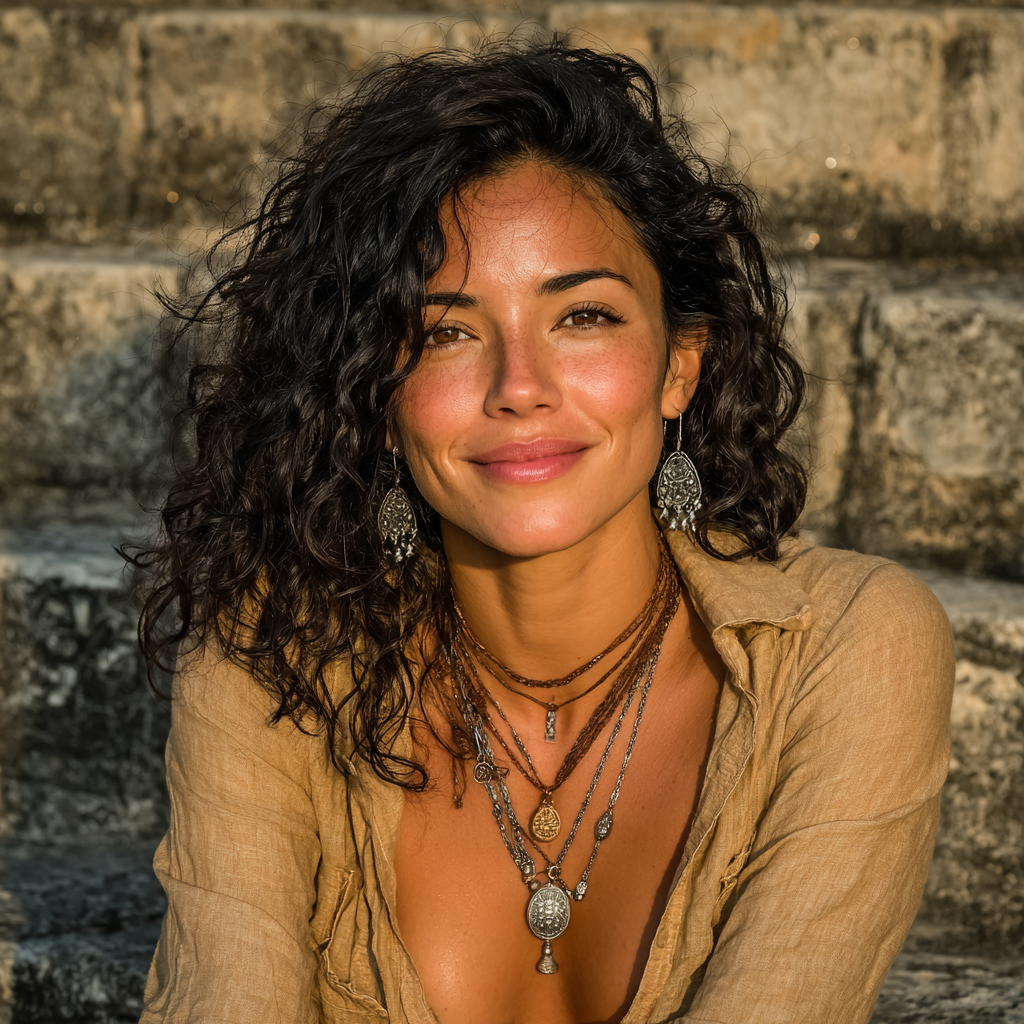
By Elena Vasquez
Cultural anthropologist and culinary storyteller. Elena spent a decade documenting traditional cooking methods across Latin America and the Mediterranean. She holds a PhD in Ethnography from Barcelona University and believes the best way to understand a place is through its kitchens and ancient streets.